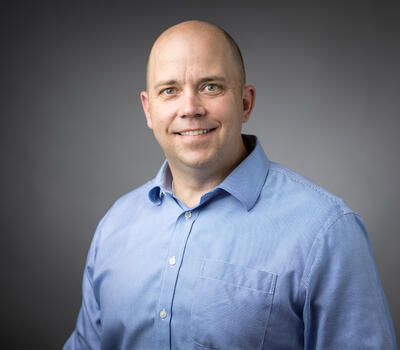
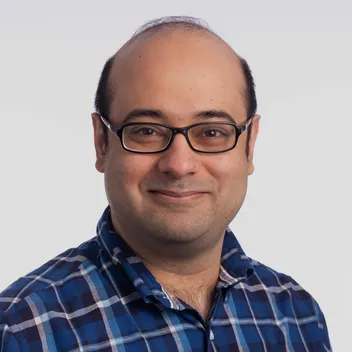
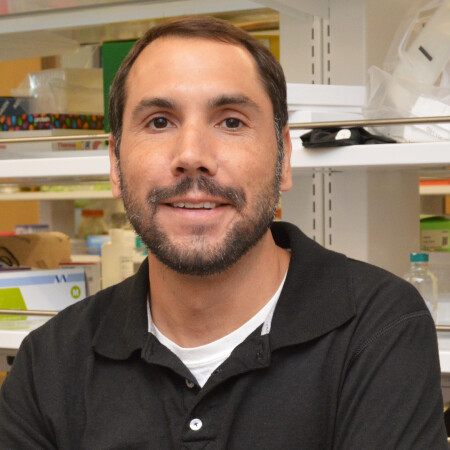
Professor Carl Edward Rasmussen is affiliated with the University of Cambridge , where he focuses on Machine Learning , Probabilistic Inference , Decision Making , and Reasoning Under Uncertainty . His work bridges theoretical advancements with practical applications in robotics, control systems, and computational biology. Academic Affiliation: University of Cambridge Academic Role: Professor His research emphasizes scalable Gaussian process methods, Bayesian system identification, and reinforcement learning. Recent projects include transfer learning for antibacterial discovery , graph neural processes for molecular functions , and efficient variational inference techniques . Key themes in his publications highlight uncertainty quantification , model generalization , and nonparametric approaches . Notable Scientific Contributions Advancements in sparse Gaussian process hyperparameter estimation Framework for Bayesian system identification in dynamic systems Hybrid models combining transformers and Gaussian processes
Vijini Mallawaarachchi is a Research Fellow in Bioinformatics at Flinders University's Flinders Accelerator for Microbiome Exploration (FAME). His research focuses on developing computational methods for metagenomic analysis, particularly viral genome recovery from metagenomes. He holds a PhD in Computer Science from the Australian National University (2022) and a BSc in Computer Science and Engineering (Honours) from the University of Moratuwa, Sri Lanka (2018). Education: Doctor of Philosophy (Computer Science), Australian National University, 2018–2022 Bachelor of Science (Computer Science & Engineering, Honours), University of Moratuwa, 2014–2018 Research Interests: Metagenomics, algorithms for genome recovery, bacteriophage discovery, machine learning applications in bioinformatics, and software engineering for computational biology. His work emphasizes leveraging assembly graphs and computational models to analyze microbial communities and viral genomes. Grants & Awards: 2025: National Computational Merit Allocation Scheme Grant (Co-CI) - A$412,000 2025: ARC Discovery Projects Grant (Co-CI) - A$685,781 2024: Outstanding PhD Thesis Award (ABACBS) 2023: Australian Society for Microbiology Early Career Award Professional Engagement: Active member of ISMB, ISVM, ACM, IEEE, ABACBS, ASM, and RSE AU/NZ. Supervises HDR and Honours students in bioinformatics and computational biology. Labs & Tools: Leads projects at FAME, developed tools like GraphBin, Phables, and ConDiGA for metagenomic analysis. Collaborates on open-source initiatives like the cogent3 Python APIs.
Prof. Dr. Ulrich Kleinekathöfer is a Full Professor of Theoretical Physics at Constructor University (formerly Jacobs University Bremen) in the School of Science. His research focuses on computational physics and biophysics, particularly on light-harvesting complexes, membrane transport, and quantum dynamics in biological systems. He leads the Computational Physics and Biophysics research group and coordinates the MSCA Doctoral Training Network "PhotoCaM". His educational background includes: PhD from Max-Planck-Institut für Strömungsforschung, Göttingen (1996) Diploma in Physics from Universität Göttingen (1993) Habilitation in Physics from Technische Universität Chemnitz (2002) Prof. Kleinekathöfer's research spans multiple areas of computational biophysics and theoretical physics. His primary interests include excitation energy transfer in light-harvesting complexes , molecular transport through membrane channels and nanopores , and quantum dynamics in open systems . His group develops and applies advanced computational methods including molecular dynamics simulations, quantum chemistry calculations, and machine learning approaches to study these phenomena. A significant portion of his work focuses on photosynthetic systems, particularly how energy is transferred and converted in natural light-harvesting complexes, with implications for renewable energy technologies. His recent publications demonstrate a strong trend toward integrating machine learning with traditional computational methods, particularly in the fields of quantum chemistry and molecular dynamics. There's a clear focus on multifidelity approaches that balance computational efficiency with accuracy. His work spans from fundamental quantum dynamics to applied research on antibiotic transport mechanisms, showing remarkable breadth while maintaining depth in computational methodology development. His notable recognition includes: Tan Chin Tuan Exchange Fellowship, NTU Singapore (2019) Prof. Kleinekathöfer has supervised numerous PhD students and postdoctoral researchers, with a current group comprising several PhD candidates and research associates. His research is supported by multiple funding sources including the Deutsche Forschungsgemeinschaft (DFG), European Union through MSCA Doctoral Network PhotoCaM, and previously through the Innovative Medicines Initiative "Translocation" and Marie Curie Training Program "Translocation". His collaborative network spans internationally, with partnerships at institutions in Germany, USA, Greece, and Switzerland. The Computational Physics and Biophysics Group operates within Constructor University's research infrastructure, utilizing high-performance computing resources for their simulations. The group maintains active collaborations with experimental groups to validate and inform their computational models, creating a strong interdisciplinary research environment focused on understanding fundamental biophysical processes at the molecular level.
Dr. F. Jerry Reen serves as a Senior Lecturer and Principal Investigator in the School of Microbiology at University College Cork (UCC), Ireland. With over two decades of academic experience since joining UCC's Department of Microbiology in 2002, he has established himself as a leading researcher in microbial communication systems and host-pathogen interactions. His research group operates within the BIOMERIT Research Centre, and he maintains active collaborations across multiple institutions in Ireland and internationally. Dr. Reen earned his BSc in Biochemistry at the National University of Ireland Galway (NUIG), followed by a PhD in the Molecular GlycoBiotechnology Group at NUIG, supported by an Enterprise Ireland Scholarship and an NUI Teaching Fellowship. His academic journey includes a postdoctoral position in the lab of Dr. E. Fidelma Boyd at UCC, during which he was a visiting scientist at the Sidney Kimmel Cancer Center in San Diego and received an IRCSET Postdoctoral Fellowship for bacteriophage-host interactions research. Dr. Reen's research focuses on deciphering communication systems underpinning polymicrobial-host interactions for human and ecosystem health, with particular emphasis on small molecule signaling in microbial communities. His work bridges fundamental microbiology with translational applications, targeting antimicrobial resistance through chemico-biological therapeutics and developing sustainable pharmaceutical production methods using marine biocatalysts. His research has evolved from early work on Vibrio species to current investigations of Pseudomonas aeruginosa signaling systems, bile acid interactions in cystic fibrosis, and marine enzyme applications in green chemistry. His laboratory's publication record demonstrates consistent productivity with over 80 peer-reviewed papers (h-index 26), spanning from foundational studies on LysR-type transcriptional regulators to recent innovations in virtual reality educational tools. The research trajectory reveals an expanding scope from molecular microbiology to systems-level understanding of microbial communities, with increasing emphasis on sustainable solutions for the pharmaceutical industry. Bronze LEAF Award (2022) - Green Campus University College Cork The Disciplinary Excellence in Learning, Teaching and Assessment (DELTA) Award (2021) - National Forum for the Enhancement of Teaching and Learning Purdy-Lucey UCC Life Sciences Invention of the Year 2015 (2016) Best Poster Exhibition (2012) - Royal Irish Academy National Researcher of the Year, Silver Medal (2011) - Roche BioSciences Researcher of the Year, Gold Medal (2011) - Roche Dr. Reen has successfully secured significant research funding from multiple sources including Science Foundation Ireland (SFI), Health Research Board (HRB), Enterprise Ireland, and Irish Research Council. His current projects include 'BioBloc' enhanced Contact LEns solutioNS (BBCLENS), HEACOVID19, SSPC3 Pharm5, and investigations into novel macrolides for cystic fibrosis management. He has mentored numerous graduate students, including Stephanie Flynn (PhD, 2019), Noelle McCarthy (PhD, 2009), and David Woods (MSc, 2008), with two doctoral students currently completing their research. His educational innovations, particularly student-partnered virtual reality simulations, have transformed how challenging molecular concepts are taught. Dr. Reen leads an interdisciplinary research group that combines microbiology, chemistry, bioinformatics, and education technology. His team collaborates with internal UCC colleagues including Dr. Gerard McGlacken and Prof. Anita Maguire, as well as external partners from institutions like the University of Warwick, Medical University of Graz, and University de Porto. The laboratory maintains strong connections with clinical researchers studying cystic fibrosis and has developed novel approaches for detecting bacterial signaling molecules using boron-doped diamond electrodes.
Rainer Böckmann is a Professor of Computational Biology in the Department of Biology at Friedrich-Alexander-University Erlangen-Nürnberg (FAU), Germany, where he leads the Group for Theoretical and Computational Membrane Biophysics. His research integrates molecular dynamics simulations with biophysical analysis to study membrane structure, dynamics, and function. Research Interests: His work focuses on computational biophysics, particularly lipid bilayers, membrane proteins, molecular dynamics, and structural bioinformatics. He investigates how lipid composition, cholesterol, and embedded peptides influence membrane organization, curvature, and permeability, with applications in antimicrobial strategies and mRNA vaccine delivery systems. Recent Research Trends: His recent publications reflect a strong emphasis on lipid nanoparticles (LNPs), particularly their phase behavior, pH-dependent protonation, and structural transitions relevant to mRNA vaccines. He also explores antimicrobial peptides, membrane domain formation, and the role of cholesterol in modulating membrane properties. His group develops and applies advanced simulation techniques, including constant-pH MD and coarse-grained modeling. Member of Editorial Board, Biophysical Journal (2024–present) Elected Member, DFG Review Board for Biophysics (2020–present) Chairman, Molecular Biophysics Section, German Biophysical Society (2011–2012) Leadership and Service: Böckmann is actively involved in academic governance, serving on editorial boards, DFG committees, and as a guest editor for special issues in Frontiers journals. He contributes to graduate education and high-performance computing initiatives at FAU, including the NHR@FAU and Life@FAU Graduate School. He has organized major conferences and workshops in biophysics and membrane modeling. Laboratory and Collaboration: He leads a research group focused on biomembrane physics, collaborating with experimentalists and theorists. His lab develops and applies simulation tools to study membrane systems, bridging computational insights with biological function.
Sian-Marie Frosini is a Lecturer in Veterinary Clinical Microbiology at the Royal Veterinary College (RVC), affiliated with the Department of Pathobiology & Population Sciences. Her role combines undergraduate teaching in Veterinary Medicine and Veterinary Nursing curricula with clinical liaison work between RVC's clinical services and the microbiology diagnostic laboratory. Research Interests: Antimicrobial Resistance (AMR) in companion animals Methicillin-resistant Staphylococcus pseudintermedius (MRSP) epidemiology ESKAPE pathogens in veterinary and human medicine Topical antimicrobial therapy optimization Antimicrobial stewardship One Health approaches to bacterial transmission Key Collaborations: Dr. Jodi Lindsay's molecular microbiology group (St. George's Medical School, London) Dr. Jo Larner's dermatotoxicology group (University of Hertfordshire) Global veterinary microbiology networks Current Projects: Improved Stewardship to Protect Veterinary Antimicrobial Usage in UK Cats and Dogs (funded by Petplan Charitable Trust) PACK-CXL study for infectious ulcerative keratitis in dogs
Professor Siobhán McClean (University College Dublin) is a leading researcher in Biomolecular and Biomedical Science with 24 years of academic experience. Her work focuses on chronic respiratory infections in cystic fibrosis patients and vaccine development against ESKAPE pathogens. Current roles: Professor (2024-present) Associate Dean for Widening Participation (2019-2023) Head of Biochemistry (2019-2022) Academic qualifications: BSc in Biochemistry, UCD PhD, Imperial College London Professional Diploma in Creativity & Innovation, UCD Research Interests: Specializing in bacterial adaptation to hypoxia in chronic infections, she leads studies on Burkholderia cepacia complex, Pseudomonas aeruginosa, and Pandoraea pulmonicola. Her team develops novel vaccine antigens through proteomic analysis of host-pathogen interactions, with recent work on TLR4 agonists and universal stress proteins. Article Trends: Recent publications focus on mRNA vaccine platforms, hypoxia-driven pathogenesis, and cross-reactive antigens for ESKAPE pathogens. Key themes include adjuvant optimization, host cell attachment mechanisms, and immune correlate analysis across bacterial/viral/parasitic agents. Scientific Awards: Principal Investigator for Marie Curie BactiVax network Coordinator of All-island Vaccine Research Alliance (AIVRT) Science Foundation Ireland grant recipient Training Leadership: Supervises 7 active PhD researchers and has trained 15 Marie Curie students across 8 countries. Her lab develops cationic nanoparticles and investigates bacterial stress responses.
Tyler Radniecki is a Professor in the Department of Chemical, Biological, and Environmental Engineering at Oregon State University's College of Engineering. His work bridges environmental engineering and public health through innovative wastewater and stormwater treatment research. Education: Ph.D. in Chemical and Environmental Engineering from Yale University (2005) M.S. in Chemical and Environmental Engineering from Yale University (2001) B.S. in Environmental Science from Bemidji State University (1999) Research Focus: Dr. Radniecki pioneers microbiome engineering for sustainable wastewater treatment and wastewater-based epidemiology , with groundbreaking work on SARS-CoV-2 and Avian Influenza surveillance. His research integrates environmental engineering principles with microbiological insights to optimize anaerobic digestion, develop advanced bioswales for contaminant removal, and predict community disease burdens through sewage analysis. Publication Trends: Recent publications (2023-2025) reveal 65% focus on pathogen surveillance (SARS-CoV-2, Avian Influenza), 25% on environmental impacts of biosolids/stormwater treatment, and 10% on analytical methods. His work increasingly bridges engineering with public health policy, featuring longitudinal wastewater monitoring across Oregon communities and innovative approaches to pandemic resilience. Awards and Recognition: Featured in major news outlets for "Tracing the virus through the sewers" research and recipient of an NSF CAREER award for advancing anaerobic co-digestion through theoretical ecology principles. Research Leadership: Dr. Radniecki directs the Oregon Wastewater Surveillance project and leads three research groups: Water and Environment, Sustainable Energy, and Health and Biotechnology. His current NSF-funded projects include shaping anaerobic digester microbiomes for methane production, developing PFAS-removing bioswales, and expanding wastewater epidemiology to new pathogens through academic-practice partnerships with public health agencies.
Stineke Van Houte is a Professor at the University of Exeter, Department of Biosciences, and a BBSRC Future Leader Fellow. She leads research on host-parasite interactions, focusing on CRISPR-Cas systems and antimicrobial resistance. Her work integrates microbiology, evolutionary biology, and ecology to understand bacterial defense mechanisms against phages and plasmids. She holds a PhD from Wageningen University (2014) and has held postdoctoral roles at the University of Exeter and University of Bologna. Research Interests: Her lab explores how CRISPR-Cas systems can be harnessed to combat antimicrobial resistance, particularly targeting resistance genes in microbial communities. She investigates phage-bacteria co-evolution, bacterial immune responses, and the dynamics of plasmid-mediated resistance. Key areas include CRISPR-Cas immunity, phage defense evasion strategies, and ecological drivers of resistance spread. Scientific Awards: Recipient of the BBSRC Future Leader Fellowship (2018–2020) and Marie Sklodowska Curie Research Fellowship (2016–2017). Her work is funded by BBSRC grants focusing on CRISPR-based antimicrobial strategies. Labs & Collaborations: Director of the Van Houte Lab (https://vanhoutelab.wordpress.com), collaborating across disciplines to advance microbial ecology and genetic engineering.
Dr. Luke Allsopp is an Associate Professor in Molecular Bacteriology at the National Heart & Lung Institute (NHLI), part of the Faculty of Medicine at Imperial College London. His research focuses on bacterial secretion systems, antimicrobial resistance, and biofilm formation in pathogens like Pseudomonas aeruginosa. He leads a team within the Respiratory Infections Section at the NHLI, located at the Royal Brompton Campus. Dr. Allsopp holds affiliations with the Centre for Bacterial Resistance Biology, Institute of Infection, and Microbiome Network. He has secured funding from organizations including the BBSRC, Cystic Fibrosis Trust, and LifeArc. His lab explores how bacteria adapt to environmental challenges through secretion systems and biofilm programs, with a special emphasis on chronic respiratory pathogens in cystic fibrosis patients. Research interests include: Gram-negative bacterial secretion systems (e.g., Type VI) Regulation of virulence factors and biofilm dynamics Mechanisms of antibiotic resistance and persistence Host-pathogen interactions in respiratory infections Recent work highlights synergistic drug combinations (e.g., glatiramer acetate with tobramycin) and innovative models predicting CFTR gene therapy impacts on Pseudomonas biofilms. His team collaborates on the UK Cystic Fibrosis Infection Biorepository (UKCFIB) to accelerate antimicrobial development. Advising and grants: Supervises competitive PhD candidates via Presidents Scholarship programs. Major funders include the Academy of Medical Sciences and ESCMID. Lab/Team: Based in the Emmanuel Kaye Building, his group combines functional genomics, metabolomics, and structural biology to dissect bacterial pathogenesis mechanisms.
Dr. Sourav Banerjee is a Senior Lecturer in Cancer Research at the University of Dundee's School of Medicine, Department of Cancer Research. He holds a Master's degree from the University of Glasgow and a PhD from the MRC Protein Phosphorylation and Ubiquitylation Unit at the University of Dundee. His research focuses on understanding the role of extracellular post-translational modifications, particularly phosphorylation, in glioblastoma progression and identifying novel biomarkers for diagnosis and treatment. Banerjee's work integrates molecular biology, drug discovery, and translational medicine to develop therapies targeting aggressive cancers like glioblastoma and triple-negative breast cancer. Education: Masters in Life Sciences, University of Glasgow (2009) PhD in Life Sciences, University of Dundee (2013) His current research emphasizes the oncogenic roles of extracellular phosphorylations in glioblastoma, leveraging interdisciplinary approaches to design kinase inhibitors and biomarkers. Recent projects include developing brain-penetrant small molecules and studying DYRK2's role in proteasome regulation. Banerjee has secured significant grants, including a £150k Rosetrees Trust Translational Award (2025) and a UKRI Future Leaders Fellowship (2022). Key Awards: UKRI Future Leaders Fellowship (2022) Rosetrees Trust Translational Award (2025) Emerging Leaders Award (2023) Student-led Award for Innovative and Inspirational Teaching (2024) His lab collaborates on projects such as the CNSLive brain tumor program and explores synthetic lethality in glioma. Banerjee actively engages in public outreach, presenting on cancer research and drug development.
Ashlan J. Kunz Coyne, PharmD, MPH is an Assistant Professor in the Department of Pharmacy Practice & Science at the University of Kentucky, specializing in infectious diseases pharmacy with a focus on antimicrobial pharmacokinetics/pharmacodynamics (PK/PD) and multidrug-resistant bacteria. Education & Training Doctor of Pharmacy (PharmD), University of Florida PGY1 Pharmacy Practice Residency, UF Health Jacksonville PGY2 Infectious Disease Pharmacy Practice Residency, UF Health Jacksonville Master of Public Health (MPH), Wayne State University ACCP peer-reviewed PK/PD & Health Outcomes Pharmacotherapy Fellowship, Wayne State University Research Focus Dr. Kunz Coyne’s research leverages precision PK/PD modeling and multi-omics approaches to optimize antimicrobial regimens against resistant pathogens. Her work spans: Phage–antibiotic synergy against MRSA, Pseudomonas aeruginosa , and Enterococcus spp. Clinical outcomes of novel β-lactam/β-lactamase inhibitors (ceftazidime-avibactam, cefiderocol, eravacycline) Obesity-related PK alterations and their impact on antimicrobial efficacy Penicillin allergy de-labeling strategies in outpatient settings Antimicrobial stewardship aided by rapid molecular diagnostics Scientific Recognition National Institutes of Health Loan Repayment Program (NIH LRP) Award Grants & Future Directions Supported by the NIH LRP, Dr. Kunz Coyne aims to expand translational PK/PD studies that integrate clinical data with in-vitro and ex-vivo models to inform evidence-based dosing for high-risk populations, including immunocompromised and critically ill patients. Laboratory & Teams She collaborates closely with interdisciplinary teams across the University of Kentucky College of Pharmacy, infectious diseases divisions, and external multicenter networks to conduct prospective cohort studies and real-world evidence analyses.
Joseph Boll is an Associate Professor in the Department of Biological Sciences at the University of Texas at Dallas (UTD), affiliated with the School of Natural Sciences and Mathematics. His research focuses on understanding antibiotic resistance mechanisms in Gram-negative bacteria, particularly Acinetobacter baumannii and Mycobacterium abscessus. He leads the Boll research group, investigating bacterial cell envelope modifications that enable resistance to last-line antibiotics like colistin and carbapenems. Education: BSc in Microbiology, Texas Tech University (2007) PhD in Molecular Biosciences (Microbiology) from University of Texas Southwestern Medical Center (2013) Postdoctoral training in Microbiology/Synthetic Biology at University of Texas at Austin (2017) Research Interests: Dr. Boll’s work spans antibiotic tolerance mechanisms, lipid A modifications, outer membrane integrity, and peptidoglycan recycling. He uses advanced techniques like lipidomics, high-throughput sequencing, and mass spectrometry to uncover how pathogens survive antibiotic stress. Current projects include studying compensatory mutations in penicillin-binding proteins and phosphate limitation-driven lipid synthesis in ESKAPE pathogens. Grants & Funding: NIH/NIGMS R35GM143053 (2021–2026): Cell envelope modifications promoting antimicrobial tolerance NIH/NIAID R01AI168159 (2022–2027): LD-transpeptidase roles in outer membrane protection Labs/Teams: Directs the Boll Lab at UTD, focused on combating antimicrobial resistance through mechanistic studies of bacterial survival strategies. Collaborates with the mBio editorial board as a junior member.
Niall O'Leary is a Senior Lecturer and Principal Investigator in the School of Microbiology at University College Cork (UCC), with affiliations to the Environmental Research Institute and the SUSFERM biotechnology centre. His research focuses on microbial community ecology for wastewater treatment and circular economy solutions in the agri-food sector, alongside innovations in technology-enhanced education. He holds an MA in Teaching and Learning in Higher Education (2014) and has secured significant grants, including SFI funding for wastewater-based epidemiology and EPA support for dairy wastewater valorization. Education: BSc (Hons) Microbiology (1996), PhD Microbiology (2001) from UCC, followed by postdoctoral research. Advanced teaching qualifications include a Postgraduate Diploma (2009) and MA in Teaching and Learning (2014). Research Interests: Microbial bioreactor systems, dairy/meat wastewater treatment, bioconversion to biodegradable plastics, and Lemna cultivation. Recent work includes SARS-CoV-2 wastewater epidemiology and precision fermentation via SUSFERM. Teaching innovations include VR simulations for molecular biology and 360° virtual industrial site visits. Notable Grants: SFI Rapid Response (€44,876), UniCov Study (€188,770), NEWTRIENTS (€650,000), and DAFF-funded projects on duckweed protein and dairy wastewater. Awards: DELTA National Award (2021), UCC President’s Teaching Excellence (2015). Active in outreach, including public workshops on plastic pollution and collaborations with secondary schools via VR biology tools.
Sabrina Pacor is an Associate Professor in Applied Biology (BIO/13) at the University of Trieste , where she teaches Pharmacology in the Pharmacy LM and STB BSc programs. With over 30 years of research experience in experimental oncology and host defense peptides, she has made significant contributions to studying antimicrobial peptides (AMPs) and their interactions with bacterial membranes. Her research focuses on: Direct antimicrobial activity of AMPs against Gram-positive and Gram-negative bacteria Indirect immunomodulatory effects of host defense peptides Development of drug delivery systems using nanomaterials (carbon nanotubes, gold nanoparticles) Mechanistic studies of ruthenium-based antimetastatic drugs She leads extensive cytofluorimetry research using flow cytometry platforms, particularly for evaluating: Cytotoxicity (necrosis/apoptosis, proliferation index) Modulation of host biological responses (chemotaxis, phagocytosis, ROS production) Peptide-bacterial membrane interactions through fluorescent labeling Her recent work demonstrates trends in: Proline-rich antimicrobial peptides against ESKAPE pathogens Hybrid antibiotic design (peptide-aminoglycoside conjugates) Structure-activity relationships in membranolytic peptides Evolutionary insights into defensin and cathelicidin families Prof. Pacor has co-authored over 100 peer-reviewed publications and actively mentors students, having supervised: 70 experimental/thesis reviews for Pharmacy/CTF Master's students 20 Bachelor's degree theses