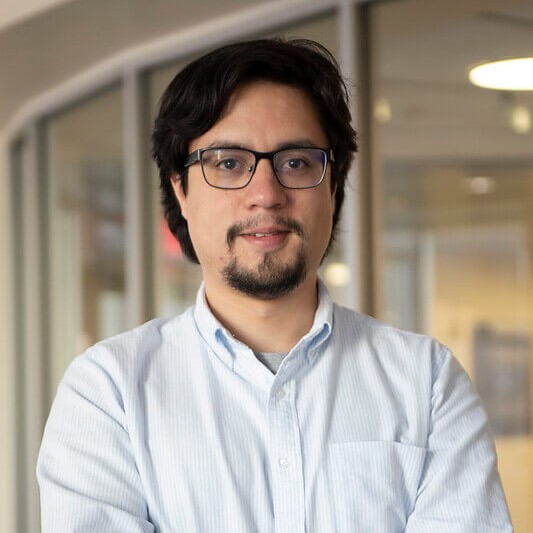
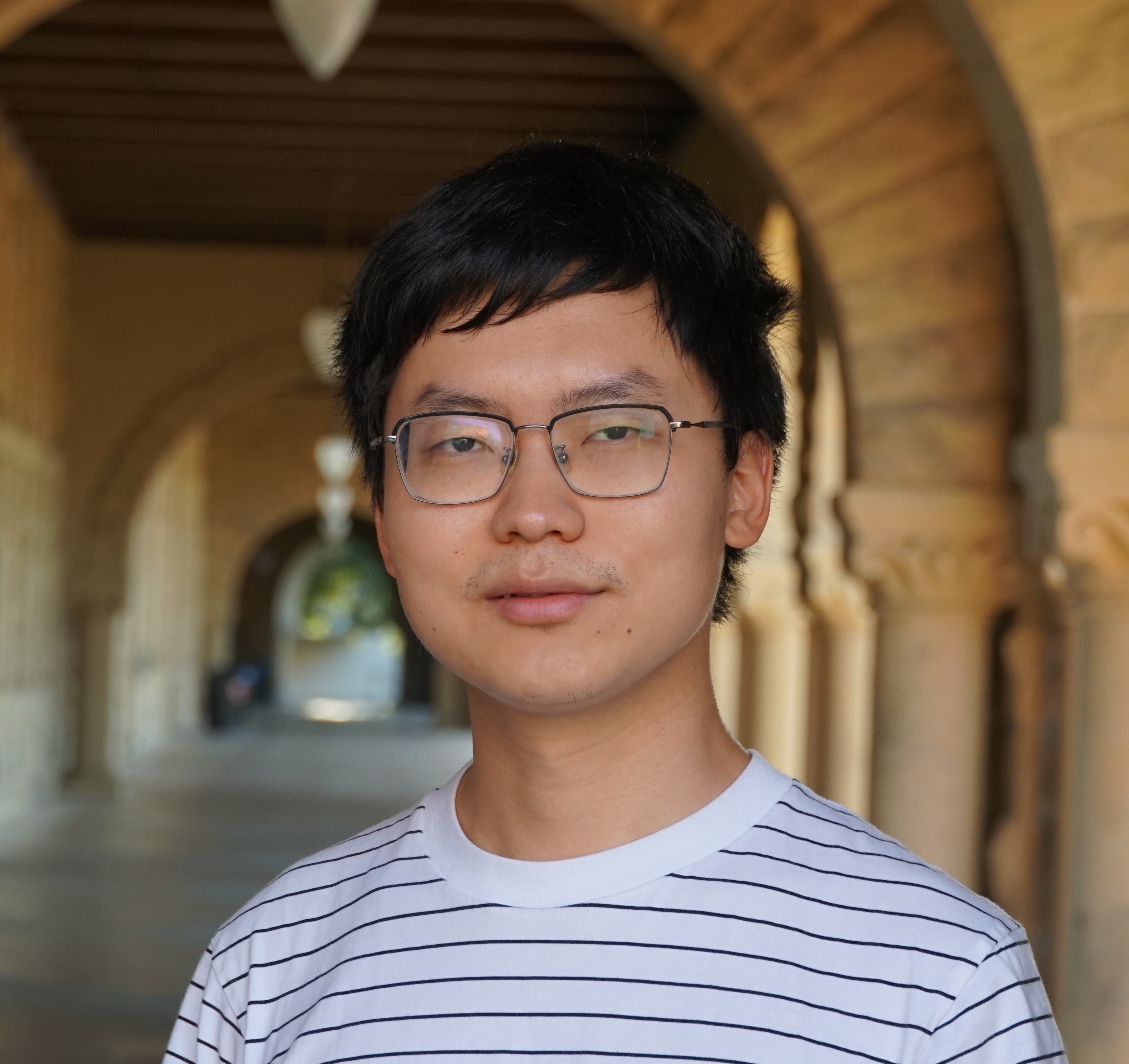
Frank Papenmeier is a Professor in the Department of Psychology at the University of Tübingen, within the Faculty of Science. His research focuses on event cognition, human-robot interaction, visual working memory, and visual attention. He coordinates the 'Coordination Cognitive Psychology and Research Methods' research group. His work explores how people perceive and interact with dynamic environments, including studies on event segmentation, cognitive offloading, and aesthetic judgments. He has contributed to over 100 peer-reviewed articles, with recent work addressing topics like the impact of framing on art perception and the role of AI in education. Papenmeier's research integrates experimental methods with interdisciplinary approaches, including collaborations on teleoperation systems and AI-based tutoring. He has presented at major conferences such as the European Society for Cognitive Psychology and the Psychonomic Society. His lab emphasizes methodological rigor, evidenced by contributions to replication databases and open science initiatives. Education: Not explicitly stated in the text, but his titles include Dr. rer. nat. (Doctor of Natural Sciences) and Diplom-Psychologe (Psychology Diploma). Research Interests: His primary areas include event cognition, human-robot interaction (e.g., helping behavior toward robots), visual working memory (e.g., spatial configuration processing), and cognitive offloading (e.g., impact on memory and performance). He also investigates aesthetic judgments and narrative comprehension through eye-tracking and experimental paradigms. Articles Trends: Recent work addresses applied topics like cookie consent interfaces, AI in education (e.g., R programming tutors), and perceptual effects in 3D cinema. His studies often bridge cognitive theory with real-world applications, such as usability design and social robotics. Labs/Teams: Leads the research group 'Coordination Cognitive Psychology and Research Methods' at the University of Tübingen. Collaborates with interdisciplinary teams on projects involving robotics, AI, and human-computer interaction.