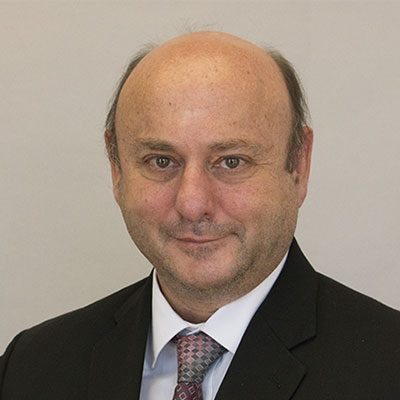
Robert Côté, MD is a Professor in the Department of Neurology and Neurosurgery at McGill University's Faculty of Medicine and Health Sciences. He serves as an Associate Investigator at the Research Institute of the McGill University Health Centre (RI-MUHC) at the Montreal General Hospital site, where he is affiliated with the Cardiovascular Health Across the Lifespan Program. His work spans clinical research, patient care, and academic medicine with a focus on improving stroke outcomes through evidence-based approaches. Dr. Côté's research primarily focuses on clinical studies in stroke prevention and acute management. His work encompasses interventional approaches (such as surgery), medical interventions (pharmacological treatments), and lifestyle modifications. He investigates specific causes of stroke including cardiac problems like atrial fibrillation, control of vascular risk factors (hypertension, diabetes, and high cholesterol), the use of blood thinners, and changes in lifestyle habits. His research often involves multi-center collaborations across Canada and internationally. Dr. Côté has been instrumental in establishing a program supporting best practices in stroke care at the MUHC, which monitors various clinical indicators of quality in stroke management through a dedicated database. His work has significantly contributed to the development of Canadian stroke best practice recommendations, particularly in the area of secondary stroke prevention. Stroke Prevention: Developing strategies to prevent recurrent strokes through risk factor management Acute Stroke Management: Optimizing treatment pathways for immediate stroke care Vascular Risk Factors: Studying hypertension, diabetes, and cholesterol control in stroke patients Atrial Fibrillation: Researching detection methods and management in stroke patients Healthcare Quality: Developing metrics and systems to monitor stroke care quality Dr. Côté's research portfolio demonstrates a strong focus on translating clinical research findings into improved patient care. His work spans from basic clinical investigations to large-scale implementation studies aimed at improving stroke systems of care. He has been particularly active in developing and implementing evidence-based guidelines for stroke management in Canada. Canadian Stroke Best Practice Recommendations (Secondary Prevention) Optimizing door-to-needle times for stroke thrombolysis Cost-effectiveness of optimal stroke care Medication adherence after stroke Management of atrial fibrillation in cryptogenic stroke