Nesibe Necla Uluğtekin is a Professor at the Department of Geomatics Engineering , Istanbul Technical University , with a career spanning over 35 years. Her work focuses on Geographic Information Systems (GIS), Cartography, and Remote Sensing applications in urban and environmental contexts. Education: PhD in Geodesy and Photogrammetry Engineering (1989, Istanbul Technical University); MSc (1983) and BSc (1979) in the same field; Additional training at ITC Netherlands (1986). Research: Specializes in GIS applications for public health, urban planning, land use analysis, and 3D modeling. Key projects include spatial evaluation of green spaces, disease distribution mapping, and CORINE land cover studies. Publications: Over 23 research outputs since 1996, with recent works focusing on GIS-based health service evaluation, urban accessibility, and 3D model generalization. Professional Memberships: Active in international organizations like ICA, HKMO, and AGISEE since the 1980s. Email: ulugtek@itu.edu.tr Institution: Istanbul Technical University, Ayazaga Campus, 34000 Istanbul, Turkey
Assoc. Prof. Dr. Serdar Bilgi is an academic at Istanbul Technical University (ITU), affiliated with the Civil Engineering Faculty and the Department of Geomatics Engineering . He holds the rank of Associate Professor and has served in leadership roles such as Head of Department and Vice Dean at ITU. His research focuses on Cartography , Surveying Techniques , and interdisciplinary applications of geomatics, including 3D modeling, deformation monitoring, and geospatial analysis. Education : PhD in Geomatics Engineering, ITU (2003–2012) MSc in Geodesy and Photogrammetry Engineering, ITU (1997–2001) BSc in Geodesy and Photogrammetry Engineering, ITU (1997–2001) Research Interests : Prof. Bilgi’s work spans cultural heritage documentation (using UAVs and 3D modeling), deformation monitoring of dams and fault zones via GPS and geodetic methods, and GIS applications in urban planning and disaster management. He has led projects on topics like laser scanning for endoscopic imaging and integrating historical data into modern systems. Publications : His recent work includes studies on visual localization algorithms, dam deformation analysis, and spatial patterns in Istanbul. These reflect his expertise in computational geomatics, sensor fusion, and geophysical modeling. Awards : BİDEB 2214 International Research Scholarship (TUBITAK, 2010) Grants & Projects : He has executed over 15 research projects, including: Deformation Monitoring of Atatürk Dam (2006–2013) – Geodetic risk assessment Integration of 3D UAV Models into GIS (2019–2024) – Heritage site preservation CBS Sel Heyelan Hasar Tahmini (2009–2017) – Flood risk modeling Labs/Teams : Though not explicitly named, his projects involve collaboration with ITU’s geomatics and engineering teams, focusing on fieldwork and computational modeling.
Leslie Knapp is a Professor in the Department of Anthropology at the University of Utah since 2013, with prior academic appointments as Reader in Primate Genetics & Behaviour at the University of Cambridge (1997-2013). She completed her PhD in Biological Anthropology at UCLA in 1994 after earning BA and MA degrees there. Current research focuses on primate immunogenetics and evolutionary biology Specializes in MHC gene variation and dopamine receptor genetics Key research areas: disease resistance, sexual selection, behavioral ecology Recent publications analyze yellow fever virus susceptibility in howler monkeys through TLR7/TLR8 gene evolution, and explore connections between pregnancy history and Alzheimer's disease risk. Her work combines molecular genetics with behavioral observations across primate populations. Scientific honors include: Elected Member, Sigma Xi (2020) Visiting Professor at University of Veracruz (2012) and University of Rennes (2009) Teaching activities at Utah include courses on primate biology, individual study supervision, and sex/gender studies. She has established research collaborations across multiple disciplines within the Anthropology Department.
Franco Zambonelli is a Full Professor of Computer Science at the University of Modena and Reggio Emilia since 2010, with prior roles as Associate Professor (2001–2010) and Researcher (1997–2001). He holds a Laurea in Electronic Engineering (1992) and a PhD in Computer Science (1997), both from the University of Bologna. Research Interests: Focus on distributed and pervasive computing, self-organizing systems, autonomic computing, multiagent systems, and IoT applications in smart cities and healthcare. His work emphasizes agent-oriented software engineering, coordination models for distributed systems, and adaptive service ecosystems. Editorial Roles: Co-Editor-in-Chief of ACM Transactions on Autonomous and Adaptive Systems, and editorial board member of journals like Pervasive and Mobile Computing and Journal of Agent-Oriented Software Engineering. Awards: IEEE Fellow (2013), ACM Senior Member (2009), multiple best paper awards including IEEE SAINT (2001) and CBRM Cybernetics (2004). Grants & Projects: Coordinated EU FP7 Project SAPERE (2010–2013) and led FP6 Project CASCADAS (2006–2008). Currently involved in PRIN 2017 Fluidware (2019–2022) and H2020 CONNECARE (2016–2019). Labs: Agents and Pervasive Computing Lab (agentgroup.unimore.it).
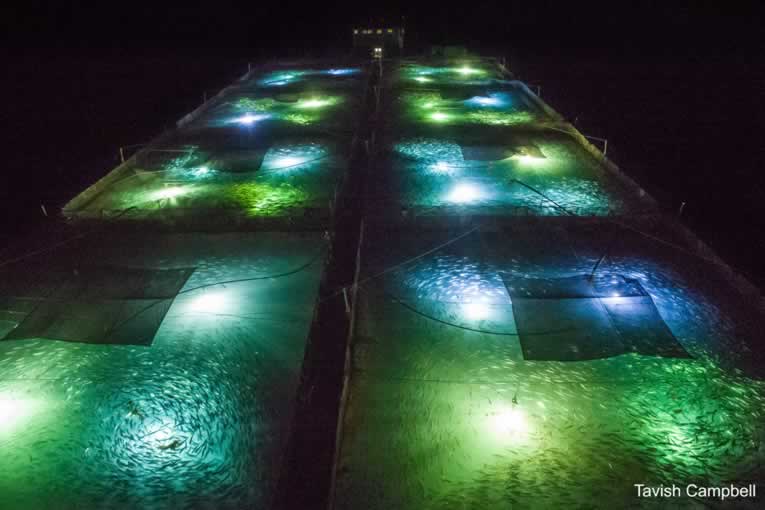
Overview Dr. Amy Ellison is a Senior Lecturer in Biological Sciences at Bangor University, UK, specializing in molecular parasitology and host-pathogen interactions. Her research focuses on chronoparasitology, examining how circadian rhythms influence disease dynamics in aquatic and wild animal populations. She holds academic affiliations with the School of Environmental and Natural Sciences and collaborates with institutions like Cardiff University and Plymouth University. Education & Career PhD (2012) : Evolutionary genetics of mixed-mating systems, Aberystwyth University BSc Zoology (2009) : First class honors, Aberystwyth University Positions : NSF Postdoc (Cornell, 2012–2015), BBSRC Future Leader Fellow (Cardiff & Bangor, 2018–2021), Lecturer (Bangor, 2019–present) Research Interests Her work integrates chronobiology with aquaculture health, light pollution impacts, and amphibian disease resistance. Key themes include circadian rhythm effects on fish immunity, microbiome interactions, and environmental stressors like skyglow. She employs cutting-edge techniques like next-generation sequencing and meta-transcriptomics to study pathogen dynamics. Grants & Projects FUTUREFISH : BBSRC-funded study on circadian rhythms and aquaculture (2019–2022) AquaWales : Climate change impacts on aquaculture (2015–2018) One Health Wales : Integrated health surveillance system (2022–2023) Labs & Collaboration Dr. Ellison leads interdisciplinary teams addressing global challenges like sustainable aquaculture and wildlife disease. Collaborations include work on amphibian chytridiomycosis resistance and light pollution effects on intertidal organisms.
Dr. Tyler Hallman is a Lecturer in Wildlife Ecology & Conservation at Bangor University's School of Environmental and Natural Sciences. His research focuses on understanding how biodiversity responds to human-driven environmental change, with particular emphasis on species distribution modeling, community science methodologies, and conservation applications. Education: PhD in Wildlife Science (Oregon State University, 2019), MSc in Zoology (Southern Illinois University, 2012), BA in Organismal Biology (Pitzer College, 2007). Research interests include global change impacts on wildlife distributions, optimizing citizen science data for conservation, and evaluating ecosystem services linked to avian biodiversity. Key projects include the CASCADE network as Bangor's focal point and the EU-funded SPEAR project. Teaching responsibilities include module organization for Conservation Management Planning and contributions to Wildlife Ecology, Conservation Principles, and Practice modules. He supervises PhD students and engages in interdisciplinary collaborations across ecology, statistics, and environmental governance. Publications emphasize methodological advancements in ecological modeling, habitat analysis, and long-term avian population trends. His work bridges academic research with actionable conservation strategies, leveraging remote sensing, geospatial techniques, and community engagement.
Matthew Breece is an Assistant Professor in Marine Science at St. Mary's College of Maryland. His research integrates acoustic telemetry, remote sensing, and species distribution modeling to study imperiled fish species in coastal ecosystems. Research focuses on conservation technology development, including satellite-based warning systems to reduce human-wildlife conflicts. His work with Atlantic sturgeon and sharks examines migration ecology, habitat selection, and social behaviors using autonomous underwater vehicles and acoustic tracking. Current projects investigate temperate fish responses to offshore developments and spatiotemporal habitat patterns in spawning rivers. His research supports sustainable fisheries management through advanced monitoring technologies and predictive modeling.
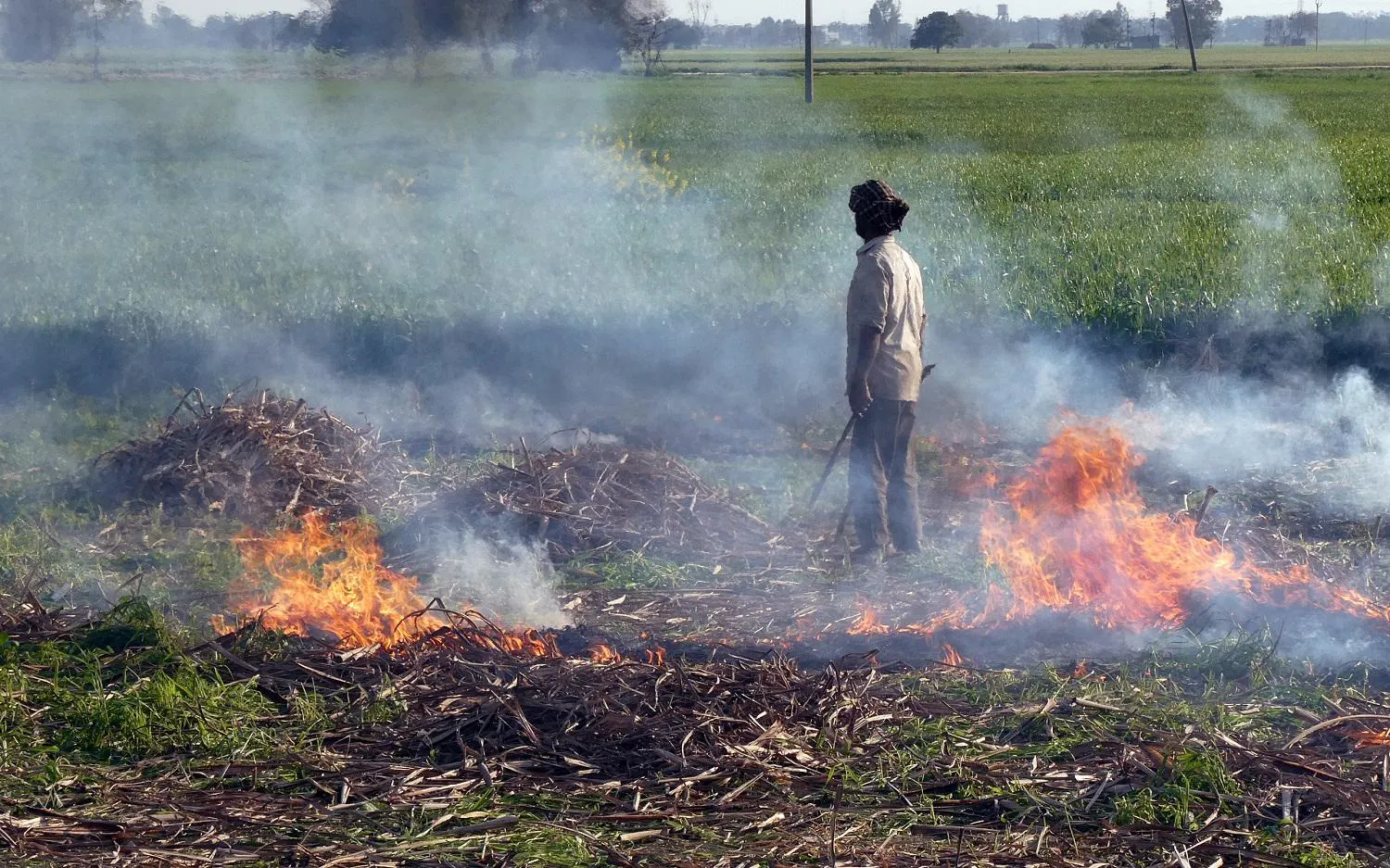
Professor Martin Wooster is a leading academic in Earth Observation Science and biomass burning research at King's College London. He holds the position of Professor of Earth Observation Science within the Department of Geography, School of Global Affairs, Faculty of Social Science & Public Policy. His research focuses on satellite remote sensing applications, wildfire dynamics, and their environmental impacts, including air quality and climate change. Education : BSc in Physics, University of Bristol MSc in Remote Sensing, University of London PhD in Earth Sciences (volcanic remote sensing via ATSR instrument), Open University Research Interests : Wooster specializes in quantifying landscape fire emissions, developing remote sensing techniques for wildfire monitoring, and understanding fire's role in Earth system processes. His work integrates satellite data with field measurements to assess fire impacts on the atmosphere, carbon cycle, and human health. Key areas include: Satellite-based fire radiative power (FRP) product development Biomass burning emissions and their climate implications Wildfire-air quality interactions, especially in developing regions Geostationary and polar satellite sensor applications Notable Achievements : Co-director of the Leverhulme Centre for Wildfires, Environment and Society Former Principal Investigator at NERC National Centre for Earth Observation Awarded 'Young Academic Researcher of the Year' (2007) and 'Innovation and Impact' (2009) by King's College Recipient of the Daiwa-Adrian Award for UK-Japan collaborative science (2001) Current Projects : Wooster leads the King's Earth Observation and Wildfire Research Group and collaborates on global wildfire monitoring initiatives. His recent work includes: Developing improved fire detection algorithms for Sentinel-3 and GOES-16 satellites Assessing health impacts of Indonesian peatland fires on urban populations Quantifying fire emissions via machine learning and geostationary data Labs/Teams : He directs the King's Earth Observation and Wildfire Research Group, part of the interdisciplinary Leverhulme Centre, which combines geoscience, health, and policy perspectives on wildfires.
Berend Jan van der Zwaag is an Assistant Professor at the University of Twente, affiliated with the Digital Society Institute and the Pervasive Systems group within the Faculty of Electrical Engineering, Mathematics and Computer Science. His interdisciplinary work bridges sensor technology, machine learning, and animal biomechanics. His research interests focus on pervasive computing, sensor systems, and machine learning applications, particularly in equine health. He investigates how inertial measurement units (IMUs) and AI models can be used for lameness detection, gait analysis, terrain classification, and kinetic parameter prediction in horses. His work emphasizes real-world deployment of smart, data-driven systems in veterinary and agricultural contexts. The recent publications reveal a strong trend in applying deep learning and recurrent neural networks to time-series sensor data from horses. His research integrates wearable technology with AI to enable precision monitoring of animal locomotion, contributing to both veterinary science and pervasive computing. The interdisciplinary nature of his work spans engineering, computer science, and life sciences. Berend Jan van der Zwaag actively contributes to scientific discourse through expert media commentary, such as on the role of sensors in data-driven maintenance. His research has garnered citations and downloads, indicating growing academic and practical relevance. He supervises students, including J. I. M. Parmentier, whose work on equine IMU data forms a significant part of recent publications. While no formal grants are listed, his output suggests involvement in collaborative, applied research projects. His work is supported by open-access dissemination and digital research metrics platforms like Pure and PlumX. Berend Jan van der Zwaag is part of a dynamic research network at the University of Twente, contributing to the Pervasive Systems lab, which focuses on intelligent, context-aware sensor systems for societal challenges. His work exemplifies the convergence of digital technology with real-world applications in health and sustainability.
Lingjie Duan is an Associate Professor (tenured) and Associate Head of Pillar (Research) in the Engineering Systems and Design School at Singapore University of Technology and Design (SUTD). He holds a PhD in Information Engineering from The Chinese University of Hong Kong (2012) and was a visiting scholar at UC Berkeley's EECS Department. His research focuses on network economics, algorithmic game theory, and AI-driven networking, with emphasis on optimizing wireless systems, UAV networks, and distributed learning mechanisms. He has received prestigious awards including the IEEE ComSoc Asia-Pacific Outstanding Young Researcher Award (2015) and SUTD Excellence in Research Award (2017). His work spans over 150 publications in top-tier journals/conferences, including 6 ESI Highly Cited Papers. He leads the Network Economics & Optimization Lab (NEOL) and serves as Editor for IEEE Transactions on Networking and Mobile Computing. Key research areas include: Machine Learning & AI in Networking Game Theory-driven Resource Allocation UAV-assisted Communication Systems Cyber-Security & Privacy Energy-Efficient IoT Systems Recent grants include projects on privacy-protected AI methods (SGD$0.5M) and decarbonizing urban transportation via crowdsourcing (SG$0.3M). He actively collaborates with institutions like MIT, UC Berkeley, and NUS.
Patrick Hostert is a Professor of Geography at Humboldt-Universität zu Berlin with 30 years of expertise in remote sensing and geoinformatics. His work focuses on integrating advanced remote sensing methods (e.g., machine learning, big data analysis) with land systems analysis to address environmental and global change challenges. PhD in Remote Sensing, Universität Trier (2001) MSc in Geoinformation Systems, University of Edinburgh (1995) Diplom in Geography, Universität Trier (1994) His research interests include: Remote sensing for environmental monitoring Machine learning applications in Earth observation Grassland and cropland dynamics Hyperspectral imaging (e.g., EnMAP mission) Climate change impacts and adaptation strategies Recent work emphasizes: Mapping vegetation cover using Sentinel/Landsat time series Responsible AI frameworks for EO Global material stock quantification using EO data Key contributions include the EnMAP-Box software tool and leadership in the MODCiX mowing detection initiative. Ongoing projects involve national-scale tree species mapping and drought impact analysis in European grasslands.
Brandon P. Anthony is a Professor in the Department of Environmental Sciences and Policy at Central European University. His roles include serving as a Research Associate at Kruger National Park, South Africa, and an advisor to the Hungarian Nature Conservation Institute. He has held technical and biological roles in Canada, including Watershed Planning Technician and Park Supervisor. Anthony holds a PhD (2006) from CEU with a dissertation titled *A view from the other side of the fence: Tsonga communities and the Kruger National Park, South Africa*, an MSc (1998) from CEU focusing on amphibian monitoring in Hungary, and a BSc (1987) in Biology from Trent University, Canada. His research focuses on human-wildlife conflict, protected area management, rural communities and environmental interactions, and amphibian ecology. He explores topics such as conservation effectiveness in emerging democracies, hybrid zones in amphibians, and the socio-ecological impacts of protected areas. His recent work emphasizes global biodiversity challenges, including studies on amphibian population declines in Hungary, community-based wildlife tourism in South Africa, and fisheries co-management in Liberia. He critiques traditional conservation paradigms and advocates for participatory approaches. Anthony’s publications span over 30 years, addressing interdisciplinary challenges in conservation science. He has supervised MSc/PhD theses (detailed in attached files) and contributed to policy frameworks for protected areas in Africa, Asia, and Eastern Europe.
Lorenzo Dall'Amico is a Postdoctoral Researcher at ISI Foundation in Turin, Italy, and an assistant professor at the University of Torino, where he teaches a course on complex networks. He is a key member of the research team led by Professor Ciro Cattuto, focusing on the analysis of complex, temporal, and proximity networks with applications in epidemiology, social sciences, and human behavior modeling. PhD in Signal, Image, Speech, and Telecommunications, 2021 – Université Grenoble Alpes Master in Physics of Complex Systems, 2018 – Politecnico di Torino M2 in Physics of Complex Systems, 2018 – Paris Sud (XI) BSc in Physical Engineering, 2016 – Politecnico di Torino His research lies at the intersection of statistical physics, mathematics, and computer science. He develops interpretable representations of high-dimensional network data, with a particular focus on temporal and proximity networks. His work has significant applications in epidemic modeling, public health, and social dynamics. He is deeply involved in interdisciplinary projects such as COVID-19 Real Time Epidemiology and Periscope , both aimed at improving pandemic response through data-driven modeling. His recent publications span top journals including Nature Communications , Science Advances , and Physical Review E , with themes centered around temporal graph embeddings, community detection in dynamic graphs, and the integration of socioeconomic factors into epidemic models. He has developed the open-source Julia package CoDeBetHe.jl for efficient spectral community detection in static and dynamic graphs, which is widely used in network science research. His scientific contributions include: Development of embedding-based distances for temporal graphs Creation of generalized contact matrices for improved epidemic modeling Efficient algorithms for distributed representations using SoftMax normalization Analysis of household and school-based contact patterns in disease transmission Lorenzo actively mentors through open science practices, releasing code and datasets alongside his publications. He has advised or collaborated with researchers across disciplines, contributing to projects funded by the Botnar Foundation. His work emphasizes data for good , applying advanced network science to real-world public health challenges. He leads and contributes to research teams focused on digital epidemiology and network-based modeling, leveraging high-resolution proximity data from projects like SocioPatterns. His future work aims to further bridge theoretical network science with practical applications in public health policy and intervention design.
Professor Lissie Davenport is a distinguished academic at Edinburgh Napier University's School of Computing, where she has established herself as a leading researcher in social informatics, eGovernment, and knowledge management. Her interdisciplinary work bridges technology studies with social theory, focusing particularly on how digital systems transform public sector work, community engagement, and spatial experiences in both physical and virtual environments. Her research interests center on the intersection of technology and social organization, with particular emphasis on eGovernment initiatives , knowledge networking in public service agencies , and the spatial dimensions of technology use . Professor Davenport's work explores how digital systems reshape organizational practices, community participation, and our fundamental understanding of place and presence. Her theoretical contributions include applying computerization movements framework to eGovernment studies and examining how communities of practice function in micro-level online organizations. Analysis of her publication record reveals consistent thematic development across two decades, with early work focusing on knowledge management foundations evolving toward sophisticated examinations of digital citizenship, spatial computing, and the socio-technical dimensions of public sector transformation. Her research demonstrates increasing integration of spatial theory with information systems analysis, culminating in edited volumes exploring the interdisciplinary perspectives on space, technology, and spatiality. Professor Davenport has actively contributed to the academic community through supervision of doctoral candidates and participation in significant research projects. Her collaborative work extends across multiple European Commission-funded initiatives including DEMO-Net (Network of Excellence on eParticipation), OPAL (The Partner Lens), and SmartGov, demonstrating her leadership in advancing research on digital governance and participatory systems. As a supervisor, Professor Davenport has guided numerous PhD candidates through their research journeys, serving as Director of Studies or Second Supervisor on projects examining topics ranging from eParticipation spaces to the adoption of ICT in Malawian education. Her supervisory approach reflects her interdisciplinary perspective, supporting research that bridges technical systems design with deep social analysis.
Angela Lausch is a Professor at the Department of Landscape Ecology , Helmholtz Centre for Environmental Research - UFZ , Leipzig, Germany. Her work focuses on trait ecology , spectral trait analysis for biodiversity and geodiversity monitoring, and integrating remote sensing with data science in social-ecological systems. Key methodologies: hyperspectral imaging, machine learning for land use intensity quantification, semantic data integration. Collaborations: multiple departments at UFZ, international research teams on ecosystem services and climate resilience. Her recent publications emphasize cross-scale environmental modeling , including applications in forest health, soil carbon dynamics, and urban ecological resilience. She serves as Guest Editor for special issues on Remote Sensing of Inland Waters and Forest Health (MDPI). No formal student advising list is provided, but her research groups include teams working on computational landscape ecology and sustainable land use. Email: angela.lausch@ufz.de