
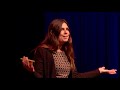
Dr. Karelle Siellez is a Lecturer in Physics at the University of Tasmania's School of Natural Sciences. Her research focuses on gravitational-wave physics, high-energy astrophysics, and time-domain astronomy, particularly in studying explosive cosmic events like gamma-ray bursts and neutron star mergers through multi-messenger approaches. She is a key member of the LIGO/Virgo/KAGRA collaboration and Associate Investigator at OzGrav. Academic Rank: Lecturer University: University of Tasmania School: School of Natural Sciences Department: Department of Physics Email: Karelle.Siellez@utas.edu.au Dr. Siellez's research encompasses: Gravitational-wave physics High-energy astrophysics Multi-messenger astrophysics Time-domain astronomy Gamma-ray bursts Kilonovae Neutron star mergers Cosmology Dark sky preservation Her academic contributions include: Over 130 refereed publications 2017 Breakthrough Prize in Fundamental Physics Leadership in citizen science platform development Collaboration with Tahitian institutions on French Polynesian telescope installation Advocacy for dark sky preservation in Tasmania Development of real-time pipelines for southern-hemisphere observatories Teaching & Supervision: Lecturer in first- to third-year physics Focus on multi-messenger astrophysics and time-domain astronomy Coordinator of "Electromagnetism and Thermodynamics" unit Honours and Doctoral supervision in gamma-ray bursts and neutron star mergers Pioneer in Aboriginisation of physics curriculum Planned 2026 course on General Relativity's astrophysical impact
جستوجوی استاد و پژوهشگر
استاد راهنما، استاد دانشگاه یا پژوهشگر مناسب برای مسیر پژوهشیتان را پیدا کنید و با او ارتباط بگیرید.
نمایش ۱-۱۳ از ۱۳ استاد راهنما
اطلاعات این پروفایلها از صفحات عمومی دانشگاهها جمعآوری شده و ممکن است بهروز نباشد.
Andrew Townshendمشاهده پروفایل
مدرس ارشد
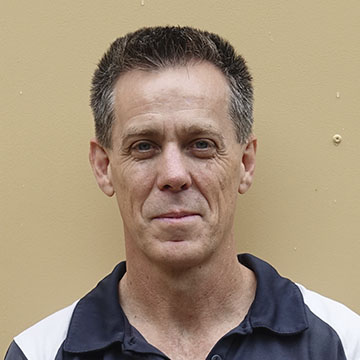
Dr Andrew Townshend is a Senior Lecturer and Head of Discipline (Exercise Science) at the School of Behavioural and Health Sciences, Australian Catholic University (ACU). He holds expertise in distance running, pacing strategies, interval training, and gait retraining. His research focuses on optimizing athletic performance through physiological and biomechanical analysis, with recent work on energy cost in runners, interval training variability, and elite adolescent athlete development. Education: Completed a Bachelor of Applied Science (Human Movement) at Queensland University of Technology (QUT) in 2006, followed by a PhD in 2010 examining hill-running pacing strategies. Professional roles include Head of Discipline since 2020 and Senior Lecturer since 2018. Research Interests: Combines field-based and laboratory studies to explore pacing strategies, gait mechanics, and training methodologies. Key areas include the impact of gait retraining on energy efficiency, individual responses to interval training, and seasonal adaptations in elite athletes. Awards: Recognized with the Australian Postgraduate Industry Award (2006), Australian Postgraduate Award (2008), and QUT’s Vice-Chancellor’s Performance Award (2011). Advising & Grants: Supervised seven postgraduate students to completion, focusing on high-performance sport topics. Active in grant applications related to sports performance research. Labs/Teams: Leads research within ACU’s Sports Performance, Recovery, Injury and New Technologies (SPRINT) Research Centre, collaborating on projects related to athlete development and performance optimization.

Adam Hulmeمشاهده پروفایل
پژوهشگر ارشد
Dr. Adam Hulme is a Research Fellow at the School of Public Health, University of Queensland, affiliated with Southern Queensland Rural Health. His work focuses on applying systems thinking methodologies to address complex challenges in public health, healthcare safety, and sports performance. He specializes in accident causation analysis using methods like AcciMap, Net-HARMS, and STAMP, and has pioneered initiatives such as the Cyclists Reporting of Incidents Tool (CRIT) to study cycling safety. His research bridges theoretical frameworks with practical applications, emphasizing interdisciplinary collaboration and evidence-based solutions. Key research interests include human factors and ergonomics, systems-based risk assessment, and the translation of complex systems theory into actionable interventions. He has contributed significantly to understanding overuse injuries in running, distracted driving behaviors, and the efficacy of student-led health clinics in rural settings. His publications highlight methodological rigor in accident analysis and systems evaluation, with a particular emphasis on healthcare process optimization and sports injury prevention. Ongoing projects explore computational modeling (e.g., agent-based simulations) to predict and mitigate risks in dynamic systems. Dr. Hulme’s work aligns with the University of Queensland’s commitment to addressing global health challenges through innovative research and community engagement.
Linda Shields is a distinguished Professor in the School of Nursing and Midwifery at James Cook University's College of Medicine and Dentistry. With over 100 publications spanning two decades, she has established herself as a leading academic in pediatric nursing and family-centered care. James Cook University, College of Medicine and Dentistry (current) Extensive research collaborations across Australian healthcare institutions International recognition for work in nursing history and ethics Professor Shields' research primarily focuses on family-centered care models in pediatric settings, with significant contributions to understanding how healthcare systems can better serve children and their families. Her work spans rural healthcare challenges, cystic fibrosis care, injury prevention in children, and the historical aspects of nursing practice. She has conducted numerous systematic reviews that have shaped evidence-based approaches to family-centered care in hospital settings. Analysis of Professor Shields' recent publications reveals a strong emphasis on vulnerable populations, including rural communities, Indigenous children, and families dealing with chronic illnesses like cystic fibrosis. Her research demonstrates consistent methodological rigor across qualitative, quantitative, and mixed-methods approaches. A distinctive thread throughout her work is the historical perspective she brings to contemporary nursing practice, particularly her investigations into nursing during the Holocaust and World War periods. Co-authored the book 'Nurses and Midwives in Nazi Germany: the "euthanasia programs"' Developed and validated questionnaires for measuring family-centered care perceptions Conducted landmark studies on low-speed vehicle run-over incidents in children Published influential critiques on the implementation gap in family-centered care Professor Shields has supervised numerous research projects examining the interactions between healthcare providers and families, with particular attention to how cultural factors, geographical isolation, and chronic conditions affect care delivery. Her work with interdisciplinary teams has produced valuable insights into improving healthcare experiences for children and their families across various settings, from tertiary hospitals to community services.
Sheon Chuaمشاهده پروفایل
پژوهشگر ارشد
Dr. Sheon Chua is a Research Fellow at the Centre for Gravitational Astrophysics within the College of Science at Australian National University. His research focuses on gravitational wave astronomy, particularly through participation in the LIGO-Virgo-KAGRA scientific collaboration. With over 79 publications spanning 2017-2024, Dr. Chua has made significant contributions to gravitational wave detection and analysis across multiple observing runs. Dr. Chua's research interests center on gravitational wave astronomy, with emphasis on compact binary coalescences, continuous gravitational wave searches, and multi-messenger astronomy. His work involves sophisticated data analysis techniques for extracting gravitational wave signals from detector noise, particularly for binary black hole and neutron star systems. He has contributed to major gravitational wave catalogs including GWTC-2.1 and GWTC-3, which document numerous compact binary mergers detected by the LIGO-Virgo network. Analysis of Dr. Chua's recent publications (2022-2024) reveals a strong focus on gravitational wave catalogs, multi-messenger astronomy connecting gravitational waves with electromagnetic signals, and specialized searches for continuous gravitational waves from known sources like Scorpius X-1 and supernova remnants. His work spans both detection of transient signals from compact binary mergers and persistent signals from rapidly rotating neutron stars. Dr. Chua's research is conducted within the international LIGO-Virgo-KAGRA collaboration, one of the largest scientific collaborations in physics, involving hundreds of researchers worldwide. His work at the Centre for Gravitational Astrophysics contributes to Australia's participation in this global effort to detect and understand gravitational waves, building on Australia's historical contributions to gravitational wave detection technology.
Joshua Mattock is a Lecturer in Clinical Biomechanics at the University of Wollongong, affiliated with the School of Medical, Indigenous and Health Sciences. His research focuses on sports science, injury prevention, biomechanics, and health sciences. He supervises higher-degree research students in areas like breast biomechanics, shoulder rehabilitation, and diabetes-related foot care. Mattock holds a Career Development Fellowship and has secured grants from World Rugby, the Australian Podiatry Education and Research Foundation, and internal University of Wollongong funding. His research spans sports injury mechanisms, footwear design, and clinical rehabilitation protocols. Notable projects include studies on breast injuries in women's sports, post-surgical shoulder stabilization rehabilitation, and foot morphology in netball players. He collaborates on equipment design improvements for sports-specific footwear, emphasizing gender differences and user needs. Mattock has contributed to over 20 peer-reviewed articles, with recent work published in the Journal of Science and Medicine in Sport and British Journal of Sports Medicine . His grants include developing breast injury prevention guidelines and assessing lower leg muscle function in medial tibial stress syndrome. He supervises PhD and MPhil students on topics such as breast biomechanics, diabetes foot care, and injury prevention. Recent supervisions include projects on criterion-based rehabilitation post-shoulder surgery and accessible off-loading devices for diabetic foot ulcers.

Associate Professor Suzanne Broadbent holds an academic position in Clinical Exercise Physiology at the University of the Sunshine Coast (UniSC), where she also coordinates the Bachelor of Clinical Exercise Science program. She previously held roles including Program Leader at Massey University (2005–2008), Senior Lecturer at Victoria University (2008–2011), and Head of the Masters of Clinical Exercise Physiology program at Southern Cross University (2011–2017). Her qualifications include a PhD in Exercise Science from Griffith University, a Bachelor of Exercise Science (Honours), and a Bachelor of Education from the University of Newcastle. Her research focuses on clinical exercise physiology applications across diverse populations, including patients with ME/CFS, cancer survivors, cardiopulmonary disorders, Parkinson’s Disease, and orthopaedic conditions. Key areas include exercise immunology, aquatic rehabilitation, and rural clinical program delivery. She collaborates with local hospitals and healthcare groups to advance translational research. Her scholarly work examines cellular mechanisms in exercise physiology, such as CD4+ lymphocyte activation, calcium/iron metabolism, and seasonal variations in immune function. Teaching responsibilities span Clinical Exercise Physiology and Exercise Science disciplines. She mentors HDR and Honours students in projects like aquatic exercise for ME/CFS and Parkinson’s rehabilitation, cancer exercise rehab, and orthopaedic surgery rehab protocols. Professional affiliations include accreditation with Exercise & Sports Science Australia (ESSA). No specific awards are noted, though her extensive publication record reflects sustained contributions to exercise science and clinical practice.
Patrick Campbell is a Lecturer in Exercise Science at the School of Behavioural and Health Sciences , Faculty of Health Sciences. His research focuses on physical fitness assessment, sports physiology, and wellness monitoring in athletic and occupational populations. Research Areas: Exercise science, fitness testing, physiotherapy applications Key Collaborations: Work with institutions studying law enforcement/military training and sports performance His recent publications examine predictive models for fitness testing, wellness responses to training loads, and rugby-specific conditioning. Studies include development of normative fitness data for Australian police recruits and analysis of physiotherapy interventions for military musculoskeletal injuries. While no formal awards are listed in this dataset, his work appears in leading journals such as the Journal of Strength and Conditioning Research and International Journal of Environmental Research and Public Health . Current research directions focus on optimizing load monitoring systems and improving occupational physical standards.

Dr. Evangeline Mantzioris is the Program Director of Nutrition and Food Sciences at the University of South Australia since 2018. As an Accredited Practising Dietitian and Accredited Sports Dietitian with 25+ years of experience, she bridges clinical dietetics, sports nutrition, and academic research. PhD in Omega-3 Fatty Acids (Flinders University, 1997) Bachelor of Nutrition and Dietetics (Flinders University, 1990) BSc (University of Adelaide, 1988) Her research focuses on: Omega-3 Fatty Acids in Human Health Mediterranean Diet and Its Applications Nutrition-Environment Interactions Sports Nutrition and Performance Recent publications highlight: Systematic reviews on Omega-3 Metabolism Books on Sports Nutrition (2024, 2020) Studies on Australian Dietary Patterns She contributes to the Journal of Nutrition and Dietetics as an Editorial Board member and supervises Research Degrees . Grants include NHMRC and ARC funding for fatty acid research and sustainable food systems.

Dr. Jennifer Mackney is an Honorary Lecturer in Physiotherapy at the School of Health Sciences within the College of Health, Medicine and Wellbeing at the University of Newcastle. She also serves as a Casual Lecturer at the School of Biomedical Sciences and Pharmacy. Professionally, she works as a Clinical Specialist Physiotherapist in Perioperative Medicine and a Respiratory Scientist at John Hunter Hospital (JHH), where she leads the prehabilitation services in the Hunter New England Local Health District (HNELHD). Dr. Mackney has been instrumental in developing the laboratory-based cardiopulmonary exercise testing service at JHH, which serves as the foundation for risk stratification and optimization for patients preparing for major, high-risk surgery. She has been involved with the University of Newcastle's Bachelor of Physiotherapy program since its inception, progressing from student educator to conjoint lecturer, lecturer, and most recently honorary lecturer. Doctor of Philosophy, Curtin University Bachelor of Applied Science (Physiotherapy), University of Sydney Master of Clinical Education, University of New South Wales Dr. Mackney's research focuses on cardiorespiratory physiotherapy, critical care, exercise physiology, prehabilitation, and rehabilitation. Her work primarily investigates functional outcomes in survivors of acute lung injury and critical illness, with particular emphasis on exercise capacity assessment using tools like the 6-minute walk test. She has been a key contributor to developing prehabilitation services for surgical patients, particularly those with cancer, aiming to improve postoperative outcomes and quality of life. Her recent research has centered on optimizing prehabilitation programs for cancer surgery patients, with a 2024 publication establishing standards for clinical trials in prehabilitation for colorectal surgery. Her work consistently demonstrates how exercise capacity metrics can predict recovery trajectories and inform rehabilitation strategies for patients recovering from critical illness and major surgery. Dr. Mackney has secured significant research funding, with 15 grants totaling over $1.3 million. Current major projects include "Improving equity of access to prehabilitation services in regional and rural NSW" ($801,957) and the "BOOST Trial – Better Outcomes for the Older Surgical patient Trial" ($301,544), both running from 2025-2027. She has completed supervision of 13 Honours students at the University of Newcastle, with research projects focusing on exercise capacity assessment in critical illness survivors, prehabilitation interventions, and respiratory rehabilitation techniques. Her supervisions have contributed significantly to understanding functional outcomes following intensive care and developing evidence-based rehabilitation approaches. Dr. Mackney leads the prehabilitation service team at Hunter New England Local Health District, which integrates cardiopulmonary exercise testing with tailored exercise programs to optimize surgical outcomes. Her team collaborates closely with surgical, medical, and allied health professionals to provide comprehensive preoperative risk assessment and intervention.
Alison Hillمشاهده پروفایل
مدرس ارشد
Dr. Alison Hill is a Senior Lecturer in Nutrition at UniSA Clinical & Health Sciences with dual expertise in physical activity and nutrition. Her research examines dietary patterns, bioactive nutrients, and performance nutrition, particularly for cardiovascular and cognitive health. She co-chairs the Adelaide Committee for the Nutrition Society of Australia and has conducted clinical interventions at Pennsylvania State University. Her current research focuses on three primary areas: 1) Nutrition and exercise interventions for cardiovascular health improvement, 2) Bioactive nutrients and their physiological impacts, and 3) Performance nutrition strategies for athletes. She employs clinical trials to investigate omega-3 fatty acids, dietary patterns, and exercise combinations.

Peter Robinsonمشاهده پروفایل
پژوهشگر
Dr. Peter Robinson is a Researcher at the University of Newcastle's School of Engineering, specializing in bulk material handling systems, particularly belt conveyors, bucketwheel reclaimers, and mineral filtration. His work focuses on applied research to translate findings into practical industry solutions. He holds dual degrees in Physics and Mechanical Engineering from the University of Newcastle and a PhD in conveyor system dynamics using FEA and numerical modeling. Dr. Robinson's career includes a consulting role with TUNRA Bulk Solids, where he addressed belt conveying challenges, and academia since 2016 as a Research Associate and Lecturer. His research employs FEA, numerical modeling (ANSYS, MATLAB), and experimental techniques to optimize conveyor systems, bucketwheel performance, maritime bulk cargo transport, and vacuum belt filters for mineral processing. He has received accolades such as the 2023 Dean's Commendation, 2021 Staff Excellence Award, and multiple HSE Leadership Awards. His teaching spans undergraduate courses like MECH4220 Bulk Materials Handling , MECH4410 Mechanics of Solids 2 and FEA , and MECH3110 Mechanical Engineering Design 2 . Key research outputs include advancements in rail-running conveyors, friction loss optimization, and self-heating standards for bulk commodities. He leads and collaborates on grants totaling $6.5M, addressing topics like conveyor maintenance systems, rail-running technology, and tailings management. Dr. Robinson's expertise bridges academia and industry, emphasizing innovation in mechanical design and bulk materials handling.
Patrick Yates-Jonesمشاهده پروفایل
پژوهشگر ارشد
Patrick Yates-Jones is a Research Fellow in Physics (Astronomy) at the School of Natural Sciences, University of Tasmania, where he has been employed since 2021, first as a Research Associate (2021-2024) and currently as a Research Fellow (2025-present). His work focuses on astronomy, satellite tracking, and data acquisition and processing within the Physics department at the Sandy Bay Campus. Dr. Yates-Jones holds a PhD in Physics and Astronomy (2017-2021), a Bachelor of Science with Honours in Astrophysics (2016), and a Bachelor of Science in Mathematics and Physics (2013-2015), all from the University of Tasmania. He also completed a Diploma of Modern Languages in French from the University of New England (2012-2015). His primary research interests span multiple areas of astronomy and astrophysics: Cosmology and extragalactic astronomy - studying the large-scale structure of the universe and distant galaxies High energy astrophysics and galactic cosmic rays - investigating energetic phenomena in our galaxy and beyond Astronomical instrumentation - developing new techniques for radio telescopes Astrodynamics and space situational awareness - tracking satellites and space debris His research particularly focuses on numerical modelling of plasma jets launched from Active Galactic Nuclei at the centers of distant galaxies and developing innovative radio astronomy instrumentation techniques for Australia's nationwide network of radio telescopes. Analysis of Dr. Yates-Jones' publication record reveals a strong focus on radio astronomy and AGN jet simulations . His work consistently explores the dynamics and observable signatures of radio jets in various environments, with increasing sophistication in modeling techniques over time. The research spans theoretical simulations, observational analysis, and instrumentation development, showing an integrated approach to understanding active galactic nuclei and their impact on galaxy evolution. Recent work has expanded into space situational awareness and satellite tracking applications. Dr. Yates-Jones has secured significant research funding, including: Co-I on an ALCG computing grant titled 'Towards More Realistic Modeling Of Supermassive Black Hole Jets In Galaxy Formation' for 45 MSU of computing time on the NCI Gadi supercomputer Participation in the Long Baseline Array (LBA) Observation project with CSIRO Astronomy and Space Science ($300,000) Space Seed Funding for 'next generation of space craft tracking software' from the Department of State Growth (Tas) ($44,330) As an educator, Dr. Yates-Jones has lecturing experience in Computational Physics (KYA320) and Games Physics (KIT212) at the University of Tasmania. He has supervised multiple doctoral students with current projects including 'Hybrid tracking of space junk,' 'Simulations of black hole jets,' and 'Radio Rainbows: Modelling the birth and rebirth of black hole jets.' His completed doctoral supervision includes Larissa Adele Jerrim's work on 'Magnetic Fields and Polarisation Properties of Radio Galaxies in Numerical Simulations.' He also has experience running labs, tutorials, and marking undergraduate Maths and Physics units.