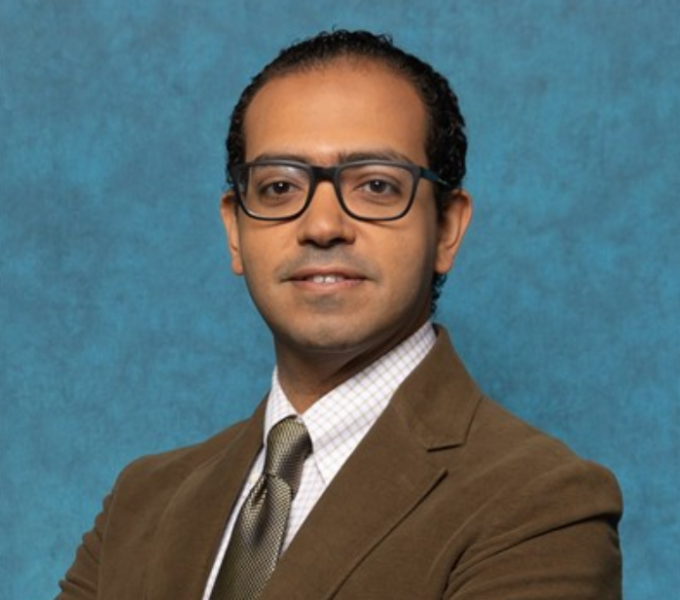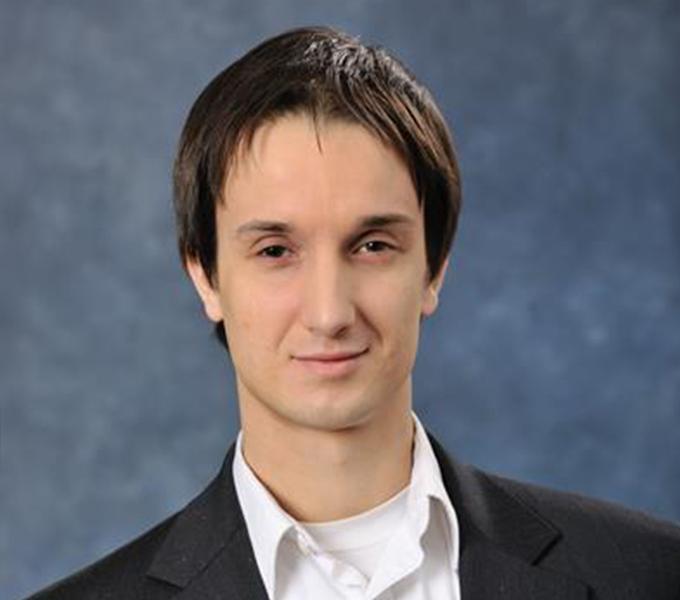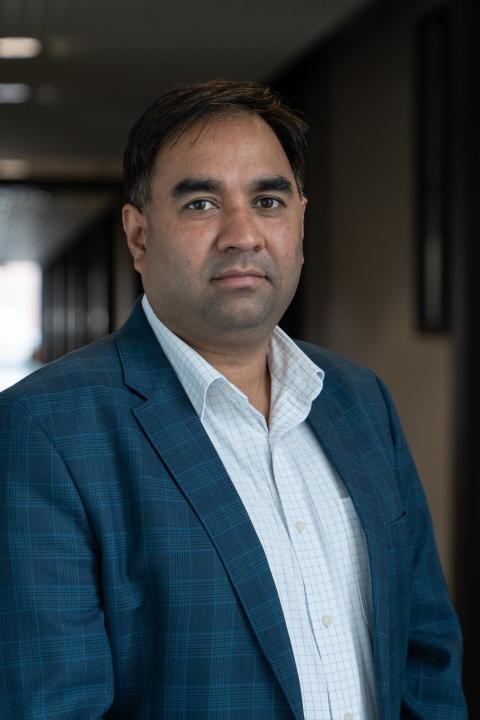
Harish Vashisth serves as Professor of Chemical Engineering & Bioengineering at the University of New Hampshire, where he teaches graduate courses including Advanced Chemical Engineering Thermodynamics and Computational Molecular Bioengineering. His research focuses on computational approaches to biomolecular problems with applications in therapeutic design and materials discovery. His educational background includes: Ph.D. in Chemical Engineering from Drexel University Bachelor of Technology in Chemical Engineering from National Institute of Technology Research Expertise: Dr. Vashisth specializes in Computational Biophysics, Chemical Physics, and Soft Matter Self-assembly. His laboratory employs molecular thermodynamics and statistical mechanics to investigate complex macromolecules including proteins, nucleic acids, and colloids. This work bridges fundamental biophysical principles with applications in drug design, biomaterials engineering, and artificial water channel development. Publication Trends: Analysis of 15 most recent publications (2023-2025) reveals dominant themes in viral peptide-receptor interactions, transmembrane domain dynamics, and light-responsive colloidal systems. His group consistently integrates molecular dynamics simulations with quantum chemistry methods, demonstrating strong interdisciplinary collaboration between computational and experimental approaches in biophysical chemistry. Scientific Recognition: No major awards or fellowships are documented in current profile Academic Leadership: Dr. Vashisth supervises doctoral research in chemical engineering and bioengineering, teaching core graduate courses while directing the Vashisth Research Group. His work has secured federal research funding for projects on biomolecular modeling and soft matter systems, particularly in biomimetic membrane development. Research Infrastructure: The Vashisth Research Group operates within UNH's Chemical Engineering & Bioengineering department, utilizing high-performance computing for molecular simulations. The lab collaborates extensively with experimental groups on projects involving artificial water channels, viral replication mechanisms, and novel biomaterials for Angstrom-scale separations.