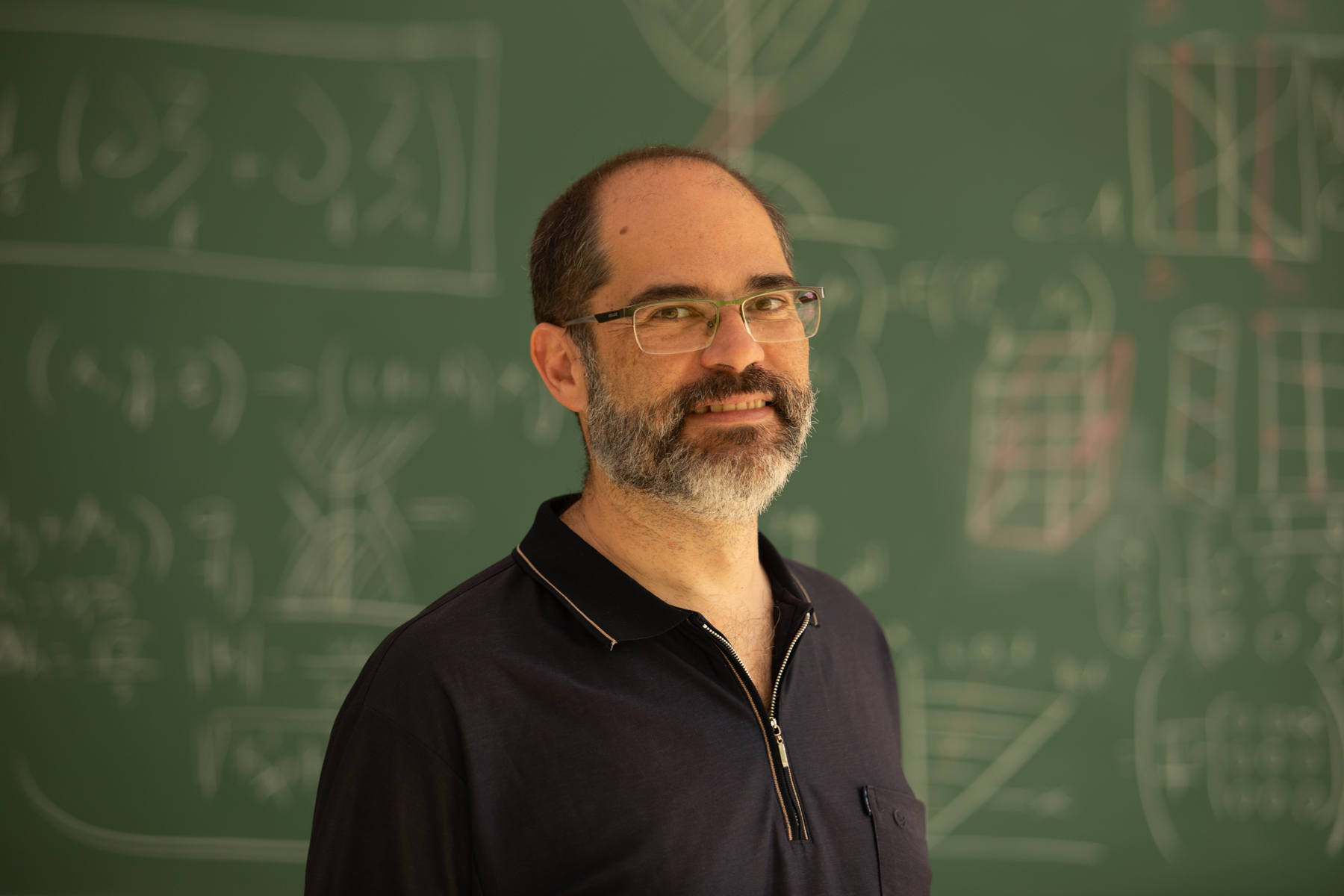
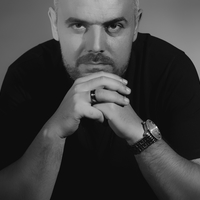
Gabriel Molina Terriza is a Research Professor at the Material Physics Center (MPC) in Donostia/San Sebastián, Spain, affiliated with the University of the Basque Country (EHU/UPV) and the DIPC . He leads the Quantum Nanophotonics Laboratory , focusing on quantum light-matter interactions at the nanoscale.
Professor Jörn Müller-Quade is a leading expert in cryptography and IT security at the Karlsruhe Institute of Technology (KIT). He serves as Director of the KASTEL — Institute for Information Security and Reliability at KIT and heads the Cryptography and Security research group. Müller-Quade is also the head of the "IT Security, Privacy, Law and Ethics" working group at the Learning Systems Platform initiated by the Federal Ministry of Education and Research. His work focuses on developing secure systems that can withstand intelligent attackers through rigorous mathematical models and cryptographic methods. Professor Müller-Quade's research spans multiple critical areas of modern digital security. His primary interests include cryptography, secure multi-party computations, privacy-preserving analytics, and the intersection of artificial intelligence with security systems. He investigates how to develop security properties that can be mathematically proven, particularly against intelligent adversaries who constantly develop new attack methods. His work on cryptographic voting procedures demonstrates how seemingly contradictory requirements like ballot secrecy and verifiable counting can be simultaneously achieved. Müller-Quade also explores how AI systems change IT security landscapes, creating both new vulnerabilities and potential defense mechanisms. Analysis of Professor Müller-Quade's publications reveals consistent focus on practical security applications with societal impact. His work spans election security, patient data protection, surveillance debates, and industrial espionage prevention. A recurring theme is the need for security systems that remain robust against previously unknown attacks. His publications show increasing attention to AI's dual role in security - both as a tool for attackers and defenders. The evolution of his work demonstrates growing emphasis on European digital sovereignty and the need for mandatory cybersecurity standards. Professor Müller-Quade's notable achievements include: Receiving the German IT Security Award in 2008 for his "Bingo Voting" system Initiating and directing KASTEL, which evolved from a competence center to a permanent institute at KIT Contributing to influential white papers on AI security and medical applications of AI Providing expert testimony on critical security issues to policymakers As Director of KASTEL — Institute for Information Security and Reliability, Müller-Quade leads a major interdisciplinary research effort that brings together cryptographers, IT security experts, software engineers, lawyers, and network specialists. The institute focuses on "Engineering Secure Systems" for economically and socially relevant fields including energy, mobility, and production. Müller-Quade emphasizes the importance of evaluating security in a comprehensive manner, noting that security engineering should ideally encompass all aspects of a system. His team works closely with existing infrastructures to develop practical security solutions that address real-world challenges.
Prof. Dr. Michael Kleine is a Professor of Mathematics Education at the Faculty of Mathematics, Bielefeld University since 2012. He specializes in mathematics didactics, focusing on developing diagnostic tools for identifying at-risk students, integrating origami into mathematical teaching, and exploring linguistic factors in mathematical task design. Research interests include enactive learning, blended learning environments, and mathematical modeling Actively involved in international collaborations (KMTUT Bangkok, Peking University) and ERASMUS+ projects Previously served as Professor at Weingarten University of Education (2008-2012) Recent publications emphasize experimental mathematics, geometric reasoning through origami, and linguistic complexity in mathematical tasks. He developed the DITOM diagnostic framework for early identification of mathematical learning challenges. Prof. Kleine combines theoretical research with practical teacher training, particularly for secondary education. His work bridges cognitive psychology, educational technology, and curriculum innovation.
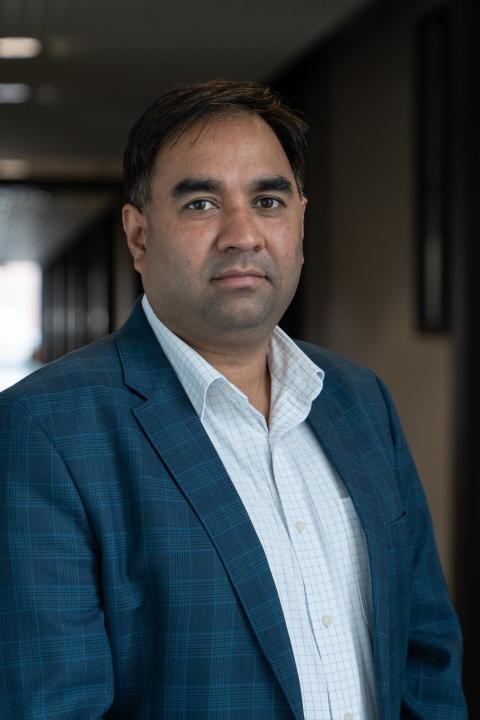
Harish Vashisth serves as Professor of Chemical Engineering & Bioengineering at the University of New Hampshire, where he teaches graduate courses including Advanced Chemical Engineering Thermodynamics and Computational Molecular Bioengineering. His research focuses on computational approaches to biomolecular problems with applications in therapeutic design and materials discovery. His educational background includes: Ph.D. in Chemical Engineering from Drexel University Bachelor of Technology in Chemical Engineering from National Institute of Technology Research Expertise: Dr. Vashisth specializes in Computational Biophysics, Chemical Physics, and Soft Matter Self-assembly. His laboratory employs molecular thermodynamics and statistical mechanics to investigate complex macromolecules including proteins, nucleic acids, and colloids. This work bridges fundamental biophysical principles with applications in drug design, biomaterials engineering, and artificial water channel development. Publication Trends: Analysis of 15 most recent publications (2023-2025) reveals dominant themes in viral peptide-receptor interactions, transmembrane domain dynamics, and light-responsive colloidal systems. His group consistently integrates molecular dynamics simulations with quantum chemistry methods, demonstrating strong interdisciplinary collaboration between computational and experimental approaches in biophysical chemistry. Scientific Recognition: No major awards or fellowships are documented in current profile Academic Leadership: Dr. Vashisth supervises doctoral research in chemical engineering and bioengineering, teaching core graduate courses while directing the Vashisth Research Group. His work has secured federal research funding for projects on biomolecular modeling and soft matter systems, particularly in biomimetic membrane development. Research Infrastructure: The Vashisth Research Group operates within UNH's Chemical Engineering & Bioengineering department, utilizing high-performance computing for molecular simulations. The lab collaborates extensively with experimental groups on projects involving artificial water channels, viral replication mechanisms, and novel biomaterials for Angstrom-scale separations.
Kevin D. Wu serves as Associate Professor of Clinical Psychology in the Department of Psychology at Northern Illinois University, where he directs the NIU Anxiety and Obsessive-Compulsive Disorders Lab. He teaches undergraduate courses including PSYC 316 (Introduction to Psychopathology) and PSYC 413 (Clinical Laboratory), alongside graduate courses such as PSYC 641 (Psychopathology), PSYC 642 (Personality Assessment), and PSYC 654 (Clinical Practicum). Dr. Wu earned his Ph.D. from the University of Iowa in 2004, establishing his research foundation in dimensional psychopathology models. His educational trajectory reflects specialized training in clinical assessment and experimental methodology. His research program fundamentally investigates psychopathology as continuous dimensions rather than discrete categories, with obsessive-compulsive disorder (OCD) as the primary focus. Key research thrusts include: Cognitive mechanisms underlying OCD symptoms through laboratory-based behavioral tasks Cross-cultural equivalence in psychopathology assessment across diverse populations Transdiagnostic processes like intolerance of uncertainty and experiential avoidance Experimental modification of dysfunctional cognitive interpretations Current projects specifically target cognitive processes in OCD and validation of assessment instruments across racial groups. Analysis of Dr. Wu's publication record (2013-2025) reveals consistent methodological evolution from questionnaire-based studies to sophisticated experimental paradigms. His work demonstrates growing emphasis on diversity factors in psychopathology assessment while maintaining core focus on OCD symptom structures. The research portfolio shows strong integration of cognitive models with clinical applications, particularly in behavioral approach tasks and cognitive bias modification. Dr. Wu has secured research funding including a Dissertation Grant as Principal Investigator from the University of Minnesota Press: Minnesota Assessment Instruments (2001-2003) for "Obsessive-Compulsive Disorder: Symptom structure and relations to personality assessed with the SNAP." He mentors lab members conducting projects spanning social anxiety, depression rumination, mindfulness, pathological gambling, thought-action fusion, perfectionism, and hoarding. The NIU Anxiety and Obsessive-Compulsive Disorders Lab operates from PM 311 Education, utilizing dual-method approaches combining self-report questionnaires with experimental behavioral tasks to investigate OCD mechanisms. The lab maintains active collaborations reflected in multi-author publications across clinical psychology journals.
Hiroaki Matsunami is a Professor of Molecular Genetics and Microbiology at Duke University, holding the Minnie Geller Distinguished Professorship in Genetics. He also serves as Professor of Neurobiology, Professor of Cell Biology, Member of the Duke Cancer Institute, Faculty Network Member of the Duke Institute for Brain Sciences, and Associate of the Duke Initiative for Science & Society. His research has significantly advanced our understanding of chemosensory mechanisms at the molecular level. Dr. Matsunami earned his Ph.D. from Kyoto University (Japan) in 1996 and has since established himself as a leading expert in chemosensation research. His academic journey spans multiple departments reflecting the interdisciplinary nature of his work bridging genetics, neuroscience, and molecular biology. Dr. Matsunami's laboratory investigates the molecular mechanisms underlying chemosensation (taste and smell) in mammals, focusing on G-protein coupled receptors (GPCRs). His team explores how tens of thousands of chemicals interact with over one thousand chemosensory receptors, how information is coded in sensory cells and the brain, and the mechanisms underlying development and regeneration of sensory cells. Their work has identified key receptor families for bitter and sweet compounds and elucidated the genetic basis for individual differences in taste and smell perception. Analysis of Dr. Matsunami's extensive publication record reveals a consistent focus on odorant receptor structure and function, with an increasingly sophisticated approach incorporating structural biology, computational modeling, and advanced genomic techniques. His recent work demonstrates significant progress in understanding the molecular basis of odor discrimination, receptor trafficking mechanisms, and the evolutionary adaptations of chemosensory systems across species. AAAS Fellow (2012) Minnie Geller Distinguished Professor in Genetics Dr. Matsunami leads multiple major research initiatives including 'Mechanisms of Odor Detection and Discrimination' (2025-2030) and 'STRUCTURAL DYNAMICS IN HUMAN ODORANT RECEPTOR FUNCTION' (2023-2028). His laboratory has developed innovative methods for studying odorant receptors, including heterologous expression systems and targeted transcriptomics approaches to map olfactory receptor expression in the brain. His work bridges basic science with potential clinical applications for sensory disorders. Dr. Matsunami directs a multidisciplinary research team at Duke that combines molecular biology, genome informatics, and genetic approaches to investigate taste and smell mechanisms. His laboratory has made significant contributions to understanding receptor trafficking through proteins like RTP1S, the structural basis of odor recognition, and the genetic variations that underlie individual differences in sensory perception across human populations.
Eric C. Chaffee is the John C. Hutchins Professor of Law at Case Western Reserve University School of Law, where he also serves as Associate Dean of Graduate Studies and Strategic Programs, Director of the Compliance Risk Management and Financial Integrity Institute, and Co-Director of the Center for Business Law. An elected member of the American Law Institute and Fellow of the American Bar Foundation, he is a leading scholar in business law, securities regulation, taxation, and the law of emerging technologies. Education Juris Doctor, University of Pennsylvania Law School Bachelor of Arts, The Ohio State University Research Interests Professor Chaffee’s scholarship is organized around three core pillars: The evolving governance of business organizations, with emphasis on choice-of-entity implications for purpose, fiduciary duties, and stakeholder accountability. The regulation of securities markets and investment vehicles, including the intersection of federal securities law with FinTech, cryptocurrencies, and virtual worlds. The integration of emerging technologies—artificial intelligence, blockchain, and data analytics—into legal compliance and transactional practice. Across these domains he employs interdisciplinary perspectives drawn from behavioral economics, corporate theory, and comparative regulation to advance both doctrinal understanding and practical reform. Publication Landscape Spanning more than two decades, his work has appeared in flagship journals such as the Boston College Law Review, Ohio State Law Journal, UC Davis Law Review, and Washington & Lee Law Review, as well as specialty publications at Stanford, NYU, Penn, and Michigan. The fifteen most recent articles (2017-2025) reveal intensifying focus on the Roberts Court’s securities jurisprudence, the regulatory challenges posed by cryptocurrencies and decentralized finance, and the theoretical underpinnings of the business trust. Professional Honors & Leadership Elected Member, American Law Institute Fellow, American Bar Foundation Chair, AALS Sections on Business Associations; Nonprofit & Philanthropy Law; Internet & Computer Law (past); Securities Regulation (past) Co-Founder & Executive Committee Member, National Business Law Scholars Conference Repeated service as Chair or Member on ABA accreditation site-visit teams Advising, Grants & Outreach As Associate Dean of Graduate Studies and Strategic Programs, Professor Chaffee oversees all non-J.D. offerings, including the Compliance & Risk Management Program that reports 100 % job placement. He has previously served as Associate Dean for Research and Faculty Development at two other institutions, curating workshop series, symposia, and extramural grant initiatives. He is regularly retained as an expert witness in high-stakes corporate litigation and provides board-level counsel to tax-exempt organizations. Laboratories & Teams He directs the Compliance Risk Management and Financial Integrity Institute , an interdisciplinary hub that partners with regulators, industry, and technologists to design compliance frameworks for financial institutions, FinTech start-ups, and multinational corporations.
Meneghini Vasco is a Fixed-term Researcher (RTD-A) in Human Histology at Vita-Salute San Raffaele University's School of Medicine and Surgery in Milan, Italy. His academic career spans prestigious institutions including San Raffaele-Telethon Institute for Gene Therapy (SR-Tiget), Imagine Institute of Genetic Diseases in Paris, and University of Piemonte Orientale. Ph.D. in Food and Pharmaceutical Biotechnologies, University of Piemonte Orientale (2010) Master Degree in Industrial Biotechnology, University of Milan-Bicocca (2006) Bachelor in Molecular Biotechnology, University of Milan-Bicocca (2003) Dr. Meneghini's research focuses on gene therapy for lysosomal storage diseases , CRISPR/Cas9 genome editing applications , and neural stem cell engineering . His work integrates advanced techniques in viral vector development, iPSC modeling, and hematopoietic stem cell manipulation to address neurological and hematological disorders. Current projects emphasize AAV vector optimization, immune response characterization, and developing allele-specific editing strategies for neurodegenerative conditions. His publication record reveals a strong emphasis on translational neuroscience and regenerative medicine , with recent work (2022-2025) concentrating on AAV vector immunogenicity, neural stem cell safety profiles, and combinatorial genome editing approaches for sickle cell disease. Key trends include developing safer CNS delivery systems, optimizing iPSC-derived neural models, and advancing precision editing techniques for monogenic disorders. NextGenerationEU-PNRR grant, Italian Ministry of University and Research (2022) BGTC AAV Biology research program (Co-PI), Foundation for the National Institutes of Health (2022) Marie Skłodowska Curie Actions Individual Fellowship (2020) Ricerca Finalizzata - Giovani Ricercatori grant, Italian Ministry of Health (2019) Sanofi iAwards Europe (2019) As Project Leader at SR-Tiget's Gene and Neural Stem Cell Therapy Unit, Meneghini directs research on lysosomal storage disease therapies while serving on editorial boards for Frontiers journals. His collaborative network spans European and American gene therapy consortia, with significant contributions to international sickle cell disease research initiatives and European Leukodystrophies Association family-researcher engagement programs. Meneghini maintains active laboratory operations at San Raffaele-Telethon Institute, leading a multidisciplinary team focused on vector development, neural stem cell characterization, and preclinical validation of gene editing approaches. His group collaborates extensively with clinical teams at San Raffaele Hospital and international consortia including the European Society of Gene and Cell Therapy.
Jan-Willem van de Meent is an Associate Professor at the University of Amsterdam where he co-directs the AMLab with Max Welling. He also maintains an Assistant Professor position at Northeastern University, though currently on leave while continuing to advise students and collaborate. His research develops AI models by combining probabilistic programming and deep learning, focusing on understanding inductive biases that enable models to generalize from limited data. His research spans multiple domains: Probabilistic programming frameworks and inference methods Inductive biases for generalization from limited data Physical system simulators incorporating domain knowledge Causal structure and symmetries in AI models Applications in robotics, NLP, healthcare, and physical sciences Van de Meent is one of the creators of Anglican, a probabilistic programming language based on Clojure, and currently develops Probabilistic Torch, a library for deep generative models extending PyTorch. He is writing a book on probabilistic programming (draft available on arXiv) and serves as co-chair of the international conference on probabilistic programming (PROBPROG). His recent publications show a strong trend toward developing more efficient inference methods for probabilistic models, exploring disentangled representations across vision and language domains, and applying these techniques to healthcare, robotics, and neuroscience. His work on nested variational inference, energy-based models, and state abstraction in reinforcement learning has been particularly influential. Awards and Recognition NSF CAREER award (2021) Van de Meent actively advises multiple PhD students and postdocs across interdisciplinary projects. His lab maintains strong collaborations with researchers in robotics, healthcare, neuroscience, and other scientific domains, applying advanced probabilistic modeling to challenging real-world problems. He also develops practical tools for the research community, making advanced inference techniques more accessible to practitioners.
Óscar Ferreiro-Vázquez is a full-time Lecturer in the Department of Translation and Linguistics at the University of Vigo , where he teaches at undergraduate, postgraduate, and doctoral levels. He coordinates the Excellent University Master's Degree in Translation for International Communication (MTCI) and co-directs the Specialist Title in Translation for the Video Game Industry (ETIV), while promoting the ETIV-UVigo awards for video game localization. Born in Fribourg, Switzerland PhD in Translation and Interpreting with International Mention (2016, University of Vigo) Sworn translator qualified by Galicia's Language Policy Secretariat External evaluator for Erasmus Accreditation applications (KA120) His research focuses on historical translation practices during the Spanish conquest , hip-hop as a globalizing cultural expression , and ideological aspects of fascist paratranslation . His recent publications analyze paratranslation in X-Men comics, video game localization ethics, and gender representation in gaming industries. He leads the Translation & Paratranslation (T&P) research group and has conducted studies in French, Portuguese, Polish, Romanian, and Belgian institutions. Scientific Awards : Extraordinary Doctoral Award, University of Vigo (2016) With over 1,500 hours of professional training experience and five years leading translation teams for 100+ companies, Ferreiro-Vázquez bridges academic research with industry applications through projects like Avoo for game accessibility and ETIV-UVigo for industry translation awards. His work combines traditional translation history with contemporary digital media analysis.
Femke van Beek is an Assistant Professor in the Robotics section of the Department of Mechanical Engineering at Eindhoven University of Technology. Her research focuses on integrating soft robotics with haptic perception to develop autonomous robots with tactile sensing capabilities, particularly for agricultural applications within the 4TU Green Sensors project . She employs VR/AR experiments to study human haptic perception and design bio-inspired sensors. Academic Background : PhD in Psychonomics and Cognitive Psychology (Vrije Universiteit Amsterdam), MSc in Sensory Biology and Biomechanics (Wageningen University), and BSc in Biology (Wageningen University). Her research spans soft robotics , haptic feedback , and human-in-the-loop engineering , emphasizing practical sensor design and robotic movement optimization. Recent work includes open-source platforms for real-time control of soft robots and studies on vibrotactile vs. auditory feedback in tele-operation. Scientific Awards : Eurohaptics Society PhD Award (2017)
Dr. Janice Brahney is an Associate Professor in the Department of Watershed Sciences within Utah State University's College of Natural Resources. Her research investigates watershed systems as integrated environmental units connecting climatology, hydrology, geology, and ecology, with particular focus on lakes as indicators of global change. She maintains active laboratory facilities and directs graduate research in biogeochemistry and paleolimnology. PhD in Geosciences (Biogeochemistry), University of Colorado, 2012 MS in Earth Science (Paleolimnology/Quaternary Geoscience), Simon Fraser University, 2007 BS in Environmental Sciences (Geology), Simon Fraser University, 2004 Her research program centers on three interconnected themes: anthropogenic controls on nutrient cycles, climate impacts on freshwater ecosystems, and applications of geochemistry to aquatic ecology. Recent work demonstrates how dust deposition alters lake productivity and community composition, while wildfire smoke inputs create novel nutrient pathways. She pioneered investigations into atmospheric microplastic transport and its watershed-scale implications, revealing plastic deposition even in protected areas. Her laboratory employs multi-proxy approaches including geochemical fingerprinting, paleolimnological reconstructions, and experimental manipulations to address critical questions in environmental change. Analysis of her 15 most recent publications (2021-2025) reveals strong emphasis on dust-mediated nutrient transport (33%), microplastic pollution dynamics (20%), and climate-wildfire interactions affecting water quality (17%). Key methodological innovations include advanced spectroscopy for nanoplastics detection and novel dust source characterization techniques. Her work consistently bridges fundamental biogeochemical processes with applied watershed management challenges. QCNR Graduate Mentor of the Year (2021) QCNR Faculty Researcher of the Year (2020) Editor's Award for Highly Cited Research in Aeolian Research (2016) Elizabeth Sulzman Award, 2nd Place (2014) Mercer Patriarch Publication of the Year Award (2011) Dr. Brahney has mentored 19 graduate students to completion since 2017, with current advisees pursuing research on dust impacts, microplastic cycling, and climate-lake interactions. Her laboratory receives funding from NSF, USGS, and EPA programs focused on critical zone processes and emerging contaminants. She leads the Environmental Biogeochemistry and Paleolimnology Laboratory, which maintains specialized facilities for sediment analysis, water chemistry, and paleoenvironmental reconstruction. Current projects include the DUST² Project investigating modern dust systems across southwestern North America and multi-institutional convergence research on watershed-scale microplastic pollution.
Giorgio Mangino is an Associate Professor at the Department of Medical-Surgical Sciences and Biotechnologies, Faculty of Pharmacy and Medicine, Sapienza University of Rome. His research focuses on HPV tumor microenvironment, exosomes and microvesicles, Signal Transduction, microRNA, and inflammatory diseases. With a career spanning multiple decades, he has established himself as a leading researcher in viral oncology and immunology, particularly in understanding how HPV oncoproteins modulate cellular signaling and immune responses. Dr. Mangino earned his Laurea in Biological Sciences with highest honors (110/110 cum laude) from Sapienza University of Rome in 1995, followed by a PhD in Immunological Sciences in 2006. His educational journey included specialized training in flow cytometry, biostatistics, and English language proficiency (Trinity College Grade 7 certification). He has held various research positions at University of Rome Tre and Sapienza University before securing his current position as Associate Professor. His research trajectory evolved from early studies on interferon signaling in erythroleukemic cells, through investigations of HIV-1 Nef protein's effects on macrophage signaling, to his current focus on HPV-induced carcinogenesis. Dr. Mangino has made significant contributions to understanding how viral proteins manipulate host cell signaling pathways, particularly regarding Nef's role in inducing proinflammatory states and HPV oncoproteins' effects on microRNA expression and tumor microenvironment modulation. Dr. Mangino's recent publications reveal a strong emphasis on translational research, particularly in developing extracellular vesicle-based biomarkers for skin cancer diagnosis and understanding immune profiles in autoimmune disorders. His work bridges fundamental virology with clinical applications, demonstrating consistent evolution from basic mechanisms to potential diagnostic and therapeutic approaches. Scientific Awards: Seymour and Vivian Milstein Travel Award (2005, 2006, 2007, 2011) Eurovirology Travel Grant (2007) Best Poster Award of Società Italiana di Virologia (2008) As a cytometrist, Dr. Mangino collaborates extensively across multiple research projects requiring advanced cellular analysis techniques. He has served as thesis advisor for numerous Master's students and teaches courses in immunology, virology, and laboratory medicine. His current research projects focus on extracellular vesicle-based diagnostics for skin lesions, biomarker discovery in actinic keratosis progression, and immune profiling of patients receiving cancer immunotherapies. Dr. Mangino directs the Flow Cytometry Laboratory at Sapienza University, supporting a wide range of research initiatives within the Department of Medical-Surgical Sciences and Biotechnologies.
Nico Pietroni is a Professor at the School of Computer Science at the University of Technology Sydney (UTS), where he conducts research at the intersection of geometry processing, digital fabrication, and architectural geometry. His work bridges theoretical foundations in computational geometry with practical applications in industrial production pipelines, and he is affiliated with the Visualisation Institute (VI) Research Network at UTS. His primary research interests include geometry processing, mesh parametrisation, digital fabrication, architectural geometry, and computational design. He has pioneered techniques such as FlexMaps for computational design of flat flexible shells and Metamolds for computational design of silicone molds. His research focuses on developing concepts and practical algorithms for the creation and manipulation of digital shape representations, with applications spanning entertainment industry, digital fabrication, and architectural geometry. His recent publications demonstrate a strong trend toward computational methods for digital fabrication and architectural applications. His work spans from garment design and alteration to architectural structures like grid shells and bending-reinforced structures. He has developed innovative approaches for surface approximation, mesh processing, and computational design that address practical challenges in manufacturing and construction, with particular emphasis on reducing manufacturing complexity while maintaining design integrity. Wynne Prize finalist for "Bending the Light" artwork, exhibited at the Art Gallery of New South Wales Professor Pietroni has supervised numerous research students working on projects related to geometry processing, digital fabrication, and computational design. His funded research includes projects such as "Digital Optimization of Personalised Spacesuit" and "CRC-P Shoulder Replacement Implant Design for Additive Manufacturing," demonstrating the practical applications of his work across diverse fields from space research to medical technology. He has secured multiple research grants totaling significant funding for computational design research. He has developed several influential software projects including MeshLab (an open-source system for 3D mesh processing that won the SGP Software Award in 2017), HexaLab (an online viewer for hexahedral meshes), and QuadMixer (for layout-preserving blending of quadrilateral meshes). His work has been widely adopted by both academic researchers and industry practitioners in fields ranging from entertainment to architecture to medical technology.
Associate Professor Kayleen Manwaring is a leading academic in the School of Private & Commercial Law at the University of New South Wales Faculty of Law & Justice. With expertise spanning law and technology, consumer protection, contract law, and emerging technologies, she directs undergraduate legal studies and serves on UNSW's Academic Board. Her interdisciplinary research bridges legal frameworks with technological innovation, particularly in cyber-physical systems and digital consumer protection. Associate Professor, School of Private & Commercial Law, UNSW Faculty of Law & Justice Director of Undergraduate Studies (Law) Member, UNSW Academic Board Member, UNSW Institute for Cyber Security Member, UNSW AI Institute Research Committee, Consumer Policy Research Centre Professor Manwaring's research focuses on the intersection of sociotechnical change and private/commercial law, with particular emphasis on cyber-physical technologies, the Internet of Things, cybersecurity, privacy, and emerging regulatory challenges for AI and quantum computing. Her work addresses critical issues including digital consumer manipulation, software licensing, competition law implications, and contracting practices in digital environments. She examines how traditional legal frameworks must adapt to address novel challenges posed by increasingly interconnected technologies and data ecosystems. Her extensive publication record spans 31 journal articles, 5 book chapters, and numerous conference presentations, with research cited by major national and international bodies including the Australian Law Reform Commission, World Economic Forum, and United States Department of Commerce. Current research projects include 'Challenges for a Cyber-Physical World,' 'right to repair' initiatives for connected devices, and quantum technologies regulation. Chinese University of Hong Kong Law Visiting Fellowship (2025) Singapore Management University Yong Pung How School of Law Visiting Scholar (2024) UNSW Allens Hub for Technology, Law & Innovation Senior Research Fellowship (2022-2023) Winner, Google Prize for best postgraduate paper (2018) Shortlisted for Best journal article, Australian Legal Research Awards (2022, 2023) ARC Postgraduate Council Course Coordinator of the Year Award (2021) Professor Manwaring supervises multiple PhD candidates and has received significant research funding, including grants from the Cyber Security Cooperative Research Centre, UNSW Allens Hub, and International Association of Privacy Professionals. Her industry experience as a commercial lawyer informs her practical approach to legal education and research, with teaching spanning law and technology, contract law, online content regulation, and corporations law.