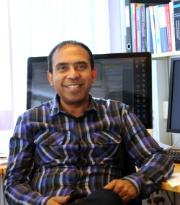
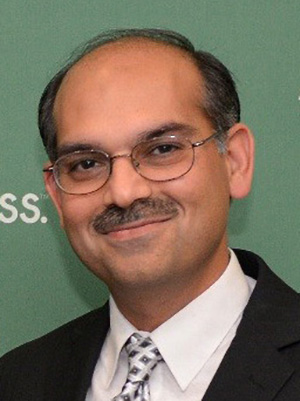
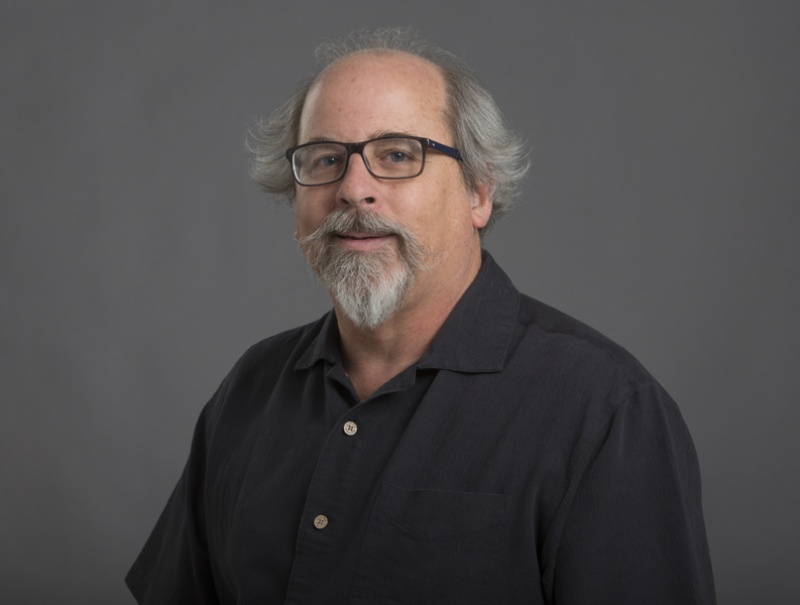
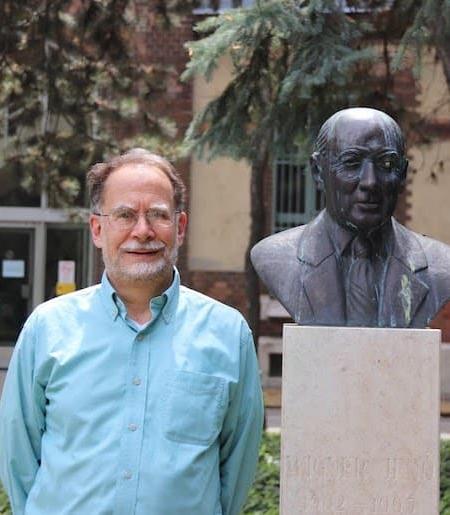
Abhik Ghosh is a full Professor of Inorganic and Materials Chemistry at the Department of Chemistry, UiT The Arctic University of Norway , where he has been since 1996. He leads the UiT Center for Sustainable STEM Education since 2021, focusing on sustainability and diversity in STEM pedagogy. Editorial board member for Journal of Biological Inorganic Chemistry , Journal of Inorganic Biochemistry , and Journal of Porphyrins and Phthalocyanines 2022 European Academy of Sciences member and Hans Fischer Career Award recipient Co-author of Arrow Pushing in Inorganic Chemistry (Wiley, 2014), which won the 2015 PROSE Award His research spans porphyrin analogues and their applications in medicine ( photodynamic/photothermal cancer therapy, antimicrobial treatments ) and renewable energy ( dye-sensitized solar cells, catalysis ). Recent publications highlight computational studies on metal complexes, 5d metal corroles, and fluorinated materials. Scientific honors include: 2015 PROSE Award for Best Textbook Hans Fischer Career Award (2022) European Academy of Sciences member (2022) Abhik innovates in education through his Arrow Pushing textbook and student-led research projects, with over 30 bachelor/exchange students co-authoring publications from his lab. He also advocates for LGBTQ+ inclusion in chemistry.
Jyoti Shah serves as Distinguished Research Professor and Chair of the Department of Biological Science at the University of North Texas, where he leads research in plant defense mechanisms since joining in 2007 after rising to Associate Professor at Kansas State University. His educational background includes: B.Sc. in Microbiology and Biochemistry (1983) from University of Bombay M.Sc. in Microbiology (1985) from University of Bombay Ph.D. in Biology (1991) from University of Notre Dame under Mary J. Clancy Shah's research program centers on plant-pathogen and plant-insect interactions, with particular focus on lipid signaling in stress responses. His lab pioneered model systems for studying aphid resistance and discovered novel roles for diterpenoids like dehydroabietinal in plant immunity and reproductive development. Current applications target engineering Fusarium head blight resistance in wheat through oxylipin pathway manipulation. His 15 most recent publications (2018-2022) reveal consistent emphasis on lipid-mediated defense signaling across multiple stress contexts, with recurring themes in aphid resistance mechanisms, diterpenoid signaling, and translational crop protection strategies. The work predominantly utilizes Arabidopsis thaliana models while increasingly incorporating wheat pathology applications. Shah's honors include UNT's University Distinguished Research Professor title, reflecting his 100+ publications with 8000+ citations. He mentors graduate students through UNT's Biochemistry & Molecular Biology program and currently leads three major USDA-funded projects: Developing New Technologies for Fusarium Head Blight resistance ($221,256; 2021-2024) Facilitation of Fusarium graminearum invasiveness by plant 9-lipoxygenase ($493,867; 2020-2023) Generating pathogen-resistant non-GMO cotton ($296,000; 2021-2024) His laboratory specializes in lipidomic analysis of plant stress responses and has developed key tools for studying phloem-feeding insect interactions, maintaining active collaborations with USDA-ARS and cotton research programs.
Thomas DeCoursey is a Professor in the Department of Physiology and Biophysics at Rush Medical College, Rush University. His research focuses on the properties and biological functions of ion channels, with a major emphasis on the voltage-gated proton channel (Hv1). Dr. DeCoursey maintains an active laboratory and has been continuously funded by the NIH, including receiving the prestigious R35 Outstanding Investigator Award from 2018-2023. Dr. DeCoursey's research explores how proton channels function in various biological contexts, particularly in immune cells such as neutrophils and eosinophils. His work has demonstrated that proton channels play a critical role in extruding acid from cells during the respiratory burst, which is essential for the proper functioning of NADPH oxidase, the enzyme responsible for generating reactive oxygen species to kill bacteria and parasites. His laboratory has made significant contributions to understanding the dimeric structure of proton channels and how they gate cooperatively. Analysis of Dr. DeCoursey's recent publications reveals a continued focus on proton channel structure-function relationships, with increasing exploration of their roles in diverse biological systems including cardiac cells, cancer cells, and reproductive cells. His work spans from fundamental biophysical mechanisms to potential biomedical applications, demonstrating the broad relevance of proton channel research. 1974 Valedictorian, McPherson College 1980-1981 Honorary Research Fellow, University of Glasgow 2001 Co-organizer of First International Proton Channel Meeting 2003 Invited talk at 126th Nobel Symposium 2018-2023 R35 Outstanding Investigator Award, NIH-GM Dr. DeCoursey's educational background includes a PhD from the University of Cincinnati College of Medicine and a BA from McPherson College, Kansas. His laboratory continues to be a leader in proton channel research, with numerous publications in high-impact journals and active collaborations with researchers worldwide, particularly with Dr. Vladimir V. Cherny.
Roger F. Loring is a Professor in the Department of Chemistry and Chemical Biology at Cornell University, affiliated with the College of Arts and Sciences. His research focuses on nonequilibrium statistical mechanics, dynamical processes in liquids, and nonlinear spectroscopy. He employs semiclassical approximations to model time-dependent quantum mechanics, particularly in multidimensional molecular spectroscopy applications. Education: BS, University of California, Davis PhD, Stanford University Postdoc, University of Rochester His research integrates theoretical methods to interpret molecular motions in condensed phases, linking phenomena such as biological processes, liquid-phase chemical reactions, and materials' mechanical properties. Over decades, his publications have emphasized semiclassical thermofield dynamics, classical trajectory simulations, and dielectric fluctuations in nanoscale systems. Current Teaching (2025): CHEM 4770 (Introduction to Physical Chemistry Research) in Spring and Fall semesters, and CHEM 7960 (Statistical Mechanics) in Fall 2025.
Doreen Geller Leopold serves as an Associate Professor and Distinguished University Teaching Professor in the Department of Chemistry at the University of Minnesota. Her research laboratory is located in 211 Smith Hall (207 Pleasant Street SE, Minneapolis, MN 55455), with contact details including email dleopold@umn.edu and phone (612) 626-2047. Her research program focuses on Chemical Physics and Experimental Physical Chemistry, utilizing anion photoelectron spectroscopy and flow tube ion-molecule reaction techniques to investigate gas-phase structures and reactivities of metal dimers, clusters, and organometallic complexes. Key interests include electron affinity measurements, vibrational frequency analysis, and computational modeling via density functional theory to interpret bonding energetics and metallic property evolution. This work bridges experimental spectroscopy with theoretical frameworks to advance catalyst design and nanoscale material understanding. No formal scientific awards or fellowships were specified beyond her Distinguished University Teaching Professor title. The source material omitted details regarding graduate student mentorship and research funding. However, her recent work includes characterization of the NbMo − anion featuring a rare sextuple bond, as highlighted in Journal of Physical Chemistry communications.
Milan R. Milovanović is a Scientific Associate at the Innovative Centre of the Faculty of Chemistry, University of Belgrade, Serbia, within the Department of General and Inorganic Chemistry. His academic career is rooted in the University of Belgrade, where he completed all his degrees and has been employed since 2018. His educational background includes: BSc in Chemistry (2007-2012), University of Belgrade - Faculty of Chemistry MSc in Chemistry (2012-2013), University of Belgrade - Faculty of Chemistry PhD in Chemistry (2013-2018), University of Belgrade - Faculty of Chemistry Dr. Milovanović's research spans non-covalent interactions , computational chemistry , coordination and organometallic chemistry , medicinal chemistry , bioinorganic chemistry , isothermal titration calorimetry (ITC) , and supramolecular chemistry . He integrates crystallographic data from the Cambridge Structural Database with quantum chemical calculations to investigate molecular behavior, particularly focusing on hydrogen bonding and water structure. His publication record from 2017 to 2024 reveals a strong emphasis on molecular interactions , employing combined experimental and computational methodologies. Key contributions include studies on water-water and alcohol-alcohol interactions, Lewis acid-base pairs, and organometallic reaction mechanisms. His work often bridges inorganic, physical, and computational chemistry. Dr. Milovanović has participated in a national research project (172065) funded by the Serbian Ministry of Science. While no current students are listed, his collaborative work involves multiple co-authors, particularly with Snežana D. Zarić and Jean-Pierre Đukić. He conducts his research at the Innovative Centre of the Faculty of Chemistry in Belgrade, which provides facilities for computational and experimental studies in chemistry.
Dr. Deb Chatterjee is an Associate Professor in the Department of Computer Science and Electrical Engineering at the University of Missouri–Kansas City (UMKC) , affiliated with the School of Computer Science and Engineering. Her work bridges computational electromagnetics with advanced antenna design for diverse applications. Research Interests: Computational electromagnetics for high-frequency electromagnetic modeling Design of ultrawideband (UWB) antennas for radar and biomedical imaging RF propagation path loss modeling for wireless communication fidelity Signal integrity and EMI/EMC analysis for high-speed interconnects Graphene and carbon nanotube-based antenna innovations Integration of sensors and platform-specific antenna placement strategies Scientific Contributions: Her recent publications focus on antenna optimization techniques, such as characteristic mode analysis (CMA) for bandwidth enhancement, thermal management in microstrip patches, and advanced numerical methods for Sommerfeld integrals. She explores tradespace analysis for phased arrays and substrate material selection in wideband antennas. Technical Collaborations: Dr. Chatterjee leads the ONR-funded Short Pulse Research, Evaluation and non-SWaP Demonstration for C-sUAS Study (OSPRES) , addressing compact, high-performance antenna solutions for unmanned aerial vehicles. Her work spans both theoretical electromagnetic modeling and practical applications in military and biomedical domains.
Rink-Jan Lohman is a Senior Research Fellow at the School of Pharmacy and Pharmaceutical Sciences, University of Queensland. With a PhD in Pharmacology from the University of Melbourne, his research spans inflammatory diseases, peptide drug development, and pharmacokinetics. He has contributed extensively to understanding protease-activated receptor-2 (PAR2) modulation and improving oral bioavailability of cyclic peptides. Education: Bachelor (Honours) of Science (Advanced), University of Melbourne Doctor of Philosophy, University of Melbourne Research interests include pharmacology with focus on anti-inflammatory peptides , oral bioavailability optimization , and protease-activated receptor mechanisms . His work on PAR2 antagonists and HDAC inhibitors has implications for arthritis, colitis, and renal disease. Key article trends reveal expertise in: Cyclic peptide design for improved stability PAR2 receptor's role in inflammation HDAC inhibition for immune modulation Opioid receptor targeting without side effects Nanocarrier systems for drug delivery Scientific contributions include grants from: NHMRC Project Grant (2015-2017) UQ Early Career Researcher Grant (2015) As an associate advisor , he has supervised PhD projects on: Bivalent opioid constructs Novel analgesic peptides Inflammatory disease drug candidates
Professor Philip Phillips is a distinguished theoretical condensed matter physicist at the University of Illinois at Urbana-Champaign's College of Engineering, Department of Physics. He received his bachelor's degree from Walla Walla College in 1979 and his Ph.D. from the University of Washington in 1982, followed by a Miller Fellowship at Berkeley. He joined MIT as faculty from 1984-1993 before moving to UIUC in 1993, where he has remained since. His research focuses on explaining experimental observations that challenge standard paradigms of electron transport and magnetism in solid state physics, particularly in systems with strong electron interactions, disorder, and near zero-temperature quantum critical points. His work centers on understanding the physics of strong coupling, which represents one of the unconquered frontiers in physics. Phillips has made seminal contributions to the field of condensed matter physics, including the invention of models for Bose metals, Mottness, and the random dimer model (which exhibits extended states in one dimension, contradicting Anderson's localization theorem). His research spans several key areas: the physics of high-temperature cuprate superconductors (particularly the concept of 'Mottness'), Fe-based superconductors, dirty bosons, topological insulators, and applications of gauge/gravity duality to condensed matter problems. His publications demonstrate consistent high-impact research output across multiple decades, with recent work focusing on fractional electromagnetism, non-Fermi liquid behavior, and applications of holographic methods to strongly correlated electron systems. His research has evolved from fundamental theoretical work on localization and transport to more recent applications of advanced theoretical frameworks to explain experimental puzzles in quantum materials. Fellow of the American Academy of Arts and Sciences (2020) John Simon Guggenheim Fellowship (2015) Fellow of the American Association for the Advancement of Science (2012) Bliss Faculty Scholar, College of Engineering (2005) University Scholar (2004) American Physical Society Fellow (2002) Edward A. Bouchet Lecturer of the American Physical Society (2000) Professor Phillips has advised numerous graduate students and postdoctoral researchers, contributing significantly to the training of the next generation of theoretical physicists. His research has been supported by multiple grants from the National Science Foundation and Department of Energy, focusing on strongly correlated electron systems and quantum materials. He leads a research group that tackles some of the most challenging problems in condensed matter physics, particularly those involving non-Fermi liquid behavior and quantum criticality. His laboratory and research group focus on theoretical investigations of quantum materials, with particular emphasis on the interplay between strong correlations, disorder, and topology. Current projects include exploring fractional electromagnetism in strange metals, understanding the nature of the pseudogap phase in cuprates, and developing new theoretical frameworks for non-Fermi liquid behavior using holographic methods.
Nicholas M Levinson is an Associate Professor in the Department of Pharmacology at the University of Minnesota, specializing in cellular mechanisms of cancer. His research focuses on kinase biochemistry and the development of novel cancer therapeutics with emphasis on Aurora kinase A and RAF signaling pathways. Dr. Levinson's research interests center on kinase signaling pathways in cancer development and progression. His work explores: Mechanisms of Aurora kinase A in cancer Allosteric regulation of protein kinases Development of kinase inhibitors and degraders Signal transduction in neuroblastoma and MYC-driven cancers Protein conformational dynamics in kinase activation Novel drug discovery platforms for allosteric inhibitors Analysis of Dr. Levinson's publication record (26 total outputs from 2006-2025) reveals an increasing focus on translational cancer research, particularly targeting kinase signaling pathways. His recent work (2023-2025) demonstrates sophisticated approaches to understanding kinase allostery and developing next-generation therapeutics including degraders and allosteric inhibitors for challenging cancer targets. Dr. Levinson has secured significant research funding as Principal Investigator: Allosteric mechanisms driving paradoxical activation of RAF kinases (NIH, 2024-2026) Targeting allosteric scaffolding functions of Aurora kinase A in cancer (NCI, 2021-2026) A transformative drug discovery platform for allosteric kinase inhibitors (NCI, 2021-2026) Time-resolved FRET-based allostery sensors for protein kinase drug targets (NCI, 2020-2024) Targeting N-Myc with selective Aurora kinase A degraders for neuroblastoma therapy (DoD, 2021-2025) His laboratory employs advanced biophysical techniques including time-resolved FRET to study protein conformational dynamics, structural biology approaches, and translational models to investigate kinase signaling in cancer and develop therapeutic strategies with particular focus on neuroblastoma and other MYC-driven cancers.
Germana Meroni is an Associate Professor of Genetics at the University of Trieste, leading research on the TRIM family of E3 ubiquitin ligases in genetic diseases. Her work spans molecular genetics, biomedicine, and neurodevelopmental disorders. Biomedical Research Group: Ubiquitination in genetic diseases Doctoral Studies Coordinator: Cycles XXXII-XXXVIII in Molecular Biomedicine Research Projects: MID1 membraneless organelles, TRIM32 pathologies, and ubiquitination mechanisms Her research focuses on TRIM proteins' roles in ubiquitination, particularly in Opitz Syndrome (MID1/TRIM18) and Limb-Girdle Muscular Dystrophy (TRIM32). She investigates E3 ligase specificity, substrate interactions, and cytoskeletal regulation through extensive patient screening and mouse models. Recent studies highlight ubiquitination's impact on neuronal homeostasis, microtubule dynamics, and disease-specific substrates. Her publications cover genetic syndromes, enzyme kinetics, and protein localization mechanisms. Current group members include post-doctoral fellows and PhD students working on muscle differentiation, cerebellar development, and ubiquitin chain topology. Former students hold positions at institutions like TIGEM, Novartis, and EMBL.
Gary Shaw is a Professor in the Department of Biochemistry at the University of Western Ontario , affiliated with the Schulich School of Medicine and Dentistry . He serves as Director of the Biomolecular NMR Facility and employs biophysical techniques like NMR spectroscopy to study protein structure and function. Ubiquitin-mediated Degradation Pathways : Focus on Parkin and E2/E3 enzymes in Parkinson’s Disease. Calcium-binding S100 Proteins : Structural analysis of S100A10 and its role in membrane repair and trafficking. His recent research trends span ubiquitin signaling in neurodegeneration and calcium sensor dynamics in membrane biology. Key scientific tools include structural modeling, protein interaction studies, and enzymatic assays. The Shaw Lab investigates protein misfolding, membrane repair, and calcium-dependent signaling, with facilities like the Biomolecular NMR Facility supporting high-resolution structural analysis.
Anant Menon is a Professor in the Department of Biochemistry at Weill Cornell Medical College, affiliated with the Graduate School of Medical Sciences. His research focuses on the molecular and cellular mechanisms of intracellular lipid transport, particularly phospholipid trafficking across membranes and mitochondrial lipid import. Department: Biochemistry Institution: Weill Cornell Medical College School: Graduate School of Medical Sciences Academic Rank: Professor Menon obtained his undergraduate degree in Chemistry from the Indian Institute of Technology, Kanpur, and earned a Ph.D. in Biophysical Chemistry from Cornell University. He conducted postdoctoral research at The Rockefeller University, where he elucidated the biosynthesis of GPI-anchored proteins. He served on the faculty at the University of Wisconsin-Madison before joining Weill Cornell in 2005. His research interests span Molecular Cell Biology, Membrane Biology, Lipid Transport, and Structural Biology . The Menon Lab investigates how lipids are trafficked across membrane bilayers, with a focus on mitochondrial lipid import, phospholipid scrambling by proteins like VDAC and GPCRs, and GPI anchor biosynthesis. Their approaches include biochemistry, biophysics, chemical biology, yeast genetics, quantitative proteomics, single-molecule fluorescence, and structural biology. Key findings include the discovery that VDAC functions as a phospholipid scramblase and that GPCRs can act as lipid transporters. The recent publications of the Menon Lab reflect a strong interdisciplinary trend, combining structural insights with functional assays and computational modeling. Research themes include the role of cholesterol in regulating scramblase activity, the identification of novel scramblases like CLPTM1L, and the molecular mechanisms of lipid transport in mitochondria and the endoplasmic reticulum. These works frequently appear in high-impact journals such as Nature Communications , Journal of Biological Chemistry , and eLife . Scientific Awards: 2019 Gladys Everson Lecture, University of Wisconsin-Madison Menon has mentored numerous researchers and contributed to methodological advances, including assays for measuring scramblase activity and sterol transport. He collaborates widely with scientists at institutions including Universität Bern, Weill Cornell, University of Toronto, Max Planck Institute, and Kobe University. His lab has developed tools like the flippant R package for automated analysis of scramblase assays, supporting the broader scientific community. The Menon Lab continues to lead research on fundamental questions in membrane biology, with implications for understanding cellular homeostasis and disease mechanisms.
Dr. Rosemary Stuart is a Professor in the Department of Biological Sciences at Marquette University . Specializing in mitochondrial biogenesis and oxidative phosphorylation (OXPHOS) complex regulation using yeast ( Saccharomyces cerevisiae ) as a model organism, she serves as Director of Undergraduate Studies and leads the MU4Gold Scholars program. Educational Background: B.Sc. (1984) and M.Sc. (1985), University College Dublin Dr. rer. nat. (1989) and Dr. rer. biol. hum. Habil. (1998), Ludwig-Maximillians Universität München Postdoctoral Fellow, Imperial Cancer Research Fund London Research Focus: Dr. Stuart's work investigates molecular mechanisms regulating mitochondrial ribosome activity and OXPHOS complex assembly. Her NSF-funded project analyzes mitoribosomal central protuberance proteins (MrpL35, Mrp7, MrpL28) and their role in cytochrome c oxidase (COX) assembly coordination. The NIH R15 AREA project examines MRPL44 mutations linked to human hypertrophic cardiomyopathy using yeast disease models to study membrane protuberance region functions in mitoribosome anchoring. Publications Trends: Over 35 years, her research spans mitochondrial protein import pathways, mitoribosome structure/function, respiratory supercomplex organization, and bioenergetic regulation. Key themes include protein-membrane interactions, translocation mechanisms, and OXPHOS disease models. Honors: Nora Finnigan Werra Faculty Achievement Award (2011) Lawrence G. Haggerty Award for Research Excellence (2011) Robert and Mary Gettel Award for Teaching (2008) Mentorship: Dr. Stuart has mentored 8 Ph.D. students and actively accepts undergraduate researchers. Her lab's work contributes to understanding mitochondrial dysfunction in human diseases through yeast genetics.
Marcelino Maneiro Maneiro is a Professor at the University of Santiago de Compostela, affiliated with the Faculty of Sciences and Department of Inorganic Chemistry. He leads the SUPRABIOIN research group in Bioinorganic and Supramolecular Chemistry. Education: Ph.D. from University of Santiago de Compostela (1998), thesis on Artificial photosynthesis: synthesis of new mimetic complexes , supervised by Dr. Manuel R. Bermejo and Dr. Antonio Sousa Alonso. His research focuses on coordination chemistry of metal complexes, particularly manganese and gold-based systems for artificial photosynthesis, catalytic antioxidants, and anticancer applications. He explores supramolecular assembly, ligand design, and redox-active materials. Recent work includes Inorganic Chemistry (2016) on electrochemical gold complex synthesis, Dalton Transactions (2016) on Pb(II) helicates, and PNAS (2003) on proton-coupled electron transfer in manganese-oxo systems. Collaborations span institutions like Universidade Lusófona, Universidad Nacional Autónoma de México, Cardiff University, and KAUST. His educational outreach includes liquid-liquid extraction demonstrations and historical science communication. Email: marcelino.maneiro@usc.es