معرفی
Thomas DeCoursey is a Professor in the Department of Physiology and Biophysics at Rush Medical College, Rush University. His research focuses on the properties and biological functions of ion channels, with a major emphasis on the voltage-gated proton channel (Hv1). Dr. DeCoursey maintains an active laboratory and has been continuously funded by the NIH, including receiving the prestigious R35 Outstanding Investigator Award from 2018-2023.
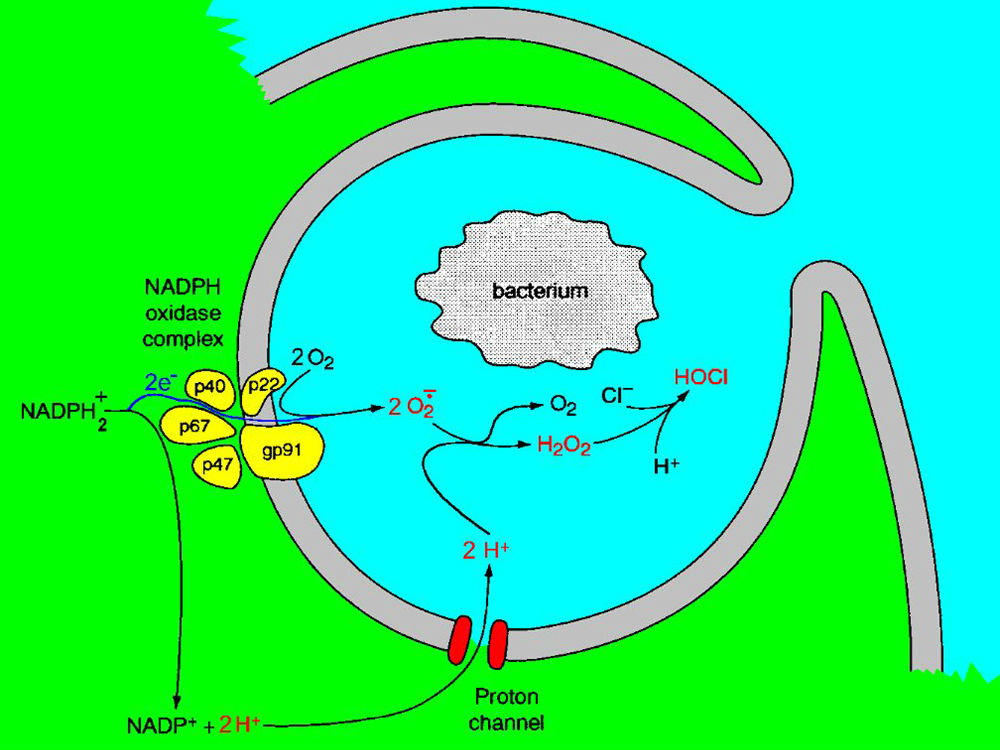
Dr. DeCoursey's research explores how proton channels function in various biological contexts, particularly in immune cells such as neutrophils and eosinophils. His work has demonstrated that proton channels play a critical role in extruding acid from cells during the respiratory burst, which is essential for the proper functioning of NADPH oxidase, the enzyme responsible for generating reactive oxygen species to kill bacteria and parasites. His laboratory has made significant contributions to understanding the dimeric structure of proton channels and how they gate cooperatively.
Analysis of Dr. DeCoursey's recent publications reveals a continued focus on proton channel structure-function relationships, with increasing exploration of their roles in diverse biological systems including cardiac cells, cancer cells, and reproductive cells. His work spans from fundamental biophysical mechanisms to potential biomedical applications, demonstrating the broad relevance of proton channel research.
- 1974 Valedictorian, McPherson College
- 1980-1981 Honorary Research Fellow, University of Glasgow
- 2001 Co-organizer of First International Proton Channel Meeting
- 2003 Invited talk at 126th Nobel Symposium
- 2018-2023 R35 Outstanding Investigator Award, NIH-GM
Dr. DeCoursey's educational background includes a PhD from the University of Cincinnati College of Medicine and a BA from McPherson College, Kansas. His laboratory continues to be a leader in proton channel research, with numerous publications in high-impact journals and active collaborations with researchers worldwide, particularly with Dr. Vladimir V. Cherny.