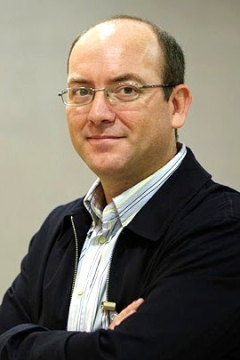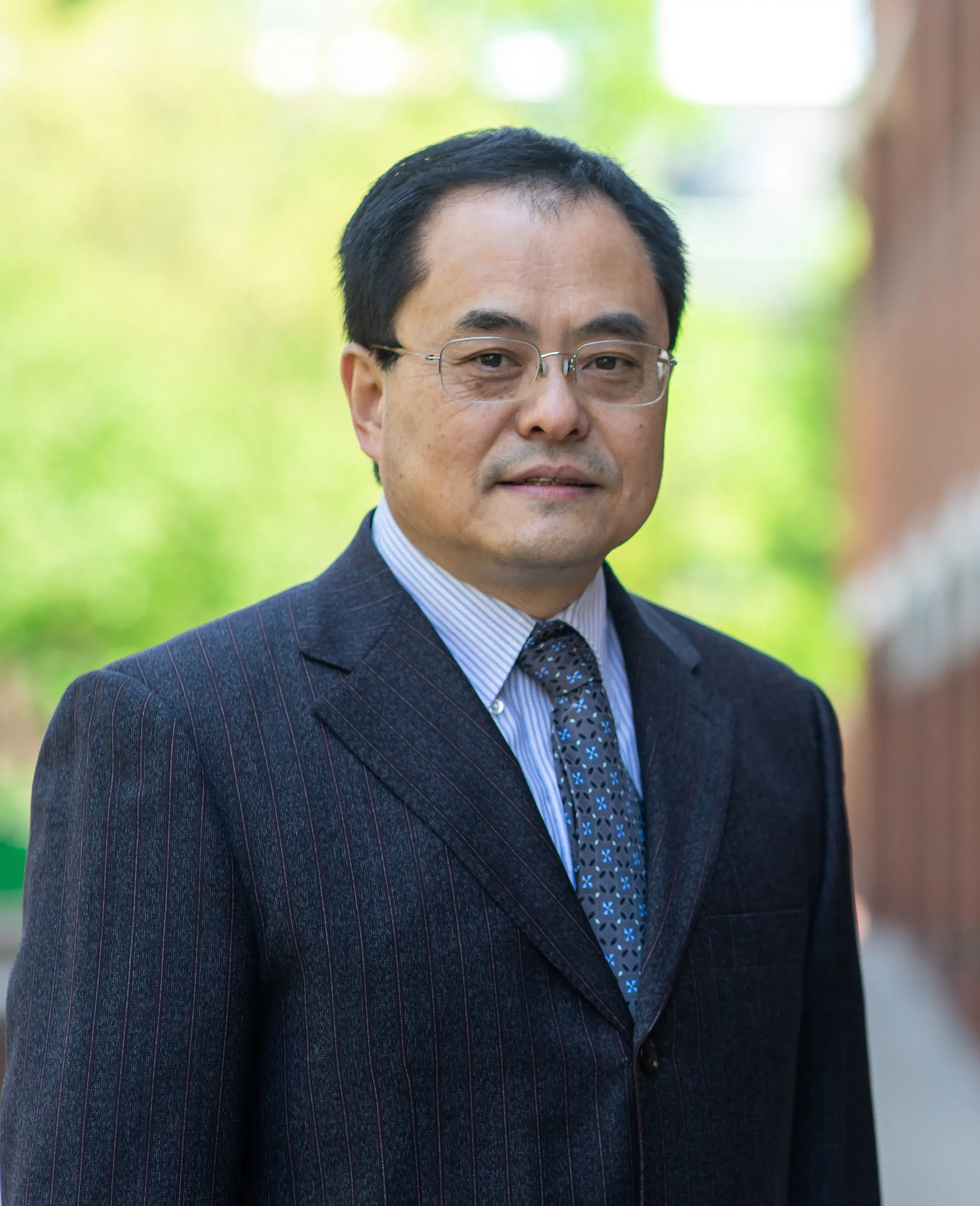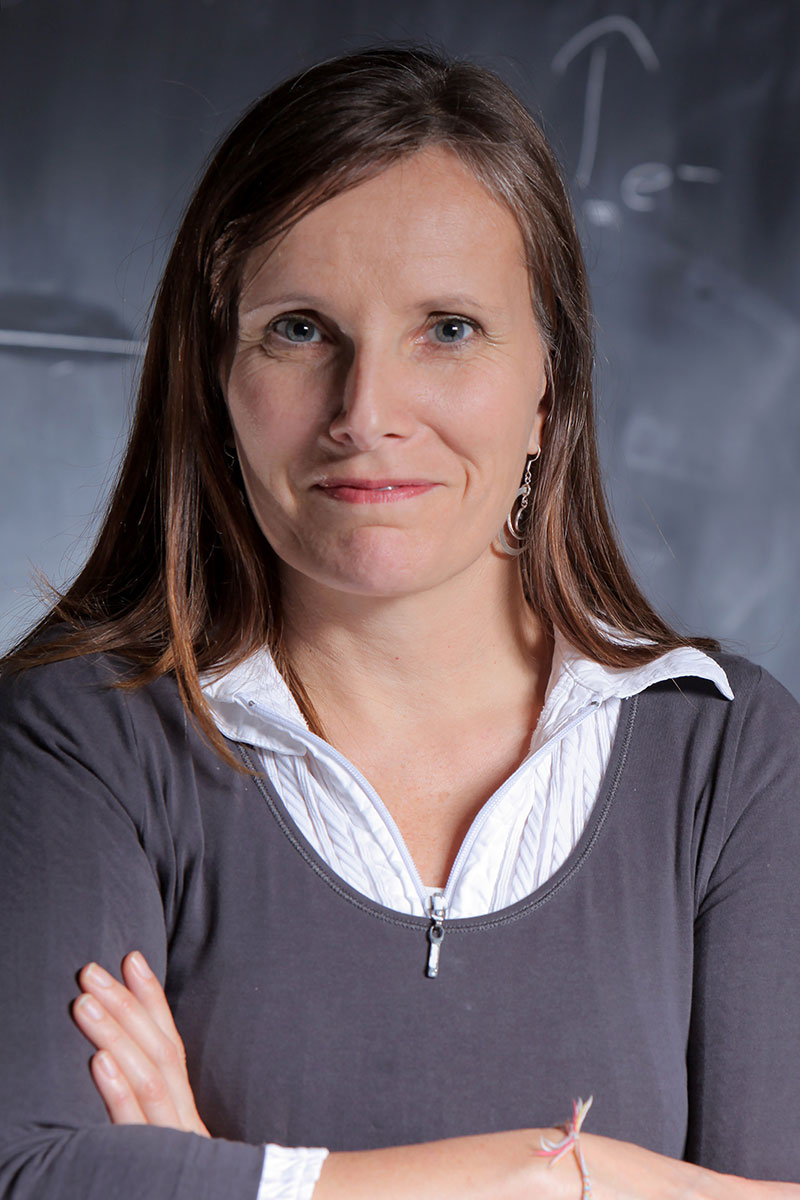
Ken Watanabe is a Professor of Astrophysics and Program Coordinator in the Department of Chemistry & Physics at Florida Gulf Coast University (FGCU). He holds a Ph.D. in Physics from Clemson University, an MS from the University of Iowa, and a BS from Tohoku University (Japan). His research focuses on High Energy Gamma-ray Astrophysics and High Energy Atmospheric phenomena, including contributions to NASA missions like Compton Gamma-ray Observatory (CGRO), Fermi, and ESA’s INTEGRAL. He expanded his research at FGCU to include Terrestrial Gamma-ray Flashes (TGFs), Sprites, and Blazar monitoring via SARA telescopes. Dr. Watanabe is a collaborator at NASA Goddard’s Astroparticle Physics Laboratory and a full member of the American Astronomical Society’s High Energy Astrophysics Division (HEAD). He also belongs to organizations like the International Astronomical Union (IAU) and the American Geophysical Union (AGU). He teaches courses such as College Physics, General Physics, and Essentials of Astrophysics at FGCU. Notable research contributions include extensive work with the INTEGRAL/SPI spectrometer, including searches for unpredicted gamma-ray lines and studies of galactic 511 keV annihilation radiation. His recent projects involve robotic telescope observations (GRT-WF) of atmospheric phenomena and meteor showers. He has secured multiple NASA grants for gamma-ray research and particle acceleration studies. Professional affiliations include collaborations with institutions like JAEA (Japan) and the Southeastern Association for Research in Astronomy (SARA). His work bridges space missions, ground-based observations, and theoretical astrophysics, emphasizing interdisciplinary approaches to high-energy phenomena.