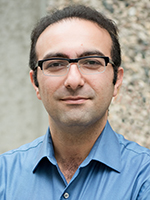
Dr. Amin Mousavi is an Associate Professor and Department Head in the Department of Educational Psychology & Special Education at the University of Saskatchewan's College of Education. His expertise lies in quantitative methodology in social and behavioral sciences, with a focus on educational measurement, psychometrics, and learning analytics. He holds a PhD in Measurement, Evaluation, and Cognition from the University of Alberta (2015) and prior degrees in Education and Applied Physics. Education: PhD in Measurement, Evaluation, and Cognition, University of Alberta, 2015 B.A. in Educational Research, University of Tehran, 2008 B.S. in Applied Physics, Payam-e-Nur University, 2005 Research Interests: Dr. Mousavi’s work emphasizes statistical modeling in education (e.g., structural equation modeling, multilevel analysis), psychometrics (item response theory, differential item functioning), and the application of advanced analytics to educational data. He explores technology-enhanced assessment, automated feedback systems, and fairness in classroom evaluation. Publications & Presentations: He has published extensively on topics like automated personalized feedback, assessment fairness, and the impact of digital literacy. Recent work includes studies on cultural dimensions in classroom assessment and the role of physical activity in psychological well-being during the pandemic. Service: Executive Officer of the Canadian Educational Research Association (2017–2019), member of SSHRC/NSECR review committees, and chair of the College of Education’s Governance Committee. Advising: Supervised graduate students in areas like assessment literacy, international student challenges, and learning analytics. Current advisees include Q. Wang (PhD) and D. Friesen (MEd).
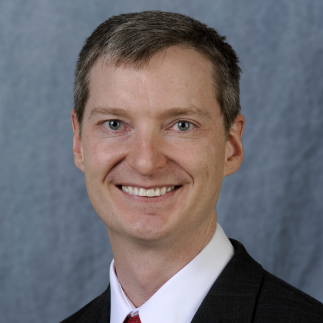
Adam Meade is a Professor and Coordinator of the Industrial-Organizational Psychology Program at North Carolina State University's Department of Psychology. His expertise spans psychometrics, survey methodology, and personality assessment. He focuses on improving measurement techniques in organizational and psychological research, particularly in reducing bias and enhancing data quality in high-stakes assessments. Dr. Meade's work emphasizes practical applications of psychological science in workplace settings, including counterproductive work behaviors and the design of effective assessment tools. His research explores topics such as response formats, careless responding in surveys, and the utility of multidimensional item response theory (IRT). He has contributed to the development of the 'mirt' R package for IRT analyses and has published extensively on measurement invariance, differential item functioning, and the viability of crowdsourcing in survey research. Notable contributions include studies on forced-choice response formats, the impact of response order on Likert scales, and the application of social psychology principles to improve survey engagement. His work bridges theoretical advancements with real-world organizational challenges, particularly in human resource management and talent assessment.
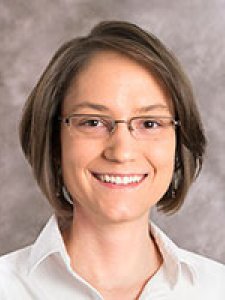
Marilyn Thompson is an Associate Director and Professor at The Sanford School. Her research focuses on interdisciplinary areas such as child development, bilingual education, educational psychology, and quantitative research methodologies. She has a strong interest in understanding socio-emotional dynamics in academic settings, language acquisition in dual-language learners, and the application of advanced statistical techniques to educational assessment. Her work spans multiple fields including developmental psychology, psychometrics, and policy analysis. Notable research themes include the impact of peer relationships on academic achievement, the role of teacher-student interactions, and the validation of assessment tools for diverse populations. She has also contributed to studies on climate change adaptation and international health initiatives. Thompson’s publications reflect her expertise in longitudinal studies, measurement invariance, and cross-cultural educational comparisons. Her research often bridges theoretical frameworks with practical applications in curriculum design, policy formulation, and intervention strategies.
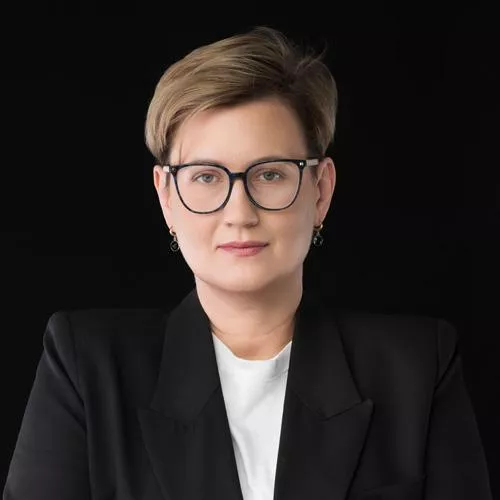
Dr. Marie-Ann Sengewald is a postdoctoral researcher at the Leibniz Institute for Educational Trajectories (LIfBi), specializing in quantitative methods, psychometrics, and causal inference. Her work focuses on fair group comparisons, psychological measurement, and replication research, with applications in randomized experiments and large-scale assessments. She collaborates with institutions like GESIS and has been awarded the prestigious Sigrid Blömeke Scholarship Award 2025 for her project on app-based treatment evaluations. Dr. Sengewald holds teaching roles at Otto Friedrich University Bamberg and Friedrich Schiller University Jena, instructing advanced statistics courses for psychology and education students. Her voluntary work emphasizes supporting early-career researchers and promoting gender equality in academia, including surveys on family-friendly policies in research communities. Holds a PhD and extensive teaching experience since 2006. Recipient of DAAD scholarship (2009–2010) for international studies. Key projects include DFG-funded META-REP research on replication guidelines and machine learning applications in differential item functioning detection. Her research bridges methodological innovation and substantive applications, with over 15 peer-reviewed publications in journals like Psychometrika and Advances in Methods and Practices in Psychological Science . She regularly organizes workshops and symposia on causal inference and quantitative practices, fostering collaboration across disciplines.
Craig S. Wells is a Professor at the University of Massachusetts Amherst, affiliated with the Research and Evaluation Methods Program and serving as Associate Director of the Center for Educational Assessment. He holds a PhD from the University of Wisconsin at Madison (2004) in Quantitative Methods in Educational Psychology. His research focuses on non-parametric item response models, differential item functioning detection, IRT model fit assessment, and the philosophy of science. He teaches statistical methods and structural equation modeling. Dr. Wells has contributed extensively to psychometric methodologies, including software development (e.g., 'irtQ' and 'irtplay' packages) and validation frameworks for educational assessments. His work addresses challenges in cross-cultural testing, accommodations for English learners, and improving measurement invariance in applied research. He has collaborated on projects in Guatemala, Florida, and Massachusetts, emphasizing practical applications of quantitative methods in education. His recent articles explore topics like linguistic adaptations in science testing, student growth percentiles, and curriculum-based assessments. While no scientific awards are explicitly mentioned, his prolific publication record and leadership roles highlight his influential contributions to educational measurement and policy. Wells has advised numerous projects related to educational equity, test design, and policy implementation. His involvement with the Center for Educational Assessment underscores his commitment to advancing valid, equitable assessment practices. He has also developed tools for formative assessment and collaborated on initiatives to improve literacy in marginalized communities.
Allison Beese is a Professor in the Department of Materials Science and Engineering within the College of Earth and Mineral Sciences at Penn State University. Her research focuses on experimental and computational multiscale mechanics of materials, with particular emphasis on metallic materials used in additive manufacturing processes. She maintains an active research program investigating the connections between microstructure, macroscopic deformation, damage accumulation, and failure properties of materials. Professor Beese's research interests span additive manufacturing, particularly laser powder bed fusion and directed energy deposition techniques, with focus on metallic materials including Ti-6Al-4V, stainless steel alloys, and functionally graded materials. Her work combines experimental methods with computational modeling to develop physically-based plasticity and fracture models that predict component performance. She investigates how processing parameters affect microstructure formation and mechanical properties, with applications in aerospace, automotive, and energy sectors. Her recent publications (2024-2025) demonstrate a strong focus on additive manufacturing of metallic components, with particular attention to defect characterization, fracture modeling, and process-structure-property relationships. The research spans computational methods for materials modeling, experimental characterization of additively manufactured parts, and development of tools for process optimization in additive manufacturing. Professor Beese serves as an Affiliate Researcher for the "Equitable Communities and the Built Environment" research theme at Penn State. Her work has been recognized through university and college-level awards, as indicated by news items about faculty honors in the Earth and Mineral Sciences college. Her laboratory conducts research on additive manufacturing of metals, with specific projects including the "Additive Manufacturing of Elastocaloric Cooling Shape Memory Alloy: From Materials and Device Fabrication to System-Level Analysis for High-Performance Buildings." Her team develops experimental methods to elucidate material behavior and creates physically-based models to predict performance.
Conjoint Professor Gregory Carter M.B.B.S. FRANZCP is a Senior Staff Specialist and Acting Director of Consultation Liaison Psychiatry at Calvary Mater Newcastle Hospital, and Conjoint Professor in Psychiatry in the Faculty of Health Sciences at the University of Newcastle. He serves as Lead Clinician for Psycho-Oncology in the Hunter New England Cancer Network and is a Principal Researcher in the Centre for Brain and Mental Health Research. Professor Carter chairs the ITC Committee for the RANZCP (Royal Australian and New Zealand College of Psychiatrists) and maintains clinical and research appointments across multiple institutions. Professor Carter's educational background includes a PhD from the University of Newcastle, a Graduate Certificate in Child Psychology from the Royal Australian & New Zealand College of Physicians, and a Bachelor of Medicine & Surgery from the University of New South Wales. His academic journey reflects a strong foundation in both medical practice and specialized psychiatric training. His primary research interests focus on suicide prevention and related areas, including deliberate self-poisoning, epidemiology of suicidal behaviors, and brief contact interventions to reduce self-harm repetition. He has conducted significant research on delirium, toxicology of psychoactive drugs, post-stroke depression, organ donation considerations in mental health contexts, and psycho-oncology. Professor Carter maintains a continued interest in Tourette's Disorder and Obsessive Compulsive Disorder in children and adolescents. His research consistently bridges clinical psychiatry with public health approaches to suicide prevention, demonstrating methodological diversity across epidemiological studies, clinical trials, and systematic reviews. Professor Carter's recent publications reveal a strong focus on innovative suicide prevention interventions, particularly digital approaches like SMS-based brief contact interventions that demonstrated a 22% reduction in hospital-treated self-harm repetition. His work also extends to depression treatment research, including ketamine therapy for treatment-resistant depression, and psycho-oncology studies examining anxiety and nutritional outcomes in cancer patients. His research spans multiple methodological approaches with significant contributions to clinical guidelines, including the RANZCP Clinical Practice Guideline for Deliberate Self-Harm. Professor Carter is an active member of numerous professional organizations including the RANZCP, ASPR (Australasian Society of Psychiatric Research), AACAP (American Academy of Child and Adolescent Psychiatry), AAS (American Academy of Suicidology), IASR (International Association of Suicide Researchers), PoCoG (Psycho-Oncology Cooperative Research Group), and CINP (Collegium Internationale Neuro-Psychopharmacologicum). Throughout his extensive career, Professor Carter has supervised numerous research students across multiple institutions, including Dr. Neil Port, Dr. Nick Bendit, Dr. Ivan Safranko, Gillian R. Maddock (who completed both Honors and Clinical Doctorate degrees under his supervision), and Tharraka Dassanayake. His teaching contributions span undergraduate medical education since 1981, postgraduate psychiatry training, psychology programs, and various educational initiatives for healthcare professionals including nurses, school counselors, and psychologists. Professor Carter leads research initiatives through the Centre for Brain and Mental Health Research at the University of Newcastle, with particular focus on consultation-liaison psychiatry services at Calvary Mater Newcastle Hospital. His work often involves multidisciplinary teams including psychologists, oncologists, surgeons, and other medical specialists, particularly in his psycho-oncology and somatic symptom disorder research. His leadership in developing screening protocols like QUICATOUCH for distress and pain in oncology outpatients demonstrates his commitment to translating research into clinical practice.
William Holmes Finch is the George and Frances Ball Distinguished Professor of Educational Psychology at Ball State University, with a career spanning over two decades. His work bridges statistics, psychometrics, and educational psychology, focusing on advanced methodologies like structural equation modeling, item response theory, and robust multivariate inference. Ph.D. in Educational Psychology and Research (2002, University of South Carolina) M.Ed. in Educational Research (1990, University of South Carolina) B.A. in History (1987, University of South Carolina) Finch's research explores nonlinear growth modeling, differential item functioning, and multilevel modeling applications across disciplines. He collaborates with experts in neuropsychology and exercise physiology, emphasizing methodological rigor in educational data analysis. His recent work includes grant-related investigations into immigrant student performance during the pandemic and nonlinear growth modeling for accurate identification rules. As a prolific author, Finch has published books on multilevel modeling and applied psychometrics, alongside numerous journal articles. His collaborations with Maria Hernandez Finch, including the Parent Play Lab grant project, highlight his interdisciplinary impact. He mentors students in research methodologies, fostering their involvement in funded projects and publications.
Nuri Doğan serves as an Assistant Professor in the Department of Educational Sciences at Mehmet Akif Ersoy University's Faculty of Education. His scholarly work focuses on advanced methodological approaches in educational measurement and assessment. His research spans six key areas: Educational Measurement (primary focus) Psychometrics (specializing in scale validation) Computerized Adaptive Testing systems Large-Scale Assessment analysis (particularly PISA) Test Validity and Reliability frameworks Statistical modeling for educational data Recent work emphasizes Likert-scale optimization, differential item functioning, and multistage testing design. Analysis of his 15 most recent publications reveals strong emphasis on computational psychometrics, with 70% involving simulation studies or advanced statistical modeling. His work consistently addresses practical measurement challenges in Turkish educational contexts while contributing to international methodological discourse. No scientific awards or honors are documented in available records. Doğan maintains active research collaboration with scholars across Turkish universities but shows no current supervision of graduate students based on publication records. His work demonstrates independent scholarly productivity without documented grant funding, as indicated by 'Proje Sayısı 0' in institutional metrics. He operates without a dedicated laboratory, conducting research through departmental resources within the Faculty of Education.
Magdalena Nowicka serves as Assistant Professor at SWPS University's Faculty of Psychology in Warsaw, within the Department of Psychology of Individual Differences, Diagnosis and Psychometric Research at the Institute of Psychology. Her academic appointment centers on teaching psychology of individual differences, psychometrics, and psychological assessment. Her research focuses on psychology of individual differences and psychometrics , with specialized expertise in affective regulation mechanisms, mood dynamics, and clinical manifestations in depression and schizophrenia. She examines how individuals influence emotional states and the determinants of regulatory strategy effectiveness. Her publication portfolio demonstrates consistent engagement with clinical psychology and methodological innovation , particularly regarding Ukrainian war impacts on psychiatric patients, schizophrenia symptomatology, and emotion regulation frameworks. Her work bridges theoretical psychometrics with clinical applications. As editorial assistant for Psychological Studies (formerly Studia Psychologiczne ), she contributes to academic dissemination in her field. Her teaching portfolio includes core courses in individual differences psychology and psychometric methodology. Her research collaborations address contemporary mental health challenges, including trauma responses to geopolitical crises and cross-cultural mourning practices. She actively participates in SWPS University's research ecosystem through conference presentations and media engagement on psychological topics.
Irini Moustaki is a full-time Professor in Social Statistics at the Department of Statistics , London School of Economics and Political Science . Her work focuses on latent variable models, structural equation models, and categorical data analysis with applications in education, psychology, and social sciences. She has co-authored influential books such as Latent Variable Models and Factor Analysis: A Unified Approach (2011) and Analysis of Multivariate Social Science Data (2008). Research Interests : Latent variable models, structural equation modeling, categorical data analysis, missing values, outliers, longitudinal data, composite likelihood estimation, and applications in social sciences. Recent research trends include: Composite likelihood and stochastic approximation methods Bayesian structural equation modeling Outlier detection in latent variable frameworks Network meta-analysis for intervention hierarchies Advances in DIF analysis and sparse factor modeling Scientific Awards : Honorary Doctorate, University of Uppsala Honorary Professor, The Education University of Hong Kong LSE Excellence in Education Award Advising & Grants : Supervised 8 PhD students and contributed to major grants from ESRC, MRC, and British Academy. Key roles in editorial boards of Psychometrika , Computational Statistics and Data Analysis , and Structural Equation Modeling .
Michael Bass serves as Research Associate Professor in the Department of Medical Social Sciences (Outcome and Measurement Science) at Northwestern University's Feinberg School of Medicine, with affiliations at the Institute for Augmented Intelligence in Medicine and Institute for Innovations in Developmental Sciences. Education: MS, University of Illinois, Chicago (1990) His research focuses on medical informatics infrastructure and electronic health record integration , specializing in secure software architecture for patient-reported outcomes systems. As principal architect of the PROMIS Assessment Center, he developed critical components including data encryption protocols, CAT algorithm implementation, and secure synchronization frameworks for clinical research data capture. Recent publications (2025) demonstrate consistent contributions to implementation science methodology, cancer care informatics, and orthopaedic assessment tools, with emphasis on practical health IT solutions for real-world clinical settings and research consortia. Professional Leadership: Scientific Advisory Board Member, Medable (2016–Present) Consultant, Argonaut Project (2018–Present) Member, Northwestern Memorial PRO Steering Committee (2016–Present) Member, American Medical Informatics Association (2015–Present) He directs strategic development of health IT standards through active participation in national initiatives including the Office of the National Coordinator for Health IT and clinical trial management system task forces.
Brenda M Ogle serves as a Professor in the Department of Biomedical Engineering within the College of Science and Engineering at the University of Minnesota. She leads multiple high-impact research initiatives including the NSF Engineering Research Center for Advanced Technologies for Preservation of Biological Systems (ATP-Bio) and directs the Organoid Biomanufacturing for Transforming Healthcare project funded by the State of Minnesota. Her research focuses on cardiac tissue engineering , stem cell differentiation mechanisms , and biological preservation technologies . Key areas include epicardial regulation of cardiomyocyte function, DMSO-free cryopreservation of stem cell-derived tissues, and extracellular matrix optimization for vascularization. Recent work demonstrates breakthroughs in 3D-printed organ models with integrated sensors and ultrasound-triggered drug delivery systems. Ogle's publication portfolio shows consistent output with 105 research items including 78 articles and 16 reviews. Her current projects (24 total, 5 active) are primarily funded by NIH, NSF, and industry partners like Abbott Laboratories, with significant emphasis on organ-on-chip platforms and cardiomyocyte maturation models. The 2020 press coverage of her team's 'groundbreaking' 3D-printed working heart pump with human cells highlights translational impact. Collaborative networks span cardiac regeneration, stem cell biochemistry, and organoid biomanufacturing, with fingerprint analysis showing 100% concentration in stem cell research, 69% in cardiac muscle cell studies, and strong connections to extracellular matrix signaling (42%) and tissue regeneration (29%).
Katherine Masyn is Professor of Epidemiology and Biostatistics in the School of Public Health at Georgia State University. Her research advances statistical methods for social and health sciences. Research Interests: Develops latent variable models for survival analysis, longitudinal processes, and population heterogeneity. Applications include prevention science and developmental psychology. Publications: Contributed to methodological frameworks like latent transition growth mixture models and differential item functioning. Work published in Structural Equation Modeling, Prevention Science, and Social Development. Collaborations: Partners with NIH-funded projects, providing statistical expertise on child development, mental health, and behavioral interventions. Teaching: Instructs on political ecology, quantitative psychology, and evolutionary anthropology.
Hans Kristian Nilsen is an Associate Professor at the Department of Mathematical Sciences , University of Agder , Norway. His work focuses on mathematics education , particularly in tertiary education and engineering students' learning . He has held academic positions at University of Agder since 2014, previously at Norwegian University of Science and Technology (2007-2014), and has experience in secondary school and adult education. Education : PhD in Mathematics Education (University of Agder, 2014), Master in Mathematics (Norwegian University of Science and Technology, 1999), Teacher Education (University of Stavanger, 1997) His research explores student interpretation of calculus concepts , active learning approaches , and constructive alignment in mathematics education. Key themes include self-efficacy , learning strategies , and performance analysis among engineering students. Recent publications analyze integration pedagogy , differentials , and student-active learning in mathematics. Collaborative works address Nordic mathematics education development and cross-cultural teacher satisfaction studies.