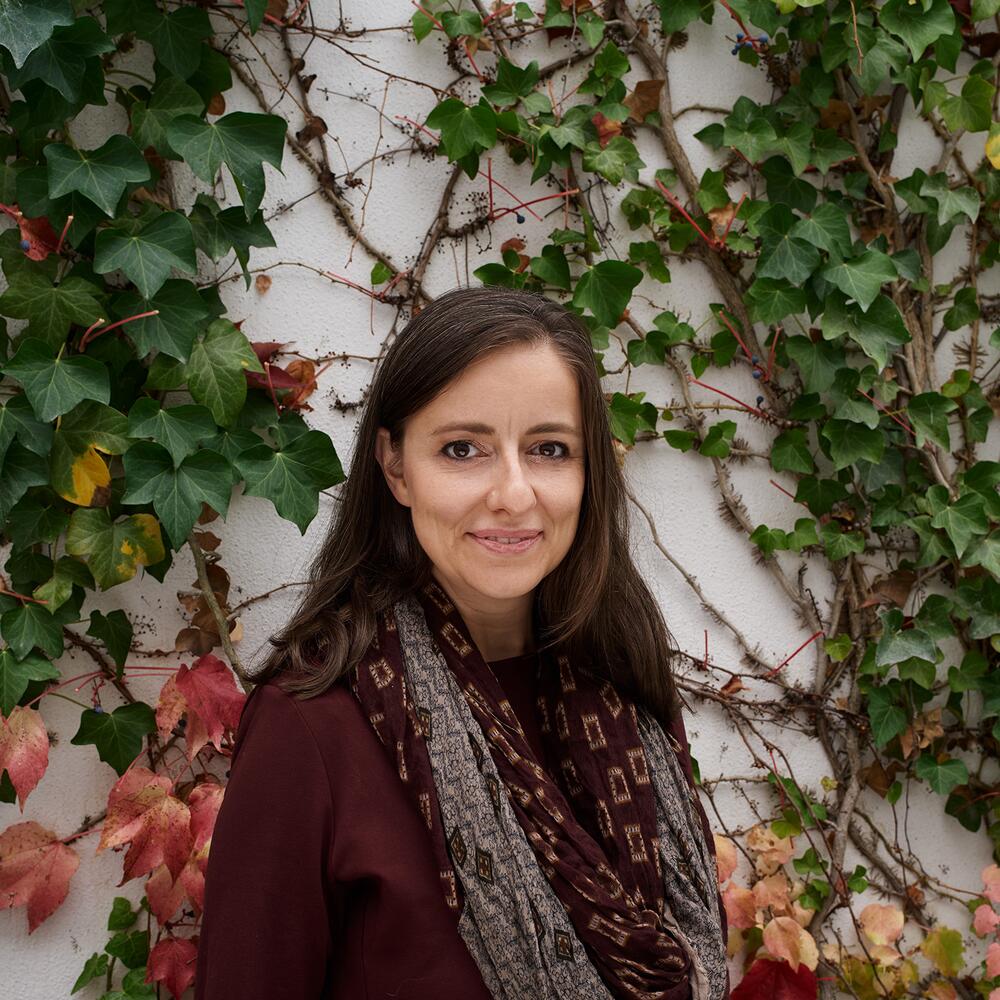
Stefan Hagel is a Research Fellow at the Austrian Academy of Sciences and Privatdozent at the University of Vienna, specializing in ancient Greek and Roman music. His work bridges archaeology, philology, and digital reconstruction to analyze ancient musical instruments, notation systems, and performance practices. His research focuses on: Reconstruction of auloi (double-pipes) and hydraulis (water organs) Computational analysis of instrument acoustics Cross-cultural transmission of musical technologies Ancient harmonic theory and notation decipherment He leads major projects including Ancient Music Beyond Hellenisation (ERC Advanced Grant), Digitising Aspects of Graphical Representation in Ancient Music (FWF), and the European Music Archaeology Project . Hagel has developed specialized software for instrument analysis and serves as editor for the Journal of Music Archaeology . His publications demonstrate consistent focus on technical aspects of ancient music through interdisciplinary methodologies.
Timo Fleischer is an Associate Professor in the Chemistry Didactics Working Group at the University of Salzburg, affiliated with both the Faculty of Natural and Life Sciences and the School of Education. He leads key educational innovation projects including EXBOX-Digital, ChemGerLab-VR, and RECC Salzburg, and plays a significant role in digital science education development. Education: Bachelor of Science in Geography and Chemistry, University of Kiel (2011) Master of Education in Geography and Chemistry, University of Kiel (2013) PhD in Science Education, TUM School of Education (2017) Habilitation in Chemistry Didactics, University of Salzburg (2024) His research focuses on the effectiveness of digital media in teacher education and chemistry classrooms, the development of digital teaching and learning materials, and the integration of experimentation and modeling in science education. He is particularly interested in how digital tools support the learning of chemical language and representations. His work bridges educational theory and practical classroom innovation. His recent publications demonstrate a strong emphasis on digital scaffolding, augmented and virtual reality in chemistry labs, eye-tracking during experiments, and the use of fiction as an anchor in science teaching. These works reflect a trend toward immersive, technology-enhanced, and student-centered learning environments in science education. Scientific Awards: Ehrenurkunde Polytechnik-Preis 2022 – Projekt EXBOX-Digital Kulturfondspreis 2020 für das Projekt MINT:labs Science City Itzling Comenius-EduMedia-Siegel für EXBOX-Digital (2020) Qualitätslabel „Regional Educational Competence Centre“ (RECC) (2018–2021) Junior-Fellowship, Kolleg Didaktik:digital (2016–2017) Timo Fleischer has supervised various research projects and collaborated with numerous colleagues and students, though specific advisees are not listed. He has secured recognition and funding for initiatives such as EXBOX-Digital and MINT:labs, indicating successful grant acquisition. He is actively involved in teacher training, curriculum development, and science communication. He leads several innovative labs and teams, including ChemGerLab-VR (a virtual reality chemistry lab), EdTechAll, and the development of MINT:labs Science City Itzling. These initiatives focus on creating digital, hands-on, and inclusive science learning environments for both students and teachers.
Reinhard Bauer is a Professor at the Vienna University of Education (PH Wien), affiliated with the Competence Center STEM and Digitality (K:MID) and the Institute for Interdisciplinary Educational Priorities (IBS) . His work focuses on Didactic Design Patterns , E-Portfolios , Foreign Language Didactics , and Social Video Learning , with a strong emphasis on digital innovation in education. Education: MA in eEducation (Danube University Krems), PhD in Didactic Design (Alpen-Adria University Klagenfurt) Key Roles: Research Coordinator at IBS, International Collaboration in Eye-Tracking Projects (Masaryk University), PREPARE Erasmus+ Project Contributor His publications and projects frequently explore pattern languages for educational design, digital literacy , and reflexive teaching practices . Recent work highlights Eye-Tracking in didactic research and ecological media use in schools. Awards include the MedidaPrix Award (2009) for e-learning innovation. He collaborates with institutions across Europe, including the University of New Mexico (USA) and Keio University (Japan), and contributes to conferences like PURPLSOC and GMW . His 15 most recent articles (2009-2021) span topics from digital sustainability to video-based reflection in teacher training.
Harald Spann serves as University Professor for English Didactics at the Upper Austrian University of Education (PH-OOE) in Linz, Austria. His work centers on innovative English language teaching methodologies with a focus on literature integration and digital technologies in EFL classrooms. Spann's research interests emphasize practical applications in language education, particularly through action research frameworks. He explores how pop songs enhance language acquisition and literary competence, investigates interaction dynamics in digital versus traditional learning environments, and develops curricula for literature-based instruction. His projects include the ABC Approach to Literature, DIGIT:TIME (Digital Technologies, Innovations and Media in English Language Teaching), and DR. CUELITTLE (Doing Research into Curricula for English to Facilitate Literature-based Teaching and Learning). Analysis of his 15 most recent publications reveals consistent focus on bridging theory and practice in teacher education. Spann frequently collaborates with researchers like Keplinger and Wagner to develop methodological frameworks using pop culture elements, examine technological impacts on language interaction, and implement learning studies in Austrian educational contexts. His work demonstrates strong emphasis on reflective practice and curriculum innovation for pre-service teachers. No scientific awards are documented in the available information. As an active educator, Spann advises EFL student teachers and contributes to curriculum development at PH-OOE. His research involves partnerships with practice schools like Europaschule Linz and informs E-Didaktik initiatives for educational technology integration. Current projects examine reading habits, digital interaction patterns, and literature-based pedagogical approaches in Austrian teacher training programs. Spann collaborates within research teams focused on digital innovations in language education and literature-based teaching methodologies, contributing to institutional initiatives that connect academic research with classroom practice.
Luc Bousseau is a Senior Lecturer at the Institute of Romance Studies, Alpen-Adria-Universität Klagenfurt. His research focuses on Romance philology, language pedagogy, and interdisciplinary educational methodologies. He contributes to projects enhancing media literacy and scientific understanding among youth through initiatives like the #NoFakeFacts citizen science program. His recent publications explore digital media dynamics, swarm robotics systems, and innovative academic collaboration models. Active in editorial roles for German didactics journals, he bridges theoretical research with practical educational applications. Contact via Luc.Bousseau@aau.at or room N.0.48 in the main campus building. Research Areas: Romance Studies, Language Teaching Methodology, Cultural Education Recent Projects: Media Literacy Youth Program, Interdisciplinary Migration Research, Digital Marketplace Analysis
Sabrina Gerth is a Professor for Digital Education in Primary Schools with a focus on language at the University of Teacher Education Tyrol (PHT). She leads the Institute for Primary Education and holds a formal role as deputy head of the Federal Focus on German in Primary School. Her academic career includes roles at institutions such as the University of Potsdam and the University of Helsinki, with research extending from 2007. Gerth’s work focuses on digital media’s impact on literacy acquisition, inclusive language education, and teacher training in primary education. She actively contributes to conferences globally, publishes in journals like Children and Cognitive Neurodynamics , and leads EU-funded projects like PIVOT and INNALP Edu Hub. Key research areas include handwriting biomechanics, audiobook integration in reading, and virtual reality in teacher education. Education & Career: PhD in Cognitive Science (unspecified year) Professor at PHT since 2024 Postdoc at University of Potsdam (2014–2022) Research roles at multiple universities since 2010 Research Interests: Gerth’s work explores how digital tools enhance literacy and language learning. Recent studies include electromyographic analysis of tablet-based writing, cross-cultural writing acquisition comparisons, and inclusive education strategies for multilingual students. She emphasizes bridging teacher training with practical digital media use. Publications Trends: Her articles (15 most recent listed) highlight themes such as handwriting mechanics, audiobook impacts on reading fluency, and VR-based teacher training. Keywords include educational technology, primary education, and cognitive development. Grants & Projects: PIVOT (EU Erasmus+, 2024–present): Inclusive instruction strategies INNALP Edu Hub (Austrian FFG, 2022–2025): Alps-focused educational projects VIRTUOUS (EU Erasmus+, 2021–2023): Teacher behavior management in virtual environments Labs/Teams: Coordinates the Wunderstift Learning Studio, investigating digital tools like smart pens and audiobooks in primary classrooms. Collaborates with institutions like University of Innsbruck and University of Nicosia on interdisciplinary projects.
Attila Németh is a Professor of German Linguistics and Language Didactics at the University of Teacher Education Upper Austria, affiliated with the Department of Languages, Literatures, and Cultures (German Studies). His academic trajectory includes extensive research in language variation, dialectology, and cross-cultural communication, with a geographical focus on Hungarian-German linguistic communities. Education: PhD in German Linguistics (Sociolinguistics/Dialectology) from the University of Szeged (2009) Doctoral studies in German Linguistics at the University of Szeged (2001–2004) Interpreter and Translator training at the University of Szeged (2000–2001) MA in Hungarian and German Studies at the University of Szeged (1995–2001) Research Focus: Németh's work investigates the interplay between language contact, sociolinguistic attitudes, and educational applications. Key areas include dialect preservation in minority communities, morphosyntactic complexity in bilingual contexts, and pedagogical strategies for grammar instruction. His research consistently addresses the dynamics of German dialects in Hungary, emphasizing textbook design and language policy implications. Publication Trends: His articles predominantly explore sociolinguistic and contact-linguistic phenomena, with recurring themes of language simplification, bilingual normativity, and dialect erosion. Methodologically, they blend empirical fieldwork with theoretical frameworks, often focusing on Hungarian-German communities to analyze broader patterns of language change and identity. Professional Activities: He co-edited the Zeitschrift für Mitteleuropäische Germanistik (2011–2016) and contributed to DAAD-supported projects like Intercultural Relations within and beyond Borders (2008–2009). Earlier roles include editorial work for academic journals and research coordination at the Pannonian University.
Patrick Wolf-Farré is an Assistant Professor of German Linguistics at the Department of German Studies, University of Vienna. His work focuses on language biographies , minority languages in Latin America, and identity construction in multilingual contexts. He has held academic positions at Leuphana University Lüneburg and the University of Duisburg-Essen and has been actively involved in editing book series leading research groups organizing international conferences . His academic training includes a PhD in German Linguistics external doctoral studies at Heidelberg University teaching certifications in German and Romance languages . Patrick's research explores the intersection of language, migration, and identity, with a particular emphasis on German-speaking communities in Chile and language preservation in diaspora contexts. His recent publications analyze post-vernacular community dynamics and glocalization trends in multilingual settings. His scholarly activities include leading research projects on German-Jewish settlements in the Dominican Republic and superdiverse youth groups in Germany. He contributes to handbooks and peer-reviewed journals in sociolinguistics and applied linguistics.
Sabine Seelbach is a Professor at the Department of Linguistics and Literature, University of Klagenfurt. Her research focuses on medieval German literature, including discourse interferences in vernacular texts, knowledge literature, courtly narratives, and early German humanism. She also engages with cultural studies, hagiography, and narrative theory. Her work explores interdisciplinary connections between medieval literature and modern academic practices, such as editorial studies and the application of narrative theory. Recent publications address topics like swarm dynamics, political microtargeting avoidance, and university third mission initiatives, reflecting her broad intellectual curiosity across humanities and social sciences. Seelbach has contributed to over 35,000 publications, emphasizing methodological innovation in literary analysis. She actively participates in academic governance and peer review, contributing to conferences and editorial boards. Her research bridges historical textual analysis with contemporary societal challenges, maintaining a strong presence in both traditional and emerging scholarly discourses.
FH-Prof. Michaela Neubauer PT M. Physio serves as a Professor within the Department of Health Sciences at the Institute of Health Sciences, University of Applied Sciences St. Pölten. She has held this academic position since 2011 while maintaining active clinical practice. Her institutional affiliations include the Physiotherapy (BA) program and the Austrian Association for Manual Physiotherapy (ÖVMPT) where she serves on the board and training committee. Her research focuses on Musculoskeletal Physiotherapy with specialized expertise in Manual Therapy, Neurodynamics, and Interprofessional Education. Recent work examines the physiotherapeutic process implementation, neurodynamic techniques for cervical radiculopathy, and interprofessional teaching frameworks across European healthcare systems. Her publications demonstrate consistent contributions to orthopaedic manual therapy evidence, particularly regarding peripheral nerve disorders and clinical reasoning methodologies. Analysis of her 15 most recent publications reveals an evolving trajectory from specific manual therapy techniques (2016-2018) toward broader interprofessional education systems (2022-2024). Key thematic clusters include neurodynamic clinical applications, evidence-based orthopaedic rehabilitation, and innovative teaching methodologies for healthcare collaboration. The publications consistently bridge theoretical knowledge with clinical practice through case studies and critical appraisals. Her professional activities extend beyond academia through postgraduate instructor roles for the International Maitland Teachers Association (2003-2012), supervision of orthopaedic manual therapy trainees, and operation of a private physiotherapy practice. She holds a University Didactics Certificate from FH St. Pölten and maintains active engagement with professional organizations including ÖVMPT. Her educational background includes a Master of Manipulative Physiotherapy from the University of South Australia (2001) following clinical training at the Academy for Physiotherapy St. Pölten (1994-1997). Early career experience spans multiple Austrian hospitals and private practices, establishing the clinical foundation for her academic work in musculoskeletal rehabilitation.
Christian Aspalter is a full-time Professor at the University College of Teacher Education Vienna (PH Wien), leading the Institut für Urban Diversity Education (I:UDE). His career began with a Germanistik and Geschichte degree (1997) and a PhD in theater studies (2005). He taught German, History, and research methods in secondary schools before transitioning to academia in 2013. He directed the Didaktikzentrum für Text- und Informationskompetenz (2014–2023) and now heads I:UDE, focusing on urban diversity and educational innovation. Education: Bachelor's and Master's in Germanistik und Geschichte, University of Vienna PhD in theater studies, University of Vienna Research Interests: Text and information competence Digital literacy and reading/writing promotion Urban diversity in education Cross-media and critical thinking Publications highlight digital education trends, literacy assessment, and interdisciplinary didactics. He co-developed the Austrian Framework Reading Plan (ÖRLP) and pioneered eye-tracking research in education. Active in teacher training and curriculum design, he emphasizes practical applications of theoretical frameworks. Leadership roles include coordinating Comenius projects, managing institutional quality initiatives, and advising on educational policy. His work bridges traditional didactics with modern digital tools, addressing challenges in 21st-century literacy education.
Wolfgang Aigner is a Professor at TU Wien's Department of Visual Analytics, part of the Faculty of Computer Science. His main affiliation is with the Visual Analytics Research Department (E193-07). He focuses on advancing information visualization, time-oriented data representation, and knowledge-assisted visual analytics. His work emphasizes user onboarding methods for unfamiliar visualizations, integrating explicit domain knowledge into analytic workflows, and developing systems for malware analysis and healthcare informatics. Key research areas include: Design of intuitive visualization onboarding systems Temporal data visualization and pattern detection Integration of explicit knowledge in visual analytics Malware behavior visualization and forensic analysis Healthcare data exploration focusing on temporal patient trajectories Notable contributions include the KAMAS malware analysis system, task cube conceptual framework for visualization design evaluation, and methodologies for visually guided time series imputation. He has supervised 14+ graduate theses exploring topics like glyph editors, temporal data visualization, and bias detection in language models. Recent work emphasizes educational theories in visualization onboarding, with comparative studies on user guidance effectiveness and system scaffolding approaches. His research bridges cognitive science principles with practical visual analytics tools for domains like cybersecurity and healthcare.
Gabriele Karner serves as Professor, Academic Director of Dietetics (BA), and Course Director of Applied Nutritional Therapy at the Department of Health Sciences within the Institute of Health Sciences at St. Pölten University of Applied Sciences. With extensive experience in both academic and clinical settings, she combines theoretical knowledge with practical application in dietetics and nutritional medicine. Her professional journey includes roles as Deputy Head of Study Program in Dietetics, Lecturer at the Austrian Academic Institute for Nutritional Medicine Vienna, and clinical positions at various healthcare institutions including St. Pölten State Hospital. Dr. Karner's research interests focus on clinical nutrition, dietetics, and nutritional therapy with particular emphasis on specialized dietary approaches including vegan and vegetarian nutrition, bariatric nutrition, and climate-friendly eating patterns. Her work bridges the gap between scientific research and practical application, developing assessment tools like the Bariatric Nutritional Assessment (BNA) and exploring innovative educational methods such as game-based learning for nutrition education. She has made significant contributions to understanding nutrient requirements across different populations, from children to elderly patients, and has developed practical resources for everyday healthy eating that also consider environmental sustainability. Her recent publications demonstrate a clear trend toward integrating environmental considerations with nutritional science, exemplified by her 2024 work on climate-friendly recipes and the 2023 BMSGPK recommendations for a healthy and climate-friendly plate for Austria. She has also maintained consistent research on specialized dietary needs, including vegan nutrition for children, bariatric nutritional assessment, and eating disorder screening in obese adults. Her methodological contributions to nutrition research and education, particularly through game-based learning approaches, show her commitment to innovative knowledge transfer. As Academic Director of Dietetics, Professor Karner oversees the development and implementation of curriculum for dietetics education, ensuring alignment with current scientific evidence and professional practice standards. She has contributed to numerous educational resources and tools for both students and practitioners in the field of dietetics. Her leadership extends to developing assessment frameworks like the Bariatric Nutritional Assessment and screening tools for eating disorders in obese adults, demonstrating her commitment to evidence-based practice in clinical nutrition. Professor Karner's work spans multiple settings including academic instruction, clinical practice, research, and public health initiatives. She has collaborated extensively with government agencies like the Federal Ministry of Social Affairs, Health, Care and Consumer Protection (BMSGPK) and has contributed to national dietary guidelines. Her research often involves interdisciplinary teams, reflecting the complex nature of nutrition science that intersects with medicine, psychology, environmental science, and public policy.
Isabell Grundschober is a Researcher at the University for Continuing Education Krems , specifically within the Department of Continuing Education Research and Educational Technologies . She actively contributes to projects such as Professional Noticing to improve entrepreneurship education and TRANSFORM - Digitale und soziale Transformation mittels neuer Wege in Forschung und universitärer Bildung . Current affiliation: University for Continuing Education Krems (Faculty of Education, Arts and Architecture) Key research areas: Technology Enhanced Learning, Professional Noticing, Curriculum Development Active projects: EU-funded initiatives like Future Skills 3, DigComp 2.2, and Nano-Credentials development Research interests include: Learning-outcome based instructional design Validation of non-formal/informal learning AI integration in educational formats HyFlex teaching methodologies Escape room educational applications Her work often intersects with digital transformation and lifelong learning in higher education contexts. She has published extensively on pattern languages for tacit knowledge and competency validation.
Christine Peham is a Senior Scientist at the Mozarteum University, holding a post in the Department of Music Education Innsbruck within the School of Music & Art Education (SOMA). She also serves as the Rectorate Representative for University Didactics and is affiliated with the Institute for Equality & Gender Studies. Her academic background includes studies in music and German studies at Mozarteum University and Leopold-Franzens-University Innsbruck, with ongoing doctoral research at Cologne's University of Music and Dance under Anne Niessen, focusing on professional music education teacher research using empirical social research methods. Her research interests span the intersection of occupational psychology and music education, with a systemic-constructivist approach to examining structural gender equality, career socialization factors, and organizational development. She actively collaborates with cultural institutions like 'klangspuren' to implement music education projects that address power dynamics, biography reflection, and institutional culture. Notable projects include 'klangspuren 2.0' and 'mo*BIL*DING*dong', emphasizing innovative participatory music creation with youth. Her recent work highlights institutional change management, as seen in her 2024 analysis of Code of Conduct implementation. Earlier research has explored gender representation in music teaching roles (2019), interdisciplinary challenges in teacher training programs (2017), and assessment center methodologies for fair admissions (2017). Her publications also reflect a focus on bridging theory and practice, including conference impact evaluations and digital pedagogy innovations. Despite extensive research output, no scientific awards are explicitly mentioned. Her advising and grant activities remain undocumented in the provided texts. She maintains active collaborations through the Mozarteum's outreach initiatives and participatory music projects, contributing to both local and international music education discourse.