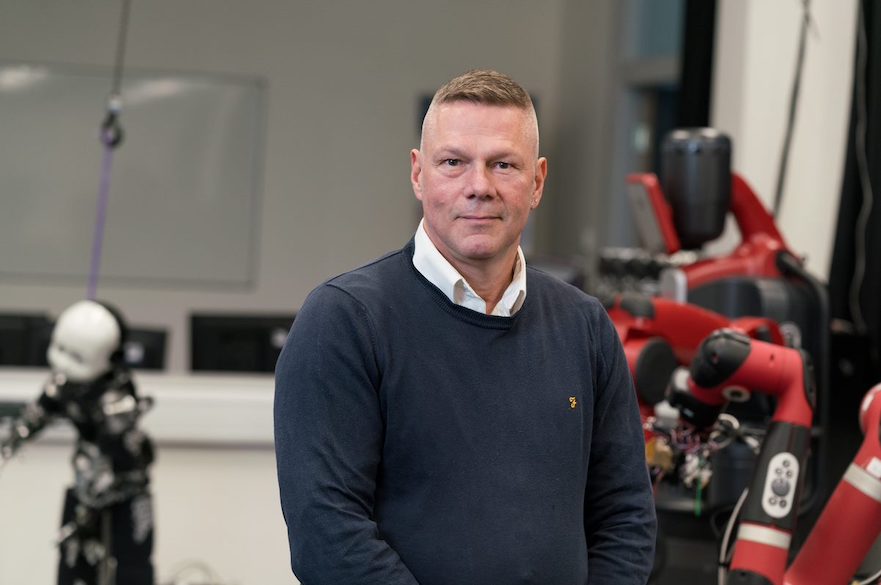
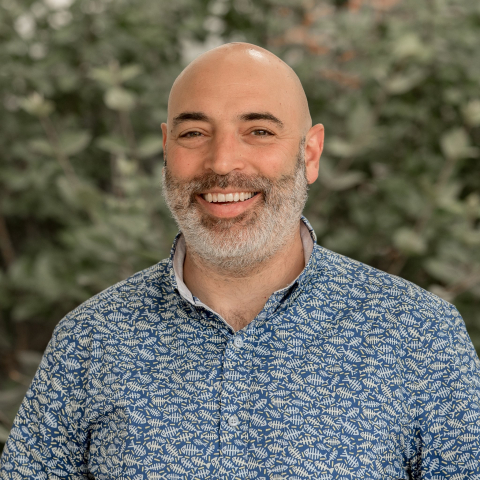
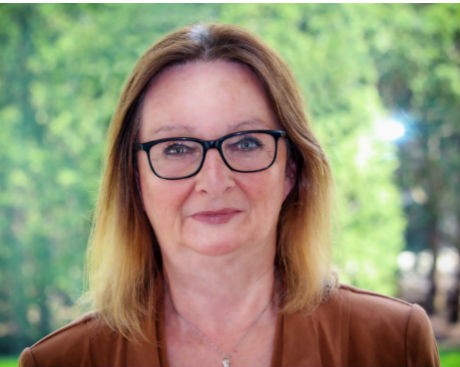
Nilanjan Sarkar is the Vice Dean and Senior Associate Dean for Faculty Affairs at Vanderbilt University's School of Engineering, holding the David K. Wilson Professorship in Engineering. He is a Professor in Mechanical Engineering, Computer Engineering, and Computer Science. His research focuses on intelligent systems for human interaction, including robotics, virtual/augmented reality, and assistive technologies for neurodevelopmental disorders and aging populations. Education: PhD (Mechanical Engineering, University of Pennsylvania), ME (Indian Institute of Science), BE (Indian Institute of Engineering Science and Technology, Shibpur). Research interests span human-robot interaction, sensor fusion, and rehabilitation engineering. His lab develops systems for autism intervention, stroke rehabilitation, and elderly engagement through socially assistive robotics and VR/AR. Notable projects include robot-mediated therapy for children and AR telepresence systems for long-term care facilities. Labs/Teams: Robotics and Autonomous Systems Laboratory. Key contributions include CoMove, RASSLE, and the Career Interview Readiness in VR platform. His work emphasizes participatory design with end-users for ethical and inclusive technology.
David Brown is a Professor in Interactive Systems for Social Inclusion at Nottingham Trent University's School of Science & Technology, Department of Computer Science. He serves as Director of the Computing and Informatics Research Centre (CIRC) and Research Group Leader for the Interactive Systems Research Group (ISRG). Director, Computing and Informatics Research Centre Research Group Leader, Interactive Systems Research Group Governor, Oak Field School for students with severe learning disabilities Conference Chair, International Conference on Disability, Virtual Reality and Associated Technology (ICDVRAT21) Associate Editor, Frontiers: Virtual Reality in Medicine Professor Brown's research focuses on developing inclusive technologies for people with disabilities. His work spans accessibility for students with learning, physical and sensory impairments; virtual reality applications for rehabilitation; multimodal affect recognition systems; social robotics for education; accessible visual programming toolkits; and serious games for developing physical and cognitive skills. His research is characterized by strong interdisciplinary collaboration and practical application in educational and healthcare settings. His recent publications demonstrate a consistent focus on applying emerging technologies like virtual reality, machine learning, and social robotics to address real-world challenges in accessibility and inclusion. The research shows a clear trajectory toward increasingly sophisticated multimodal systems that can detect user states and adapt accordingly, with applications ranging from autism support to mental health interventions. Extensive EU-funded research projects including Horizon 2020, Erasmus+, and EPSRC grants Notable projects: DIVERSIA, MaTHiSiS, Pathway, AI-TOP, EDUROB, No One Left Behind, Real Life, RISE Professor Brown has supervised numerous PhD students and collaborates extensively with international partners across Europe and Asia. His work bridges computer science, psychology, education, and healthcare to create technologies that promote social inclusion and improve quality of life for people with disabilities.
Jim Tørresen is a Professor of Computer Science at the Department of Informatics, University of Oslo, where he has been employed since 1999 (Associate Professor 1999-2005, Professor since 2006). He serves as group leader for the Robotics and Intelligent Systems (ROBIN) research group and is also a Principal Investigator at the Centre for Interdisciplinary Studies in Rhythm, Time and Motion (RITMO). His academic career includes visiting positions at Cornell University's Creative Machines Lab (2010-2011) and Kyoto University in Japan (1993-1994). His educational background includes a Dr.ing. (Ph.D.) in Computer Architecture from the Norwegian University of Science and Technology (1996) and an M.Sc. in Computer Architecture from the same institution (1991). Before his academic career, he worked in industry at Navia Aviation (1998-1999) and NERA Telecommunications (1996-1998). Tørresen's research spans artificial intelligence, robotics, and bio-inspired computing. His work focuses on biology-inspired algorithms, programmable logic (FPGA), robotics (simulation, prototyping, control), and human-robot interaction. He has made significant contributions to areas including evolutionary computing, reconfigurable hardware, and adaptive systems. His research often bridges theoretical computer science with practical applications in healthcare, music, and industrial settings. His recent publications demonstrate a strong focus on human-robot interaction, particularly in healthcare contexts for elderly care, as well as applications in sports science, musical robotics, and geological engineering. His work shows a consistent pattern of interdisciplinary research that combines machine learning techniques with domain-specific challenges. Tørresen has also authored a popular science book on artificial intelligence in the "what is" series by Universitetsforlaget, which discusses fundamental concepts, methods, future perspectives, and ethical aspects of AI. He has been active in academic leadership, serving as General Chair for the 22nd International Conference on Field Programmable Logic and Applications (FPL) in 2012 and the 9th Joint IEEE International Conference of Developmental Learning and Epigenetic Robotics in 2019. As group leader of ROBIN, he oversees research on intelligent systems that operate in dynamic environments requiring runtime adaptation. The group works at both fundamental and applied levels, using evolutionary algorithms for robot learning and machine learning techniques for classification and recognition tasks in various application domains.
Katherine Twomey is a Lecturer in Language & Communicative Development at the University of Manchester's Division of Psychology, Communication and Human Neuroscience. She holds a PhD from the University of Sussex (2013) focusing on early word learning processes. Her research uses computational and empirical methods to study how infants and toddlers learn language, particularly the influence of environmental stimuli and curiosity-driven exploration. She is affiliated with the Autism@Manchester initiative and the Centre for Robotics and Artificial Intelligence (RAI), contributing to interdisciplinary projects. Key research areas include curiosity mechanisms in early learning, the role of perceived emotions in word acquisition, and telehealth interventions for aphasia. She has received awards such as the Future Research Leaders Fellowship (2016) and has published over 50 peer-reviewed works. Twomey’s work addresses UN Sustainable Development Goal 4 (Quality Education) and 3 (Good Health and Well-being), with projects like the TALES program targeting post-stroke literacy recovery. She actively collaborates with NHS trusts and participates in autism-focused summits, demonstrating commitment to translational research and societal impact. Her research methodologies span experimental psychology, neurocomputational modeling, and longitudinal studies, with datasets archived at the UK Data Service. Twomey is also engaged in public outreach, contributing to media discussions on child language development and autism advocacy.
Dr. Benjamin Evans is an Assistant Professor in Computer Science & AI (Informatics) at the University of Sussex , affiliated with the School of Engineering and Informatics . His research integrates computational neuroscience and artificial intelligence, focusing on biologically inspired neural networks. Current Position: Assistant Professor, Department of Informatics, University of Sussex Previous Roles: Research Associate at University of Bristol, University of Exeter, Imperial College London, and University of Oxford Education: DPhil in Computational Neuroscience (University of Oxford), MSc in Intelligent Systems (UCL), BA in Experimental Psychology (Oxford) His research centers on how neural systems self-organize to produce intelligent behavior, studied through both biological and computational modeling. He investigates spiking neural networks , convolutional neural networks , and the role of biological constraints in enhancing AI robustness and human-like perception. He is particularly interested in how spike-based information processing contributes to adaptive cognition in noisy environments. His recent publications reveal a strong trend in evaluating deep neural networks as models of human vision, questioning their biological plausibility while proposing bio-inspired improvements. He also works on optogenetics simulation (e.g., PyRhO platform), developmental biology modeling , and reproducible data science through containerization tools like Docker. His scientific contributions have been recognized through publications in high-impact journals such as Nature Communications , PLoS Computational Biology , and Behavioral and Brain Sciences . EPSRC Grant: "Exploring the multiple loci of learning and computation in simple artificial neural networks" (2023–2024) EPSRC Grant: "Using ant biology and natural environments to enhance models of vision and robot navigation" (2022–2026) Dr. Evans actively contributes to open science through GitHub repositories (e.g., PyRhO, DPE, BioNet) and promotes reproducible research. He has no listed advisees in the provided data, but leads funded research projects involving junior researchers. He is a core member of the Informatics research group at Sussex, contributing to both AI and neuroscience domains.
Cecilio Angulo Bahón is a full Professor at the Polytechnic University of Catalonia (UPC), affiliated with the Barcelona School of Industrial Engineering (ETSEIB) and the Department of Systems, Automatics and Industrial Informatics Engineering . He leads research in Artificial Intelligence and Robotics , with significant contributions to healthcare data analytics, digital twins, and human-robot collaboration. His research spans machine learning for medical data harmonization, generative adversarial networks in health informatics, and evolutionary algorithms for control systems. Recent publications focus on synthetic healthcare data generation, climate-resilient agriculture , and UMAP-based data analysis . His work bridges AI theory with practical applications in industrial and healthcare domains. Scientific awards include the Sant Jordi 2023 Digital Polytechnic Initiative Award . He has supervised doctoral candidates like Carlos Flores-Vázquez and N. Raya, with key collaborations at the IDEAI-UPC Intelligent Data Science and AI Research Group and the Institute of Robotics and Industrial Informatics (CSIC-UPC).
Jonas Rubenson is a Professor of Kinesiology in the Department of Kinesiology, College of Health and Human Development, at The Pennsylvania State University. His research focuses on the mechanics and energetics of locomotion, in vivo skeletal muscle function, and musculoskeletal structure-function relationships. Ph.D., 2005, Biomechanics, The University of Western Australia B.Sc. (Hon), 1998, Exercise Physiology, The University of Western Australia B.Sc., 1996, Biology and Human Kinetics, University of British Columbia His research integrates experimental and modeling approaches to study gait and skeletal muscle function during locomotion in both health and disease/impairment. Key areas include the relationship between joint and muscle mechanics and metabolic energetics, as well as mechanisms underlying locomotor adaptation and optimization. Recent publications emphasize locomotor plasticity, tendon stress in hopping kangaroos, and musculoskeletal modeling in birds and bipedal models. Rubenson collaborates with research centers such as the Integrative and Biomedical Physiology and the Center for Movement Science and Technology . His work often involves interdisciplinary approaches, combining biomechanics, physiology, and robotics. Current research projects investigate principles of muscle function during movement, with applications in understanding locomotion in extinct theropod dinosaurs and developing legged robots. His team also explores developmental plasticity of locomotor economy and swing-phase mechanics in avian models.
Andrew R. Jamieson is an Assistant Professor in the Lyda Hill Department of Bioinformatics at UT Southwestern Medical Center, where he leads a research team focused on developing advanced AI systems for medical education and clinical performance assessment. He was appointed in 2019 and serves as Principal Investigator of the Jamieson Group. Institution: UT Southwestern Medical Center School: School of Health Professions Department: Lyda Hill Department of Bioinformatics Academic Rank: Assistant Professor Dr. Jamieson earned his B.A. in Physics with honors (2006) and Ph.D. in Medical Physics (2012) from the University of Chicago. His early work in computer-aided diagnosis laid the foundation for his career in AI and machine learning. Education: University of Chicago (B.A., Ph.D.) Prior Experience: GE Healthcare, Big Data Analytics Startup (First Data Scientist) Dr. Jamieson's research lies at the intersection of artificial intelligence, medical education, and bioinformatics. His team leverages multimodal data—including video, audio, and text—from the UTSW Simulation Center to train frontier AI models for automated assessment of medical student performance. His work in computational image analysis spans label-free live-cell imaging, spatial biology, and highly multiplexed immunofluorescence, with applications in cancer biology and diagnostics. He has also made significant contributions to public health through the development of the UTSW COVID-19 forecast model. The most recent publications reflect a strong trend toward AI-driven medical education tools, particularly using large language models and multimodal AI for OSCE assessment. Earlier works focus on deep learning in medical imaging, dimensionality reduction, and computer-aided diagnosis in mammography. The research consistently emphasizes interpretability, automation, and clinical translation. Scientific recognition includes being featured on the cover of Cell Systems (July 2021) for work on melanoma cell analysis. His team's development of the first automatic AI grading system for medical student OSCE notes in 2023 marks a major innovation in educational assessment. Featured on cover of Cell Systems (2021) Developed UTSW COVID-19 forecast model Pioneered AI grading system for OSCE notes (2023) Dr. Jamieson is actively involved in mentoring and graduate education. He serves as Course Director for the Master’s in Health Informatics program and contributes to nanocourses at the Clinical Informatics Center. His team includes multiple advisees and collaborators working on NLP, LLMs, and AI/ML in healthcare. He is expanding his group and seeking researchers in AI, data science, and software development. His leadership in the Bioinformatics Core Facility (2018–2021) and ongoing collaborations with pathologists and radiation oncologists demonstrate strong interdisciplinary grant and project engagement. Course Director: Master’s in Health Informatics Mentor to multiple graduate students and researchers Collaborations: Pathology, Radiation Oncology, Surgery, Clinical Informatics The Jamieson Group is a dynamic, interdisciplinary research team at the forefront of applying cutting-edge AI to medical education and clinical data analysis. The lab focuses on natural language processing, multimodal learning, and computer vision, with strong ties to the UTSW Simulation Center and Clinical Informatics Center. The team develops custom pipelines for spatial biology and imaging data and is actively expanding to meet growing research demands.
Prof. Rineke Verbrugge is a Professor in Artificial Intelligence at the University of Groningen's Faculty of Science and Engineering, affiliated with the Bernoulli Institute. Her research focuses on computational theory of mind, multi-agent systems, hybrid intelligence, and logical frameworks applied to social networks and legal reasoning. She holds additional roles on the Institute Advisory Board of CWI (Dutch National Research Institute for Mathematics and Computer Science) and several ERC/NWO selection committees. Her work bridges cognitive science and AI, emphasizing human-agent collaboration, belief formation in groups, and ethical AI design. Recent projects include developing computational models for theory of mind in negotiations and scenario-based Bayesian networks for legal evidence analysis. She has authored over 220 publications and supervised multiple PhD candidates in AI and logic. Key research themes include higher-order theory of mind applications, zero-one laws in provability logic, and agent-based policy evaluation for sustainable technologies. Her contributions span conferences like AAMAS, ICAIL, and HHAI, addressing topics from lie detection mechanisms to privacy conflicts in multi-user systems.
Dr. Eva Chung is a Senior Lecturer in Occupational Therapy at Swansea University's School of Health and Social Care, part of the Faculty of Medicine, Health and Life Science. Her research focuses on community-based inclusive development, robotic interventions for children with autism, and public health. She previously developed Hong Kong's first self-funded BSc Occupational Therapy program. Her work bridges academic and clinical practice, emphasizing interdisciplinary collaboration and technology-driven solutions. Research Interests: Community-based inclusive development Robotic interventions in therapy Developmental disabilities Mental health policy Occupational therapy education Grants & Projects: Principal Investigator of the General Research Fund (HK$83,836.4) for robotic intervention frameworks Evaluated post-earthquake rehabilitation programs in China Co-developed interprofessional education programs for children with special needs Recipient of multiple competitive grants from Hong Kong and Swansea institutions Professional Roles: Associate Editor, Frontiers in Public Health Editorial Board Member, Hong Kong Journal of Occupational Therapy Labs/Teams: Active in Swansea's occupational therapy education and robotics research teams, collaborating with global institutions on inclusive development initiatives.
Jeffrey Schank is a Professor in the Department of Psychology at the University of California, Davis. He directs the Agent-Based Models Lab, focusing on understanding social and evolutionary behaviors through computational modeling. His academic appointments include teaching roles in biological psychology and quantitative methods, such as courses on Developmental Psychobiology, Animal Behavior, and Agent-Based Modeling. He earned his Ph.D. in Psychology from the University of Chicago in 1991. Research Interests: Schank investigates how complex group behaviors emerge from individual rules, using agent-based models to study social dynamics, evolutionary processes, and developmental biology. Key areas include human mate choice, evolutionary game theory, and the behavior of animal groups like rats and primates. Publications Overview: His work spans theoretical population biology, social simulation, and computational modeling methodologies. Notable contributions include models of cooperative breeding in harsh environments, the evolution of fairness in game theory, and the dynamics of social identity. Recent research emphasizes interdisciplinary applications of agent-based models in ecology and conservation (e.g., waterfowl management). Lab Activities: The Schank Lab collaborates with institutions like the California National Primate Center to model primate social structures. Current projects involve agent-based models of macaque colonies and titi monkeys, incorporating behavioral syndromes and health data. The lab also develops biorobotic models of rat behavior using genetic algorithms.
Anna David is a Professor of Obstetrics and Maternal Fetal Medicine at University College London (UCL) . She serves as Director of the EGA Institute for Women’s Health and Deputy Director of Tommy's National Centre for Preterm Birth Research . David is also Visiting Professor at Katholieke Universiteit Leuven and holds the Professor Tan Seang Lin, Dr Grace Tan and OriginElle Fertility Distinguished Chair in Women’s Health since 2025. Education: BSc in Medical Science, University of St Andrews (1989) MB ChB, University of Manchester (1992) PhD in Fetal Gene Therapy, UCL (2005) Research Interests: David leads the Prenatal Therapy Group at UCL, focusing on developing prenatal treatments for severe fetal disorders. Her work spans fetal gene therapy , maternal VEGF gene therapy for growth restriction , fetal stem cell transplantation , and advanced imaging for fetal surgery . She also investigates preterm birth prediction/prevention and fetal growth restriction . Scientific Awards: Fellow of the Royal College of Obstetricians & Gynaecologists (2016) NIHR Senior Lectureship in Women’s Health (2008) Leadership & Collaboration: She is Lead for Women's Health Shadow Theme at the NIHR UCLH Biomedical Research Centre and Head of the Research Department of Maternal Fetal Medicine since 2016. David collaborates with institutions like KU Leuven and organizations such as Tommy's and Magnus Growth .
Diane Poulin-Dubois is a Full Professor in the Department of Psychology at Concordia University's Faculty of Arts and Science, where she serves as Thesis Supervisor and leads the Cognitive and Language Development Lab within the Centre for Research in Human Development (CRDH). Her research significantly contributes to understanding early cognitive and language development in infants and young children. She earned her PhD from Université de Montréal followed by postdoctoral fellowships at McGill University and Harvard University, establishing her expertise in developmental psychology. Her educational background forms the foundation for her innovative research approaches. Professor Poulin-Dubois's research focuses on cognitive development (including categorization, selective trust, and theory of mind) and language development (particularly bilingualism). Her work examines how children learn about objects and people in their environment, with recent emphasis on children's interactions with social robots. She investigates whether toddlers attribute mental states to robots, how they determine whom to trust for information, and whether bilingualism provides cognitive advantages during early development. Her publication record shows a clear evolution toward human-robot interaction research, with numerous 2023-2025 papers examining children's trust in robots versus humans, anthropomorphism of technology, and theory of mind development in technological contexts. This represents a significant expansion of traditional developmental psychology into emerging technological domains. Her scholarly impact has been recognized with prestigious awards: 2019 Pickering Award for outstanding contributions to developmental psychology in Canada 2016 Prix Acfas Thérèse Gouin-Décarie for social science 1996 Prix du meilleur article de vulgarisation scientifique de l'ACFAS Professor Poulin-Dubois has successfully secured funding from major agencies including NSERC, SSHRC, and NICHD. Her mentorship has shaped numerous successful careers, with former students including Ilana Frank-Mor (BA 89, MA 93, PhD 99), Susan Graham (MA 90, PhD 96), and Sabrina Chiarella (BA 07, MA 10, PhD 15). Several students have won Graduate Research Communicator of the Year Awards under her guidance. She directs the Cognitive and Language Development Lab, which actively collaborates with international research teams in Italy, Singapore, and the US. The lab's current focus includes examining children's trust in robot versus human informants, investigating the cognitive effects of bilingualism, and exploring the developmental origins of selective social learning. The lab regularly recruits volunteers and welcomes prospective graduate students interested in cutting-edge developmental research.
Dr. Mathis Richter is a Postdoctoral Researcher at the Institute of Neuroinformatics (INI), part of the Faculty of Computer Science at Ruhr University Bochum, Germany. He has been affiliated with the INI since 2008, progressing from Research Assistant to Research Associate, and currently serves as a Postdoctoral Researcher since July 2018. At the INI, he contributes to both the Embodied Cognition group and the Autonomous Robotics group, led by Prof. Dr. Gregor Schöner. Dr. Richter earned his Dr.-Ing. (Ph.D. equivalent) in Engineering from Ruhr-Universität Bochum between 2011 and 2018, following an M.Sc. and B.Sc. in Applied Computer Science from the same institution. His academic journey includes an exchange year at the University of Birmingham, UK. His research centers on higher cognition, specifically concept representation, how concepts combine to form complex mental scenes, and the neural mechanisms organizing cognitive operations in time. Using Dynamic Field Theory as his primary framework, he develops mathematical models explaining how neural populations represent objects and concepts. His work demonstrates how these cognitive models connect to sensory-motor systems, often implemented on robotic platforms to validate their autonomy and functionality. Analysis of Dr. Richter's publications reveals a consistent focus on neural dynamic modeling of cognitive processes, with particular emphasis on spatial relations, language grounding, and embodied cognition. His research trajectory shows increasing sophistication in modeling complex cognitive phenomena while maintaining strong connections to robotic implementations. As an educator, Dr. Richter has taught Lab courses in Autonomous Robotics across multiple terms since Winter 2015/2016 and has delivered Lectures in Computational Neuroscience: Neural Dynamics since Winter 2018/2019. His teaching directly reflects his research expertise in neural dynamics and cognitive systems. Dr. Richter actively participates in interdisciplinary research that bridges cognitive science, neuroscience, computer science, and robotics, contributing to the INI's mission of understanding how organisms generate behavior and cognition through interaction with their environments.
Peter J. Marshall is a Professor and Department Chair at Temple University's Department of Psychology and Neuroscience within the College of Liberal Arts. He holds a visiting appointment at the University of Washington's Institute for Learning and Brain Sciences. Education: B.A. and Ph.D. from the University of Cambridge Postdoctoral research: University of Maryland His research focuses on developmental social-cognitive neuroscience, particularly the relationship between body representations and self-other correspondences across developmental stages. He employs EEG methods to investigate this intersection in infants, children, and young adults. Current research trends include: Neural basis of embodiment Child-robot interaction dynamics EEG alpha/theta oscillation analysis Motor control and attention mechanisms Development of neurodevelopmental ontologies Scientific recognition includes: Lindback Award for Distinguished Teaching Fellow of the Association for Psychological Science He has served as President of the Society for the Study of Human Development and held editorial roles at Developmental Science and the International Journal of Behavioral Development.