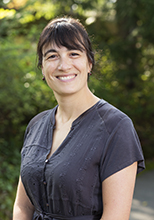
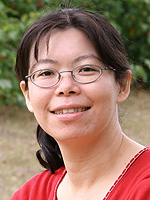
Nicole Templeman is Assistant Professor and Canada Research Chair in Cell Biology at University of Victoria. Her research investigates mechanisms of reproductive aging using C. elegans and mouse models, focusing on nutrient-sensing pathways and oocyte quality maintenance. Research Program: Nutrient-signaling regulation of reproductive aging Insulin pathway modulation of oocyte quality Evolutionarily conserved mechanisms of fertility preservation Laboratory Team: 3 PhD candidates and MSc students Multiple undergraduate researchers Honors & Funding: Canada Research Chair (Tier 2) in Cell Biology Michael Smith Health Research BC Scholar Jarislowsky Fellowship-Banting Discovery Award
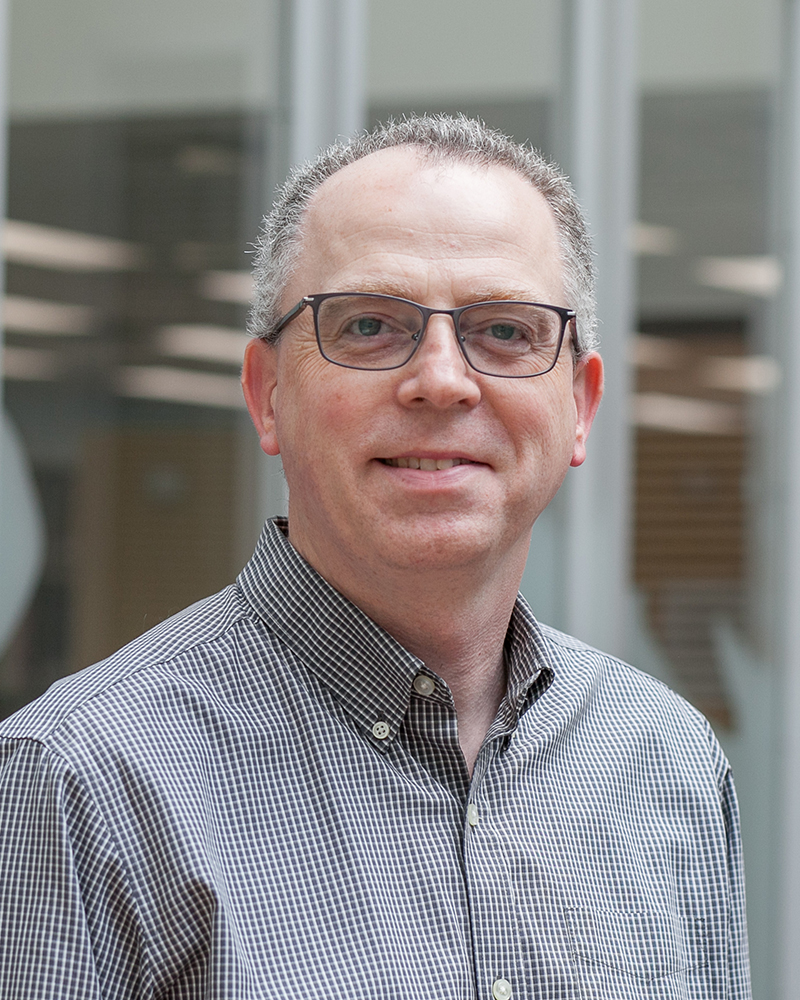
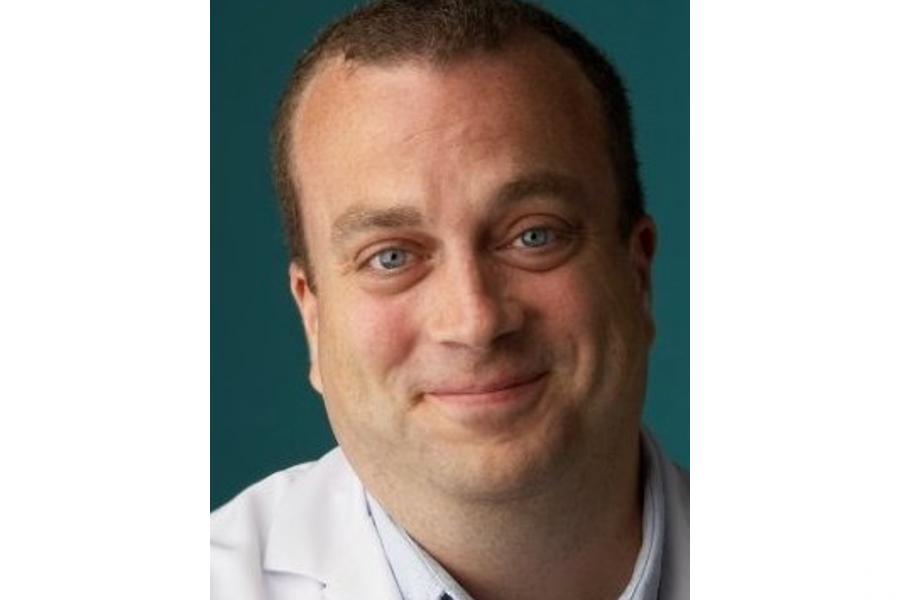
Dr. Daniel MacPhee is a Professor and Head of the Department of Veterinary Biomedical Sciences at the Western College of Veterinary Medicine, University of Saskatchewan. His research focuses on placental development, uterine function during pregnancy, and stress protein signaling in reproductive tissues. He leads projects funded by NSERC (2023-2028) investigating chaperome proteins' roles in myometrial adaptation and placental health. Collaborations include work on PRRSV-2 infection mechanisms through the Swine Health Research Group and One Reproductive Health Group. Dr. MacPhee's lab trains students for careers in reproductive sciences, biotechnology, and veterinary medicine. He holds a B.Sc. (Hons.) from Prince Edward Island and a Ph.D. from Western Ontario. Research Interests: - Chaperome regulation of myometrial smooth muscle function during pregnancy - Placental development and its implications for fetal health - Extracellular vesicle-mediated communication in stress responses - PRRSV-2 pathogenesis at the maternal-fetal interface - Molecular mechanisms of inflammation in reproductive tissues Key Projects: - Investigating HSPB proteins' roles in inflammation and cytoskeletal regulation - Examining stretch-induced extracellular vesicle production in myometrial cells - Linking placental dysfunction to future adult diseases through fetal programming Grants & Collaborations: - NSERC-funded research on chaperome biology (2023-2028) - Swine Health Research Group collaborations on viral infection models - One Reproductive Health Group initiatives for interdisciplinary training Lab Activities: - Hosts a dynamic research team with openings for qualified trainees - Emphasizes experimental design, data interpretation, and science communication - Produces >15 peer-reviewed publications annually with student involvement
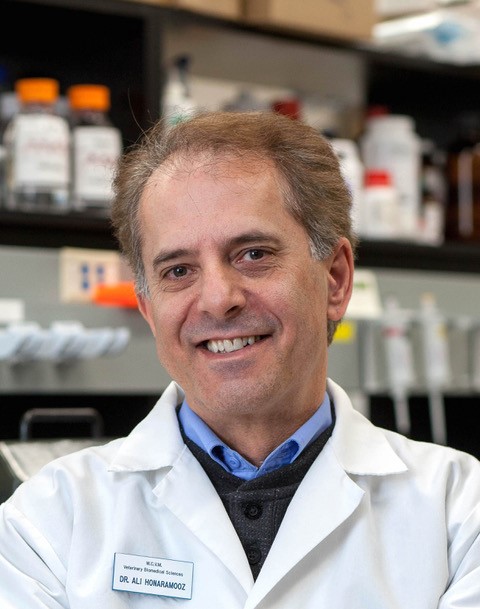
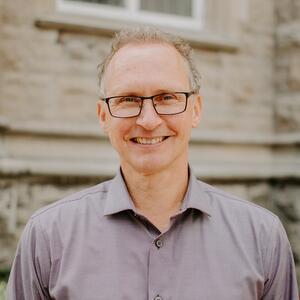
Ali Honaramooz is a Professor in the Department of Veterinary Biomedical Sciences at the University of Saskatchewan's Western College of Veterinary Medicine. His research focuses on reproductive biology and technology, particularly in spermatogenesis, male germline stem cells, and innovative models like testis tissue xenografting and testis regeneration. He holds a DVM from Shiraz University and a PhD from the University of Saskatchewan, with postdoctoral training and research associate experience. Education: DVM, Shiraz University PhD, University of Saskatchewan Postdoctoral training, University of Saskatchewan Research associate, University of Pennsylvania His research interests include developing breakthroughs such as germ cell transplantation, testis tissue xenografting for species conservation, and testis cell-aggregate implantation for studying testis formation. Notable contributions include producing the world’s first transgenic farm animals via germ cell transplantation and advancing testis organoid models for studying endocrine disruptors. Dr. Honaramooz’s work bridges basic and applied research, with applications in fertility preservation, endangered species conservation, and pediatric fertility protection. He collaborates with the One Reproductive Health team at the University of Saskatchewan and mentors students in graduate programs like VBMS 830.3 and VBMS 898.3.
Lynn Weber serves as Associate Dean of Research and Graduate Studies at the Western College of Veterinary Medicine (WCVM) and is a Professor in the Department of Veterinary Biomedical Sciences at the University of Saskatchewan. Her academic foundation includes a BSc in Pharmacy and PhD in Pharmacology & Toxicology from the University of British Columbia, followed by post-doctoral training at the University of Calgary and Oklahoma State University. Her research program investigates environmental, nutritional, and toxicological impacts on metabolism and cardiovascular health across diverse species including fish, rodents, dogs, and cats. Key initiatives include: Role of taurine deficiency in canine dilated cardiomyopathy Interactions between glycemic index, obesity, and diabetes in cardiovascular disease Neurotoxicity mechanisms of pesticides and groundwater contaminants Nutritional interventions in pet food formulation Dr. Weber's 2024 publications demonstrate concentrated expertise in environmental toxicology and veterinary nutrition, with methodological diversity spanning in vitro neurotoxicity screening, rodent behavioral studies, aquatic mesocosm experiments, and clinical nutrition trials. Her work consistently addresses real-world contaminant mixtures and translational health outcomes. She leads the Weber lab, which operates under core principles of equity, diversity, and inclusion through flexible, team-oriented mentorship. Current lab members include Bright Boamah, Priscila Curso-Almeida, and Luciana Guimaraes-Reis. Dr. Weber teaches General Pharmacology (VBMS 306) and veterinary nutrition (VLAC 315), contributing to multiple graduate courses in cardiovascular physiology and toxicology.
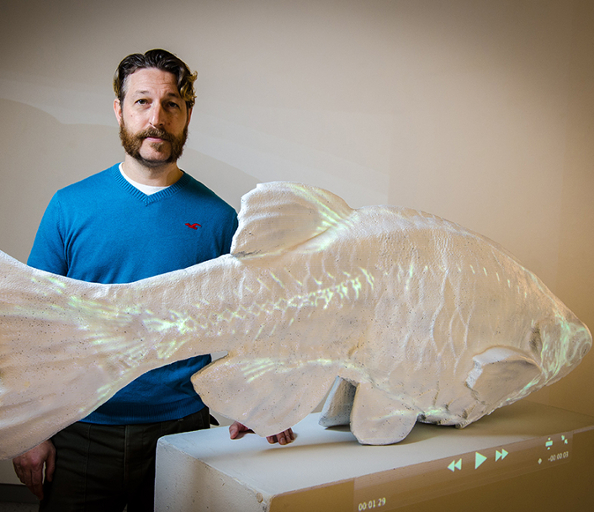
Dr. Brian Eames is a Professor in the Department of Anatomy, Physiology and Pharmacology at the University of Saskatchewan's College of Medicine. His research focuses on skeletal development and evolution, molecular genetics, synchrotron imaging, and 3D bioprinted tissue engineering. He leads an interdisciplinary lab of evolutionary and developmental biologists and tissue engineers. University of Saskatchewan, College of Medicine, Department of Anatomy, Physiology and Pharmacology Research Interests: Skeletal cell differentiation mechanisms External signals directing bone/cartilage cell fate Pathway activation in skeletal development Application to osteoarthritis therapies Evolutionary variation in skeletal genetics Comparative transcriptomics across chordates Publication Trends (2016-2025): His work spans developmental biology, evolutionary genetics, biomedical engineering, and imaging technology. Key themes include proteoglycan signaling, 3D bioprinting for cartilage, comparative skeletal evolution in cartilaginous fishes, and gene network analysis using bioinformatics tools. Scientific Awards: CIHR New Investigator Salary Award Faculty of 1000 'Must Read' recognition Cover image in Tissue Engineering Part C Methods ACS Editors’ Choice feature Laboratory Overview: The Eames Lab integrates molecular genetics, advanced imaging, and tissue engineering to explore skeletal development and evolution. They employ zebrafish and pig models, synchrotron radiation imaging, and computational approaches to analyze gene co-expression networks.
Dr. Steven X. Wang is a full professor in the Department of Statistics at York University and currently serves as the Director of the undergraduate Data Science program. He holds a U.S. patent for Machine Learning and has been recognized with prestigious awards including the Queen Elizabeth II Platinum Jubilee Award (2023) and the Markham-Unionville Achievement Award and Medal (2025) for his contributions to AI in healthcare. Education: Postdoc in Data Science, Pacific Institute of Mathematical Sciences (2002) Ph.D. in Statistics, University of British Columbia (2001) M.Sc. in Applied Statistics, University of California, Riverside B.Sc. in Computational Mathematics, Beijing University of Technology Research Interests: Dr. Wang focuses on applying AI/machine learning to healthcare, particularly in pain analysis using EEG signals and financial time series modeling. His work bridges statistical theory with practical applications in biomedical engineering and medical data analysis. Publications: His recent articles emphasize advancements in neural networks for EEG analysis, financial portfolio strategies, and biomedical signal processing. His work consistently integrates interdisciplinary methods to solve real-world health and financial challenges. Awards: Queen Elizabeth II Platinum Jubilee Award (2023) Markham-Unionville Achievement Award and Medal (2025) U.S. Patent for Machine Learning Innovations Experience: With 30 years of consulting experience and 25 years in scientific computing, Dr. Wang leads research projects addressing critical challenges in healthcare and data-driven decision-making.
Dr. Pei-Ying Lin is an Associate Professor in the Department of Educational Psychology and Special Education at the University of Saskatchewan. She focuses on assessment practices for students with disabilities and English language learners, combining quantitative, qualitative, and experimental methodologies. Her work addresses inclusive education challenges, teacher training, and psychometric innovations. PhD from Ontario Institute for Studies in Education (OISE/UT), Canada MEd from National Changhua University of Education, Taiwan BEd from National University of Tainan, Taiwan Research interests include: Educational measurement and psychometrics Inclusive assessment design Accommodation effects for marginalized students Teacher education in inclusive practices Educational neuroscience applications Recent publications (2014-2020) emphasize cognitive processes in reading, accommodation equity, and cross-cultural assessment challenges. Her work often uses advanced statistical methods like IRT and latent class analysis. Professional service includes: Executive board member, Canadian Education Researchers’ Association (CERA) Board member, Saskatchewan Preventive Institute Advisory work includes supervising 1 MEd graduate student (Baiochi, 2017). Active in securing grants including a 2020 SSHRC award for social sciences research. Key collaborations involve cross-disciplinary teams investigating bilingual language processing and neurocognitive aspects of learning disabilities.
Bernard J. Crespi is a Professor of Evolutionary Biology and holds the Canada Research Chair in Evolutionary Genetics and Psychology at Simon Fraser University's Department of Biological Sciences. His research focuses on integrating genetic, ecological, and phylogenetic approaches to study social evolution, human health and disease, maternal-fetal conflict, and speciation. Key projects include analyzing social behavior in gall-forming thrips, evolutionary genetics of autism and schizophrenia, and speciation in Timema walking sticks. Crespi leads a dynamic lab with students and collaborators worldwide, and his work bridges evolutionary theory with clinical applications in medicine and psychiatry. He is affiliated with the Faculty of Science and actively mentors students in undergraduate, graduate, and postdoctoral training programs. Education: AB from University of Chicago, PhD from University of Michigan Awards: Canada Research Chair in Evolutionary Genetics and Psychology Research Groups: Evolutionary Medicine, Social Brain Disorders, Speciation Genomics Lab Members: Natalie Dinsdale (PhD), Tanya Procyshyn (MSc), Iiro Salminen (incoming PhD) His research emphasizes genomic imprinting, diametric disorders (e.g., autism vs. schizophrenia), and evolutionary conflicts underlying human health. His lab uses fieldwork, genomic analyses, and interdisciplinary collaborations to address fundamental questions in evolutionary biology and medicine.
Dr. Vicki Marlatt is a Professor in the Department of Biological Sciences at Simon Fraser University (SFU), specializing in Environmental Toxicology. She holds a BSc from SFU, MSc from the University of Guelph, and PhD from the University of Ottawa. Her research focuses on the toxicological effects of environmental contaminants, particularly endocrine disruptors, in vertebrate and invertebrate models such as fish, amphibians, and salamanders. She integrates in vivo assays with molecular endpoints to study low-level, chronic contaminant exposures and their impacts on organismal development and physiology. Dr. Marlatt teaches environmental toxicology courses in SFU’s professional program, emphasizing regulatory frameworks and international standards. Her work spans academic, industrial, and governmental sectors, addressing human and ecological health impacts of pollutants. Education: BSc, Simon Fraser University MSc, University of Guelph PhD, University of Ottawa Research Interests: Dr. Marlatt’s interdisciplinary research explores environmental contaminants’ effects on endocrine systems and development. Key areas include: Neonicotinoid toxicity in amphibians Herbicide effects on fish and amphibians (e.g., diquat dibromide, linuron) Endocrine disruption in salmonids Triclosan’s role in amphibian metamorphosis Selenium’s sublethal impacts on fish growth Her work combines proteomics, transcriptomics, and field-based biomonitoring to assess contaminant risks. Awards & Recognition: No specific awards are listed, but her contributions to environmental toxicology are recognized through peer-reviewed publications and teaching excellence. Grants & Funding: While not explicitly detailed, her research indicates sustained funding for studies on pesticides, herbicides, and endocrine disruptors in aquatic systems. Labs & Facilities: Dr. Marlatt’s research leverages SFU’s facilities, including the RadioNuclide Lab and shared equipment for proteomics and molecular analysis.
Aaron Newman is a Professor and Chair in the Department of Psychology and Neuroscience at Dalhousie University, with affiliations in Psychiatry, Surgery, and Pediatrics. He holds cross-departmental roles bridging cognitive neuroscience, neuroimaging, and translational research. Newman earned a BA (Honors) from the University of Winnipeg, followed by an MSc and PhD from the University of Oregon, and completed a Postdoctoral Fellowship at the University of Rochester. His research focuses on neuroimaging techniques (EEG, fMRI, fNIRS) to study relationships between brain activity and language processing. He directs the NeuroCognitive Imaging Lab (NCIL), advancing brain-computer interface technology and investigating applied contexts like second language learning, reading development, and assistive devices. Collaborations include Dr. Colin Conrad in the School of Information Management, exploring Neuro-Information Systems and trust in AI. Newman emphasizes interdisciplinary training, co-authoring textbooks Research Methods in Cognitive Neuroscience and Neural Data Science in Python . He also promotes creative problem-solving through the SURGE Innovation Sandbox, integrating entrepreneurship and design thinking into academic research. The NCIL lab supports trainees across undergraduate to postdoctoral levels, emphasizing both scientific rigor and professional skills for academic and industry careers.
Dr. Jody Haigh is a Professor in the Department of Pharmacology and Therapeutics at the Max Rady College of Medicine, University of Manitoba. He leads a research group at the Research Institute in Oncology and Hematology (RIOH), focusing on leukemia and cellular plasticity. His work involves investigating ZEB/SNAI transcription factors in blood cell development, identifying novel therapies for aggressive blood cancers, and exploring regenerative medicine applications. Education: BSc (Honours) in Life Sciences (Queen’s University, 1992), MSc in Biochemistry (Queen’s Cancer Research Institute, 1995), PhD in Biochemistry (IMP/University of Vienna, 2000). Postdoctoral training at Mount Sinai Hospital (2000–2004). Prior academic roles include positions at Ghent University (Belgium) and Monash University (Australia). Research Themes: Cellular plasticity in cancer and regeneration Leukemia biology and therapeutic targeting Epigenetic modulation in hematopoietic systems Generation of transgenic mouse models Publications: Over 90 peer-reviewed articles in journals like Blood , Nature , and Nature Communications , with >7,000 citations. Recent work emphasizes ZEB2’s role in leukemia progression and novel combination therapies. Awards: Larkins Fellowship (Monash University), Terry Fox Postdoctoral Fellowship, and Vienna Biocentre PhD Studentship. His research is supported by grants from CancerCare Manitoba and the University of Manitoba. Labs/Teams: Leads the Haigh Lab at RIOH, collaborating with the Manitoba Epigenetics Network. Actively mentors students in PhD and Master’s programs, focusing on hematological malignancies and regenerative strategies.
Dr. Jean Côté is Professor of Sport Psychology at Queen's University, where he directs research on youth athlete development and coaching effectiveness. He leads the Queen's Sport Psychology Lab and holds PhD and MSc degrees from the University of Ottawa and University of Montreal respectively. Research Program: Professor Côté investigates psychosocial factors influencing sport participation and performance, with emphasis on: Coach-athlete-parent interactions Positive youth development through sport Transformational coaching behaviors Developmental pathways in sport Relative age effects His work employs diverse methodologies including systematic observation, video analysis, interviews, and questionnaire-based studies across multiple sports. Publication Focus: Recent scholarship addresses coach education effectiveness, family involvement in sport, and athlete wellbeing frameworks. Methodological innovations include experience sampling applications and RE-AIM evaluations of youth sport programs. Growing emphasis on mental health support systems for high-performance coaches represents an emerging research direction. Training & Funding: Dr. Côté mentors graduate students through Ontario Graduate Scholarship and SSHRC-funded projects. Current research is supported by Social Sciences and Humanities Research Council grants. He encourages student presentations at international sport psychology conferences as part of professional development.
Dr. Mark Bruner is a Professor at Nipissing University, holding the Canada Research Chair (Tier II) in Youth Development through Sport and Physical Activity. He is affiliated with the Schulich School of Education within the Faculty of Education and Professional Studies. His research focuses on group dynamics, social identity, and positive youth development in sport and physical activity contexts. Bruner leads initiatives such as the Nipissing University Youth Development through Sport and Physical Activity Laboratory. Education: Bachelor of Kinesiology (BKin), McMaster University Master of Teaching (MTeach), Griffith University Master of Human Kinetics (MHK), University of Windsor PhD, University of Saskatchewan Research Interests: Bruner examines how social identity and group dynamics shape youth behavior and development in sport. His work investigates interventions to enhance physical activity adherence, moral behavior in teams, and the design of supportive sport environments. Key themes include fostering social identity to promote pro-social behavior and long-term participation in sport. Articles: His recent work explores identity leadership’s impact on mental health, cross-cultural studies of antisocial behavior in sport, and the application of social identity theory to youth development programs. These studies highlight his focus on practical interventions and theoretical advancements in sport psychology. Awards: Canada Research Chair (Tier II) in Youth Development through Sport and Physical Activity (2015–present) Advising & Grants: Bruner supervises graduate and undergraduate students, evident through co-authored publications. His CRC grant supports initiatives like the Together For Us (T4Us) intervention and the development of the Identity Leadership Inventory–Youth (ILI-Y). Labs & Teams: The Youth Development through Sport and Physical Activity Laboratory at Nipissing University is central to his work, focusing on empirical studies and applied interventions to maximize the developmental benefits of sport participation.
Marie Eva Pigeyre , Associate Professor at McMaster University's Department of Medicine, specializes in metabolic disorders and genetic epidemiology. Her research bridges type 2 diabetes, obesity, and cardiovascular outcomes through innovative Mendelian randomization frameworks. Current appointment: Associate Professor, Department of Medicine, Faculty of Health Sciences, McMaster University Research Themes: Genetic determinants of metabolic diseases, proteome-wide association studies, bariatric surgery outcomes, and causal biomarker identification for diabetes and cardiovascular conditions. She leads multi-ethnic analyses and contributes to clinical trial subtyping, notably in the ORIGIN trial. Recent Publications: Focus on blood proteome associations with brain health, effect modifiers in genetic studies, and gestational diabetes biomarkers. Her work spans from basic science (e.g., adipose tissue function) to population health (e.g., aging studies). Collaborative Networks: Engaged in international consortia, with publications in Diabetologia , Nature Genetics , Circulation , and Kidney International . Key methodologies include Mendelian randomization and multi-ancestry proteogenomic approaches.
Dr. Sheila Singh is a Professor in the Department of Surgery and Biochemistry at McMaster University, holding the Canada Research Chair in Human Cancer Stem Cell Biology. She leads the Surgeon-Scientist Program, Pediatric Brain Tumour Study Group, and directs the Centre for Discovery in Cancer Research (CDCR). Her work bridges neurosurgery and translational oncology, focusing on cancer stem cells in brain tumors. She earned her M.D. from McMaster and Ph.D./Neurosurgery degrees from the University of Toronto. Her research explores cancer stem cell biology, glioblastoma recurrence, and medulloblastoma therapies. Key areas include CAR-T cell engineering, metabolic vulnerabilities, and axonal guidance pathways. Awards include the Canada Research Chair. Recent studies target brain metastases, ROBO1-dependent invasion, and MYC-driven tumors. Education: MD (McMaster), PhD (University of Toronto) Directorships: Surgeon-Scientist Program, Pediatric Brain Tumour Study Group, CDCR Awards: Canada Research Chair Research spans brain tumor genomics, immunotherapy, and developmental neurobiology approaches. Her lab develops novel therapies for recurrent brain cancers, with a focus on minimizing treatment resistance.