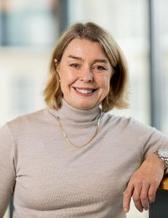
Malin Broberg is a Professor in Psychology and the current Vice-Chancellor (since 2023) and President of the University of Gothenburg. She was previously Dean of the Faculty of Social Sciences at the same institution. Educated at Umeå University, she is a licensed psychologist with a clinical background in child and youth habilitation. Her research focuses on: Welfare systems for families with disabled children Stress coping mechanisms Neurodevelopmental impacts of brain damage in children Augmentative and Alternative Communication (AAC) Parental well-being and resilience Recent publications (2024-2023) highlight her work in neuropsychology, health-promoting learning environments, and AAC interventions for children with profound disabilities. She has collaborated with researchers in Sweden and the USA, and her work appears in journals like Child Neuropsychology and Disability and Rehabilitation-Assistive Technology . Malin Broberg has supervised doctoral and Master’s theses in developmental psychology and disability research. She has also served as General Secretary of the International Association for the Scientific Study of Intellectual and Developmental Disabilities (IASSIDD).
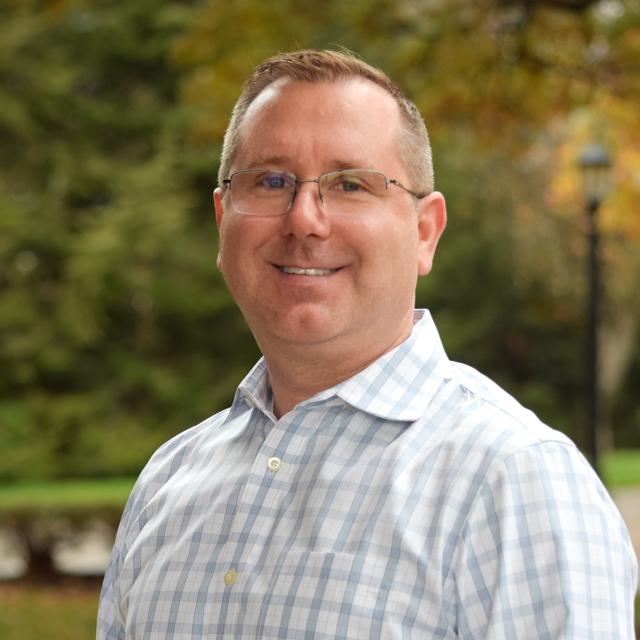
Stuart Carroll is an Associate Professor of Elementary Education and Co-Chair of the Department of Elementary and Early Childhood Education at The College of New Jersey's School of Education. He also serves as Faculty Director of Global Graduate Programs, demonstrating his commitment to international education experiences. Dr. Carroll earned his Ph.D. in Teaching and Curriculum from Syracuse University (1999), an MEd in Teaching ESL from Trenton State College (1995), a Bed in Elementary Education from the University of Manitoba (1987), a J.D. from the University of Manitoba (1983), and a B.A. in History from the University of Manitoba (1981). Carroll's research focuses on inclusive education, particularly for students with intellectual disabilities, teacher preparation programs, global education experiences, and ESL teaching methods. His work examines how preservice teachers develop through experiences with diverse learners, especially those with disabilities, and how these experiences shape their professional identities. He has extensively studied the impact of inclusive classroom experiences on teacher development and has developed innovative approaches to teacher education that emphasize compassion and care, particularly in the post-pandemic educational landscape. His recent publications show a clear trajectory toward examining teacher preparation in challenging contexts, including the Ukrainian refugee crisis and pandemic recovery. His work consistently emphasizes the importance of inclusive practices, compassionate teaching, and global perspectives in teacher education. Dr. Carroll has received numerous honors including The College of New Jersey School of Education's Teacher of the Year (2015) and the Northeastern Association of Graduate Schools Graduate Teaching Award (2007). The College of New Jersey School of Education's Teacher of the Year (2015) Northeastern Association of Graduate Schools Graduate Teaching Award (2007) Dissertation award, Syracuse University (1999) Berj Harootunian Award for Outstanding Dissertation Proposal (1997) Carroll has coordinated the MAT Program (2002-2008) and the Global Student Teaching Program (2001-2007), demonstrating his leadership in teacher preparation. He has secured significant grant funding including a $96,000 grant from the Developmental Disabilities Council of the State of New Jersey (2008-2009) and participation in a federal TPSID grant with Bergen Community College (2018-2019). His service includes numerous committee memberships related to faculty excellence, certification, departmental awards, and curriculum development. Through his leadership of the Career and Community Studies Program and his extensive research on inclusive education, Carroll has established TCNJ as a leader in inclusive postsecondary education for students with intellectual disabilities. His work bridges theory and practice, creating meaningful opportunities for preservice teachers to learn alongside peers with disabilities.
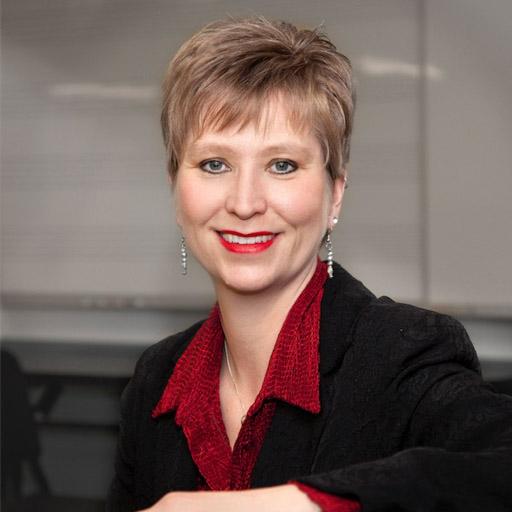
Kirk Heilbrun is a Professor at Drexel University's Department of Psychological and Brain Sciences. He has served as department head from 1999-2012 and 2014-2016, and previously held roles as a staff psychologist and chief psychologist at forensic institutions. He directs the Reentry Project, providing pro bono assessment and treatment services for justice-involved individuals. PhD in Clinical Psychology from the University of Texas at Austin His research focuses on forensic mental health assessment, violence risk assessment, and interventions to reduce reoffending. He explores ethical, racial, and pandemic-related challenges in forensic psychology. Recent publications address trauma-informed collateral interviewing, race-conscious assessment, competence restoration models, and pandemic policy responses. These works intersect forensic psychology, legal policy, and public health. Fellow of the American Psychological Association (six divisions) Board Certified in Clinical Psychology Board Certified in Forensic Psychology He leads the Drexel Forensic Assessment Clinic, which evaluates juvenile commitment, competence to stand trial, and workplace disability cases, and the Reentry Project, which supports pro bono services for justice-involved individuals.
Dr. Ara J. Schmitt is a Professor of School Psychology and Associate Dean for Research and Faculty Advancement at Duquesne University's School of Education. He holds a Ph.D. from Illinois State University (2001) and a B.S. from the University of Illinois at Urbana-Champaign (1996). His research focuses on neuropsychological assessment, evidence-based interventions for learning disabilities, school-based chronic illness management, and bullying dynamics. Dr. Schmitt has authored numerous peer-reviewed articles, book chapters, and textbooks, including Patterns of Learning Disorders (2006) and Theory and Cases in School-Based Consultation (2020). Education: Ph.D., School Psychology, Illinois State University (2001); B.S., Psychology, University of Illinois (1996) Professional Roles: Associate Dean for Research, School Psychology Program Director, Adjunct Faculty Collaborator His research interests emphasize applied interventions in schools, including neurocognitive assessments, concussion management, and bullying prevention. He has pioneered studies on Taped Problems Intervention adaptations for remote learning and explored cognitive predictors of bullying behavior in adolescents. Recent work addresses socially responsive evaluation practices in health psychology and disparities in concussion awareness among athletes and parents. Dr. Schmitt has advised over 20 graduate students and contributed to national initiatives like the CCTC 2020 guidelines for health psychology training. His work bridges clinical practice and education, particularly in supporting students with chronic illnesses and neurodiverse needs.
Simo Vehmas is Professor of Special Education at Stockholm University's Department of Special Education. He is currently on research leave for the academic year 2024-2025 at the Paris Institute for Advanced Study, with plans to resume departmental activities from July 2025. His academic work spans theoretical and empirical approaches to disability studies, with particular focus on profound intellectual and multiple disabilities. Professor Vehmas's research interests center on theoretical and ethical issues related to disability, examining the ontological formation as well as the moral and political significance of disability. His work bridges philosophical inquiry with practical educational concerns, particularly regarding persons with profound intellectual and multiple disabilities. Recent publications demonstrate his commitment to exploring the intersection of language, identity, and rights within disability contexts. His scholarship engages deeply with questions of personhood, moral status, and the social construction of disability, while also addressing practical implications for education and policy. Analysis of Vehmas's recent publications reveals a consistent thematic trajectory exploring the philosophical foundations of disability while increasingly incorporating empirical research methods. His work spans multiple disciplines including philosophy, ethics, linguistics, education, and social policy, with particular attention to Swedish disability contexts. The publications demonstrate growing engagement with interdisciplinary approaches to disability studies, moving from purely theoretical frameworks toward more applied research on music therapy, educational interventions, and everyday experiences of people with profound intellectual disabilities. Vehmas has made significant contributions through book publications including 'Narrowed Lives: Meaning, Moral Value, and Profound Intellectual Disability' (2021), 'Vaikeasti kehitysvammaisten arki ja ihmisyys' (2022), and co-editing the 'Routledge Handbook of Disability Studies: Second Edition' (2020). His scholarly output reflects deep engagement with both international disability scholarship and specifically Nordic approaches to disability. While specific grant information is not provided in the available materials, Professor Vehmas's research leave at the Paris Institute for Advanced Study indicates active engagement with international research networks. His collaborative work with researchers like Riitta Mietola suggests participation in research teams focused on profound intellectual disabilities. His publications suggest ongoing work in developing pedagogical interventions and theoretical frameworks for understanding disability experiences.
Karrie A. Shogren is the Ross and Marianna Beach Distinguished Professor at the University of Kansas. Her work focuses on self-determination for individuals with intellectual and developmental disabilities, emphasizing educational outcomes, policy, and inclusive practices. She holds a Ph.D. in Disability and Education from KU, an M.A. in Psychology from the University of Dayton, and a B.S. in Psychology from The Ohio State University (summa cum laude). Her research spans self-determination interventions, special education policy, and the intersection of disability and citizenship. Key areas include improving IEP goal attainment, evaluating technology-delivered interventions, and co-designing inclusive environments with disability communities. She advocates for supported decision-making alternatives to guardianship and has published extensively on measurement tools for self-determination. Dr. Shogren’s awards include the distinguished professorship, recognizing her contributions to advancing equity in education for marginalized groups. She collaborates internationally, adapting interventions across cultural contexts while prioritizing anti-racism and anti-ableism in transition services. Her work intersects with museum accessibility, telehealth mindfulness programs for adolescents with disabilities, and policy reforms to reduce educational segregation. She emphasizes practitioner partnerships, developing teacher coaching models to implement self-determination practices in inclusive classrooms.
Dr. Laurel Young is a Professor in the Department of Creative Arts Therapies at Concordia University, specializing in music therapy with a focus on gerontology, palliative care, and neurodiverse populations. She holds certifications in the Bonny Method of Guided Imagery and Music (FAMI) and has over 23 years of clinical experience across geriatrics/dementia, oncology, HIV care, and developmental disabilities. Her roles have included Professional Leader of Creative Arts Therapies at Sunnybrook Health Sciences Centre and teaching positions at Wilfrid Laurier University and Temple University. Dr. Young’s research spans multicultural competence in therapy, ethical frameworks, and the intersection of music with health and well-being. Key themes include end-of-life care for dementia patients, singing groups for autistic adults, and bereavement support through music. She has published extensively in peer-reviewed journals and books, including editorial leadership for Barcelona Publishers’ Qualitative Inquiries in Music Therapy Monograph Series (2012–2013). Her work emphasizes bridging research and clinical practice, with a focus on marginalized groups such as older adults, individuals with disabilities, and those facing chronic illnesses. Awards include the 2014 CAMT Research & Publications Award and teaching accolades from Wilfrid Laurier and Temple Universities. Current projects explore AI-assisted therapeutic technologies and community-based music interventions.
Camille Owens is an Assistant Professor in the Department of English at McGill University, affiliated with the Faculty of Arts. Her research focuses on race, childhood, disability, and archival methodologies, with a particular emphasis on African American literature and Black feminisms. She holds a Ph.D. from Yale University and a B.A. from Harvard University, where she graduated summa cum laude. Owens’ work challenges historical narratives about childhood’s universality by centering Black children’s experiences and contributions. Her book Like Children: Black Prodigy and the Measure of the Human in America (2024) rethinks the intersections of race, developmental schemas, and ableism in 19th-century America. Education Ph.D., M.Phil., M.A., Yale University (African American Studies and American Studies) B.A., summa cum laude, Harvard University (History & Literature and Women, Gender, Sexuality Studies) Awards & Honors Junior Fellow, Harvard Society of Fellows (2020–2023) 1921 Prize in American Literature (2022) Ralph Henry Gabriel Dissertation Prize (2020) Sylvia Ardyn Boone Dissertation Prize (2020) Owens teaches courses on Black studies, Indigenous literatures, disability studies, and archival theory. Her research bridges literary analysis with historical critique, emphasizing marginalized voices in archives and cultural production.
Angel Fettig is a Professor in the Department of Special Education at the University of Washington's College of Education. She specializes in Early Childhood Special Education, with a focus on developmental disabilities, social-emotional development, and family-centered practices. Her research emphasizes culturally responsive interventions and the implementation of evidence-based practices in early intervention and education settings. Dr. Fettig holds a Ph.D. and M.Ed. in Special Education from the University of Illinois at Urbana-Champaign. Her research interests include challenging behaviors, autism spectrum disorders, and mixed methods research approaches. She explores factors influencing intervention fidelity and supports for educators and caregivers. Recent work examines pandemic impacts on education services and culturally responsive practices for marginalized families. Publications highlight innovation in tele-intervention, practitioner training, and social-emotional intervention frameworks. While no formal awards are listed, her work demonstrates significant contributions to early childhood special education policy and practice. Dr. Fettig's advising and grants focus on early childhood interventions, though specific grant details are not provided here. She contributes to the Special Education Doctoral program and collaborates with teams advancing equity in early education. Her office is located in 102G Miller Hall.
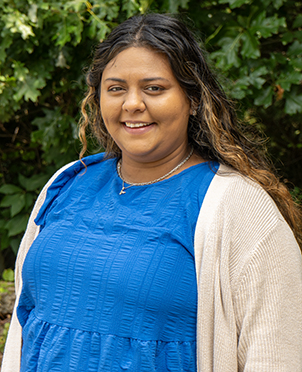
Ashley Nordone is an academic professional at Curry College, currently serving as a Lecturer affiliated with the Program for Advancement of Learning (PAL). Her work focuses on educational support and accessibility initiatives for students. Research Interests: Specialized in advancing learning strategies for students with diverse needs, particularly those with learning disabilities. Her practice emphasizes creating inclusive educational environments and supporting student development through structured learning frameworks.
Katsuhito Yasuno is a Research Scientist in the Department of Neurosurgery at Yale School of Medicine. He works within the Gunel Lab, focusing on neurogenetic research related to brain disorders, vascular conditions, and tumors. His work involves genomic analyses and molecular studies to understand the genetic basis of various neurological conditions. Education: Postdoctoral Fellow, Japan Science and Technology Corporation (2008) Postdoctoral Fellow, Japan Biological Informatics Consortium (2006) Postdoctoral Fellow, Tokai University School of Medicine (2004) PhD in Theoretical Physics, Tokyo Institute of Technology (2002) MS in Theoretical Physics, Tokyo Institute of Technology (1999) BS in Physics, Tokyo Metropolitan University (1997) Dr. Yasuno's research spans multiple areas of neurogenetics and molecular neuroscience. His primary interests include epidemiologic factors and methods related to brain tumors (particularly glioblastoma and meningioma), intracranial aneurysms, nervous system diseases and malformations, and vascular diseases. His physics background contributes to sophisticated analytical approaches in genetic research. His publication record shows consistent contributions to understanding the genetic mechanisms underlying neurological disorders, with recent work focusing on meningioma genetics, brain malformations, and vascular disorders. The research demonstrates a progression from basic genetic discovery to translational applications, with particular emphasis on molecular pathways that could serve as therapeutic targets. Dr. Yasuno collaborates extensively with leading researchers in the field, most notably with Dr. Murat Günel (28 common publications) and Dr. Kaya Bilguvar (34 common publications). His work involves both computational analysis and laboratory validation of genetic findings. As part of the Gunel Lab, Dr. Yasuno contributes to the lab's three major research interests: developmental neurogenetic disorders, neurovascular disorders, and brain tumor biology. The lab utilizes advanced genomics techniques and bioinformatic analysis for gene discovery followed by functional studies.
Robinder P. Bedi is a Professor in the Department of Educational and Counselling Psychology, and Special Education at the University of British Columbia (UBC). He specializes in Counselling Psychology , with a focus on Cultural Psychology , Multicultural Counselling Competencies , and integrating Indigenous Psychologies into Western practices. His work addresses Counselling with Men and Masculinity , Folk Models of Illness , and Cultural Adaptation of Psychotherapy , particularly for Punjabi Sikh and Asian-Indian populations. Research Trends : Recent publications analyze the ideological underpinnings of Western psychotherapy , gender dynamics in Indian counselling , and program evaluations for immigrant/refugee trauma interventions . Subfields include implicit bias in Muslim mental health , substance use recovery metrics , and sexuality counseling pedagogy . Scientific Awards : Michael Smith Foundation for Health Research Scholar Award (2009) Green College Leading Edge Scholar (2015) Killam Laureate (2022) Canadian Psychological Association Fellow (2023) Advising : Mentored students such as Kesha Pradhan (PhD candidate), Syler Hayes (poster awardee), and Graham Haber (SSHRC awardee). His lab promotes multi-level mentorship and co-authorship opportunities. Labs : Leads the Counselling and Psychotherapy Research, Teaching, and Service (RTS) Lab at UBC, which emphasizes critical thinking , cross-cultural research , and integration of traditional healing methods .
Anita L Lightburn is an Associate Teaching Professor in the Department of Communication Sciences and Disorders at Syracuse University's College of Arts & Sciences. She serves as a clinical supervisor at the Gebbie Speech-Language-Hearing Clinic. Her expertise focuses on communication disorders in children, particularly bilingualism, multicultural issues in speech-language pathology, and fluency disorders. She holds TESOL certification and has contributed to programs addressing BIPOC graduate student success. Education: M.S., Speech-Language Pathology, Syracuse University (1991) B.S., Communication Sciences & Disorders, Syracuse University (1990) Research Interests: Clinical and research efforts emphasize culturally responsive practices for children with communication disorders, including autism spectrum disorder and stuttering. Recent work addresses Hispanic family experiences and multicultural program development in academia. Recent Contributions: Published in Research in Developmental Disabilities and Teaching and Learning in Communication Sciences and Disorders . Presented at ASHA and NBASLH conferences on BIPOC student support programs and stuttering interventions. Service & Leadership: Coordinator of Speaking Orange Fluency Summer Camp for children who stutter Committee member for Student Diversity & Success in CSD Panelist for WISE Women of Color in STEM and DePaul University's Black History Month Labs/Teams: Active in the Gebbie Speech-Language-Hearing Clinic and the Speaking Orange Fluency Program.
Prof. Dr. Garvin Brod is a Research Professor at the DIPF | Leibniz Institute for Research and Information in Education and Goethe University Frankfurt, specializing in individualized learning and cognitive development. He is affiliated with the Department of Educational Psychology within the College of Psychology & Sports Science. His research focuses on technology-supported educational interventions, memory and learning dynamics, and the development of knowledge acquisition processes. Brod leads projects like ACHILLES (learning success diagnostics), PROMPT (digital prompting techniques), and VokSi (vocabulary learning), addressing self-regulated learning, reading education, and cognitive strategies. The 13 most recent publications highlight trends in educational technology, self-regulated learning mechanisms, and cognitive development. Key themes include mobile learning interventions, memory retention strategies, and the role of executive functions in belief revision. Brod’s work bridges experimental psychology with practical EdTech solutions for children’s learning challenges. As a visiting fellow at St John's College, University of Cambridge, and head of DIPF’s departments for Individualized Support and Education and Development, Brod collaborates on data-sharing initiatives like ShaReD. He holds a doctorate from Humboldt University and a diploma in psychology from Saarland University.
Michael C. Rodriguez is the Dean of the College of Education and Human Development (CEHD) at the University of Minnesota and holds the Campbell Leadership Chair in Education and Human Development. He has been a professor of measurement at CEHD since 1999. Education: PhD in Measurement & Quantitative Methods (Michigan State University), MA in Public Affairs (University of Minnesota Twin Cities), BA in Psychology (University of Minnesota Morris) His research focuses on test development , measurement accessibility , social-emotional learning assessment , and psychometric meta-analysis . He pioneered the use of item response models to evaluate equity in testing for students with disabilities and English language learners. Recent publications emphasize fairness in assessment , longitudinal SEL measurement , and foundational competencies in educational measurement . His work bridges psychometrics with socio-cultural youth development contexts. Scientific Awards: All My Relations Equity in Action Award (2022), C. Eugene Allen Award (2019), Robert H. Beck Teaching Award (2008) He chairs the Technical Advisory Group of the National Board of Professional Teaching Standards and contributes to the revision of the Standards for Educational and Psychological Testing . As founding director of the Minnesota Youth Development Research Group, he explores measurement frameworks for educational equity and youth wellbeing.