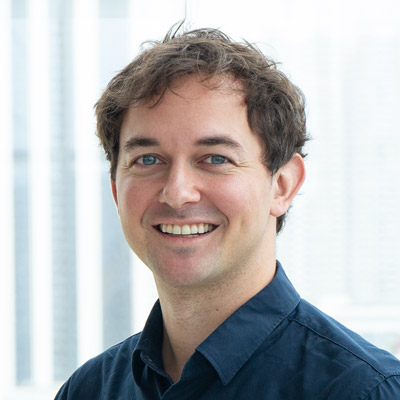
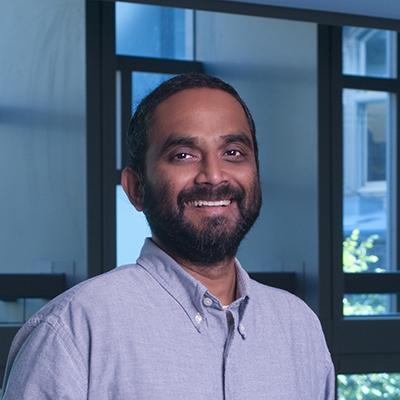
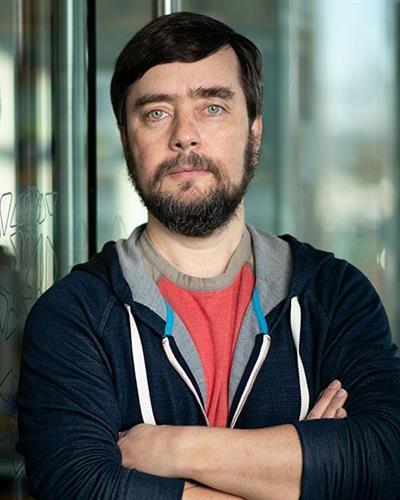
Andrew Holle is an Assistant Professor at the Mechanobiology Institute , National University of Singapore , where he leads the Confinement Mechanobiology Lab within the Department of Biomedical Engineering . His work spans mechanobiology, stem cell differentiation, cancer mechanobiology, and microfluidics, with a focus on understanding how physical confinement influences cellular behavior. Education: B.S.E. in Bioengineering (Minor in Statistics), Arizona State University (2008) Ph.D. in Bioengineering, University of California San Diego (2013) Research in the Confinement Mechanobiology Lab centers on the hypothesis that stem cell differentiation is driven by mechanical cues during migration through confined extracellular matrix (ECM) environments. The lab develops microfluidic systems to mimic ECM confinement and studies its impact on osteogenic differentiation , cancer cell migration , and cellular condensates . Recent publications highlight interdisciplinary approaches combining mechanobiology , nanotechnology , and microfluidics to explore nuclear morphological changes, volume regulation, and ligand signaling in confined cellular environments. Laboratory Members: Privita Edwina (Research Fellow) Vaishnavi Rangaraj (Research Assistant) Sriram Muthukumar (Research Fellow) Chang Ye Ji (PhD Student) Gao Xu (PhD Student) Lim Yuan Bin (PhD Student) Shinny Sunny (PhD Student) Lee Jia Wen Nicole (PhD Student) Li Yixuan (PhD Student)
Vivek Shenoy is the Eduardo D. Glandt President's Distinguished Professor at the University of Pennsylvania, with primary appointments in the Department of Materials Science and Engineering and secondary appointments in Bioengineering and Mechanical Engineering and Applied Mechanics. He leads the Multiscale Mechanobiology and Biomaterials Laboratory, which focuses on developing theoretical frameworks and numerical methods to understand complex biological and engineering systems across multiple length scales. Shenoy's research spans mechanobiology, chromatin organization, cell mechanics, and biomaterials. His work addresses the fundamental challenge of modeling how small-scale cellular phenomena couple with long-range tissue-level interactions across micrometers to centimeters. By integrating insights from soft matter physics, solid mechanics, chemistry, and applied mathematics, his group develops multiphysics continuum and mesoscale theories to elucidate mechanisms controlling both biological and engineering systems. His recent publications demonstrate an increasing focus on nuclear mechanics, chromatin organization, and the interplay between mechanical forces and gene regulation. Analysis of Shenoy's publication record reveals a strong interdisciplinary approach, with high-impact papers spanning biophysics, materials science, and cell biology. His work shows consistent evolution from fundamental mechanics of materials to complex biological systems, with recent emphasis on the mechanical regulation of chromatin architecture, cell migration dynamics in 3D environments, and mechanotransduction in development and disease. His publications appear regularly in top journals including Nature, Science, and their affiliated publications, demonstrating significant influence across multiple fields. Eduardo D. Glandt President's Distinguished Professor Multiple publications in Nature, Science, and PNAS Active research program with publications through 2025 Shenoy actively mentors students and postdocs through his laboratory, with numerous co-authored publications indicating strong mentorship. His research program appears to be well-funded through multiple grants supporting his work in mechanobiology and biomaterials. The Multiscale Mechanobiology and Biomaterials Laboratory maintains active collaborations across disciplines and institutions, reflecting the interdisciplinary nature of his research. The Multiscale Mechanobiology and Biomaterials Laboratory, housed within the Department of Materials Science and Engineering at the University of Pennsylvania, serves as the primary research hub for Shenoy's work. The lab maintains an active presence on social media (Twitter: @ShenoyLab) for updates on activities and publications. Their research approach combines theoretical modeling with experimental validation to address fundamental questions at the interface of mechanics, materials science, and biology.
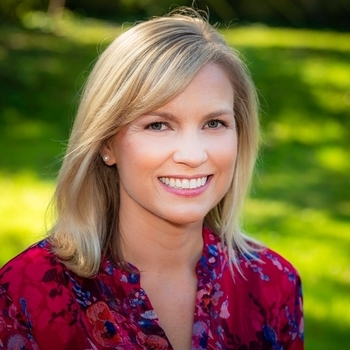
Kelly Arnold is an Associate Professor in the Department of Biomedical Engineering at the University of Michigan. Her research integrates systems engineering principles with immunology to investigate variability in immune responses across infection, vaccination, and injury, with a focus on computational modeling and clinical translation. Research Focus Systems-level immune response modeling Vaccination and antibody functionality Vaginal microbiome-host interactions Chronic lung disease progression Computational serology and proteomics Recent Work Her 2025 studies examine SARS-CoV-2 vaccination responses in cancer patients and computational frameworks for vaginal probiotics. Earlier works (2024-2007) span COPD progression, lupus fibrosis, HIV susceptibility, and tissue engineering for fertility preservation. Methodologies include proteomic profiling, network modeling, and microfluidic systems.
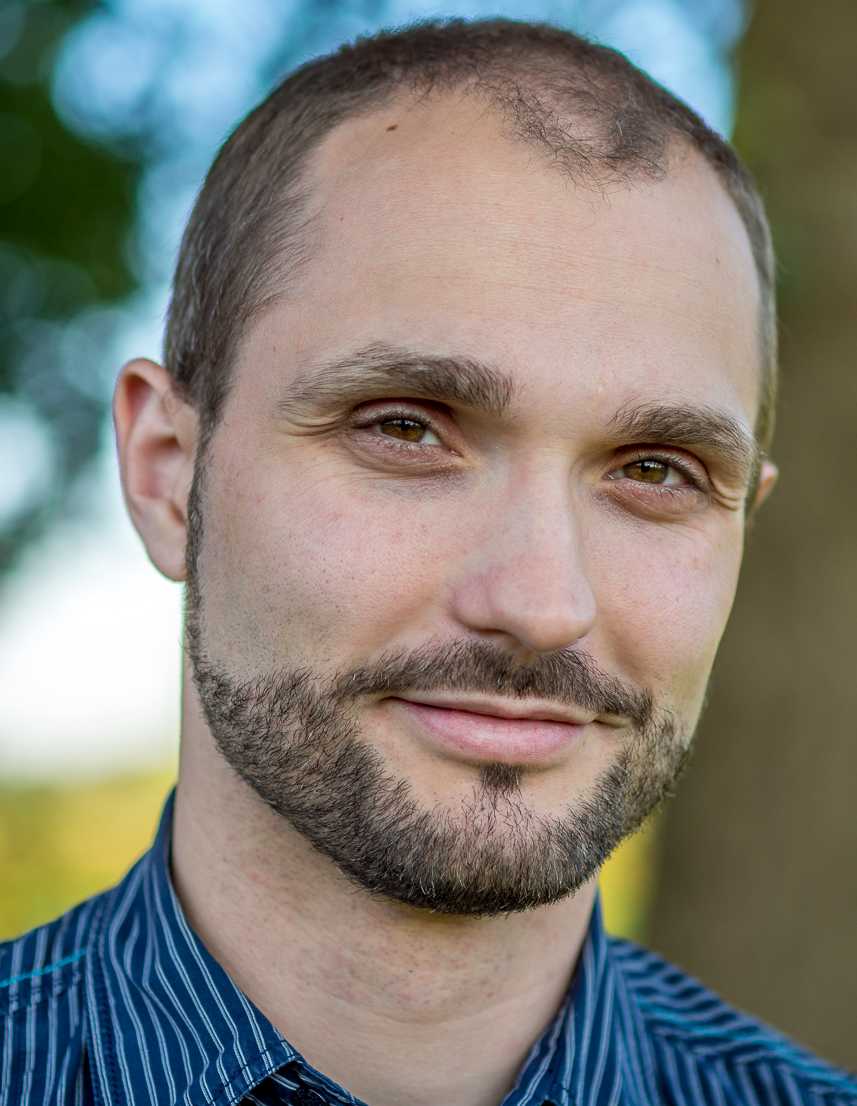
Prof. Dr. Helmuth Gehart is a faculty member at the Institute of Molecular Health Sciences , ETH Zurich . He leads the Tumor and Stem Cell Dynamics research group, focusing on dynamic cell identity in regeneration and cancer. Research Interests : Stem cell-environment interactions, organoid technology, single-cell sequencing, and mechanisms of tissue repair/tumorigenesis. Publications : 10+ articles (2015-2024) on organoid models, stem cell dynamics, and cancer biology.
Changhuei Yang is the Thomas G. Myers Professor of Electrical Engineering, Bioengineering, and Medical Engineering at California Institute of Technology, serving as Executive Officer for Electrical Engineering and Investigator at Heritage Medical Research Institute. He holds a Ph.D. and three master's degrees from MIT, with appointments at Caltech since 2003. Research focuses on: Advanced microscopy techniques including Fourier Ptychography Wavefront shaping for biological tissue imaging Optical phase conjugation for deep-tissue applications Compact medical devices for cerebral monitoring Publications demonstrate leadership in computational imaging, with recent advances in stain-free embryo analysis, portable cerebral blood flow monitors, and high-resolution volumetric imaging techniques using neural representations. Honored as National Academy of Inventors member. Research applications span deep-tissue biochemical imaging, incisionless surgery, and optogenetic activation systems.
Konstantinos Anastassiadis is a Professor at the Center for Molecular and Cellular Bioengineering (CMCB) of Dresden University of Technology , leading the Stem Cell Engineering group at the Biotechnology Center (BIOTEC) . His research focuses on unraveling molecular pathways regulating stem cell self-renewal and lineage commitment, with a strong emphasis on genetic engineering tool development and epigenetic mechanisms during cellular reprogramming. The lab utilizes mouse and human embryonic stem cells, neural stem cells, mesenchymal stromal cells, and induced pluripotent stem cells (iPSCs) in their investigations. Core Research Areas: Molecular regulation of stem cell fate Epigenetic mechanisms (e.g., UTX/UTY histone demethylases) Genetic engineering tool development (Flp, Dre, Vika recombinases, CRISPR protocols) Conditional immortalization systems for rare cell expansion Publications highlight his contributions to understanding: Role of histone methyltransferases (MLL1, MLL2, Setd1b) in hematopoiesis and cancer Epigenetic regulation during mouse development and spermatogenesis Genetic tools for protein tagging, transposon-mediated BAC transgenesis Interactions between stem cells and niche microenvironments Transcriptional and mechanical markers during reprogramming Collaborations span immunology , developmental biology , and bioinformatics . The lab actively participates in teaching activities at CMCB and maintains a focus on translational applications of stem cell research.
Jonny Kohl is a Group Leader at the Francis Crick Institute , where he established the State-dependent Neural Processing Laboratory in 2019. His work bridges neural circuits and internal physiological states (e.g., hunger, pregnancy) to decode instinctive behaviors like parenting and aggression in mice. PhD: MRC Laboratory of Molecular Biology, Cambridge (2013) Postdoc: Harvard University (2014–2019) with support from EMBO, HFSP, and Wellcome Trust fellowships Research Interests : Kohl investigates how hormonal and metabolic states dynamically rewire neural circuits to drive adaptive behaviors. His lab combines circuit neuroscience , molecular biology , and behavioral profiling to study: State-dependent neural processing in parental behavior Chemosensory dominance hierarchies in mice Plasticity mechanisms in aggression circuits Development of ultrafast tissue labeling and cryoanesthesia tools Scientific Trends : His recent publications highlight hormone-mediated synaptic remodeling (2023), cost-effective lab tools (2023), and brain-wide activity mapping (2016). Collaborative work spans computational biology , metabolism , and imaging disciplines. Honors: NARSAD Young Investigator Award (2019), ERC Starting Grant (2019), Wellcome Trust Discovery Award (2025) Grants: BBSRC Research Grant (2025), BBSRC Pioneer Grant (2023) His lab mentors PhD and MSc students and has developed open-source neuroscience tools (e.g., cryoanesthesia device, 2023). Kohl's research has been featured in Nature , Science , and Cell .
Prof. Dr. Simon Schäfer leads the Schäfer Lab at the Technische Universität München , focusing on engineering advanced organoid systems to study human brain development, disease modeling, and repair mechanisms. His work bridges stem cell biology, gene editing, and bioengineering to develop personalized therapies for brain disorders. Stem Cell & Organoid Technology Neurodevelopmental Mechanisms Neurodegenerative Disease Models Gene Editing & Neuroimmune Interactions Translational Neuroscience Recent research emphasizes brain organoid development, microglia phenotypes, and neurodevelopmental timing anomalies in autism. His team’s work also explores zika virus interactions with glioblastoma stem cells and neuronal plasticity in psychiatric disorders. Scientific awards and funding include support from the Deutsche Forschungsgemeinschaft (DFG), Brain & Behavior Research Foundation (BBRF), and Munich Cluster for Systems Neurology (SyNergy). Collaborations span institutions like the TUM Center for Organoid Systems. Advises 6 students (2 PhD, 1 MSc, 3 associated) Labs include Schäfer Lab, COS@TranslaTUM Contact: simon.schafer@tum.de
Ovijit Chaudhuri is an Associate Professor of Mechanical Engineering at Stanford University, with a courtesy appointment in Bioengineering. He leads research at the interface of mechanics and biology, focusing on how cellular and extracellular mechanical properties influence biological processes like cancer progression and tissue formation. His work employs advanced tools such as atomic force microscopy and 3D cell culture systems. Education: Ph.D., University of California, Berkeley/San Francisco (Bioengineering, 2009) B.S., University of California, Berkeley (Engineering Physics, 2003) Postdoctoral Fellow, Harvard University (Biomaterials, 2013) Research Interests: His lab explores molecular mechanisms behind cellular mechanics, extracellular matrix dynamics, and how mechanical cues regulate cell behavior. Key areas include cancer metastasis, mechanotransduction, and engineered biomaterials for 3D cell culture. Publications Trends: Recent work emphasizes viscoelastic hydrogels, matrix mechanics in cancer progression, and mechanistic insights into cell migration. Over 50 publications since 2015 highlight interdisciplinary approaches in biomaterials and mechanobiology. Awards: Not explicitly listed in provided materials. Advising & Labs: No specific advisee names listed, but his lab focuses on collaborative projects in mechano-biology. Active in developing biomaterial systems for drug discovery and tissue engineering applications. Labs/Teams: Leads the Chaudhuri Lab at Stanford, which integrates engineering principles with biological systems to address complex disease mechanisms and therapeutic strategies.
Dana Pe'er is a Professor and Chair of the Computational and Systems Biology Program at the Sloan Kettering Institute (SKI) of Memorial Sloan Kettering Cancer Center. She is also an Investigator of the Howard Hughes Medical Institute and holds the Alan and Sandra Gerry Endowed Chair. Dr. Pe'er leads an interdisciplinary research group that combines advanced genomics approaches with machine learning to address fundamental questions in biomedical science, with particular focus on cancer biology, developmental biology, and immunology. Dr. Pe'er earned her PhD from Hebrew University in Jerusalem, Israel. Her academic journey includes a postdoctoral fellowship with George Church at Harvard Medical School. Before joining Memorial Sloan Kettering Cancer Center in 2016, she held faculty positions at Columbia University. Dr. Pe'er's research focuses on understanding cellular plasticity, the consequences of intra-tumor heterogeneity, cancer evolution and metastasis, and the mechanisms by which regulatory circuits go awry in disease. Her lab combines single-cell and spatial profiling technologies with machine learning approaches to investigate gene regulation, cellular plasticity, and cell-cell communication in the contexts of cancer, immunity, and development. They are particularly interested in how organisms develop from a single cell to generate diverse cell types, how epigenetic control rewires during development, and how cells communicate to execute multicellular responses. Analysis of Dr. Pe'er's recent publications reveals a strong focus on developing computational methods for single-cell and spatial genomics data analysis. Her work spans cancer types including pancreatic, prostate, colorectal, and breast cancer, with emphasis on tumor heterogeneity, metastasis mechanisms, and cellular plasticity. A significant portion of her research involves creating novel algorithms and tools like CellRank, REUNION, and SEACells that enable researchers to extract meaningful biological insights from complex genomic datasets. 2023 Class of 2023 Inductee - American Academy of Cancer Research (AACR) Academy 2023 Innovator Award - International Society for Computational Biology (ISCB) 2021 Fellow - International Society for Computational Biology (ISCB) Howard Hughes Medical Institute Investigator (2021) 2019 Ernst W. Bertner Memorial Award - University of Texas MD Anderson Cancer Center 2016 Lenfest Distinguished Faculty Award - Columbia University 2014 Director's Pioneer Award - National Institutes of Health 2014 Overton Prize - International Society for Computational Biology (ISCB) Dr. Pe'er is known for her dedicated mentorship approach, describing herself as "a mama bear" who cares deeply about her trainees while expecting independence, innovation, and hard work. She mentors numerous PhD students and postdocs in her lab. Her HHMI Investigator award provides approximately $9 million over seven years, enabling ambitious research directions. She also collaborates extensively with the Single-cell Analytics and Innovation Lab (SAIL) at MSK to generate new data from emerging technologies, working closely with wet-lab collaborators at MSK and beyond to apply computational methods to cutting-edge datasets across multiple disease areas. The Pe'er Lab is an interdisciplinary group of computational biologists with diverse backgrounds ranging from pure mathematics to clinical medicine. They work closely with wet-lab collaborators to apply their computational methods to cutting-edge datasets across cancer, immunology, and developmental biology. The lab is described as open, supportive, collaborative, and fun, with access to world-class facilities at the Sloan Kettering Institute. Dr. Pe'er's work continues to push the boundaries of computational biology and cancer research, with the ultimate goal of developing more effective, personalized therapies for cancer patients.
Foteini Mourkioti is an Associate Professor at the University of Pennsylvania's Perelman School of Medicine , with a joint appointment in the Graduate Groups of Cell and Molecular Biology and Bioengineering . She co-directs the Musculoskeletal Regeneration Program at the Penn Institute of Regenerative Medicine and leads the McKay Orthopaedic Research Laboratory . Research Interests : Muscle Stem Cell Biology Mechanobiology Muscle Regeneration Telomere Biology in Muscular Diseases Fibrodysplasia Ossificans Progressiva (FOP) Cardiomyopathy and Aging Key Research Contributions : Developed the Pax7EGFP mouse model for real-time muscle stem cell tracking Discovered telomere shortening as a critical factor in Duchenne Muscular Dystrophy Elucidated the role of NF-κB in muscle stem cell dysfunction Identified Piezo1's role in stem cell morphological states Characterized fibro-adipogenic progenitor dynamics in FOP Scientific Awards : NIH/NHLBI R01 grant recipient (2019) NASA grant awardee (2020, 2017) American Heart Association grant (2017) Muscular Dystrophy Association grant (2019) University Research Foundation grant (2018) Publications & Collaborations : Over 25 publications in high-impact journals like Science Advances , Nature Protocols , and Cell Reports . Collaborates with Penn Cardiovascular Institute and Pennsylvania Muscle Institute.
Dr. John Males is a Clinical Senior Lecturer at the University of Sydney and Director of Ophthalmology Training at Sydney Eye Hospital. His clinical and research expertise focuses on corneal surgery, cataract surgery, and laser vision correction. He pioneered Descemet's Stripping Automated Endothelial Keratoplasty (DSAEK) in Australia and is conducting clinical trials on Collagen Cross-Linking for keratoconus. His research spans corneal transplantation techniques, refractive error management, and ocular surface regeneration. Dr. Males holds roles as a consultant at major hospitals and serves as an examiner for the Royal Australian & New Zealand College of Ophthalmologists. Research interests include corneal biomechanics, surgical innovation for keratoconus, and outcomes analysis of cross-linking therapies. He leads studies on corneal densitometry, dry eye correlations, and long-term efficacy of surgical interventions. His work bridges clinical practice with translational research in regenerative medicine and ocular surface engineering. Publications span over 20 years, emphasizing corneal transplantation advancements, keratoconus management, and surgical complication resolution. His contributions to global consensus guidelines for endothelial keratoplasty highlight leadership in standardizing surgical practices.
Ben Cosgrove is an Associate Professor in the Meinig School of Biomedical Engineering at Cornell University, serving as Director of Graduate Studies. His research focuses on systems bioengineering approaches to understand muscle stem cell dysfunction in aging and disease. He leads the Cosgrove Lab, a multidisciplinary group integrating biomedical engineering, stem cell biology, and systems biology to study microenvironmental signaling in muscle regeneration. His work includes developing biomimetic microenvironments for stem cell manufacturing and improving regenerative medicine therapies. Dr. Cosgrove holds a B.Eng. from the University of Minnesota (2003) and a Ph.D. in Bioengineering from MIT (2009). Postdoctoral training at Stanford University (with Dr. Helen Blau) followed. His research is supported by NIH grants (including R01, R21), the Glenn Medical Research Foundation, and others. He has been recognized with awards such as the BMES Graduate Research Award (2008), Rising Star Award (2015), and Swanson Teaching Excellence Award (2019). Research interests span bioengineering, biomechanics, computational science, and systems biology. His lab's innovations include spatial transcriptomic mapping and high-yield stem cell expansion platforms. Current projects aim to decode stem cell-niche interactions to treat muscle degeneration and aging. Grants: NIH K99/R00, R01, R21; Glenn Medical Research Foundation Labs/Teams: Cosgrove Lab (Cornell University) Future Work: Expanding applications of spatial transcriptomics and engineering regenerative therapies for muscle diseases
Michael Levin is a Vannevar Bush Professor and Distinguished Professor at Tufts University, affiliated with the School of Arts and Sciences (Department of Biology) and School of Engineering (Biomedical Engineering). His research focuses on bioelectricity, developmental biology, and collective intelligence. He leads the Allen Discovery Center and the Tufts Center for Developmental and Regenerative Biology. Education: PhD in Genetics from Harvard Medical School (1996); BS in Computer Science and Biology from Tufts University (1992). Research Interests: Integrates developmental biology, computer science, and cognitive science to study morphogenesis, regeneration, and cancer. Explores bioelectric signaling, synthetic organisms, and AI-driven discovery. Key areas include regenerative medicine, cancer reprogramming, and collective intelligence in biological systems. Publications: Over 600 articles, with recent work on xenobots, neuroevolution, and bioelectric therapies. Themes include bioelectric control of form, AI in biology, and collective intelligence. Awards: INNS Donald O. Hebb Award, AAAS Fellow, and Vox Future Perfect 50 List recognition. Frequently invited to speak at conferences on biology, AI, and consciousness. Advising & Labs: Mentored numerous postdocs and students, including pioneers in bioelectricity and synthetic biology. Lab focuses on interdisciplinary approaches to biological pattern formation and regeneration.
Prof. Andreas Bausch holds the Heinz Nixdorf Endowed Chair of Cell Biophysics at the Technical University of Munich (TUM) within the TUM School of Natural Sciences . His research focuses on cellular biophysics , particularly the mechanical properties of cytoskeletal networks and self-organization mechanisms in biological systems, with applications in biomimetic materials and organoid modeling. Research Areas : Cytoskeletal mechanics, active matter systems, organoid morphogenesis, integrin signaling, synthetic cell models Techniques : Microrheology, in vitro reconstitution, microfluidics, advanced imaging His work has produced over 100 publications in Nature, Science, PNAS , and Physical Review Letters , with recent emphasis on pancreatic cancer organoids and artificial cell membranes . Key findings include: Discovery of topological excitations governing endothelial cell ordering Elucidation of PIP2/PIP3 regulation in integrin phase separation Development of 3D patterned organoid systems for drug screening Major awards include: ERC Synergy Grant (2018) ERC Advanced Grant (2012) ERC Starting Grant (2011) Berlin-Brandenburg Academy of Sciences Prize (2014) He serves as founding director of the Center for Functional Protein Assemblies (CPA) since 2015 and teaches biomechanics , biophysics , and protein assemblies at TUM. His lab investigates both fundamental biophysical principles and their medical applications in cancer and cardiovascular systems.