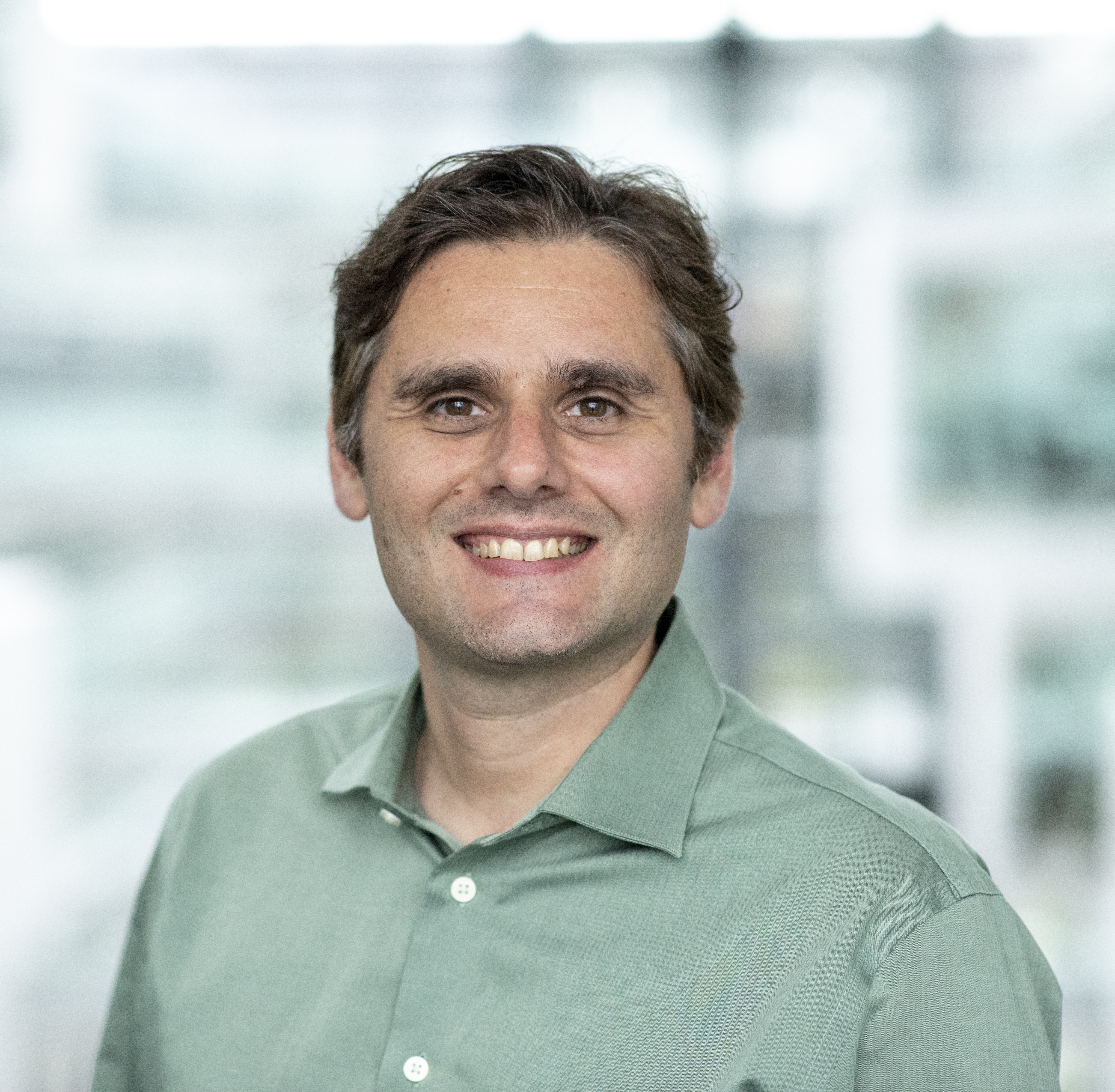
Henry H. Willis is Associate Director of the Meselson Center, Senior Policy Researcher at RAND, and Professor of Policy Analysis at the RAND School of Public Policy. His work focuses on reducing risks from biological threats, critical infrastructure, climate change, and terrorism through rigorous policy analysis and risk management frameworks. Ph.D. in Engineering and Public Policy, Carnegie Mellon University M.S. in Environmental Engineering, University of Cincinnati B.A. in Chemistry, University of Pennsylvania Willis is a leading expert in risk analysis, with research spanning biosecurity, homeland security, energy security, environmental management, and public health preparedness. His work integrates engineering, policy, and systems thinking to evaluate national preparedness for chemical, biological, nuclear, and radiological threats, as well as climate and disaster risks. He has developed analytical frameworks for biosurveillance, infrastructure resilience, and terrorism risk modeling. His recent publications focus on catastrophic cyber risk insurance, wastewater surveillance sustainability, food-energy-water security, soft target protection, and risk-based decisionmaking in public health and homeland security. These works reflect a consistent theme of applying quantitative risk analysis to inform national and international policy. Member, Council on Foreign Relations Committee Member, Science and Governance Committees of the Society for Risk Analysis Willis has testified before Congress, advised U.S. and international government agencies, and served on National Academy of Sciences committees. His prior experience includes program evaluation at the White House Office of Management and Budget and infrastructure design as a water and wastewater engineer. He leads research initiatives on strategic planning at DHS, border security, and energy resilience, often advising on grant programs and regulatory impact analysis. He is affiliated with the Meselson Center and has directed programs within the RAND Homeland Security Research Division, including the Strategy, Policy, and Operations Program and the Infrastructure, Immigration, and Security Operations Program. His work supports public safety decisionmaking through tools like the Pardee RAND Food-Energy-Water Index and risk maturity assessments.