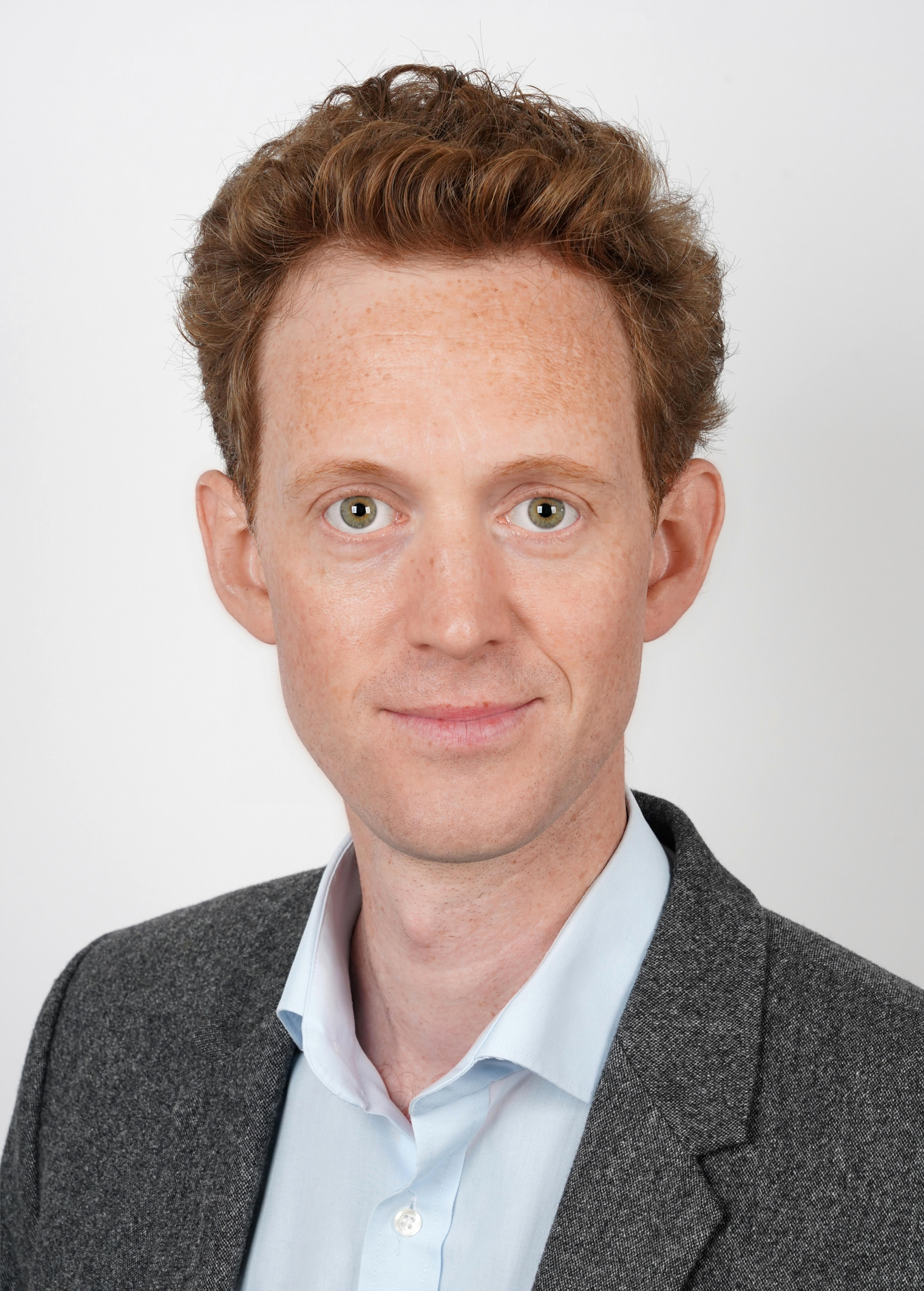
Pietro Vigianiمشاهده پروفایل
پژوهشگر
- Logic
- Formal Epistemology
- Relevant Logic
- +۵ مورد دیگر
Pietro Vigiani is a postdoctoral researcher at the Central European University (CEU), working within the MODREQUAM project in the Department of Philosophy. His research focuses on the intersection of non-classical logic and formal epistemology, with particular expertise in relevant and substructural logics. His educational background includes: PhD in Philosophy at Scuola Normale Superiore, specializing in Logic Year at Institute for Logic, Language and Computation MA in Logic, Philosophy and History of Science at University of Florence BA in Philosophy at University of Pavia Vigiani's scholarly work explores how non-classical logical frameworks can model human reasoning more accurately than traditional approaches. He has made significant contributions to hyperintensional logics, which address limitations of standard intensional systems, and to dynamic epistemic logic, which examines how knowledge evolves. His research on topic-sensitive logics and logical pluralism challenges conventional assumptions about logical consequence. Recent work demonstrates growing interest in applying these formal methods to social and political contexts, particularly democratic decision-making processes. Analysis of his publication record reveals consistent theoretical development in relevant logic systems coupled with innovative applications. His work bridges philosophical inquiry with mathematical rigor, often developing new logical frameworks to address specific epistemological challenges. A notable trend is the progression from purely theoretical developments toward practical applications in social choice theory, exemplified by his award-winning work on liquid democracy. His notable achievements include: Best presentation award at ESSLLI 2022 for 'Proportionality in Liquid Democracy and Representative Democracy' Vigiani maintains active collaborations with researchers including Igor Sedlár and Thomas Ferguson. His conference presentations at venues like KCL-SNS Workshops and WoLLIC demonstrate engagement with both philosophical and technical aspects of logic. As part of the MODREQUAM project, he contributes to CEU's research ecosystem while pursuing independent scholarly work that connects formal methods with real-world problems. His research trajectory shows increasing interdisciplinary reach, moving from foundational work on relevant modal logics toward applications in democratic theory and social epistemology, while maintaining rigorous logical standards throughout.