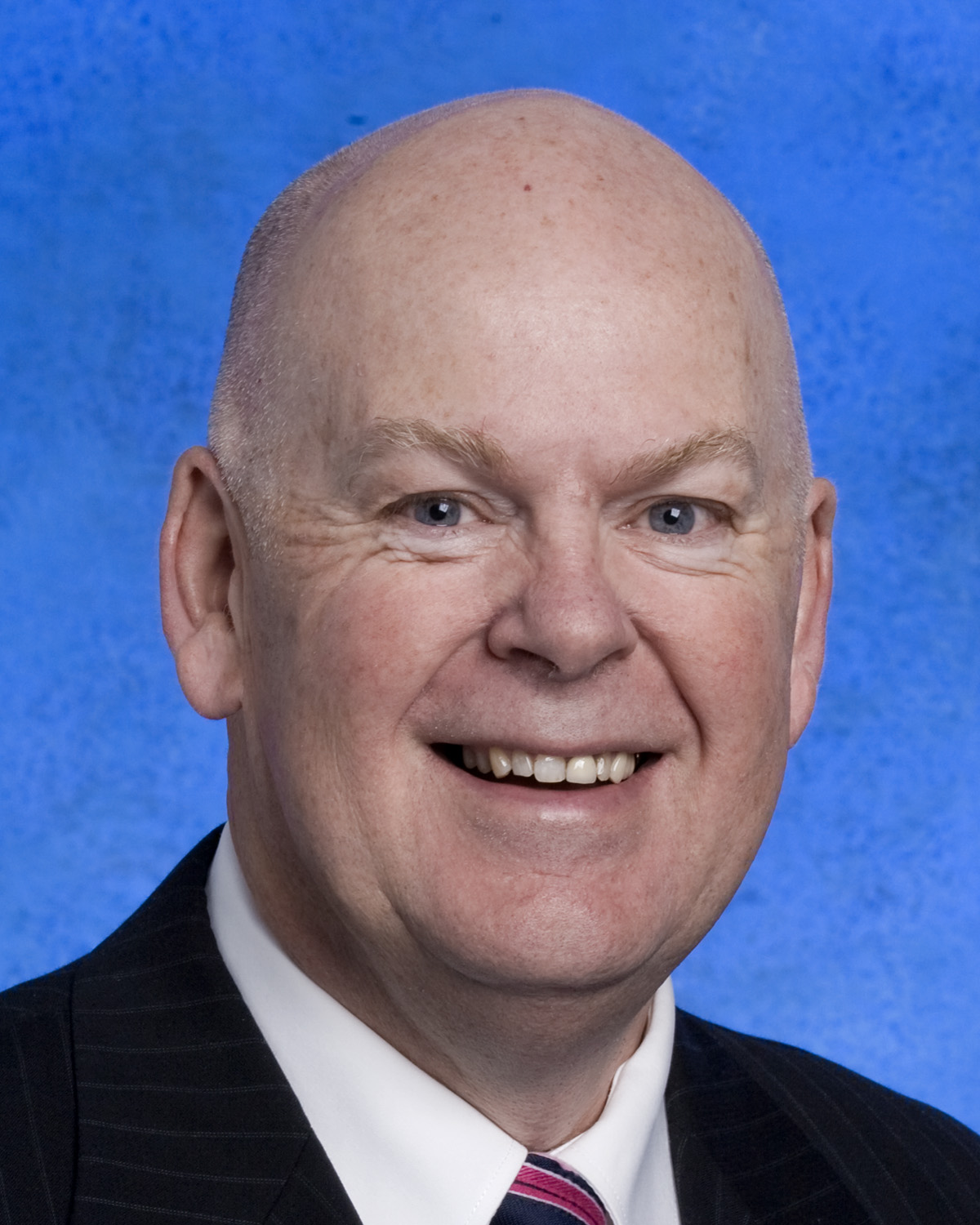
Warren Canning serves as an Adjunct Associate Professor at the University of New South Wales' Faculty of Engineering. With an extensive career spanning defence and aerospace sectors, he has established and directed significant national/international research programs that substantially contributed to Australia's defence capabilities and industrial development. He remains actively engaged in strategic advisory roles for government bodies, tertiary institutions, and industry partners. His primary research interests focus on aerospace technologies including rocket propulsion systems, aircraft structural design, flight test methodologies, aviation safety protocols, and experimental aircraft development. These interdisciplinary interests bridge engineering principles with practical aerospace applications. Professor Canning maintains professional affiliations as a Fellow of the Australian Institute of Company Directors (FAICD) and member of the Flight Test Society of Australia. He actively participates in civilian and military flight test campaigns as both pilot and test lead.
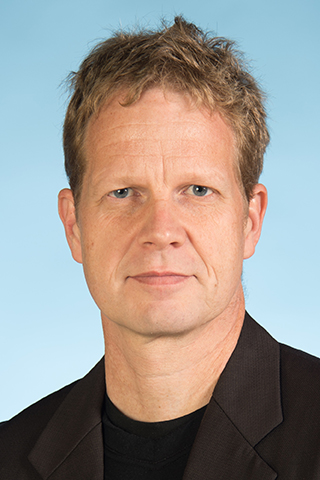
Dr. Morten Pedersen serves as Senior Lecturer in International and Political Studies at the University of New South Wales Canberra (Australian Defence Force Academy). Previously, he worked as a senior analyst for the International Crisis Group in Myanmar and has provided policy advisory services on Myanmar politics and development affairs for major international organizations including the United Nations, World Bank, European Commission, Australian government, and Nobel Peace Prize laureate Martti Ahtisaari. His research expertise spans Burmese politics and development affairs, human rights, and tools of international statecraft. He is currently preparing a multi-year comparative project on international human rights work in Burma, Cambodia and Vietnam. His work falls within the fields of Government and Politics of Asia and the Pacific, Human Rights, and International Relations. Pedersen's scholarly output shows a consistent focus on human rights promotion in authoritarian contexts, particularly examining Western sanctions policies and UN mediation efforts in Myanmar. His research demonstrates expertise in negotiating human rights in pariah states and analyzing effective approaches for human rights promotion in highly repressive environments. Boyer Prize for the best original article in the Australian Journal of International Affairs (2013) As an academic, Pedersen has contributed significantly to policy discussions through his teaching, research, and direct engagement with international organizations. His work bridges academic scholarship and practical policy application in the challenging arena of human rights promotion in Southeast Asia's most difficult political contexts. He maintains an active research agenda with a current focus on comparative human rights work across three Southeast Asian nations.
Olav Vikmoen is a Researcher at the Norwegian School of Sport Sciences , focusing on muscle physiology , training and cancer , and concurrent strength and endurance training . He combines research with lecturing in exercise physiology and exercise science . Education: Master's in altitude training (2010), PhD in sports physiology (2015) Current Role: Postdoctoral fellow in PhysCan project studying exercise effects on muscle cells during breast cancer treatment Past Experience: Postdoc at Norwegian Defence Research Establishment on military field exercise physiology Research Interests: Investigates how exercise impacts cancer patients, muscle adaptation, and integrated physiological responses to combined strength/endurance training. His work bridges clinical applications with fundamental physiology. Teaching: Lecturer in training physiology and exercise science, contributing to academic training of students. Projects: Active in the PhysCan initiative, exploring exercise interventions during breast cancer treatment.
Michail Moustakas is a full Professor at the Aristotle University of Thessaloniki, Greece, whose research portfolio integrates plant ecophysiology, photosystem-II photochemistry, and nanotoxicology. His work is internationally recognised for using advanced chlorophyll-fluorescence imaging to dissect how plants acclimate to drought, heavy-metal contamination, and engineered nanomaterials. Education & Academic Roles Long-standing faculty member of the Aristotle University of Thessaloniki (exact department not specified in catalogue). Co-author of the laboratory manual Εργαστηριακές Ασκήσεις Βοτανικής (Laboratory Exercises in Botany), indicating active teaching responsibilities. Research Focus Prof. Moustakas investigates how photosynthetic efficiency is modulated under abiotic stress. He combines physiological, biochemical, and imaging approaches to quantify PSII responses to drought, heavy metals (Cd, Zn, Al, Cu, Pb, Ni), and engineered nanoparticles (ZnO, MgO, Ag). Recent projects explore hormetic effects, nanoparticle-mediated stress alleviation, and high-throughput phenotyping of tomato and medicinal plants for climate-resilient agriculture. Publication Trends Between 2021 and 2023 he averaged 4–5 high-impact papers per year, predominantly in MDPI journals ( Plants , Materials , Toxics , International Journal of Molecular Sciences ). The work is highly collaborative, involving Greek, Bulgarian, Spanish, Polish and Saudi Arabian teams, and centres on translating chlorophyll-fluorescence signatures into predictive tools for plant performance under global-change scenarios. Scientific Recognition & Service Guest editor for special issues on chlorophyll-fluorescence imaging in Frontiers in Plant Science (2021). Repeated keynote/invited speaker at European Plant Biology and Balkan Biochemical Society congresses. Research Environment He leads an active research group that includes post-docs, PhD candidates and technical staff, with access to state-of-the-art chlorophyll-fluorescence imaging systems, ICP-MS elemental analysis, and controlled-environment facilities housed within AUTH.
Dr Jo Plested is an Associate Lecturer at UNSW Canberra with over 10 years of research experience in deep learning, specializing in transfer learning for small specialized datasets. She has made significant contributions to both academia and defense applications through her research, teaching, and leadership as Head of the Deep Learning Group at UNSW Canberra. Her research interests span multiple interdisciplinary domains including: Transfer learning for small specialized datasets Bushfire spread prediction modeling with the UNSW Bushfire Research Group Visual swarming algorithms for robotics applications Physical implementation of neural networks using novel materials Quantum computing applications where deep learning helps predict and overcome environmental noise Military AI ethics examining implications of targeting systems Dr Plested has secured over $900,000 in research funding as chief investigator for 5 external grants. Her publication record includes 2 journal articles, 19 conference papers, and 2 preprints. Analysis of her recent publications reveals a strong focus on practical applications of deep learning across diverse domains, with particular emphasis on defense-related applications, environmental modeling, and ethical considerations in AI deployment. She has supervised over 20 students working on Honours, Masters, and Chief of Defence Force projects, with more than 20 of these student projects published in high-ranking international conferences and journals. Dr Plested created the honours-level Deep Learning course at UNSW Canberra and previously developed and delivered deep learning content for courses at the Australian National University for up to 250 students. She is also part of a team that developed a data science and AI short course specifically for Defence applications. Currently recruiting PhD students with interests in deep learning, Dr Plested offers scholarships of $35,000 AUD, seeking candidates with backgrounds in deep learning or strong mathematical foundations.
Petar Janjatović is an Assistant Professor at the Chair of Materials and Joining Technologies, Faculty of Technical Sciences, University of Novi Sad. His research focuses on advanced welding techniques, nanomaterials integration, and mechanical properties of metallic alloys. Current Affiliation: Chair of Materials and Joining Technologies, University of Novi Sad Academic Rank: Assistant Professor since 2024 Previous Roles: Assistant with PhD (2024), Assistant-Master (2017-2022), Teaching Associate (2014-2016) Research highlights include: Optimization of A-TIG welding through nanoparticle coatings Surface property enhancement via friction stir processing Ballistic performance analysis of perforated austempered ductile iron plates Critical raw material reduction in stainless steel joining Microstructure engineering for improved wear resistance in cobalt alloys His publications span 2019-2017, covering topics in welding technology, nanomaterials, and mechanical engineering. Key journals include Metals , Defence Science Journal , and IOP Conference Series . Collaborative work emphasizes industrial applications in metallurgy and sustainable manufacturing.
Professor Allan Paull is the Chair in Future Hypersonic Technology at the School of Mechanical and Mining Engineering, Faculty of Engineering, Architecture and Information Technology at the University of Queensland. His research focuses on advancing hypersonic propulsion technologies through experimental and theoretical approaches, with significant contributions to scramjet development and flight testing programs. Professor Paull's research interests span hypersonics, scramjet propulsion, hypersonic airbreathing propulsion systems, shock tunnel testing methodologies, supersonic combustion phenomena, boundary layer combustion effects, skin friction measurements in hypersonic flows, hypersonic engine design, plasma fuel engine development, and radical farming technology for enhanced combustion. His work bridges fundamental fluid dynamics with practical aerospace applications, particularly in the challenging regime of hypersonic flight where traditional propulsion systems face significant limitations. An analysis of Professor Paull's recent publications reveals a strong focus on advancing hypersonic flight capabilities through innovative propulsion concepts. His work spans experimental testing of scramjet configurations, computational analysis of hypersonic flows, development of novel propulsion concepts like electric supersonic propellers, and practical flight testing programs such as the HyShot and STAJe projects. The research demonstrates a consistent progression from fundamental combustion physics to integrated flight systems, with increasing emphasis on practical implementation and flight validation of hypersonic propulsion technologies. Professor Paull has successfully supervised numerous PhD and Master's students throughout his career, with completed projects including Ethylene Augmentation of JP-8+100 in a Supersonic Combustor, Forebody Combustion Experiments on an Unducted Scramjet, HYSHOT SCRAMJET TESTING, and SCRAMJET EXPERIMENTS USING RADICAL FARMING. His current supervision includes Experimental Investigation of Plasma Fuel Engine Performance. His research has been supported by significant funding from diverse sources including MBDA UK Limited, ARC Linkage Projects, Lockheed Martin Australia, Commonwealth Defence Science and Technology Group, Japan Aerospace Exploration Agency, and various government research bodies. Professor Paull leads research activities centered around the HyShot program and related hypersonic initiatives, working with teams that include international collaborators from the United States, Japan, and Europe. His laboratory facilities at the University of Queensland support advanced testing of hypersonic propulsion concepts, with particular emphasis on translating theoretical concepts into flight-ready technologies through rigorous ground testing protocols.
Dr. Shelley Keating is a Senior Lecturer in Clinical Exercise Physiology at the School of Human Movement and Nutrition Sciences, University of Queensland. She is affiliated with multiple research centers including the Centre for Cardiovascular Health and Research, Centre for Community Health and Wellbeing, and Centre for Research on Exercise, Physical Activity and Health. As an Accredited Exercise Physiologist with over 15 years of experience, her work bridges clinical practice and academic research in metabolic health. Dr. Keating's research focuses on exercise metabolism and body composition, with particular emphasis on developing and implementing lifestyle interventions for people with obesity, non-alcoholic fatty liver disease (NAFLD)/metabolic-associated fatty liver disease (MAFLD), and type 2 diabetes. Her work spans from basic exercise physiology to digital health applications, examining how physical activity can be optimized for metabolic conditions across diverse populations and settings. She has been instrumental in developing evidence-based guidelines for physical activity in special populations including those with liver disease and during pregnancy. Analysis of Dr. Keating's recent publications (2023-2025) reveals a strong focus on translating exercise science into clinical practice, with increasing emphasis on digital health solutions for chronic disease management. Her work examines exercise interventions for metabolic conditions through multiple lenses including feasibility, safety, adherence, and efficacy across diverse populations. Notably, she has contributed significantly to understanding exercise interventions for NAFLD/MAFLD, with multiple publications on aerobic exercise, high-intensity interval training, and their effects on liver histology and metabolic outcomes. Dr. Keating has secured funding from various sources including Diabetes Australia Research Limited, Defence Health Foundation Grants for Medical Research, and the Australian Government Department of Health for projects examining high-intensity exercise for non-alcoholic steatohepatitis, exercise for coronary heart disease rehabilitation, and physical activity guidelines during pregnancy. Her research often involves multidisciplinary collaborations spanning clinical exercise physiology, hepatology, endocrinology, and digital health.
Dr. Timothy Ballard is an ARC Future Fellow at the School of Psychology , University of Queensland, with affiliations to the Centre for Business and Organisational Psychology. His research program integrates statistical, computational, and mathematical models to address workplace health, safety, and performance dynamics. Key research areas: Decision-Making, Motivation, Fatigue, Stress, Computational Modeling Funding: Over $3 million from ARC, Commonwealth Defence Science and Technology Group, and Universities Australia His work explores: Cognitive mechanisms in self-other memory prioritization Neurochemical bases of decision strategies (dopamine, tDCS effects) Fatigue prediction models for naval and aviation environments Bayesian frameworks for dynamic change modeling Recent publications in Psychological Review , Journal of Neuroscience , and Neuropsychologia highlight methodological innovations and applications to real-world systems. Awards include: ARC DECRA and Future Fellowships Early Career Researcher Awards from Australian Psychological Society He supervises PhD candidates in: Workweek redesign for mental health Multigoal prioritization under friction Brain stimulation and metacognition His consultancy bridges organizational data analytics with cognitive science to optimize workforce strategies.
Dr. Roos de Wildt serves as a Lecturer at the Knowledge Center for Talent Development at Rotterdam University of Applied Sciences, where she focuses on the effective protection of children in unsafe families. She also holds a position as a Senior Researcher at the Verwey-Jonker Institute, conducting practice-based research on domestic and sexual violence, human trafficking, and sex work. Her work bridges academic research and practical application in the field of child protection and violence prevention. Dr. de Wildt earned her PhD in Criminology from Utrecht University and the University of Hamburg, with research focused on human trafficking during UN peacekeeping missions in post-war Kosovo. Prior to her doctorate, she studied Cultural Anthropology at Utrecht University. Her academic journey has included positions as a lecturer in Cultural Anthropology and Criminology departments at Utrecht University and project coordination at the children's rights organization Defence for Children. Dr. de Wildt's research centers on breaking through violence in dependent relationships, with particular focus on domestic violence, sexual violence, and human trafficking. Her work emphasizes understanding the perspectives of those directly involved, especially how children and young people can be better involved in the support and protection they need. She approaches these complex issues through qualitative, practice-based research that aims to develop practical solutions for improving safety and protection systems. A recurring question in her work is: "How can we prevent and combat violence in relationships and families, and how can we strengthen safety?" Her research often examines the intersection of policy, practice, and lived experience to develop more effective interventions. Dr. de Wildt's publication record demonstrates a consistent focus on vulnerable populations, particularly in contexts of violence and exploitation. Her early work examined post-war prostitution and human trafficking in Kosovo, leading to her 2019 book "Post-War Prostitution: Human Trafficking and Peacekeeping in Kosovo." More recently, her research has shifted toward domestic violence, child protection, and family-focused approaches to intervention. Her 2025 publications reflect current work on the Future Scenario for Child and Family Protection, examining how to improve youth protection systems through action research and pilot projects. Her work consistently applies qualitative methods to understand complex social problems and develop practical solutions. As a senior researcher at the Verwey-Jonker Institute and lecturer at Rotterdam University of Applied Sciences, Dr. de Wildt contributes to both academic knowledge development and practical application in the field. Her inaugural lecture on March 6, 2025, emphasized the importance of creating strong, connected safety nets for children in unsafe homes, noting that "The safety net for children in unsafe homes must be strong and connected, paying attention to every family member, like a strong shoulder that supports them and that they can rely on." Her work often involves collaboration with practitioners, policymakers, and other researchers to bridge the gap between research and practice in child protection and violence prevention. Dr. de Wildt is actively involved in research projects related to the Future Scenario for Child and Family Protection, conducting action research in pilot projects to improve the current youth protection system. Her current work examines the new family-focused approach in various contexts, seeking to develop more effective ways to protect children while supporting entire families. Through her dual roles at the Verwey-Jonker Institute and Rotterdam University of Applied Sciences, she contributes to both research and education in the field of child protection and violence prevention.
Professor Craig Taylor is a distinguished member of the Philosophy department within the College of Humanities, Arts and Social Sciences at Flinders University, where he has been teaching since 2006. Prior to joining Flinders, he held lecturing positions at the University of Stirling, Louisiana State University, and several other Australian universities. His educational background includes a PhD from London (awarded July 31, 1996), MA and BA from Melbourne, and a B.Eng from Melbourne. Taylor has received numerous teaching awards including the Vice-Chancellor's Award for Excellence in Teaching (2013) and the EHL Faculty Award for Excellence in Teaching (2013). Professor Taylor's research focuses on ethics, applied ethics, philosophy and literature, and the philosophy of Ludwig Wittgenstein. His work demonstrates a consistent engagement with moral philosophy from multiple angles, including theoretical foundations and practical applications. Recent research has expanded into the study of radicalization in the Asia-Pacific region, examining cultural aspects of extremism and social media's role in emergent extremist behaviors. His publications show a clear trajectory from foundational philosophical work on sympathy and moral thought to contemporary applications addressing pressing social issues. The 2023 monograph 'Moral Thought Outside Moral Theory' represents a significant contribution to contemporary ethical discourse, building on his earlier work 'Sympathy: A Philosophical Analysis' which was shortlisted for the 2005 ACU Eureka Prize for Research in Ethics. Indigenist Archaeology grant ($1,863,753.00 AUD, Australian Research Council, 2021) Understanding the future human terrain grant ($85,000.00 AUD, Defence Science & Technology Group, 2020) Using Social Media to Understand Emergent Extremist Behaviours grant ($50,000.00 AUD, Defence Science & Technology Group, 2019) International Science Linkages Fellowship ($5,000 AUD, Australian Academy of Humanities, 2009) As an educator, Taylor coordinates and lectures on Contemporary Ethics, Ethics and Power, and Philosophy and Literature. He serves as Book Review Editor for 'Philosophical Investigations' and on the Editorial Board of 'Philosophies of Education in Art, Cinema, and Literature' (Bloomsbury). His supervisory work includes principal supervision in Ethics and Professional and Applied Ethics. He actively contributes to the academic community through conference organization, including the Radicalisation, Extremism and Social Media symposium in 2019 and previous events focusing on moral philosophy.
Natalie Mestry is a Lecturer in Psychology at Bournemouth University, specializing in cognitive research related to face processing and visual search. She holds a PhD in The Nature of Configural Processing (2013), an MSc in Research Methods in Psychology (2009), and a BSc (Hons) in Psychology (2008) from the University of Southampton. Her research contributes to the UN Sustainable Development Goals for Quality Education and Peace, Justice & Strong Institutions through applications in forensic psychology and security domains. BSc (Hons) in Psychology, University of Southampton (2008) MSc in Research Methods in Psychology, University of Southampton (2009) PhD in The Nature of Configural Processing, University of Southampton (2013) Mestry's research focuses on visual cognition, particularly face processing and visual search mechanisms. Her work examines dual-target costs, individual differences in face recognition, and training methods for security personnel. Applications include criminal justice, airport security screening, crowd threat detection, and forensic identification. She utilizes eye-tracking technology and collaborates with institutions like CREST and the Defence Science and Technology Laboratory. Her recent publications and grants address: optimizing X-ray baggage screening time-on-task, enhancing crowd resilience to threats, improving face search training protocols, and analyzing the neural basis of configural face processing. She has also contributed to understanding super-recognizers and perceptual expertise in security contexts. Mestry supervises research projects and contributes to undergraduate/graduate teaching, including the BSc Psychology with Forensic Investigation program. She engages in public outreach through science festivals, summer schools, and conference presentations at the Vision Sciences Society.
James Nightingale is a Lecturer at the Computer and Information Sciences department within the Faculty of Engineering at the University of Strathclyde . He holds a BSc (Hons) and PhD from the University of the West of Scotland and brings extensive industrial and commercial experience in software development and project management from the defence, wholesale distribution, and manufacturing sectors. Education: BSc (Hons) and PhD from University of the West of Scotland His research focuses on video encoding and transmission in mobile networks, particularly addressing Quality of Experience (QoE) for multimedia in 5G and impaired/disadvantaged networks. His work explores adaptive streaming, scalable video coding, and network virtualization in high-efficiency scenarios. The trend in his publications reflects expertise in 5G network optimization, video streaming reliability, and SDN/NFV integration. Key subfields include ultra-HD video processing, tactical network resilience, and multimedia big data challenges. Teaching: Course tutor for Graduate Apprenticeship in IT Software Development Scientific Awards : Teaching Excellence Award - Team Award (Recipient, 22 Jun 2022) Teaching Excellence Award - Team Award (Longlisted, 7 Jul 2021)
William Walsh serves as an Adjunct Associate Professor and Barrister-in-Residence at the Centre for Law and Justice, Charles Sturt University, appointed in 2016. His academic affiliation builds upon prior experience as a Lecturer-in-Law at Charles Sturt University (then Mitchell College) from 1987 to 1994, where he taught both internal and distance education students. Education: Law degree (by distance education) from Macquarie University Master of Laws from the University of Sydney Master of Social Science (Criminology) from Charles Sturt University Walsh's expertise centers on Criminal Law and Criminology , informed by over 400 jury trials as a criminal defence barrister in New South Wales courts. His unique perspective integrates frontline policing experience (NSW Police Force, 1967-1986) with legal scholarship. His commitment to Legal Education spans decades, emphasizing practical application through both classroom and distance learning methodologies.
Bao Michael Uyen is an Adjunct Professor at the University of Ottawa Faculty of Engineering (Department of Mechanical Engineering) and a Senior Scientist at Defence Research and Development Canada (DRDC) , a role he has held since 1993. He is also co-chair of NATO Modelling Simulation Group 186, leading research on multidimensional data farming. His affiliations span NORAD, US Space Command, NATO Centre for Maritime Research & Experimentation, and DRDC Atlantic. Education: PhD in Theoretical Particle Physics, McGill University (1993) BSc in Physics (summa cum laude), University of Ottawa (1988) BSc in Mathematics (summa cum laude), University of Ottawa (1988) Undergraduate studies at Caltech (2 years) Research Interests: Dr. Uyen's research lies at the intersection of complex systems, autonomous agents, and defense applications. He investigates how autonomous vehicles, human operators, and AI systems interact in high-stakes environments. His work spans robotics, AI, cybersecurity, machine learning, combinatorial optimization, stochastic processes, and discrete mathematics. These disciplines are applied to mine countermeasures, ballistic missile defense, multi-domain operations, and strategic deterrence. Research Trends: His recent publications reflect a strong focus on multi-domain defense modeling , AI-enhanced simulation , and autonomous systems . Themes include quantum game theory in deterrence, probabilistic modeling for mine detection, and data farming for strategic decision support. These works are often collaborative and NATO-linked, emphasizing real-world defense applications. Scientific Awards & Honors: Koopman Prize 2014 – Outstanding Military Operations Research (INFORMS) Third Prize, CORS Practice Competition 2006 – AUV Mine Countermeasures Deputy Minister Commendation Award – NORAD Sustainability Special Merit, CORS Practice Competition 2000 – Search & Rescue Modeling Gold Medal, University of Ottawa 1988 NSERC Postdoctoral Fellowship 1993–1995 Multiple NSERC and Ontario Graduate Scholarships Advising & Grants: Dr. Uyen has mentored numerous graduate students who now hold positions at institutions like Yale, IBM, and the University of Manitoba. He has secured over $6.7 million CAD in defense research funding, including a $5.6M collaborative project with uOttawa, UNB, and NRC focused on autonomous agent coordination. Labs & Teams: He leads research under the NATO Modelling Simulation Group 186 and collaborates with DRDC teams across Canada and internationally. His work integrates defense simulation, robotics, and AI, often involving interdisciplinary teams from academia, military, and government agencies.