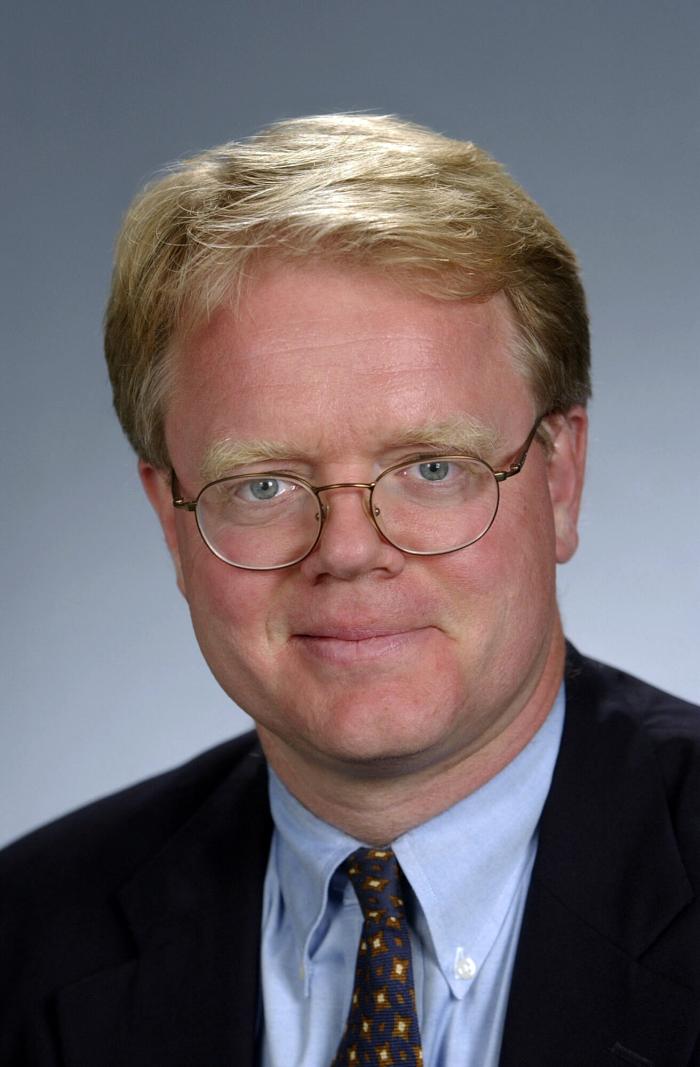
Oscar Corcho is a Full Professor at the Department of Artificial Intelligence within the School of Computer Science at the Technical University of Madrid. He is a prominent member of the Ontology Engineering Group and has been serving as a Professor since May 2007, with his current position as Full Professor reflecting his significant contributions to the field. Professor Corcho's research primarily focuses on Ontology-based Data Integration and the application of Semantics in Open Science. His expertise extends across the broader domains of Semantic Web, Linked Data, Knowledge Graphs, and Ontological Engineering. His work bridges theoretical research with practical applications, particularly in data integration systems and knowledge representation frameworks. With over 460 publications and more than 12,000 citations, he has established himself as a leading researcher in semantic technologies. His recent publications show a strong emphasis on virtual knowledge graph architectures, RDF-star generation, semantic labeling techniques for tabular data, and applications of semantic technologies in scientific literature analysis. His research demonstrates a clear trajectory toward solving real-world data integration challenges across heterogeneous sources while advancing the theoretical foundations of knowledge representation. Third Spanish Award on Computer Science (2001) Beyond his academic role, Professor Corcho is a co-founder of LocaliData Spain, demonstrating his commitment to translating research into practical applications. He has supervised numerous research projects and has been instrumental in developing tools like Morph-KGC for knowledge graph construction. His work has significant implications for public procurement systems, transportation data integration, citizen science initiatives, and scientific research infrastructure. As leader of the Ontology Engineering Group, he oversees a research program that develops innovative methodologies for ontology engineering and semantic data integration across diverse domains. His group's work has influenced both academic research and industry practices in knowledge representation and semantic technologies.