معرفی
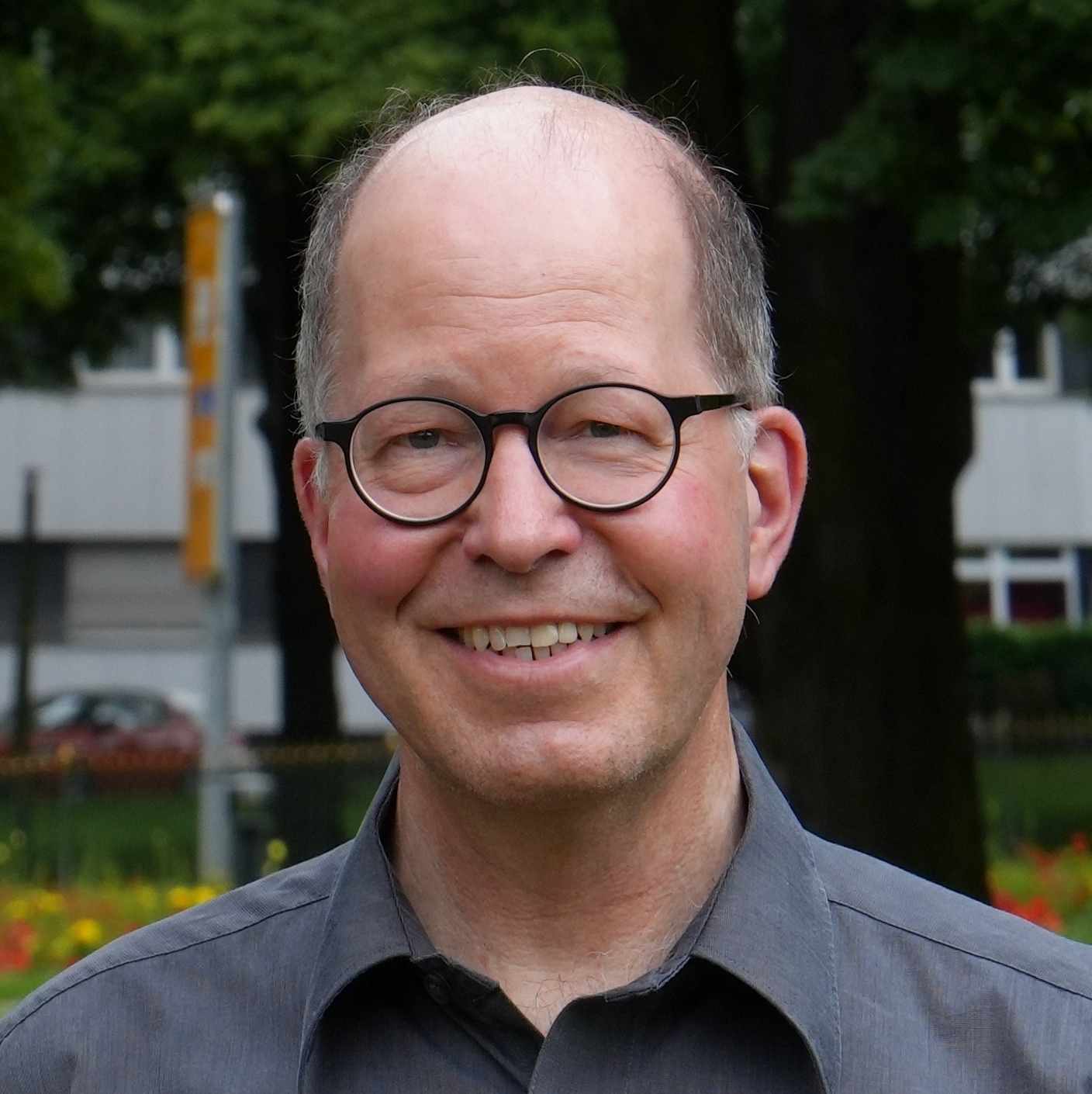
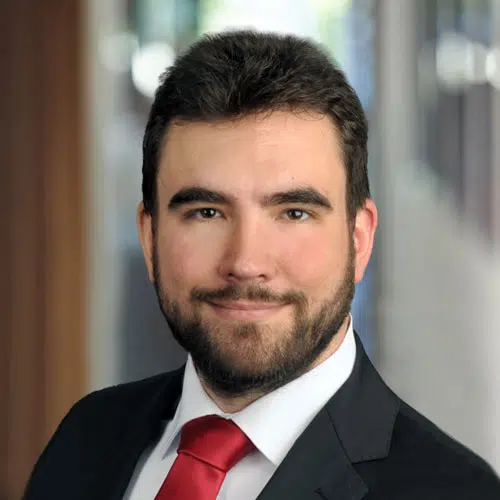
Thomas Ströder is a Lecturer in Business Informatics at FHDW University of Applied Sciences since 2022, specializing in software engineering and formal methods. Previously, he served as Head of Full Stack Development at METRO (2016-2019) and Site Manager at IT-P GmbH (2020-2022), combining academic research with industrial leadership in software development organizations.
His educational background includes:
- Diploma in Computer Science with Business Administration minor from RWTH Aachen University (2004-2010), featuring an exchange semester at UNSW Sydney (2008) funded by the Studienstiftung des Deutschen Volkes
- PhD in Computer Science from RWTH Aachen University (2019) focused on automatic quality assurance and software synthesis
Ströder's research bridges theoretical computer science and industrial software engineering through core interests in program verification, formal methods, and software architecture. His work emphasizes practical applications of automated reasoning for termination analysis, memory safety, and complexity bounds in real-world systems, while extending to organizational development and data-driven decision processes in agile environments. This dual focus enables translation of formal verification techniques into enterprise software solutions.
His 15 publications (2009-2018) reveal a consistent trajectory in program termination analysis and verification, primarily through the AProVE framework. Early work established foundations in term rewriting and logic program analysis, evolving toward memory-safe C program verification and bitvector arithmetic handling. Publications in top venues like Journal of Automated Reasoning and TACAS demonstrate specialization in bridging theoretical formal methods with practical software engineering challenges, particularly in pointer arithmetic and memory manipulation contexts.
Professional activities include research collaborations with Microsoft Research Cambridge (2013) and leadership in building in-house software development organizations at METRO, reflecting strong industry-academia integration in his career trajectory.