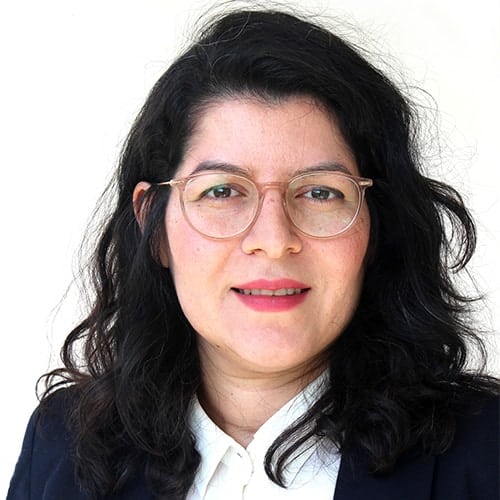
Dr. Nidhi Hegde is an Associate Professor in the Department of Computing Science at the University of Alberta and a Canada CIFAR AI Chair at the Alberta Machine Intelligence Institute (Amii). Her research focuses on privacy-preserving machine learning, algorithmic fairness, and robust algorithm design for networked systems. Dr. Hegde's current research investigates differential privacy in bandit algorithms, debiasing frameworks for language models, and long-term fairness guarantees for minority groups. Her work combines theoretical foundations with practical applications in distributed systems and multi-agent learning environments. Recent publications address covariate shift effects in optimization, private matroid optimization, and reinforcement learning with functional noise. She teaches graduate courses on Responsible AI and Ethical Issues in Data Analytics, covering topics including data privacy, fairness in algorithms, interpretability, and accountability. Dr. Hegde maintains active research collaborations and previously led privacy research at Borealis AI (RBC's research institute).
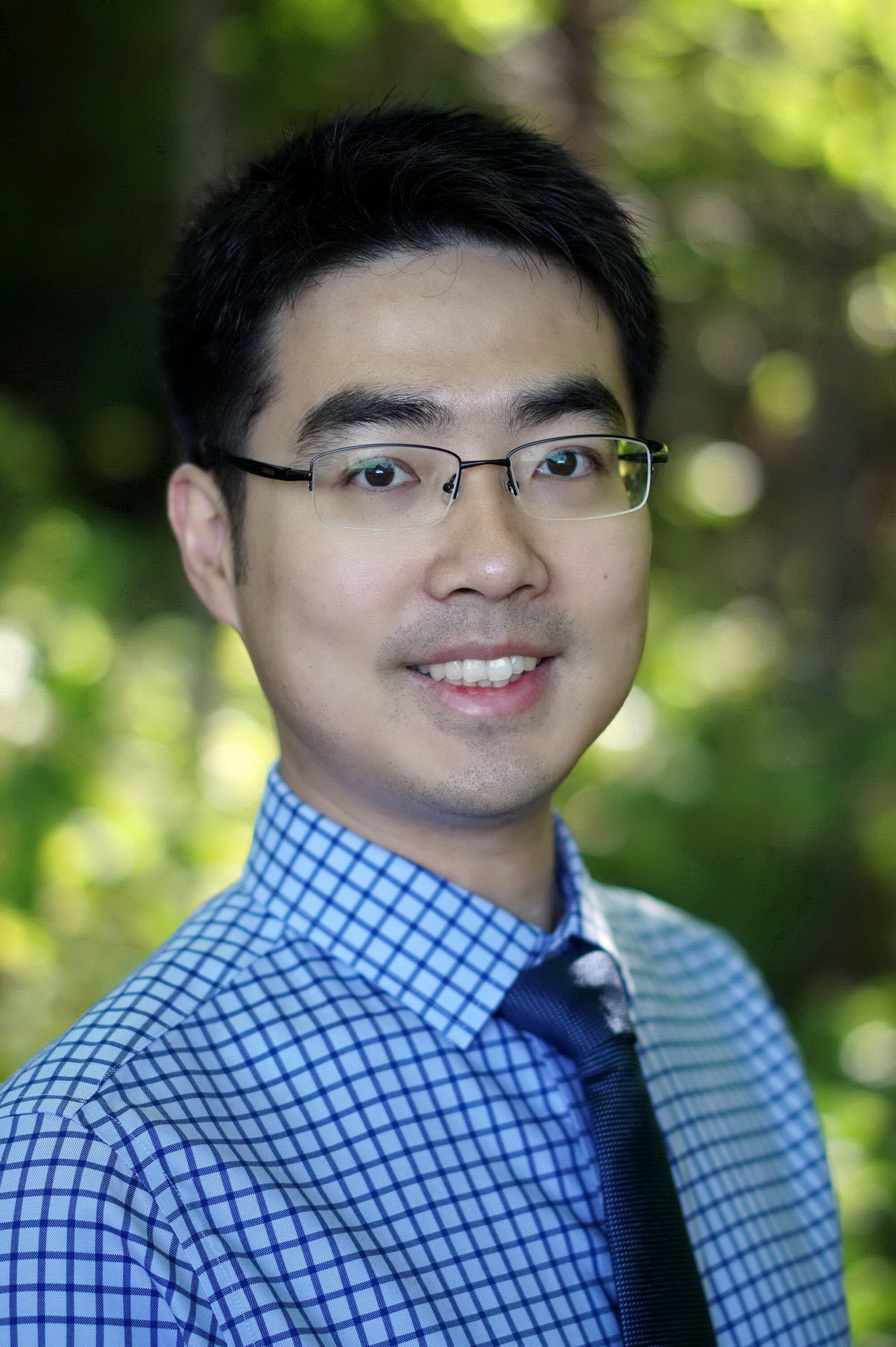
Lexin Li is a Professor in the Department of Biostatistics and Epidemiology at the University of California, Berkeley School of Public Health, with additional affiliations at the Helen Wills Neuroscience Institute, the UC Berkeley-UCSF Joint Program on Computational Precision Health, and the Center for the Theoretical Foundations of Learning, Inference, Information, Intelligence, Mathematics and Microeconomics at Berkeley (CLIMB). He received his BE in Electrical Engineering from Zhejiang University (1998) and PhD in Statistics from the University of Minnesota (2003), followed by postdoctoral training at UC Davis School of Medicine. He joined North Carolina State University as Assistant Professor in 2005, was promoted to Associate Professor in 2011, and served as visiting faculty at Stanford University and Yahoo Research Labs (2011-2013) before joining UC Berkeley as Associate Professor in 2014, where he was promoted to Full Professor in 2018. Dr. Li's research spans statistical methodology development for neuroimaging data analysis, tensor statistics, and machine learning applications to biomedical problems. His work focuses on brain connectivity and network analysis, imaging causal inference, tensor regression, dimension reduction, and statistical machine learning with applications to Alzheimer's disease, Parkinson's disease, and other neurological disorders. His methodological innovations bridge theoretical statistics with practical neuroscience applications, particularly in multimodal neuroimaging analysis and brain network modeling. His recent publications demonstrate a strong trajectory in integrating deep learning with classical statistical inference, particularly in tensor analysis, functional data modeling, and causal inference. The research shows increasing sophistication in handling high-dimensional, complex neuroimaging data while developing rigorous statistical frameworks for inference. His work increasingly focuses on multimodal data integration and developing methods that can handle the complexity of real-world neurological data. Dr. Li has received numerous prestigious honors including being elected as a Fellow of the American Statistical Association (2017), Fellow of the Institute of Mathematical Statistics (2021), Elected Member of the International Statistical Institute, and Fellow of the American Association for the Advancement of Science (2024). Fellow, American Statistical Association (2017) Fellow, Institute of Mathematical Statistics (2021) Elected Member, International Statistical Institute Fellow, American Association for the Advancement of Science (2024) Editor-in-Chief, Annals of Applied Statistics (2025-2027) As an academic leader, Dr. Li serves as Co-Director of the Biostatistics Program (2019-) and Director of Graduate Admissions (2015-) at UC Berkeley. He is an active editor, currently serving as Editor-in-Chief of the Annals of Applied Statistics (2025-2027), and has held associate editor positions at multiple top statistical journals including the Journal of the American Statistical Association and Journal of Computational and Graphical Statistics. He also serves as a Standing Member of the NIH Emerging Imaging Technologies in Neuroscience Study Section (2023-2027). His research has been supported by various NIH grants focused on statistical methodology for neuroimaging analysis. Dr. Li leads a vibrant research group focused on statistical neuroimaging and machine learning methodology, with strong connections to the Helen Wills Neuroscience Institute and collaborations across multiple departments at UC Berkeley. His team develops innovative statistical methods that address real challenges in neuroscience research while maintaining rigorous theoretical foundations. The group maintains active collaborations with neuroscientists and clinicians working on Alzheimer's disease, Parkinson's disease, and other neurological conditions.
Rajeev Sahay is an Assistant Teaching Professor in the Department of Electrical and Computer Engineering at the University of California San Diego (UCSD), affiliated with the Jacobs School of Engineering. He holds a Ph.D. and M.S. from Purdue University (2022 and 2021) and a B.S. from the University of Utah (2018). Prior to UCSD, he worked as a Senior Machine Learning Software Engineer at Saab, Inc., and taught courses at Purdue, earning the Purdue Engineering Dean’s Teaching Fellow award in 2021. His research bridges machine learning and networking, focusing on social learning networks (SLNs) for personalized education and robust wireless communications in adversarial environments. Key areas include federated learning for privacy preservation, adversarial attack mitigation, and next-generation 6G wireless systems. His work emphasizes data-driven methodologies to enhance learning outcomes and secure communication networks against vulnerabilities. Dr. Sahay’s teaching spans undergraduate and graduate courses in machine learning, data science, and programming languages (C/C++/Python), with a passion for tailoring curricula to student needs. His publications reflect expertise in federated learning, adversarial defense mechanisms, and signal processing, with recent contributions to AI-assisted education and robust wireless systems. Scientific Awards: Purdue Engineering Dean’s Teaching Fellow (2021) Teaching and Research Interests: Machine Learning Pedagogy Adversarial Robustness in ML Systems Federated Learning Applications Social Learning Network Analysis 6G Wireless Communication Security
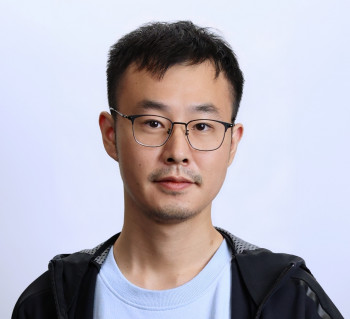
Janne Heikkilä is a Professor at the Faculty of Information Technology and Electrical Engineering, University of Oulu, Finland. With over 30 years of experience in computer vision and machine learning, he leads the Center for Machine Vision and Signal Analysis (CMVS) and has contributed extensively to both theoretical and applied research. Research Interests: 3D computer vision, biomedical image analysis, computational photography, and deep learning. Scientific Leadership: IAPR Fellow, Senior IEEE Member, and former President of the Pattern Recognition Society of Finland. His work spans computer vision, radiotherapy planning, and biomedical imaging, with over 200 publications and 14,000 citations. He has secured funding from prestigious organizations like the Academy of Finland and Business Finland. His recent research focuses on debiasing AI models, 6D object pose estimation, and radiotherapy dose prediction. Scientific Awards: IAPR Fellow Senior Member of IEEE
Professor Rajen Shah is a faculty member in the Statistical Laboratory at the University of Cambridge, part of the Department of Pure Mathematics and Mathematical Statistics (DPMMS) within the Faculty of Mathematics. His research focuses on statistical methodology, particularly in high-dimensional data analysis, machine learning, and robust statistical inference. He is known for contributions to areas such as change-point regression, inverse propensity score weighting, and efficient estimation techniques in complex models. Key research interests include developing novel methods for variable selection, robust hypothesis testing, and scalable algorithms for large-scale data. He has collaborated on interdisciplinary projects, such as functional genomics studies (e.g., screening conserved genes of unknown function). His work often emphasizes theoretical rigor alongside practical applications in fields like causal inference and computational statistics. Prof. Shah has published extensively in top-tier journals like The Annals of Statistics , Bernoulli , and Journal of the Royal Statistical Society Series B . His recent articles address challenges in cross-validation for change-point detection, rank-transformed subsampling, and sandwich boosting methods. He is actively involved in the academic community, contributing to the Cambridge Statistics Clinic and supervising research in statistical methodology. His research group is affiliated with the Statistical Laboratory at the Centre for Mathematical Sciences, Cambridge. The lab focuses on advancing statistical theory and applications, with a strong emphasis on high-dimensional and assumption-lean methods.
Parinaz Naghizadeh is an Assistant Professor in the Department of Electrical and Computer Engineering at the University of California San Diego (UCSD), affiliated with the Design Lab. She holds a PhD from the University of Michigan and has prior roles at Ohio State University and postdoctoral positions at Purdue and Princeton. Her research focuses on network economics, game theory, AI ethics, optimization, and cybersecurity. She received the NSF CAREER Award (2022), Rising Stars in EECS (2017), and Barbour Scholarship (2014). Education: PhD in Electrical Engineering (University of Michigan), M.Sc. in Mathematics and Electrical Engineering (University of Michigan), B.Sc. in Electrical Engineering (Sharif University of Technology, Iran). Research Interests: She develops mathematical models to analyze decision-making in complex networks, with emphasis on AI ethics, multi-agent systems, and cybersecurity. Recent work explores biases in AI, strategic classification, and incentive mechanisms for security investments. Article Trends: Her recent publications (2023-2025) address strategic classification challenges, multiplex network equilibria, federated learning fairness, and robust control in cyber-physical systems. Themes include ethical AI, game-theoretic security design, and optimization under uncertainty. Awards: NSF CAREER Award (2022), Rising Stars in EECS (2017), Barbour Scholarship (2014) Advising & Grants: No student advisees listed, but active in securing research grants (e.g., NSF CAREER). Works with interdisciplinary teams in UCSD's Design Lab. Labs/Teams: Affiliated with UCSD's Design Lab, focusing on innovative engineering solutions for societal challenges.
Isabelle Augenstein is a Professor at the University of Copenhagen, Department of Computer Science (DIKU), where she heads the Copenhagen Natural Language Understanding (CopeNLU) research group and the Natural Language Processing section. She is also a co-lead of the Danish Pioneer Centre for Artificial Intelligence, Denmark's largest research center initiated by the Danish Ministry of Higher Education and Science. In October 2022, she became Denmark's youngest ever female full professor. Dr. Augenstein earned her undergraduate degree in Computational Linguistics and Psychology from Heidelberg University, followed by a Master's in Computational Linguistics. She completed her PhD in Computer Science at the University of Sheffield under the supervision of Dr. Diana Maynard and Prof. Fabio Ciravegna. In 2021, she earned a Habilitation at the University of Copenhagen in Explainable Fact-checking. Professor Augenstein's primary research focuses on fair and accountable Natural Language Processing, with particular emphasis on explainability, factuality, and bias detection. Her work spans multiple subfields including automated fact-checking, stance detection, gender bias analysis, and cultural bias in language models. She has pioneered research in explainable fact-checking, developing methods that not only predict claim veracity but also provide meaningful explanations of the decision-making process. Her research group has produced numerous influential papers on measuring model fragility, quantifying gender biases, and developing robust fact-checking systems that account for distribution shifts. Her significant contributions have been recognized with several prestigious awards: ERC Starting Grant on 'Explainable and Robust Automatic Fact Checking' DFF Sapere Aude Research Leader fellowship on 'Learning to Explain Attitudes on Social Media' Karen Spärck Jones Award from the British Computing Society and Bloomberg Hartmann Diploma Prize from the Hartmann Foundation Member of the Royal Danish Academy of Sciences and Letters since 2024 Professor Augenstein has secured significant research funding including her ERC Starting Grant supporting five years of blue-sky research. She actively mentors PhD students and postdoctoral researchers through her 'ExplainYourself' project. She served as President of SIGDAT (which organizes the EMNLP conference series), having previously held leadership roles as Vice President and Vice President-Elect. She is a co-founder of Widening NLP (WiNLP), an initiative to increase diversity in the NLP community, and maintains the BIG Directory of underrepresented groups in NLP. She leads the Copenhagen Natural Language Understanding (CopeNLU) research group, which relocated to the historic Østervold Observatory in Copenhagen's Botanical Gardens in 2023. The group focuses on developing methods for explainable and robust natural language understanding, with applications in fact-checking, bias detection, and social media analysis. Professor Augenstein also co-leads the Speech and Language collaboratory at the Pioneer Centre for Artificial Intelligence, where her team investigates how language models can better serve diverse populations while maintaining accountability and transparency.
Chiara Natali is a PhD Student in Computer Science at University of Milan-Bicocca (2022-present) and a Visiting Research Fellow at the Dalle Molle Institute for Artificial Intelligence USI-SUPSI, supported by a Swiss Government Excellence Research Fellowship. She serves as a Lecturer for Interaction Design Lab and Human-Computer Interaction courses at University of Milano-Bicocca, and as a Tutor for Advanced Data Management and Decision Support Systems and Human-System Interaction courses across multiple Italian universities. Her educational background includes: MA in Politics, Philosophy and Public Affairs at University of Milan (2020-2022) Master's in Digital Communication Strategy at IED, Milan (2019-2020) BSc in International Politics and Government at Bocconi University, Milan (2016-2019) Natali's research centers on the complex relationship between humans and AI systems, with particular focus on Human-AI Interaction, Explainable AI (XAI), Ethical AI, and her signature concept of Frictional AI. She investigates the multidirectional effects of AI on human cognitive faculties, examining the tension between Augmentation and Deskilling. Her work explores how intentional design friction can serve as a debiasing strategy against Automation Bias, promoting more thoughtful human-AI collaboration while preserving human agency and critical thinking. Her publication record reveals a strong emphasis on practical applications of XAI in high-stakes domains like healthcare, with particular attention to medical decision-making processes. Her research consistently addresses the challenge of designing AI systems that support rather than replace human expertise, exploring how explanations impact accuracy in hybrid decision-making and how to measure technology dominance in AI-supported environments. Her significant contributions have been recognized with: Best Paper Award at the World Conference on Explainable Artificial Intelligence (2024) Best Doctoral Consortium Award at CEUR Workshop Proceedings (2023) Natali actively shapes her field through academic service, serving as PUBLICITY & PROCEEDINGS CHAIR for HHAI 2025 and organizing multiple workshops on Human-Centred Machine Learning, Algorithmic Authority, and Frictional AI. She also contributes to gender equality in STEM as a Science Ambassador for her institution's Gender Equality Plan and previously served as PhD co-representative at the Department Board. Her interdisciplinary approach extends into creative domains, where she is developing an Interactive AI Opera on 'The Garden of (Un)Earthly AI's' funded by the University of Edinburgh's Generative AI Laboratory, and has curated projects exploring Human-AI Music Co-Creation and live-coding music performances.
Yi Li is the M. Anthony Schork Collegiate Professor of Biostatistics at the University of Michigan School of Public Health. With a PhD in Biostatistics from the University of Michigan (1999) and postdoctoral training at Harvard (1999-2000), Dr. Li has established himself as a leading researcher in statistical methodology with applications across multiple biomedical domains. Dr. Li's research spans survival analysis, data science, high-dimensional inference, machine learning, deep learning, spatial data analysis, random-effects models, clinical trial design, and infectious disease modeling. His methodological work finds application in cancer genetics/genomics, radiomics, racial disparity analysis, chronic disease research, and opioid overuse studies. With over 230 publications in major statistical journals including JASA, Biometrika, JRSSB, and Biometrics, as well as premier subject matter journals like PNAS, JAMA, and JCO, Dr. Li's work has significantly impacted both statistical theory and biomedical applications. His research portfolio demonstrates consistent evolution from foundational methodological work in survival analysis and spatial statistics to cutting-edge applications in high-dimensional data, machine learning, and deep learning approaches for complex biomedical problems. The recent publications reveal increasing focus on integrating multiple data sources, causal inference in observational studies, and developing interpretable machine learning models for clinical applications. Dr. Li's work has been continuously supported by NIH funding since 2003, including multiple National Cancer Institute grants (R01 CA95747, 1P01CA134294-010002, R21CA157219, R01CA249096, R01CA269398) and a National Institute on Aging grant (R21AG058198). He actively collaborates with researchers from the University of Michigan and Harvard University on clinical and observational studies. As an educator, Dr. Li has taught advanced courses in survival analysis and statistical methods, mentoring the next generation of biostatisticians. His methodological contributions have been widely recognized through invitations to serve on NIH study sections (BMRD 2008-2012, EPIC 2015-2019) and as Associate Editor for leading statistical journals including Journal of the American Statistical Association, Biometrics, and Scandinavian Journal of Statistics.
Dr. Ziquan Liu is a Lecturer (Teaching & Research) at Queen Mary University of London's School of Electronic Engineering and Computer Science, affiliated with the Centre for Multimodal AI. He holds a PhD from City University of Hong Kong (2023) and dual B.Sc./B.Eng. degrees from Beihang University (2017). His research focuses on trustworthy machine learning, adversarial robustness, and uncertainty quantification in foundation models. He has served as a reviewer for top conferences like NeurIPS, ICLR, and CVPR, earning an Outstanding Reviewer Award in 2021. His teaching includes modules on machine learning for visual data analysis and principles of machine learning. He supervises PhD students in AI safety and reliability, with notable work on conformal prediction, adversarial attacks, and multimodal learning. His research outputs span top venues such as ICML, CVPR, and NeurIPS, addressing challenges in algorithmic fairness, model certification, and cross-modal alignment.
Chen Xu is an Associate Professor in the Department of Mathematics and Statistics at the University of Ottawa. He holds an M.A. from York University and a PhD from the University of British Columbia. His research focuses on sparse modeling, statistical learning, and big data processing, with an emphasis on both theoretical and computational advancements. Dr. Xu is affiliated with the Faculty of Science and contributes to editorial roles for journals such as the Journal of the American Statistical Association and Electronic Journal of Statistics. Education: M.A., York University PhD, University of British Columbia Research interests include feature selection, regularization methods, kernel methods, and high-dimensional regression. His work addresses computational challenges in big data, proposing efficient algorithms for tasks like singular value decomposition, clustering, and distributed feature screening. Recent publications highlight advancements in multiview PCA, low-tubal-rank tensor recovery, and model-free regression techniques. Publications span prestigious journals like the Journal of the American Statistical Association and IEEE Transactions series, focusing on statistical methodology, machine learning applications, and scalable computational solutions for complex data problems. Editorial Service: Associate Editor, Journal of American Statistical Association-T&M (2023–present) Associate Editor, Electronic Journal of Statistics (2023–present) Former Associate Editor, The Canadian Journal of Statistics (2019–2021) His research groups are Statistics and Biostatistics, and Data Science, Machine Learning, and Artificial Intelligence. He has no listed awards but maintains active editorial and academic collaborations in computational statistics and machine learning.
Timothy Baldwin is a Professor at the University of Melbourne, School of Computing and Information Systems, with additional affiliation at Mohamed bin Zayed University of Artificial Intelligence in UAE. His research spans natural language processing, large language models, and multilingual AI systems. His research interests focus on the safety, reliability, and ethical aspects of large language models. He investigates bias evaluation and debiasing techniques, uncertainty quantification methods, fact-checking systems, and multilingual model safety. His work addresses critical challenges in making AI systems more transparent, reliable, and culturally aware, with particular attention to low-resource languages and cross-cultural differences. Baldwin's recent publications demonstrate a strong focus on evaluating and improving the safety of language models across diverse linguistic contexts, developing tools for fact verification, and understanding the internal mechanisms of large language models. His research shows increasing emphasis on practical applications with real-world impact, particularly in multilingual settings and safety-critical domains. His scientific contributions include foundational work on multilingual NLP, bias mitigation techniques, and frameworks for evaluating LLM safety across different cultural contexts. His research has been published in top-tier venues including ACL, NAACL, EMNLP, and ICLR. Baldwin actively mentors students and junior researchers, with frequent collaborations with Haonan Li, Xudong Han, and Fajri Koto, among others. His research group appears to focus on practical applications of NLP with strong ethical considerations, particularly regarding model safety and cultural sensitivity.
Richard P. Larrick is the Hanes Corporation Foundation Distinguished Professor of Business Administration at Duke University’s Fuqua School of Business, with a secondary appointment in the Department of Psychology & Neuroscience. His research focuses on judgment, decision making, and organizational behavior, particularly addressing topics like debiasing, environmental decisions, and the wisdom of crowds. Larrick holds a Ph.D. in Social Psychology from the University of Michigan (1991) and a B.A. in Psychology and Economics from the College of William and Mary (1986). He has authored influential studies on blinding techniques to reduce bias in hiring and decision-making, the MPG illusion in energy efficiency metrics, and the impact of rankings on consumer choices. Awards include the Robert B. Cialdini Award (2012) and the Hillel Einhorn New Investigator Award (1996). Larrick’s work bridges academia and practice, addressing real-world challenges in organizations and public policy. Affiliations: Fuqua School of Business, Duke University; Department of Psychology & Neuroscience (Trinity College of Arts & Sciences). Grants: Co-investigator on grants like 'Promoting Professionalism and Accountability Through Nonfinancial Means' (2015–2017). Teaching: Courses include Behavioral Decision Theory, Navigating Organizations, and Leadership. His research on blinding in hiring and environmental decision-making has been widely cited, emphasizing practical strategies to improve fairness and accuracy in organizational processes. Larrick also contributes to public discourse on energy policy, consumer behavior, and the psychological underpinnings of societal challenges.
Fariba Karimi is a Professor of Social Data Science at Graz University of Technology and leads the Algorithmic Fairness research group at the Complexity Science Hub (CSH) in Vienna. Her work sits at the intersection of computational social science, network science, and AI ethics, with a strong focus on fairness, inequality, and bias in algorithmic systems. She holds a PhD in Physics and Computational Science from Umeå University, Sweden (2015), and was a Postdoctoral Researcher at GESIS – Leibniz Institute for Social Sciences, Germany. Her research combines large-scale data analysis, agent-based modeling, and network science to study how social structures and algorithms interact to shape disparities, particularly for underrepresented groups. Computational Social Science Algorithmic Fairness and Bias Network Science and Homophily Digital Humanism Urban Inequality and Implicit Bias Gender and Age Equity in Academia Her recent publications reveal a consistent focus on understanding and mitigating algorithmic and structural inequities. Themes include the visibility of minorities in networks, the impact of segregation on health and cognition, gender citation gaps in physics, and the development of fair ranking and recommendation systems. She employs interdisciplinary methods to analyze both digital and real-world social systems. Fariba Karimi has received several prestigious recognitions, including: Young Scientist Award from the German Physical Society (2023) ERC Starting Grant (2024) Nomination for the Hedy Lamarr Award (2021) She leads the 'Humanized Algorithms' project at CSH, funded by the ERC, and co-leads an EU Horizon project (MAMMOth) on multi-criteria fairness in AI. She advises PhD researchers such as Lisette Espín-Noboa and collaborates with institutions like the University of Mannheim and the Centre for Social Sciences. Her work contributes to both academic knowledge and practical solutions for fairer AI systems and more equitable societies.
Agnes Melinda Kovacs serves as Associate Professor in the Department of Cognitive Science at Central European University (CEU), where she directs the Cognitive Development Center and co-leads the Center for Belief Update and Debiasing (DEBIAS) as Project Leader and Principal Investigator. Her research investigates early social cognition—including perspective taking, theory of mind, and tracking others' epistemic states (knowledge, belief, uncertainty)—alongside foundational abstract thought processes like generalization, compositionality, and evidence-based belief updating in children and adults. This work has been featured in Nature , Scientific American , The New York Times , and major international media outlets. Scientific Awards: ERC Starting Independent Research Grant Advising and Grants: She supervises multiple PhD candidates and has graduated students including Dora Kampis and Martin Freundlieb (as co-supervisor). Her DEBIAS project received FWF Special Research Area funding for investigating coherent belief systems. Current PhD advisees include Maja Blesic and Maria Mavridaki. Labs and Teams: She directs CEU's Cognitive Development Center and co-founded the Center for Belief Update and Debiasing (DEBIAS), focusing on experimental paradigms to study cognitive biases and developmental trajectories.