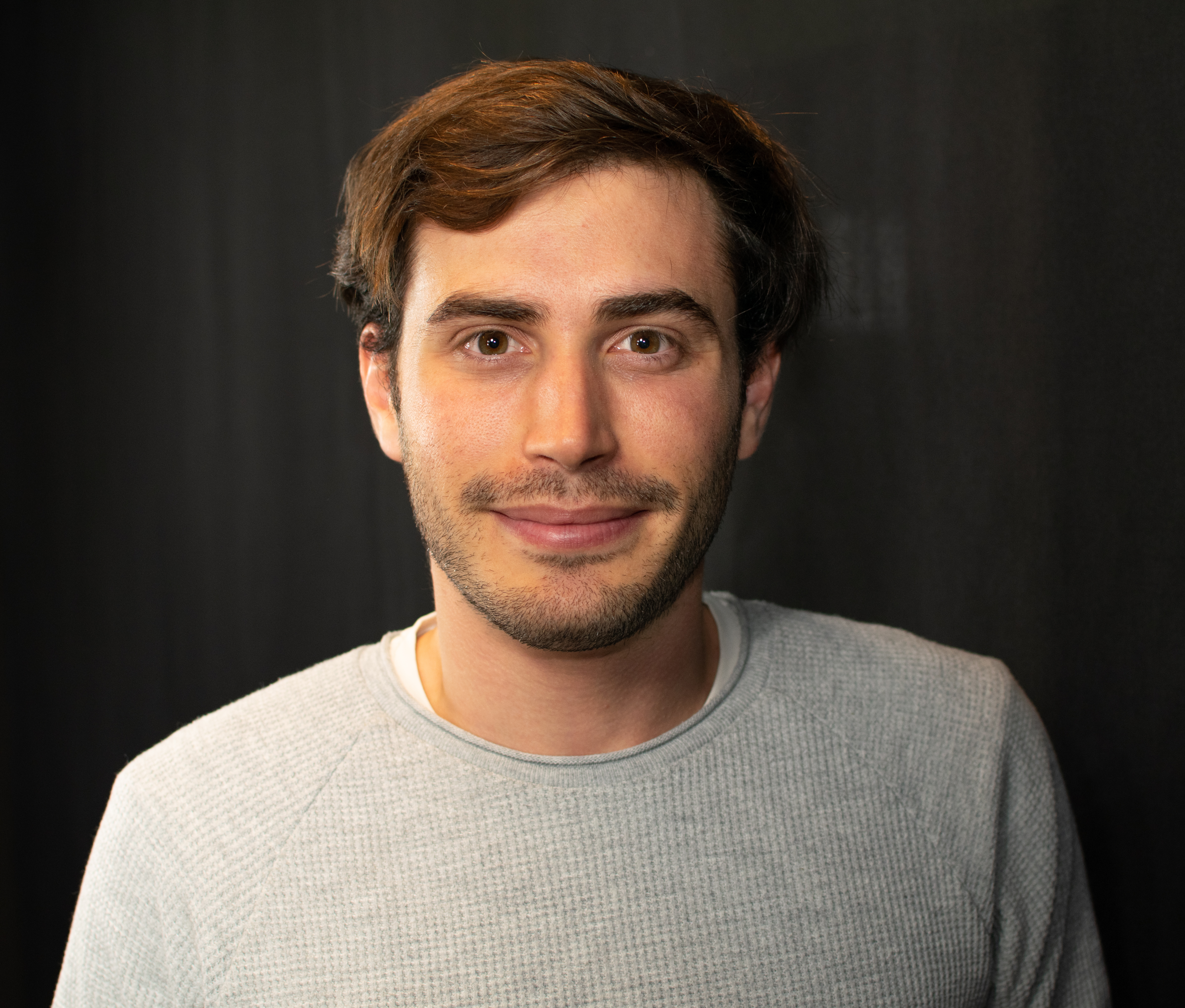
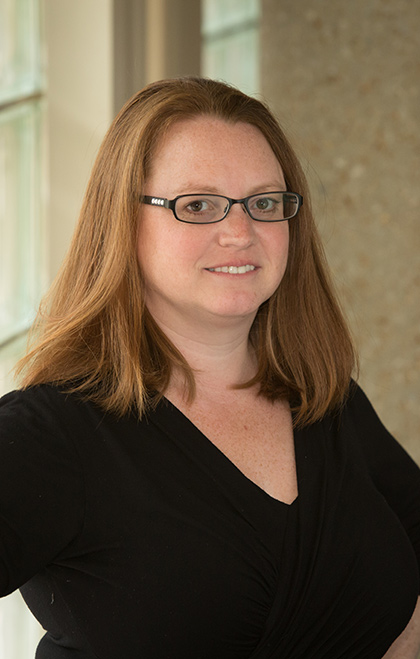
Abdussalam Alhadi M Alawini serves as a Teaching Associate Professor in the Siebel School of Computing and Data Science at the University of Illinois' Grainger College of Engineering. He holds additional roles as an Education Innovation Fellow and Keen Catalyst within the same institution. His work focuses on improving computer science education through innovative pedagogical strategies, particularly in data systems and collaborative learning environments. Key research areas include database education methodologies, student sense of belonging in STEM fields, and the application of data-driven approaches to analyze collaborative learning processes. He has been recognized with the 2024 Campus Excellence in Instruction Award for his contributions to teaching excellence. His recent publications emphasize curriculum design for data systems education, automated feedback systems for database courses, and the psychological impacts of collaborative learning on computing students. Alawini actively contributes to educational initiatives bridging industry needs with academic curricula, and has pioneered visualization tools like GA2Graph to enhance educational analytics.
Dr. Rebecca Senior is an Assistant Professor in the Department of Biosciences at Durham University, specializing in conservation science and microclimate ecology. Her research focuses on leveraging quantitative tools and technology to address biodiversity loss, with emphasis on tropical ecosystems and climate change impacts. She holds a PhD in Ecology & Conservation from the University of Sheffield (2018) and a BA in Natural Sciences from the University of Cambridge (2013). Her research interests include conservation strategies, microclimate dynamics, and the application of spatial analysis and R programming to ecological challenges. She has contributed to global initiatives such as the PREDICTS project, analyzing biodiversity responses to human impacts. Her work frequently intersects with policy, emphasizing actionable solutions for species recovery and ecosystem resilience. Dr. Senior has supervised multiple PhD students (Andrew Clelland, Cameron Goodhead, Jack Marchant) and has secured grants supporting her research. Her publications span high-impact journals like Nature , Global Change Biology , and Science Advances , addressing topics such as conservation action effectiveness, microclimate guidelines, and thermal buffering in tropical forests. She has also engaged in professional development activities, including postdoctoral research at Princeton University (2019–2021) and visiting roles at the University of Florida. Her contributions include open-source tools like the ThermStats R package and the SoilTemp database, advancing global environmental monitoring efforts.
Harry Anthony Patrinos is the Department Head of the Department of Education Reform and holds the 21st Century Endowed Chair in Education Policy at the University of Arkansas. He specializes in the economics of education, focusing on returns to schooling, school-based management, and public-private partnerships. Previously, he served at the World Bank as Senior Adviser, managing education teams across regions and co-developing the Harmonized Learning Outcomes database for the Human Capital Index. His research also addresses Indigenous peoples' socioeconomic status. He holds a doctorate from the University of Sussex. His work spans policy analysis, global education systems, and pandemic impacts on learning, with over 50 journal articles. Notable contributions include studies on pandemic-induced learning loss, voucher systems in education, and Indigenous education equity. He has advised governments and international institutions on education financing and reform strategies.
Claire Burton is an NIHR Clinical Lecturer and Clinical Fellow in Primary Care at the School of Medicine, Keele University. She holds a PhD in musculoskeletal epidemiology (awarded 2020) and maintains a clinical role as a salaried GP at Silverdale & Ryecroft Practice in North Staffordshire. Her research focuses on musculoskeletal disorders, including carpal tunnel syndrome and frozen shoulder, with an emphasis on epidemiology, prognosis, and primary care management. She has led studies on pandemic impacts on musculoskeletal care, long-term outcomes of pediatric COVID-19, and the epidemiological links between diabetes and frozen shoulder. Dr. Burton’s educational background includes an MBChB from the University of Manchester/Keele University (2005), an MMedSci in Medical Science from Keele (via West Midlands Deanery funding), and doctoral studies supported by NIHR and SPCR fellowships. She is a member of the West Midlands RfPB Committee and the School’s Student Ethics Committee. Her research portfolio includes NIHR-funded studies on musculoskeletal epidemiology and pandemic healthcare adaptations. She has contributed to randomized trials like INSTINCTS (versus Arthritis-funded) and PANDA-S (PGfAR-funded), exploring interventions for musculoskeletal conditions. Her work bridges clinical practice and academic research, emphasizing patient-centered outcomes and healthcare system resilience. Dr. Burton teaches medical students and foundation trainees, supervising a Versus Arthritis-funded doctoral student analyzing frozen shoulder prognosis using CPRD data. Her grants include NIHR Clinical Lectureship support and funding from FOREUM and SPCR for pandemic-related studies.
Dr Toby Helliwell is a Senior Lecturer in General Practice and Global Health at Keele University's School of Medicine, where he also serves as Primary Care Lead for Global Health. He holds a medical degree from Birmingham University, a Master's in Medicine, and a PhD in musculoskeletal general practice. His roles include GP partner in North Staffordshire, fellow of the Royal College of General Practitioners, and clinical research scholar. His research focuses on non-communicable diseases, musculoskeletal conditions (e.g., polymyalgia rheumatica), global health systems, and improving primary care in resource-limited settings. He has contributed to international partnerships with institutions in Africa and Asia. Teaching spans undergraduate and postgraduate trainees, including supervision of PhD/MPhil students. Recent research highlights include studies on opioid management, gabapentinoid prescribing trends, and musculoskeletal health in agricultural workers. He has published extensively in rheumatology and primary care journals. Global Health collaborations: Formal partnerships in Eastern/Southern Africa and South/East Asia Key awards: Fellow of the Royal College of General Practitioners Primary care innovation: Pharmacist-led reviews for chronic conditions
Simon White is a Professor of Pharmacy Practice and Professional Lead for Pharmacy and Pharmaceutical Science at Keele University, within the School of Allied Health Professions and Pharmacy. He holds a PhD in Pharmacy Practice (2008) and MA in Learning and Teaching in Higher Education (2013), alongside professional qualifications as a pharmacist since 1995. His academic roles include leadership in undergraduate and postgraduate programs, particularly professional doctorates. Research interests focus on medicines usage, pharmacy practice, pharmacy education, public health, health services, and implementation science. He supervises doctoral (DPharm/PhD) and undergraduate students, teaching qualitative research methods and pharmacy practice topics. Awards include Senior Fellow of the Higher Education Academy (2018) and Fellow of the Royal Pharmaceutical Society (2020). Key articles address opioid management, osteoarthritis care, pharmacist-led interventions, and technology in pharmacy. His work emphasizes healthcare collaboration, patient-centered care, and evidence-based practice. Projects include the Keele Centre for Medicines Optimisation (KCMO) and Virtual Patient educational technology.
Leonidas Fegaras is an Associate Professor in the Computer Science and Engineering Department at the University of Texas at Arlington's College of Engineering, where he has been employed since 1996, initially as Assistant Professor until 2002 when he was promoted to Associate Professor. His academic journey began with a BEE in Engineering from the National Technical University (1902), followed by an MS in Electrical & Computer Engineering from the University of Massachusetts Amherst (1903), and culminated with a PhD in Computer Science from the same institution in 1992. His educational background includes: PhD in Computer Science, University of Massachusetts Amherst, 1992 MS in Electrical & Computer Engineering, University of Massachusetts Amherst, 1903 BEE in Engineering, National Technical University, 1902 Fegaras's research spans multiple domains within computer science, with a strong emphasis on database systems and big data analytics. His work focuses on developing innovative frameworks for processing large-scale data, particularly in XML, array-based computations, and graph analytics. He has pioneered approaches for query optimization in distributed environments, stream processing, and translation of high-level programming constructs to efficient distributed execution. More recently, his research has expanded into healthcare applications, applying data analytics techniques to clinical data for improved patient outcomes and healthcare decision-making. His interdisciplinary work bridges computer science with healthcare, criminal justice, and environmental science domains. Analysis of his recent publications reveals a clear evolution in his research focus from traditional database systems and XML processing toward modern big data analytics frameworks. His work now heavily emphasizes distributed computing models, particularly leveraging Spark and SQL-based distributed processing. A significant portion of his recent work applies these techniques to healthcare analytics, demonstrating his ability to translate theoretical database concepts into practical applications that address real-world problems in medicine and social sciences. His research shows consistent innovation in query processing techniques across evolving data paradigms. Fegaras has been actively involved in mentoring the next generation of computer scientists, serving as dissertation committee chair for numerous PhD students and supervising many master's theses. His research has been supported by substantial funding from federal agencies including the National Science Foundation and the U.S. Department of Education, with projects totaling over $2 million. Notable grants include the GAANN Doctoral Fellowships in Computer Science and Engineering and several NSF-funded projects focused on big data analytics and database systems. As an educator, Fegaras teaches advanced courses in compilers, web data management, and cloud computing & big data. He has held significant administrative roles including Chairperson of the CSE Graduate Studies Committee since 2009 and membership on the University Graduate Curriculum Committee. His service extends to professional program committees and conference organization, demonstrating his active engagement with the broader computer science research community.
Dale Fitch is Professor at the University of Missouri School of Social Work, where he applies systems theory and computational methods to human service organizations. His research develops frameworks for information system design in social work contexts. Fitch's work bridges technology and social work practice through organizational cybernetics models, examining decision support systems in child welfare and evidence-based practice implementation. Recent publications address digital portfolios in education and neighborhood-level risk modeling. His scholarship demonstrates consistent focus on technology integration in social services, from database architectures to algorithmic accountability. Current projects explore digital resilience in adolescents and competency-based assessment methods.
Phillip De Leon is an accomplished academic and administrator serving as Associate Vice Chancellor for Research and Chief Research Officer at the University of Colorado Denver. He is also a Professor in the Department of Electrical Engineering within the College of Engineering, Design and Computing. His career includes prior roles as a Professor at New Mexico State University, where he held distinguished professorships for teaching excellence and research leadership. Dr. De Leon leads CU Denver’s strategic research initiatives, emphasizing interdisciplinary collaboration and innovation across diverse academic programs. His research focuses on Digital Signal Processing (DSP), with specializations in machine learning, speech processing (including speaker recognition and speech enhancement), time-frequency analysis, and embedded systems. His work has been supported by agencies such as the Air Force Research Laboratory, Army Research Laboratory, NSF, NASA, and Sandia National Laboratories. He has authored numerous publications in DSP, addressing topics like spoofing detection, spectral analysis, and biomedical signal applications. Education: PhD in Electrical Engineering (prior academic details not specified) Dr. De Leon’s research trends reflect a strong emphasis on security applications of signal processing, such as anti-spoofing for voice authentication systems, and practical implementations of advanced DSP techniques. His recent work explores instantaneous frequency analysis, embedded system optimizations, and machine learning for healthcare monitoring (e.g., falls risk prediction in elderly populations). His professional service includes roles such as Associate Dean of Research and Chief Science Officer, demonstrating leadership in both academic governance and scientific innovation. He maintains active collaborations with industry and government agencies to advance applied research outcomes.
Ramil Mauleon is an Adjunct Senior Lecturer at Southern Cross University (Faculty of Science and Engineering) and a former Senior Research Fellow in bioinformatics/computational biology at SCU. Previously, he served as a Bioinformatics Scientist at the International Rice Research Institute (IRRI), contributing to global projects like the 3,000 Rice Genomes Project and the Rice Galaxy initiative. His research focuses on integrative omics data analysis, FAIR-compliant data systems, and computational tools for crop genomics. Education: BSc in Biology (Genetics) from University of the Philippines Los Baños (1986–1989) MSc in Genetics (RFLP mapping of rice blast resistance) (1992–1996) PhD in Genetics (transcriptome analysis of rice blast resistance) (2002–2006) Research Interests: Bioinformatics methodologies for crop genomics FAIR data standards (Crop Ontology, interoperability frameworks) High-performance computing for genomic data analysis Plant phenotyping via computer vision/machine learning Genetic marker development for breeding applications Key Projects: Rice Galaxy: Open bioinformatics platform for plant science 3,000 Rice Genomes Project: Genomic diversity analysis CannSeek: Cannabis SNP database and analysis portal Labs/Teams: Active contributor to Southern Cross Plant Science and global agricultural data initiatives.
Dr. Mahmoud H. Qutqut is an Assistant Teaching Professor in the Faculty of Computer Science at the University of New Brunswick (UNB) in Fredericton, Canada since September 2023. Previously, he served as Chair of the Cybersecurity and Cloud Computing Department at Applied Science University in Jordan (July 2022–August 2023) and was promoted to Associate Professor there in December 2019. He has held academic positions since 2014, including a visiting role at Queen’s University (2017–2019) where he contributed to research and teaching. His educational background includes a Ph.D. (2014) and M.Sc. (2008) in Telecommunication Systems, and a B.Sc. (2004) in Computer Systems. Research interests focus on smart city technologies, IoT, cybersecurity, and data-driven networks. He actively publishes in top-tier venues such as IEEE Access and has served on technical committees for conferences and journals. Notable achievements include a Teaching Excellence Award nomination (2018) and founding the Cisco Academy at Applied Science University (2015). Dr. Qutqut’s academic career spans teaching roles at Queen’s University, where he instructed courses on computer networks and computing fundamentals. His research bridges theoretical advancements with practical applications in network security, machine learning, and IoT systems. He has supervised impactful student projects, such as winning entries in graduation competitions (2017).
Pietro Belloni is a Researcher (RTDa) at the Department of Statistical Sciences, University of Padua, Italy. His primary role involves advancing statistical methodologies for drug safety and public health research through interdisciplinary projects like the Age-IT initiative. He holds a PhD in Statistics from the University of Padua, completed under Professors Giovanna Boccuzzo and Nicholas P. Tatonetti, with visiting research at Columbia University's Department of Biomedical Informatics. His academic journey includes a Master’s and Bachelor’s in Statistical Sciences from the University of Padua, complemented by an Erasmus exchange in Mathematics and Statistics at Århus University. Belloni’s research focuses on epidemiology, medical statistics, and social statistics, with particular emphasis on text mining, spatial epidemiology, and composite indicators for public health assessment. He actively contributes to research teams such as GLASS (a young Italian social statistics laboratory) and the Age-IT project addressing aging society challenges. Teaching responsibilities span epidemiology, medical statistics, and data analysis methods at both University of Padua and H-Farm College. His software contributions include R libraries like perla for mortality cluster analysis and MARMoT for statistical balancing techniques. Belloni’s work bridges theoretical statistics with practical applications in healthcare and social sciences, with publications in journals like Statistical Methods & Applications and Acta Otorhinolaryngol Italica , and book chapters on pharmacovigilance and text mining. His research has addressed topics ranging from cancer staging through NLP to pandemic sentiment analysis during the first wave of the COVID-19 crisis.
Overview Paula Buchanan, Ph.D., M.P.H., is an Associate Professor and Associate Director of Academic Affairs in the Department of Health and Clinical Outcomes Research at Saint Louis University School of Medicine. She also directs AHEAD Consulting & Training Services. Her work focuses on epidemiological and statistical modeling of chronic and acute illnesses, leveraging large population datasets from sources like the VA and Medicare. She teaches courses in biostatistics, multivariate analysis, and outcomes research methodologies. Education Ph.D. in Health Services Research, Saint Louis University M.P.H. in Biostatistics and Epidemiology, Saint Louis University B.A. and B.S. in Mathematics, Truman State University Research Interests Buchanan’s research spans statistical methods for healthcare outcomes, pediatric medicine, cost analysis, and transplant outcomes. She examines disease progression, database management, and translational research applying statistical models to clinical data. Her work often addresses gaps in understanding chronic illness trajectories and optimizing healthcare delivery systems. Advising & Grants No specific advisees or grant awards are listed in the provided materials. Her research is supported through institutional affiliations and collaborative projects. Labs/Teams Director of AHEAD Consulting & Training Services, which focuses on applying health outcomes research to clinical practice and policy.
Oscar Suman, PhD, MS, is a Professor in Surgery and Orthopaedic Surgery & Rehabilitation at the University of Texas Medical Branch. His research focuses on improving physiological, psychosocial, and functional outcomes in burn survivors through exercise interventions and rehabilitation strategies. Research interests center on thermal burn rehabilitation, exercise physiology, and long-term recovery mechanisms. Key areas include: Exercise therapy for severely burned patients Physiological adaptations post-burn injury Psychosocial recovery frameworks Biomarker identification for infection detection Pediatric burn rehabilitation protocols Dr. Suman has led multiple federally funded grants including projects from the Administration for Community Living and National Institute of Child Health and Human Development. His work has established evidence-based rehabilitation protocols used in burn centers nationwide.
D. Lansing Taylor serves as Director of the University of Pittsburgh Drug Discovery Institute (UPDDI) and holds the Allegheny Foundation Professorship in Computational and Systems Biology. His leadership integrates academic research with commercial drug development through the UPDDI's technical platforms spanning discovery chemistry, computational biology, and preclinical assessment. Dr. Taylor's educational foundation includes: BS in Zoology from University of Maryland (1968) PhD in Cell Biology from SUNY Albany (1973) Postdoctoral Fellowship in Biophysics at Woods Hole Marine Biology Laboratory (1974) His research pioneers the coupling of Quantitative Systems Pharmacology (QSP) with Microphysiology Systems (MPS) to model disease mechanisms and drug responses. Current work focuses on liver diseases (NAFLD/T2D), cancer metastasis, and neurodegenerative disorders using fluorescent biosensors and spatial analytics. This approach bridges patient-derived cell models with computational prediction of therapeutic outcomes through platforms like BioSystics. Analysis of recent publications reveals three dominant trends: (1) Integration of multi-organ MPS for ADME-Tox and disease modeling, (2) Spatial analytics for cancer recurrence prediction using tissue microdomain networks, and (3) Development of predictive safety assessment platforms combining primary hepatocytes with machine learning. These efforts consistently advance the paradigm of human biomimetic systems for precision medicine. No specific scientific awards or fellowships are detailed in the source text, though his endowed professorship and institute directorship represent significant institutional recognition. Dr. Taylor has mentored numerous researchers through UPDDI's academic-industry collaborations and directed major grant initiatives including the NSF-funded Center for Light Microscope Imaging. His entrepreneurial leadership includes founding three successful biotech companies: Cellomics (acquired by Thermo Fisher), Cellumen (acquired by Cyprotex), and Cernostics (acquired by Castle Biosciences). The UPDDI operates as a comprehensive ecosystem with core facilities in computational chemistry, zebrafish modeling, and preclinical efficacy testing. His current lab work focuses on developing patient digital twin technology through PredxBio and BioSystics, advancing spatial analytics for clinical diagnostics while directing UPDDI's large-scale programs on liver MPS and cancer microenvironments.