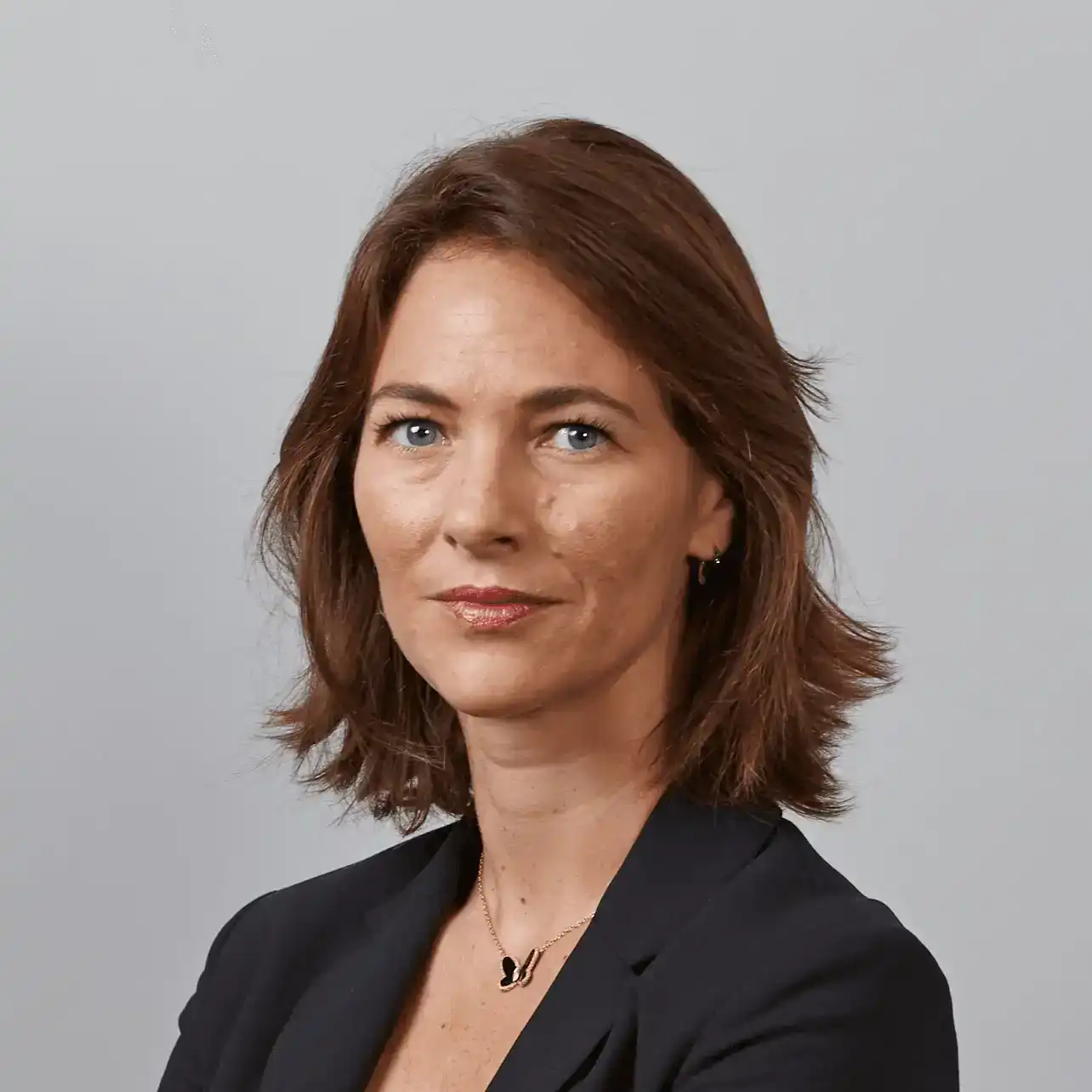
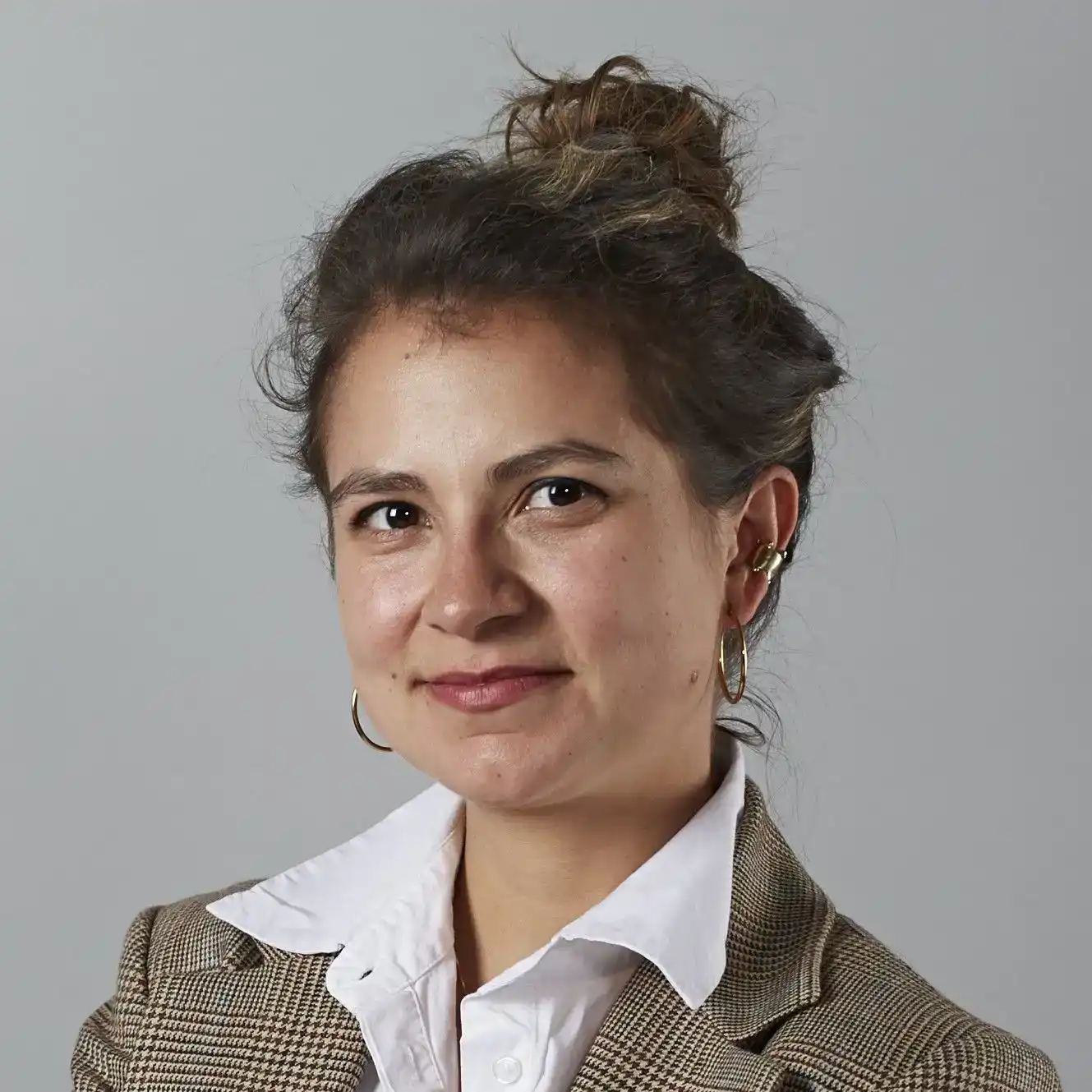
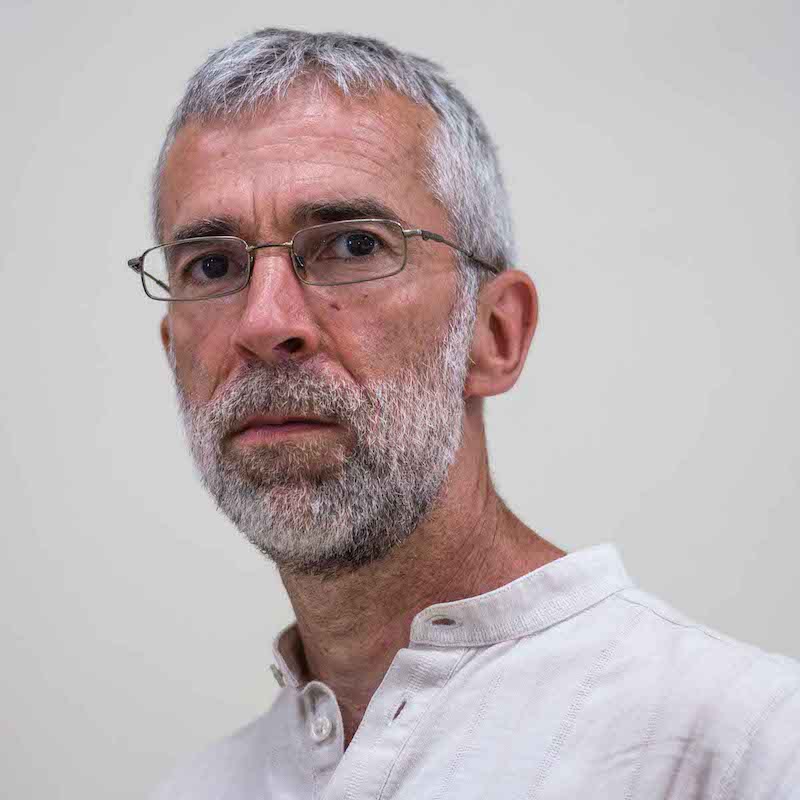
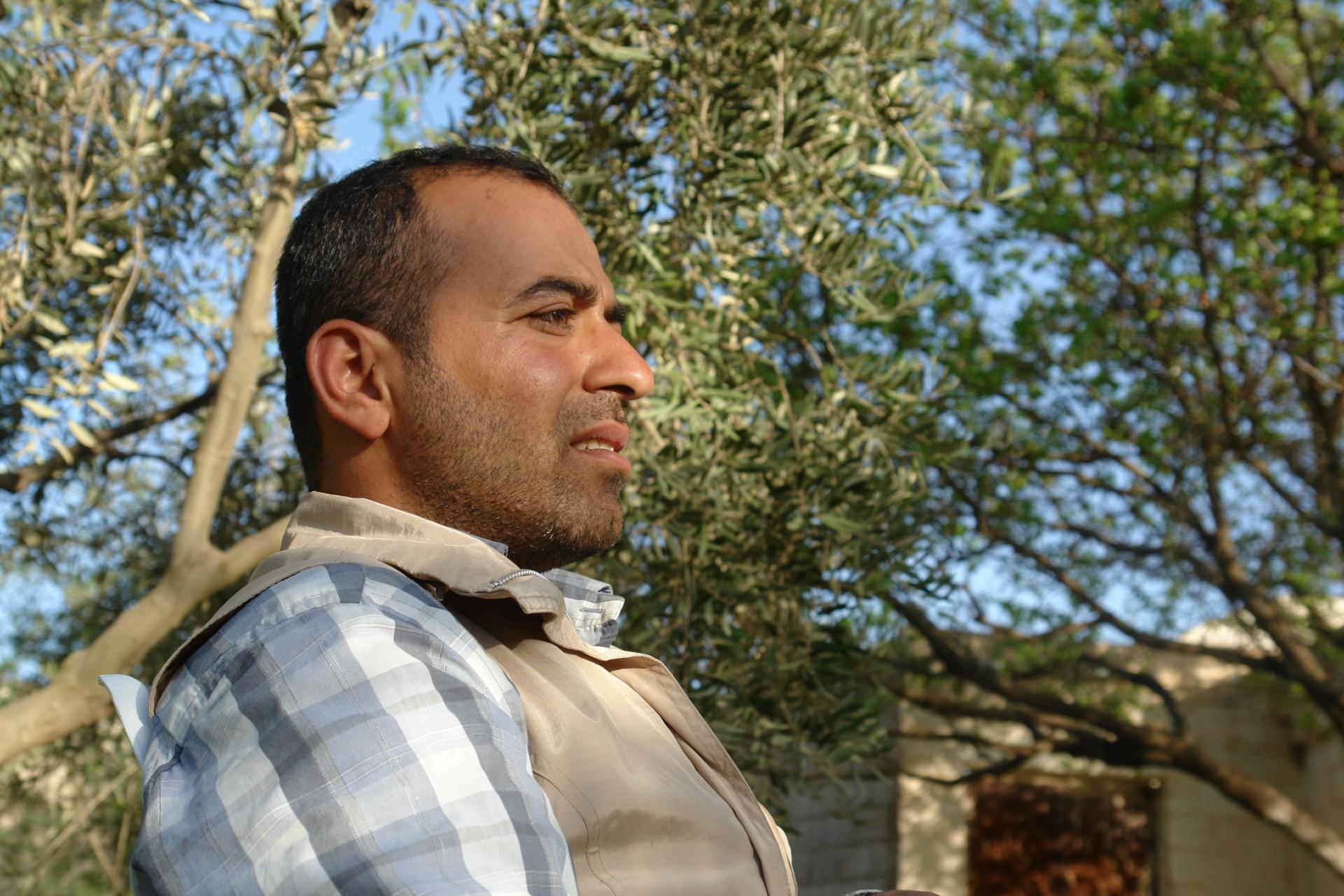
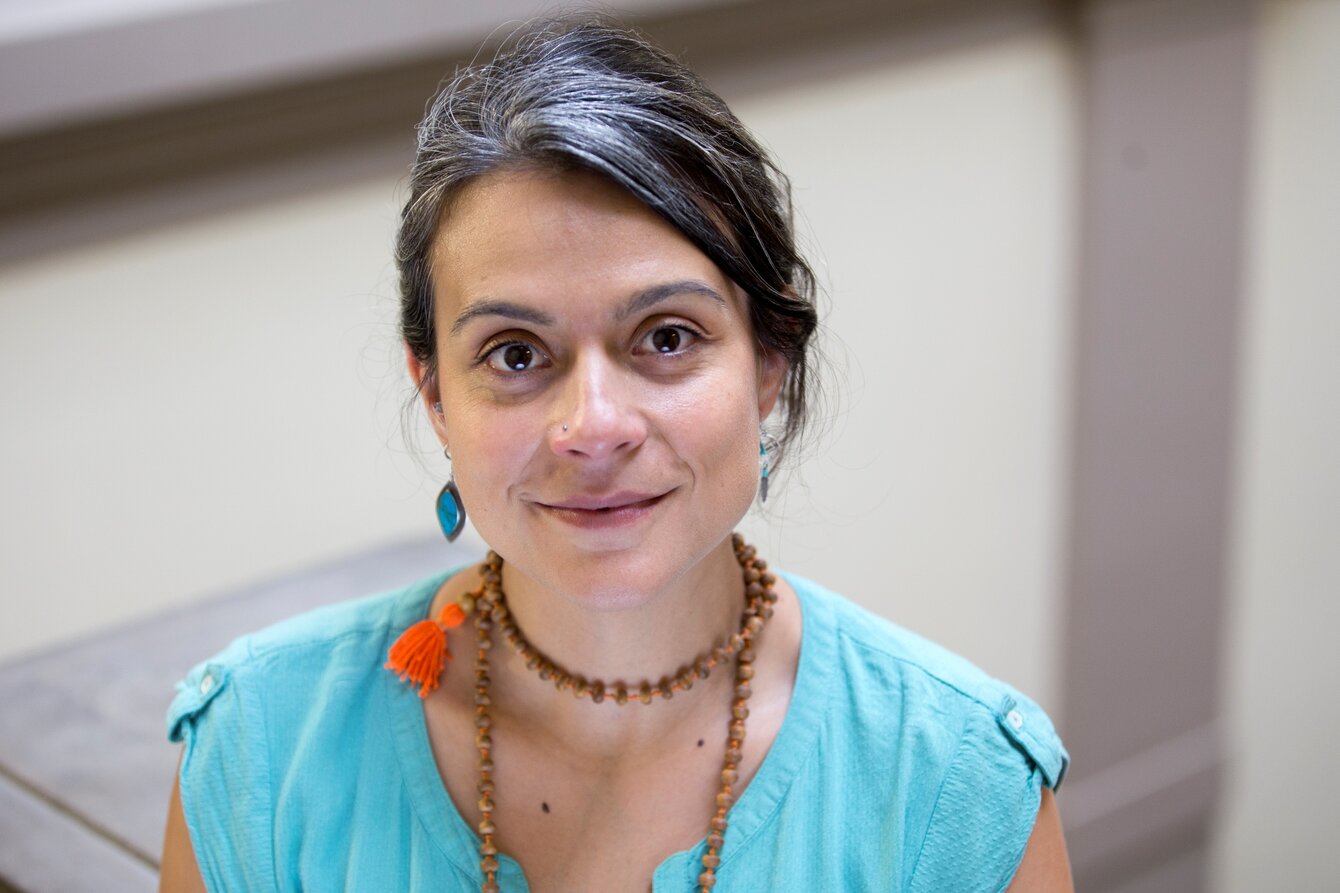
Prof. Joaquin GARCIA ALFARO is a Professor at Telecom SudParis, affiliated with the SCN department. His research focuses on cybersecurity, network security, quantum computing applications, and resilience engineering in cyber-physical systems. He has contributed to advancements in intrusion detection systems, blockchain integration in cellular networks, and privacy-preserving frameworks for IoT and healthcare. University: Telecom SudParis Key Research Areas: Cybersecurity, Quantum Computing, IoT Security, Resilience Engineering Labs: SAMOVAR laboratory His work emphasizes practical solutions for real-world challenges, including secure data provenance, digital twin implementations, and energy-efficient edge computing. Recent research explores quantum-resistant protocols and collaborative drone systems.
Eric TOTEL is a Professor at Telecom SudParis, specializing in cybersecurity and network security. His research focuses on intrusion detection systems, graph-based anomaly detection, machine learning applications in security, and data confidentiality in distributed systems. He has contributed to projects such as DAMS (DDoS mitigation using deep reinforcement learning), Sec2Graph (novelty detection on graph-structured data), and DAEMON (dynamic autoencoder-based anomaly detection). His work emphasizes scalable solutions for multi-step attack detection and privacy-preserving infrastructure for encrypted DNS logs. Key contributions include developing correlation engines for distributed systems, formalizing invariant-based attack detection in web applications, and exploring static analysis for information flow control. He has authored over 50 peer-reviewed publications and served on program committees for conferences like RAID, CRiSIS, and EuroS&P. His HDR (2012) formalized error-detection techniques applied to intrusion detection. Advising and grants: He collaborates on projects funded by French national research agencies and has mentored students in cybersecurity, AI for defense (CAID conferences), and cloud infrastructure security. His research often bridges theoretical models and practical implementations, with tools like STARLORD for 3D graph visualization of security data.
Julien Cloarec is a Full Professor of Quantitative Marketing at iaelyon School of Management, Université Jean Moulin Lyon 3, where he also serves as Vice-President for Digital Strategy and Artificial Intelligence. He is an internationally recognized expert in artificial intelligence, with a focus on responsible AI development that balances innovation with privacy protection. His research interests center on Artificial Intelligence , Privacy in AI , Consumer Behavior , and Digital Marketing . He investigates how users perceive and adopt AI technologies, particularly in domains like autonomous vehicles, brain–machine interfaces, and eHealth, emphasizing the psychological and ethical dimensions of trust and privacy. His recent publications (2022–2025) reflect a strong thematic focus on the personalization-privacy paradox , algorithmic aversion , and transparency in AI systems . These works appear in leading journals across marketing, technology, and transportation research, demonstrating interdisciplinary impact. Scientific Awards: Prix AFM - Association Française du Marketing pour la meilleure communication (2022) Julien Cloarec actively collaborates with regulatory bodies, professional associations, and academic institutions to influence public policy and promote responsible AI. He leads research at the Magellan Laboratory @iaelyon and manages educational initiatives such as the Certificate in Artificial Intelligence for Marketing . He advises on doctoral research and has contributed to publications on the doctoral experience in management. Laboratory Affiliation: Magellan Laboratory @iaelyon - Research in Organizational Management
Caroline Lequesne (HDR) is a Lecturer in Public Law at the Faculty of Law and Political Science , University of Côte d'Azur. She conducts research within the Law, Economics, Management (GREDEG) group and co-manages the EDEN team under the PNCR (Norms, Competition, and Regulation) division. Her work focuses on algorithmic law, data governance, and digital welfare state policies. Master 2 Program Director in Algorithmic Law and Data Governance Specializes in public digital law and AI regulatory frameworks Active in surveillance technology analysis and digital inequality research Her publications address critical legal challenges in AI governance, digital welfare systems, and emerging technologies like Web3 and the Metaverse. She has contributed to key debates on French and European digital policy through articles in journals such as Revue française de droit administratif and Recueil Dalloz . Caroline Lequesne also participated in analyzing surveillance technology experiments during the 2024 Olympic Games. As co-manager of the EDEN team in the PNCR division, she contributes to interdisciplinary research on economic law and digital regulation frameworks.
Julie Klein is a full professor at Sciences Po and Dean of the Sciences Po Law School. She is affiliated with the Law School's Research Center and specializes in Law of obligations and Economic Law, with a focus on the interaction between civil and commercial law. Education : PhD in Private Law from University Paris II Panthéon-Assas (2010); passed agrégation in Private Law and Criminal Science (2011). Professional Roles : Former director of the Master’s degree in General Private Law at University of Rouen (2011-2019); co-director of the Entreprises, Marchés, Régulation (EMR) program at Sciences Po (2020-present); Scientific Director of Semaine juridique édition entreprise (JCP E) since 2018; member of the High Committee for Corporate Governance (HCGE) since 2019. Her research explores the confrontation of civil law and commercial law rules, particularly in evidence law, burden of proof, and prescription periods. She has contributed to the reform of the regime of obligations under the Ministry of Justice (2011-2012) and writes the general regime of obligations chronicle for the Revue des contrats (since 2012). Recent articles address evidence admissibility, trade secrets, GDPR compliance, and procedural fairness. She received the Anthony Mainguené prize for her work. Scientific Awards : Anthony Mainguené prize. Klein is actively involved in the Law School's Research Center and collaborates with legal practitioners on corporate governance and economic law reforms.
Helmut Meiss serves as an Assistant Professor at the University of Lorraine's University Institute of Technology (IUT) Nancy-Brabois, where he directs the DUT Biology with Agronomy option study program. His research focuses on conservation biological control of crop pests and weeds through natural enemies within innovative cropping systems, bridging ecological science and agricultural practice. Dr. Meiss's work emphasizes biological pest control and weed management in sustainable agriculture, investigating how landscape features, crop rotations, and biodiversity enhance ecosystem services. His research integrates field studies with predictive modeling—particularly machine learning—to develop practical tools for farmers, as evidenced by his leadership in the ARENA project which establishes observation networks for natural pest regulation. Analysis of his 15 most recent publications reveals consistent themes in cereal aphid regulation, weed dynamics in cropping systems, and data-driven approaches to agri-environmental indicators. His work demonstrates a strong trajectory toward generic predictive models for pest control and the integration of biocontrol into farm-level decision-making, with increasing emphasis on ecosystem service quantification since 2017. Dr. Meiss co-supervises PhD candidate Eric STELL on predicting conservation biological pest control in cereal crop mixtures. His involvement in the ARENA project indicates collaborative grant-funded research, though specific funding sources aren't detailed in available materials. He actively contributes to farmer advisory systems through biodiversity indicators and crop management tools. As part of a multidisciplinary research group organized around three thematic axes, he participates in the ARENA network for pest biocontrol assessment and engages in public outreach including school workshops, biodiversity exhibitions, and science-society initiatives like the 'Grand Nancy Terre de pollinisateurs' project.
Karim ZKIK is an Associate Professor of Cyber Security and Information Systems at ESAIP Graduate School of Engineering, Angers, France. Previously, he served as an Assistant Professor at the International University of Rabat (UIR), Morocco. His roles include Educational Manager of the Cyber Security track, Head of the Cybersecurity Innovation Hub, and committee member for ABET certification and curriculum design. He actively contributes to academic service, organizing conferences such as the International Conference on Cryptology, Coding Theory, and Cyber Security (I4CS 2022), and serves as a Guest Editor for Computers and Industrial Engineering . His research focuses on cybersecurity for connected systems, blockchain technologies, AI-driven security solutions, and cyber resilience in industrial control systems. Recent work explores integrating blockchain and machine learning for threat detection, secure IoT networks, and supply chain resilience. Key contributions include frameworks for cyber resilience in retail and airlines, blockchain-based crowdfunding security, and SDN-based attack mitigation. ZKIK holds a Habilitation (2024) and PhD in Cyber Security from Université d’Angers and Mohamed V University, Rabat. He holds over 20 certifications from EC-Council, IBM, and Cisco. His work bridges theoretical research and industry applications, addressing challenges in smart environments, industrial systems, and sustainable supply chains.
Dr. Susan Perry is a tenured Professor and Program Director for the MAs in International Affairs at the American University of Paris (AUP). She holds the US-UNESCO Chair in Artificial Intelligence and Human Rights and serves on the French National Council for Human Rights (CNCDH) and the EU’s SHERPA Advisory Panel. Her expertise spans international human rights law, digital technology ethics, and vulnerable populations, particularly women and children. Education: PhD in Chinese Studies (Ecole des Hautes Etudes en Sciences Sociales), MSt in International Human Rights Law (Oxford University), BA in Semiotics (Brown University). Research: Focuses on the intersection of AI, digital technology, and human rights. Key projects include contributions to the EU’s Artificial Intelligence Act and leadership in the Horizon Europe AIOLIA project on AI ethics. She has authored books such as Human Rights and Digital Technology (2017) and Illusion Pixel (2015). Grants & Affiliations: €1.1M PRIPARE project (EU-funded privacy curriculum), €588K project on Chinese criminal defense (European Commission). Affiliated with the Center for Critical Democracy Studies and the George and Irina Schaeffer Center for Genocide Studies. Teaching: Courses include Advanced International Human Rights Law, Human Rights and Digital Technologies, and Women, Conflict Resolution, and International Law.
Beatriz Botero Arcila is an Assistant Professor of Law at Sciences Po Law School and a Faculty Associate at the Berkman Klein Center for Internet and Society at Harvard University. She specializes in the governance of data, artificial intelligence, and digital surveillance. LLM and Doctorate from Harvard Law School Research Focus : Law of the Digital Economy Privacy Law / Global Data Law Surveillance Law Legal Theory Scientific Awards : Future of Privacy Forum's 14th Annual Privacy Papers Award (2024) Labs & Teams : Co-founder of The Edgelands Institute, a pop-up institute incubated at the Berkman Klein Center focused on digital surveillance and cities.
Gregory Lewkowicz is a Professor at the Université libre de Bruxelles (ULB) , Director of the Perelman Center's Smart Law Hub , and a Senior Research Fellow at the University of Nice Sophia Antipolis in Economic Law and Artificial Intelligence. He also teaches at Science Po Paris Law School and the University of Paris II Panthéon-Assas , and is a recurring professor at HEC-Paris for digital transformation programs. Expertise: Digital law and technology, global/transnational law, legal professions Research Focus: Interactions between law and digital technologies (SMART Law), algorithmic law, AI in legal analysis, and transformations of legal professions Leadership: Director of "Penser le droit" collection at Bruylant Publishing , in charge of the Brussels Bar Observatory , and member of AI4Belgium advisory board His recent articles explore trends in algorithmic governance , trustworthy AI , legal argumentation , and digital transformation of legal systems. He has contributed extensively to Brussels School scholarship , focusing on its sociological and philosophical foundations. Gregory Lewkowicz directs research programs on AI ethics , smart city regulations , and global corporate accountability . He is affiliated with the Institute for Artificial Intelligence for the Common Good (FARI) and the Equality Law Clinic (ELC) .
National Institute of Science and Technology (INSA)France
Vincent Roca is a permanent researcher at Inria , a French national research institute for digital science and technology. Since 2019, he leads the Privatics research team focusing on privacy, previously part of the Planete team (2000-2012) for Internet protocols and applications. His work spans Privacy in smartphones, IoT, and web browsers Design of the ROBERT and CLEA protocols for the French TousAntiCovid app Standardization in IETF working groups, notably on FEC and network coding Co-author of Inria's cybersecurity white book (2019) Instructor of the popular Privacy in the digital world MOOC (14,006 participants) Research Interests include privacy risks in digital technologies, robust content distribution via FLUTE/ALC transport protocols and LDPC-Staircase FEC codes, and network coding for scalable services. His articles focus on privacy in LoRaWAN, contact tracing protocols, GDPR compliance, and FEC optimization. Scientific Awards include the Third Applied Research Price from FIEEC (2014) Knight Medal of the French Order of Merit (2020) Students supervised include PhD candidates in privacy-preserving IoT, secure authentication, and alumni like Samuel Pelissier (LoRaWAN privacy) and Michael Toth (GDPR compliance). Software Contributions include openfec.org (AL-FEC codes) and FLUTE/ALC implementations .
Antoine Botton is a Professor in Private Law and Criminal Sciences at the University of Toulouse Capitole, where he is affiliated with the Institute for Research in European, International and Comparative Law (IRDEIC). He holds a prominent academic position and maintains an active research profile in criminal law, constitutional law, and procedural justice. His research interests include: Criminal Law Constitutional Criminal Law Procedural Law Legal Reform Res Judicata Judicial Police Constitutional Council Comparative Criminal Law Botton's scholarly work is characterized by a focus on the constitutionalization of criminal law, the evolution of judicial procedures, and the impact of legislative reforms such as the LOPMI. His recent publications analyze the role of the Constitutional Council in shaping criminal justice, the balance between security and individual rights, and the procedural guarantees for defendants and victims. He frequently publishes in top-tier French legal journals including Revue de science criminelle et de droit pénal comparé , La Semaine Juridique , and Dalloz . His recent articles demonstrate a consistent trend toward constitutional and procedural scrutiny of French criminal law, with particular attention to digital rights, prosecutorial powers, and the interplay between civil and criminal jurisdictions. He often provides commentary on decisions from the Court of Cassation and the Constitutional Council, offering doctrinal insights into evolving jurisprudence. Botton has not received any scientific awards mentioned in the provided texts. He has advised or supervised students, though specific names are not listed in the available information. His academic activity suggests mentorship and collaboration, particularly through co-authored works with scholars such as Guillaume Beaussonie and Guillemine Taupiac-Nouvel. He is involved in research through the Institute for Research in European, International and Comparative Law (IRDEIC), contributing to scholarly debates on legal reform, constitutional rights, and criminal justice policy in France.
Houmam Saad is a Syrian archaeologist and researcher affiliated with the École Pratique des Hautes Études - PSL , where he is supported by the PAUSE program. He previously led archaeological efforts in Syria as head of the Excavations and Archaeological Studies Department at the General Directorate of Antiquities and Museums since 2019. His work focuses on Syrian cultural heritage, particularly in Damascus and Palmyra. Education: Master’s in Islamology from EPHE-PSL (2016), International Diploma in Heritage Studies (INP-Paris, 2012), PhD in Archaeology (Damascus, 2013). Dr. Saad’s research spans archaeology , cultural heritage preservation , and Digital Humanities , including 3D digitization and satellite-based damage monitoring. His current projects involve publishing 20 years of Damascus excavations, documenting conflict-related heritage loss, and teaching at the Master’s program in "History of Art and Archaeology." He has contributed to high-profile initiatives like the 3D digitization of Palmyra and the Krak des Chevaliers with ICONEM, showcased in exhibitions at the Grand Palais and Cité de l'Architecture. His scientific work emphasizes the universal value of cultural heritage amid war, regime changes, and looting. Scientific Awards: PAUSE fellowship (2025). Dr. Saad is actively involved in heritage safeguarding, leading the PROCLAC unit, and preparing publications on Byzantine mosaics and Crusades-era artifacts. He also trains students on conflict-induced challenges in archaeology.
E. Veronica Belmega is a Full Professor at ESIEE Paris (Université Gustave Eiffel) and a researcher at the LIGM laboratory in Marne-la-Vallée, France. Previously, she served as an Associate Professor at ENSEA graduate school and Deputy Director of the ETIS laboratory in Cergy. She holds an Engineer Degree from the University Politehnica of Bucharest, M.Sc. and Ph.D. from Université Paris-Sud 11, and an HDR habilitation from Université de Cergy-Pontoise. Her research focuses on AI-driven communication systems, energy efficiency, online optimization, and cyber-physical security, with a strong emphasis on applications in smart grids and IoT. Her work spans securing wireless communications against adversarial attacks, optimizing resource allocation in cognitive radio networks, and leveraging machine learning for GNSS localization and MIMO systems. Notable contributions include game-theoretic frameworks for PMU deployment and energy-efficient NOMA systems. Belmega has received prestigious awards such as the 2021 CY Alliance Award and the L’Oréal-UNESCO fellowship, and serves as an Area Editor for IEEE Trans. on Machine Learning in Communications and Networking. Current projects include a CEA LETI postdoc position on AI localization and a PEPR 5G project. She actively contributes to special issues like the EURASIP JASP on sustainable wireless communications. Belmega’s advising includes PhD student S. Maleki, co-author of her 2024 IEEE SmartGridComm Best Paper Award-winning work.
Luisa Arango is an Associate Professor at the Institute of Ethnology, Faculty of Social Sciences, University of Strasbourg, where she also serves as Director of Studies for the Bachelor's program in Anthropology and Ethnology in Distance Learning (EàD). She is based at the MISHA building and is affiliated with the SAGE Laboratory (UMR 7363). Her academic work spans research, teaching, and interdisciplinary collaboration, with a strong focus on urban anthropology and environmental issues. Her research centers on urban environments, water and land resource management, identity dynamics in cities, and the anthropology of techniques, with fieldwork conducted in the Nile Valley (Sudan) and the Colombian Caribbean. She explores themes such as urbanization processes, spatiality and power, local perceptions of climate change, and alternative ethnographic methods. Her work often engages with political ecology, interdisciplinary environmental research, and the social dimensions of nature and resources. Luisa Arango’s recent publications (2013–2024) reflect a consistent focus on hydrosocial systems, urban water governance, land appropriation, and knowledge production in Africa and Latin America. Her articles appear in journals such as Canadian Journal of African Studies , Espaces et Sociétés , Autrepart , and Sources . She has also contributed to interdisciplinary dialogues on climate change, artistic ethnography, and field drawing as research tools. Knowledge about nature in Africa Urban water management in Khartoum and Cartagena Land rights and ethnic identity in Colombia Interdisciplinary approaches to climate and urban planning Ethnographic and artistic methodologies Luisa Arango is actively involved in research networks such as WATERLAT-GOBACIT and GAIA (University of Antioquia, Colombia). She has supervised academic projects and contributed to methodological innovations in ethnographic research. She teaches courses on ethnographic methods, urban anthropology, and research forums for distance-learning students. Her work emphasizes the political dimensions of resource access, the transformative power of collective action, and the importance of integrating social and material realities in understanding urban and environmental change. She has no listed scientific awards in the provided text, but her sustained publication record and leadership roles indicate significant scholarly impact. She is also engaged in public-facing research, including graphic works and documentaries on anthropological practice.