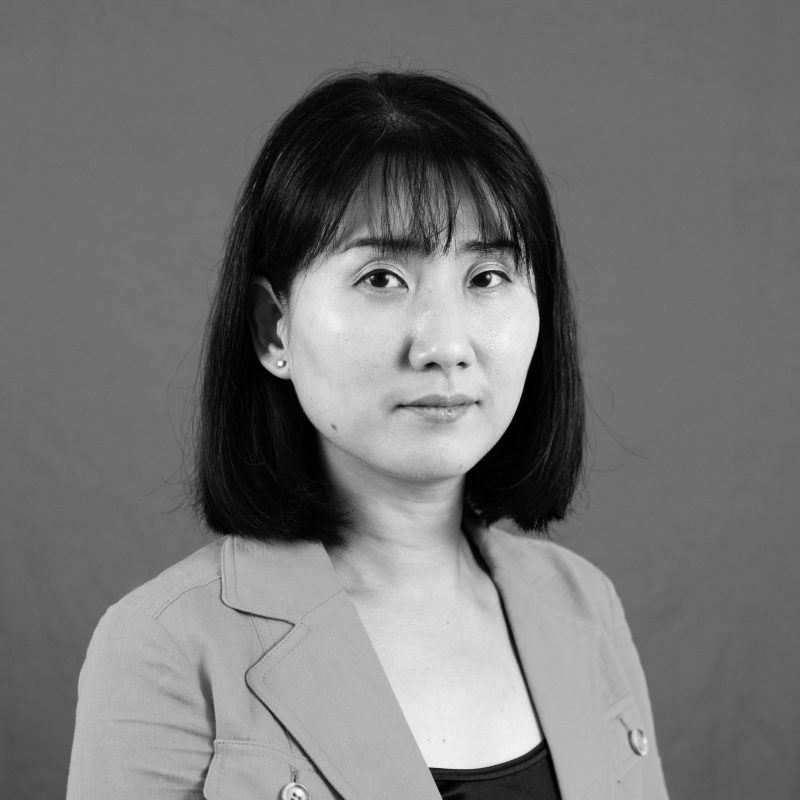
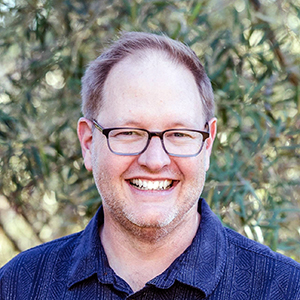
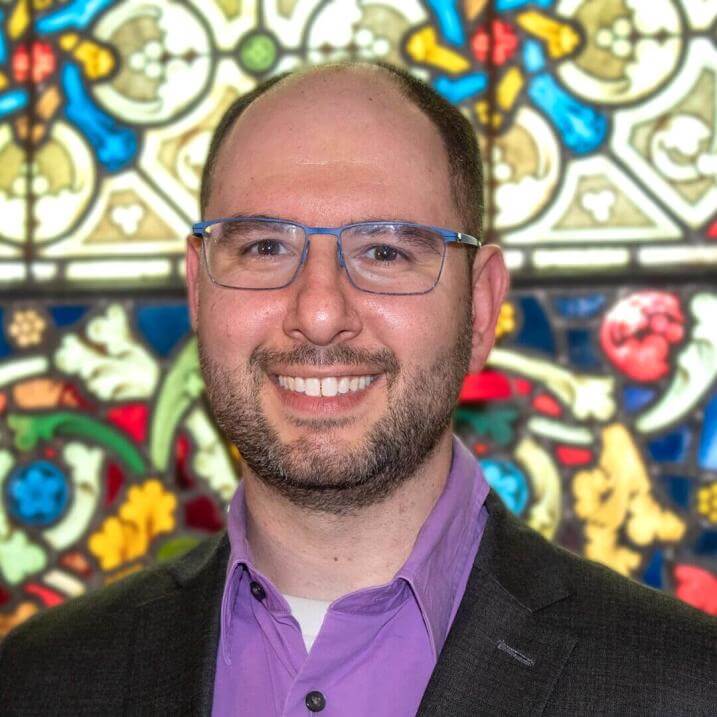
Kirk Heilbrun is a Professor at Drexel University's Department of Psychological and Brain Sciences. He has served as department head from 1999-2012 and 2014-2016, and previously held roles as a staff psychologist and chief psychologist at forensic institutions. He directs the Reentry Project, providing pro bono assessment and treatment services for justice-involved individuals. PhD in Clinical Psychology from the University of Texas at Austin His research focuses on forensic mental health assessment, violence risk assessment, and interventions to reduce reoffending. He explores ethical, racial, and pandemic-related challenges in forensic psychology. Recent publications address trauma-informed collateral interviewing, race-conscious assessment, competence restoration models, and pandemic policy responses. These works intersect forensic psychology, legal policy, and public health. Fellow of the American Psychological Association (six divisions) Board Certified in Clinical Psychology Board Certified in Forensic Psychology He leads the Drexel Forensic Assessment Clinic, which evaluates juvenile commitment, competence to stand trial, and workplace disability cases, and the Reentry Project, which supports pro bono services for justice-involved individuals.
Nikolaos Koutsouleris serves as a Research Professor leading the Precision Psychiatry team at the Max Planck Institute of Psychiatry in Munich, Germany. He directs the KOUTSOULERIS LAB, which focuses on developing advanced machine learning methodologies for clinical psychiatry applications. His work bridges computational neuroscience, clinical psychology, and precision medicine approaches to transform psychiatric diagnosis and treatment. Dr. Koutsouleris's research program centers on precision psychiatry, with particular emphasis on multimodal data integration for predicting psychiatric outcomes. His laboratory develops sophisticated machine learning workflows that combine neuroimaging, clinical assessments, genetic information, and biomarker data to create personalized prediction models. This approach enables more accurate identification of individuals at risk for psychosis and other psychiatric disorders, facilitating earlier intervention and tailored treatment strategies. Analysis of Dr. Koutsouleris's publication record reveals a consistent trajectory toward increasingly sophisticated applications of artificial intelligence in psychiatry. His recent work demonstrates a shift from single-modality prediction to complex multimodal frameworks that capture the heterogeneous nature of psychiatric conditions. Key themes include addressing methodological challenges in clinical prediction generalizability, exploring neurobiological underpinnings of mental illness through advanced analytics, and translating computational findings into clinically actionable tools. As leader of the KOUTSOULERIS LAB at the Max Planck Institute of Psychiatry, Dr. Koutsouleris oversees a multidisciplinary research environment that brings together computational scientists, clinicians, neuroscientists, and data analysts. His team collaborates extensively with international consortia to validate prediction models across diverse populations, ensuring robustness and clinical applicability of their findings. The laboratory serves as a nexus for innovation in computational psychiatry, driving methodological advances while maintaining strong connections to clinical practice.
Peter A. Tass is a Professor of Neurosurgery at Stanford University's School of Medicine, where he leads the Tass Lab within the Department of Neurosurgery. His research focuses on developing groundbreaking neuromodulation techniques designed to impact the course of neurological diseases including Parkinson's disease, stroke, epilepsy, and tinnitus. The Tass Lab is part of several prestigious Stanford initiatives including Bio-X, the Wu Tsai Human Performance Alliance, the Maternal & Child Health Research Institute (MCHRI), and the Wu Tsai Neurosciences Institute. MD from Universities of Ulm and Heidelberg, Germany (1989) PhD in Physics from University of Stuttgart, Germany (1993) Diploma (master's degree) in Mathematics from University of Stuttgart, Germany (1993) Habilitation thesis in Physiology from RWTH Aachen University, Aachen, Germany (2001) Dr. Tass's primary research interests center around computational neuroscience approaches to understanding and treating neurological disorders. His lab pioneers neuromodulation techniques based on thorough computational modeling that employs dynamic self-organization, plasticity, and other neuromodulation principles to produce sustained therapeutic effects after stimulation. He specifically focuses on developing stimulation methods that cause sustained neural desynchronization by unlearning abnormal synaptic interactions. His work spans both invasive techniques like deep brain stimulation and non-invasive approaches such as vibrotactile and acoustic stimulation. Current projects involve developing novel therapies for Parkinson's disease, epilepsy, tinnitus, and other neurological conditions using comprehensive computational neuroscience methods derived from non-linear dynamics, statistical physics, and numerics. Analysis of Dr. Tass's recent publications reveals a strong focus on coordinated reset stimulation techniques, neural network modeling with plasticity mechanisms, and computational approaches to brain stimulation. His work consistently bridges theoretical computational neuroscience with clinical applications, particularly for Parkinson's disease treatment. A significant portion of his recent research examines how stimulation parameters, sequences, and timing affect long-lasting desynchronization effects in neural networks. His publications demonstrate an interdisciplinary approach combining physics, mathematics, neuroscience, and clinical medicine to develop novel therapeutic interventions. Member of the European Academy of Sciences and Arts (2012) Nicolaus August Otto Innovation Prize (2011) German Innovation Award in Medicine (2011) Rapid Response Innovation Awards from The Michael J. Fox Foundation (2009, 2010) Runner-up for the German future prize (2006) Erwin Schrödinger prize (2005) Fritz Winter prize (2000) Dr. Tass actively mentors a diverse team of researchers including staff scientists, postdoctoral fellows, clinician-scientists, and students. His lab currently includes researchers with backgrounds in physics, computational neuroscience, biomedical engineering, and clinical neurology. The lab is involved in multiple clinical trials, including studies on coordinated reset spinal cord stimulation and vibrotactile coordinated reset stimulation for Parkinson's disease. His research is supported by various funding sources including foundations focused on neurological disorders and innovation in medical technology. Dr. Tass collaborates extensively with both internal Stanford researchers and external collaborators worldwide. The Tass Lab at Stanford is a multidisciplinary research group comprising physicists, neuroscientists, engineers, and clinicians working together to develop novel neuromodulation therapies. The lab team includes staff scientists like Justus Kromer (theoretical physicist), postdocs like Daniel Ehrens and Kanishk Chauhan, clinician-scientists like Tina Munjal, and clinical research coordinators. The lab maintains active collaborations with Stanford colleagues across departments including Kwabena Boahen, Vivek P. Buch, and Jaimie Henderson, as well as external collaborators like Alexander Neiman and Kęstutis Pyragas. Current research directions include developing non-invasive vibrotactile treatments for Parkinson's disease, acoustic coordinated reset therapy for tinnitus, and responsive deep brain stimulation for conditions like loss-of-control eating.
James O'Malley is a Professor at The Dartmouth Institute for Health Policy and Clinical Practice and Professor of Biomedical Data Science at the Geisel School of Medicine, Dartmouth College. He holds the prestigious Peggy Y. Thomson Professorship in the Evaluative Clinical Sciences and serves as an Adjunct Professor of Computer Science, demonstrating his interdisciplinary expertise spanning statistics, healthcare policy, and computer science. Dr. O'Malley earned his B.Sc. (Hons) in Statistics from the University of Canterbury, New Zealand (1994), M.S. in Applied Statistics from Purdue University (1999), and Ph.D. in Statistics from the University of Canterbury (1999), followed by a Postdoctoral Fellowship in Biostatistics at Harvard Medical School (2001). His research spans statistical methodology and healthcare applications, with methodological contributions in statistical inference for social networks , multivariate hierarchical models , comparative effectiveness research , and Bayesian analysis . These methods address critical healthcare problems including health-social network relationships , healthcare quality measurement , medical technology diffusion , and comparative effectiveness in vascular surgery, cardiology, and mental health . His work bridges theoretical statistics with practical healthcare challenges through collaborations with physicians, epidemiologists, and health services researchers. Dr. O'Malley's recent publications reveal a strong emphasis on healthcare network analysis, comparative effectiveness research, and methodological innovations. His work examines physician networks and patient outcomes, evaluates surgical interventions, identifies healthcare disparities, and develops novel statistical approaches for complex healthcare data, with significant contributions appearing in high-impact journals across multiple disciplines. Mid-career Excellence award from the Health Policy Section of the ASA Elected fellow of the ASA (2012) ISPOR Award for Excellence in Methodology (2019) Peggy Y. Thomson Professorship (2021) 2025 Research Excellence Award for Senior Faculty in the Foundational Sciences As a dedicated mentor, Dr. O'Malley has supervised numerous post-doctoral fellows and PhD students across multiple programs. He currently leads major research initiatives including NIH/NLM R01LM014233 on Geographic Variations in Health Care, serves as PI for cores in NIH/NIA projects on healthcare inequity in Alzheimer's Disease and Rural Health Care Delivery Science, and contributes to multiple substantial grants totaling millions of dollars. He previously chaired the Health Policy Statistics Section of the ASA and co-chaired the 2011 International Conference on Health Policy Statistics. Dr. O'Malley co-organized the Dartmouth Interdisciplinary Network Research (DINR) seminar series (2014-2020) and serves as an Associate Editor for Statistics in Medicine and Observational Studies, demonstrating his commitment to advancing methodological research and fostering interdisciplinary collaboration in health services research.
Yoon Jung Choi serves as Assistant Professor in Industrial Design within the School of Design at Virginia Tech, where she bridges sustainable design, behavioral science, and technology to advance circular economy principles through interdisciplinary research and industry collaboration. Her academic credentials include: Ph.D. in Innovation Design Engineering from the Royal College of Art, UK M.A. in Graphic Communication Design from Kingston University, UK B.A. in Product Design from Central Saint Martins, University of the Arts London, UK Choi's research centers on accelerating sustainability in industrial design through behavioral interventions and technological innovation. She investigates how design influences consumer behavior to reduce waste, extend product lifecycles, and enable circular material flows, with particular emphasis on children's products, packaging systems, and community-driven co-design approaches. Her work integrates participatory methods with AI applications to develop practical solutions for real-world sustainability challenges. Analysis of her publication portfolio reveals consistent focus on circular economy implementation, with recurring themes in product hibernation, care practices for material longevity, and systemic approaches to waste reduction. Her research demonstrates growing integration of AI-driven methodologies and community engagement strategies across diverse contexts including food waste transformation and toy reuse systems. Her scientific recognition includes: New Faculty Teaching Award, School of Design, Virginia Tech (2023) College Scholarship, Royal College of Art, UK (2015) Toshiba Hard Disc Drive Revolution Design Competition Highly Commended Award (2005) ICI Dulux Student Design Award Runner-up Prize (2001) Choi has secured significant research funding including VT Engage Development funds for community collaboration with SustainFloyd, Center for Human-Computer Interaction matching funds, and multiple ICAT SEAD grants supporting projects like ToySphere (focusing on toy reuse systems) and Sustainable Art Painting initiatives. Her ten years of industry experience at major design consultancies including Samsung Design Europe informs her practical approach to academic research. She leads the ToySphere project employing co-design methods to transform food waste into natural pigments and develop community-based reuse systems, demonstrating her commitment to translating research into tangible environmental solutions through interdisciplinary team collaboration.
David J. Moore, Ph.D., is a licensed clinical psychologist and Professor of Psychiatry at UC San Diego Health. He co-directs the SDSU/UCSD Joint Doctoral Program (JDP) in Clinical Psychology and leads research at the HIV Neurobehavioral Research Program (HNRP). His work focuses on neurocognitive impairments in individuals with HIV, comorbid mental illness, and substance use disorders, with a special emphasis on technological interventions for medication adherence. Doctorate: Ph.D. in Clinical Psychology (SDSU/UCSD JDP, neuropsychology specialization) Postdoctoral Fellowship: UCSD (serious mental illness) Clinical Internship: West Los Angeles VA Dr. Moore’s research addresses: Neurocognitive complications of HIV infection Intersection of HIV and aging Technological interventions for medication adherence Impact of comorbid psychiatric/substance use disorders on functioning His publications span topics including HIV neurocognitive profiles, syndemic factors in sexual risk behavior, and aging with HIV. Current studies integrate metabolomics, neuroimaging, and behavioral data through NIH-funded grants.
Hiroyuki Toyama is a Researcher at the Department of Education , Faculty of Educational Sciences , University of Helsinki. His work focuses on educational leadership, workplace well-being, and job crafting mechanisms. He has conducted extensive research on school principals' stress, burnout prevention, and the application of psychological needs theories in education and organizational contexts. Key research interests include: Job crafting strategies among educators Work-family conflict dynamics in leadership roles Psychological needs satisfaction in educational settings Development of well-being measurement tools (e.g., School Day Wellbeing Model) Recent projects involve analyzing stress profiles during the pandemic, cross-cultural comparisons of off-job crafting practices, and validation of burnout assessment tools. He has secured grants from the Research Council of Finland and other institutions for projects like Resilient School and Education and TeensGoGreen . His publications emphasize practical interventions to improve educator resilience and student engagement through innovative crafting frameworks.
Professor Rachel Kerr is a leading scholar in the Department of War Studies at King’s College London, specializing in transitional justice, international criminal law, and the role of art in post-conflict reconciliation. She co-convenes the War Crimes Research Group and leads the Visual and Embodied Methodologies Network , focusing on intersectional gendered violence. Education: PhD and MA in War Studies from King’s College London; BA in International History and Politics from University of Leeds Research: Explores judicial intervention in the ICTY, Sierra Leone Court, and UK war crime allegations in Iraq; current work bridges art with peacebuilding in Bosnia, Canada, and South Africa Teaching: Courses on Conflict, Rights, and Justice; International Law and the Use of Force; War and Genocide Her AHRC-funded research project Art and Reconciliation: Conflict, Culture and Community (2016-2021) produced interdisciplinary insights into creative peacebuilding. She also leads ESRC research on visual methodologies for gendered violence studies. Awards: Elected to International Institute for Strategic Studies (2001) Elected to Royal Institute for International Affairs (2001) Recent publications analyze art’s role in Bosnian reconciliation, digital data in transitional justice, and Canada’s reconciliation processes. She supervises PhD research on topics spanning UK war crimes, post-conflict education, and atrocity prevention.
Dr. Tiffany Fairey is a Senior Research Fellow and visual sociologist at King's College London's Department of War Studies, where she specializes in participatory research and visual peacebuilding. With over two decades of experience, she previously co-founded the award-winning charity PhotoVoice and holds affiliations with the Visual Embodied Methodologies Network and Everyday Peace Indicators. Her research focuses on arts-based peacebuilding, conflict transformation, and ethical dimensions of visual methodologies. Current projects include the Leverhulme-funded Imaging Peace study examining photography's role in peacebuilding across multiple countries, and ESRC-funded work on intersectional gendered violence. Fairey's publications consistently explore participatory visual methods and peace photography, with recent work emphasizing community-centered approaches to reconciliation and strategic narrative development in post-conflict settings. Her 2025 monograph Imaging Peace represents a culmination of her multi-country empirical research. Her contributions have been recognized with prestigious awards including the Royal Photographic Society's Hood Medal and the SSPP Impact Prize. She actively consults on photovoice methodology and serves on advisory boards for organizations including the Post-Conflict Research Centre and Inclusive Rigour Co-Lab.
Matthijs L. Noordzij is a Full Professor in the department of Psychology, Health & Technology. His research focuses on wearable technology, mental health interventions, and compassionate design principles. He has contributed to over 90 publications, emphasizing the intersection of psychophysiology and healthcare innovation. Recent work explores stress management through wearable devices and ethical considerations in digital mental health tools. Research interests: Wearables, stress measurement, compassionate technology, sensor-based healthcare. Key activities include organizing conferences and delivering invited talks on topics like 'Compassionate Technology or Stress Trigger?'. Notable contributions: Developed the Compassionate Technology Scale and published on accelerometer-based stress research. Media engagements include expert commentary on smartwatch applications and data privacy in wearable tech.
Martina Wade is a Researcher in the Department of Epidemiology of Microbial Diseases at Yale School of Public Health. Her work focuses on infectious diseases, particularly malaria and antibiotic resistance, with a global health perspective emphasizing sub-Saharan Africa. She collaborates on projects in Cameroon, Uganda, and Burkina Faso, addressing drug resistance mechanisms, diagnostic innovations, and public health interventions. Her research spans clinical trials (e.g., ivermectin mass drug administration protocols), microbiota analysis in livestock and human populations, and environmental transmission dynamics of pathogens. She has published extensively on malaria treatment efficacy, microbiome disruptions from antibiotic use, and novel diagnostic technologies like photoacoustic detection. Her work bridges laboratory science with field epidemiology, aiming to improve clinical outcomes and public health strategies. Key collaborations include Sunil Parikh, Justin Goodwin, and Fangyong Li, focusing on antimalarial resistance tracking and pediatric infection dynamics. Her laboratory is located at 60 College Street, Ste Room 711, New Haven, CT. Contact: martina.wade@yale.edu.
Roger Tam is an Associate Professor in the School of Biomedical Engineering (SBME) at the University of British Columbia (UBC), with a joint appointment in the Department of Radiology. He is also the Associate Director of Graduate Studies. His research focuses on machine learning and computer vision applied to medical imaging, particularly in personalized medicine and quantitative image analysis. Tam earned his PhD in computer science from UBC in 2004, specializing in computational geometry and visualization. Education: PhD in Computer Science, UBC (2004) MSc in Computer Science BSc (Honors) Research Interests: Medical imaging biomarkers Machine learning applications in healthcare Quantitative image analysis Personalized medicine His work bridges computer science and clinical medicine, emphasizing translational approaches to improve diagnostic accuracy and patient outcomes. Recent Research Trends: Focus on myelin content analysis in neurological disorders (e.g., multiple sclerosis) Development of efficient machine learning models for medical image classification Impact of physical activity on white matter health Labs & Programs: Directs the Engineers in Scrubs program, which integrates engineering principles into biomedical education. Active in collaborative research initiatives like the Centre for Brain Health and the Canadian Prospective Cohort Study (CanProCo).
Dr Jonathan Baker is a Senior Lecturer in Strategy at the Adelaide Business School , part of the Faculty of Arts, Business, Law and Economics at the University of Adelaide. He previously served as Director of the Yunus Centre for Business, Sustainability & Social Impact (2022-2023) and has held academic positions at Auckland University of Technology, University of Auckland, and guest professorship at University of Bayreuth. His research focuses on Interdisciplinary intersections of markets, strategy, and social impact Market-shaping strategies Sustainability and circularity transitions UN Sustainable Development Goals (9, 11, 12) Systemic business model perspectives Dr Baker's work appears in top journals including Industrial Marketing Management , Journal of Business Research , and Marketing Theory . He serves on the Editorial Review Board of Industrial Marketing Management (ABDC A*). Scientific Awards Excellence Early Career Researcher Award (ANZAM-European Management Journal, 2023) Emerging Career Researcher Award (Adelaide Business School, 2023) As a principal supervisor, he welcomes PhD/MPhil candidates interested in market shaping, sustainability transitions, or social entrepreneurship. His methodology emphasizes qualitative research and ecosystem-level analysis.
Dr. Anna De Simoni is a Clinical Associate Professor in Primary Care Research at Queen Mary University of London. She specializes in improving self-management and adherence to medications for patients with long-term conditions, particularly asthma and stroke. She co-leads the Centre for Primary Care and leads the AD-HOC NIHR Programme Grant, focusing on digital social interventions and online peer support systems. Her research integrates network science, big data analytics, and computational social science to enhance primary care outcomes. Education: MBBS (Medicine), PhD in Neurophysiology (University of Milan), followed by postdoctoral fellowships at UCL and the University of Cambridge. She holds NIHR Academic Clinical Fellowship and Lectureship awards, and is a Fellow of the Higher Education Academy (FHEA) and a Member of the Royal College of General Practitioners (MRCGP). Research Interests: Digital health interventions, medication adherence strategies, primary care after stroke/TIA, domestic violence in healthcare settings, and patient engagement in online communities. She employs mixed-methods approaches including systematic reviews, qualitative studies, and computational analyses. Key Awards: EU Marie Curie Individual Fellowship (2010-2012), NIHR Academic Clinical Lectureship (2013-2016). Current roles include co-leadership of the Asthma UK Centre for Applied Research (AUKCAR) and supervision of postgraduate students in MSc/PhD programs. Grants and Projects: AD-HOC NIHR Programme Grant, PAM Programme on Adherence to Medication, TEAM-care project on asthma management. Collaborations include industry partners and charities to develop scalable digital solutions for chronic disease management. Labs/Teams: Clinical Effectiveness Group at Queen Mary, Asthma UK Centre for Applied Research (AUKCAR).
Matthew Price is the George W. Albee Green & Gold Professor of Psychological Science and Director of the Clinical Psychology Training Program at the University of Vermont's College of Arts and Sciences. He holds a B.A. from SUNY Binghamton (2004), an M.A. (2006), and Ph.D. (2011) from Georgia State University. His research focuses on expanding clinical care access for trauma survivors and anxiety disorder patients via technology-driven interventions. Key areas include mobile health applications, wearable sensors, and acute trauma care in Emergency Departments. His interdisciplinary approach involves collaborations with computer science, bioinformatics, and medicine. Current projects explore digital biomarkers (e.g., heart rate variability), technology adoption barriers, and culturally adapted therapies. He leads the Center for Research on Emotion, Stress, and Technology, emphasizing translational frameworks bridging basic research and clinical practice. Recent work includes randomized controlled trials evaluating mobile apps like 'Bounce Back Now' for disaster-related PTSD, and sleep-monitoring studies using wearable devices. Over 150 peer-reviewed articles highlight his focus on trauma mechanisms, symptom networks in veterans, and tech-enabled mental health innovations. His lab actively addresses global mental health disparities through mHealth solutions.