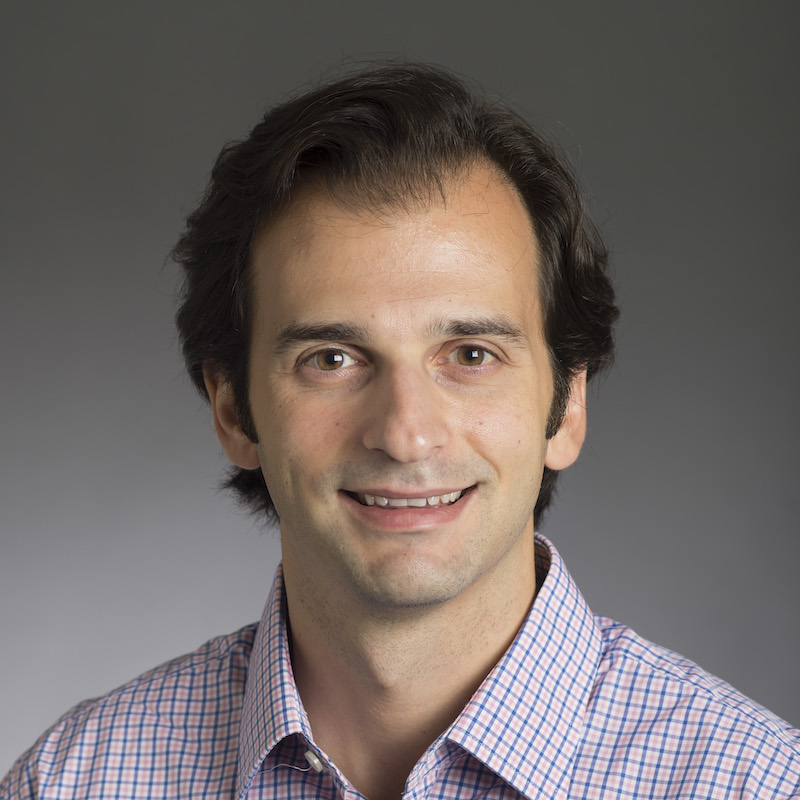
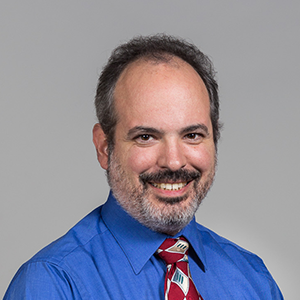
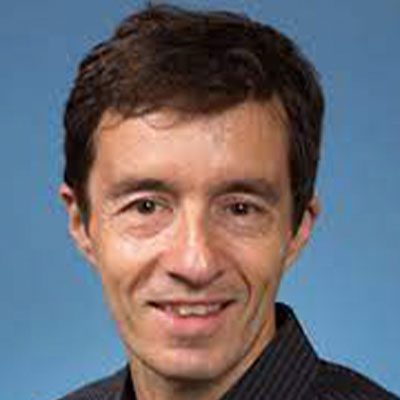
B. L. Turner II is a Regents' Professor and Gilbert F. White Professor of Environment and Society at Arizona State University, affiliated with the School of Geographical Sciences and Urban Planning and the School of Sustainability. His work focuses on human-environment relationships, land system science, urban sustainability, and ancient Maya studies. Education: PhD in Geography from the University of Wisconsin-Madison (1974), MA and BS from the University of Texas at Austin. Research Interests: Land system architecture, tropical deforestation, urban heat islands, and sustainability science. His research has been supported by NSF, NASA, USDA, and others. Key contributions include studies on land change in the Southern Yucatán, vulnerability frameworks, and urban climate adaptation. Major Awards: Preston E. James Award, Sustainability Science Award, Fellowships from AAAS and NAS. Turner has advised over 50 doctoral students and contributed to interdisciplinary initiatives like the Central Arizona-Phoenix Long-Term Ecological Research (CAP LTER) and the Global Land Project.
Albert Presto is a Research Professor in the Department of Mechanical Engineering at Carnegie Mellon University with a courtesy appointment in Civil and Environmental Engineering. He serves as Director of the Center for Atmospheric Particle Studies (CAPS) and is a Faculty Affiliate at the Steinbrenner Institute for Environmental Education and Research. His work spans multiple interdisciplinary collaborations across environmental science, engineering, and public health domains. Department of Mechanical Engineering, College of Engineering Center for Atmospheric Particle Studies (CAPS) Steinbrenner Institute for Environmental Education and Research Africa Clean Air Network Advisory Council Health Effect Institute's Energy Review Committee Presto's research focuses on pollutant emissions from energy extraction and consumption and their subsequent atmospheric transformations. His work examines how gas and oil wells emit methane, how vehicles emit carbon monoxide and particulate matter, and how these pollutants undergo oxidation in the atmosphere to create secondary pollutants like ozone and secondary particulate matter. His approach combines ambient measurements, laboratory experiments, source testing of pollution sources, and atmospheric models to provide a holistic view of pollutant emissions and transformations. His recent publications reveal a strong emphasis on air quality monitoring technologies, particularly low-cost sensor networks deployed internationally. There's a clear trend toward studying air pollution in African cities (especially Nairobi, Kampala, and Addis Ababa), examining spatial and temporal variability of particulate matter, and investigating the health impacts of air pollution exposure. His work increasingly integrates machine learning approaches for pollution forecasting and leverages international collaborations to address global air quality challenges. Member of Africa Clean Air Network Advisory Council Collaborator with US embassies worldwide on air quality data collection Quoted in The Guardian on inequality of air pollution exposure, specifically noting how people of color are more likely to be exposed to harmful air pollution Collaborated on research regarding chemicals released during the Ohio train derailment Presto actively collaborates with medical professionals to develop neighborhood-by-neighborhood studies of pollutant exposure and to understand relationships between emissions and health effects like childhood asthma. His work includes investigating racial-ethnic exposure disparities to airborne pollutants and examining how proximity to pollution sources like fast-food restaurants affects pediatric asthma outcomes. He has received seed funding from the Scott Institute for Energy Innovation for research in clean hydrogen production, AI hardware efficiency, and decarbonizing transportation. As Director of CAPS, Presto leads a research team focused on atmospheric particle studies with applications ranging from local Pittsburgh air quality to global monitoring initiatives. His lab develops and deploys advanced air quality monitoring technologies, including low-cost sensor networks that have been implemented in multiple cities across Africa. The CAPS research group works at the intersection of environmental engineering, atmospheric science, and public health to address critical air quality challenges worldwide.
Christopher R. Knittel is the George P. Shultz Professor of Energy Economics and Professor of Applied Economics at the Massachusetts Institute of Technology (MIT) Sloan School of Management . He serves as Director of MIT’s Center for Energy and Environmental Policy Research (CEEPR), Director of the MIT Climate Policy Center, and Deputy Director for Policy at the MIT Energy Initiative (MITEI). PhD, University of California, Berkeley (1999) M.A., University of California, Davis (1996) B.A., California State University, Stanislaus (1994) His research focuses on energy economics, environmental policy, and machine learning applications in energy systems. He leads interdisciplinary initiatives like the Climate Action Through Education program for high schools and co-directs the E2e Project with UC Berkeley and University of Chicago. Recent publications analyze data center energy dynamics, hydrogen technologies, Russian oil sanctions, and transportation policy reforms. His work emphasizes policy cost-effectiveness, emissions equity, and energy market responses to regulation.
Seth Lewis Gilbert is a Professor and Head of the Department of Computer Science at the National University of Singapore (NUS), within the School of Computing . He holds the Dean's Chair Associate Professor title and focuses on algorithms for large-scale distributed systems , emphasizing scalability and fault-tolerance . His work spans wireless networks , contention resolution , dynamic networks , and blockchain protocols . Ph.D. in Computer Science, MIT (2007) M.S. in Computer Science, MIT (2003) B.S. in Electrical Engineering & Mathematics, Yale University (1999) His research explores trusted coordination in systems with untrusted and unreliable participants, addressing challenges like Byzantine agreement , load balancing , and contention resolution . He has pioneered formal frameworks for accountability in distributed protocols and developed novel algorithms for asynchronous task allocation . Recent publications include work on consensus protocols , leader election , and contention resolution , reflecting his focus on dynamic network environments . His research has earned recognition at venues like DISC, ICDCS, and CCS. Scientific Awards & Honors : Young Researcher Award (NUS, 2014) Faculty Teaching Excellence Award (2013/14, 2014/15, 2015/16) School of Computing Teaching Excellence Honour Roll (2016-2021) Best Paper Awards at DISC (2023, 2022), ICDCS (2022), IPDPS (2022) Best Student Paper Award at DISC (2022) He serves on the Steering Committee for DISC as Treasurer and has chaired program committees for DISC, OPODIS, and SPAA. His work bridges foundational algorithmic theory with practical applications in blockchains and dynamic networked systems .
Daniel M.G. Raff is an Associate Professor of Management at the Wharton School of the University of Pennsylvania, where he has been affiliated since 1994. His research bridges business history and strategy, focusing on urban history, public policy, and historical demography. PhD, Massachusetts Institute of Technology, 1987 BPhil, Oxford University, 1978 MPA, Princeton University, 1976 BA, New College, 1973 Raff’s work explores the historical evolution of business institutions, with recent publications analyzing topics such as pre-modern Chinese real estate markets , industrial routines , and strategic risk management . His research often employs archival data and interdisciplinary methodologies. His publications span business history, economic performance, and transactional engineering, reflecting trends in historical demography , corporate strategy , and market evolution . Raff has also contributed to academic leadership as a Trustee of the Business History Conference and Chair of committees at the Economic History Association. Daniel Raff actively engages in teaching courses like Value Creation & Val Cap and Deals: Econ Struc Trans , emphasizing critical historical thinking in strategic business analysis. He is affiliated with institutions such as the National Bureau of Economic Research and the Wharton Financial Institutions Center.
Henry Hoffmann is a Professor and Liew Family Chair in the Department of Computer Science at the University of Chicago. His research focuses on self-aware computing systems that adapt to meet goals like power efficiency, performance, and security. He leads the SEEC project and has contributed to advancements in computer architecture, embedded systems, and quantum computing. Hoffmann received the PECASE (2019), DOE Early Career Award (2015), and was inducted into the Samsung Hall of Fame for discovering vulnerabilities in SmartTVs. He holds a PhD from MIT (2013) and has co-founded Config Dynamics (2019). His work bridges control theory, machine learning, and traditional computer systems to create adaptive solutions for modern computing challenges. Education: PhD in Electrical Engineering and Computer Science from MIT (2013), SM (2003), and B.S. (1999) with highest honors from UNC Chapel Hill. Professional experience includes roles at Tilera Corporation and MIT Lincoln Laboratory. Research Interests: Self-aware systems, adaptive resource management, quantum computing optimization, and cybersecurity. His SEEC framework enables systems to autonomously adapt to constraints like energy and performance. Recent work explores applying adaptive techniques to AI/ML models for energy-efficient inference and security. Awards: Over $19M in research funding, 100+ publications, and leadership roles in NSF Expedition EPiQC (quantum computing). Named Chair of UChicago CS Department (2023-2024). Labs/Teams: Systems Group, EPiQC (quantum computing), and CERES (unstoppable computing systems). Current students include Jerry Ding and Ryien Hosseini. Notable alumni include Yi Ding (now faculty at Purdue) and Nikita Mishra.
Dr. Gabriele Schweikert is a Senior Lecturer and Principal Investigator with a joint appointment between the Division of Computational Biology in the School of Life Sciences at University of Dundee and Cyber Valley in Tuebingen. Her research focuses on applying machine learning techniques to understand epigenetic mechanisms and molecular processes in living cells. Dr. Schweikert completed her PhD at the Max Planck Institute Tuebingen working with Schoelkopf, Weigel, and Raetsch labs on machine learning for computational gene finding. She subsequently joined Adrian Bird's lab at the Wellcome Trust Center for Cell Biology in Edinburgh, a pioneer in epigenomic research. Prior to her current position, she held prestigious Marie Curie and EMBO Fellowships at the School of Informatics, University of Edinburgh. Her research interests center on using machine learning to decode epigenetic mechanisms that determine cellular identity and function. She investigates how cells with identical DNA can differentiate into specialized cell types through epigenetic regulation, with particular focus on applications in understanding tumorigenesis where epigenetic machinery malfunctions. Her work combines high-throughput epigenomic data with advanced computational approaches to address complex biological questions. Analysis of her recent publications reveals a strong focus on epigenomic data analysis, machine learning applications in biology, and computational approaches to understanding gene regulation. Her work spans from fundamental epigenetic mechanisms to practical applications in disease research, with growing emphasis on individual-specific epigenomic analysis and explainable AI in biomedical contexts. UKRI Future Leaders Fellowship (2020, £1.6 million) Marie Curie Fellowship EMBO Fellowship Dr. Schweikert actively supervises PhD students and has received significant research funding for projects including 'Machine Learning Methods to Re-Annotate Histone Modifications,' 'Unlocking The Alternative Splicing Code,' and 'GPU-Based Machine Learning System For Fundamental Biological Research.' She is involved in multiple interdisciplinary collaborations and frequently presents her work at major conferences including ELLIS Health program retreat, Epigenetics Meetings, and RECOMB workshops. She maintains active research laboratories in both Dundee and Tuebingen, fostering international collaboration between computational biologists, machine learning experts, and experimental biologists to advance our understanding of epigenetic regulation in health and disease.
Henri van Soest is a Professor of Policy Analysis at the RAND School of Public Policy and a Senior Analyst at RAND Europe. He is based at RAND, a global policy research organization, where he leads studies on energy security, artificial intelligence governance, critical infrastructure protection, and European Union policy. His work supports key institutions including the European Union, UK government, and Dutch government. His research focuses on the intersection of technology and policy, particularly in energy systems and AI. Key areas include: AI governance and trustworthy AI tools Energy security and digitalisation of the power grid Critical undersea infrastructure protection Cybersecurity in energy systems Space technology regulation Societal resilience and national security The trend in his recent publications shows a growing emphasis on the dual-use nature of AI in critical infrastructure, balancing innovation with security and resilience. His work combines technical analysis with policy recommendations, often using modeling and expert elicitation. Much of his research addresses transatlantic and European policy challenges, especially in energy and security domains. Scientific contributions and policy impact are evident through frequent publications and expert submissions to governmental bodies. Notable outputs include evidence submissions to the UK Parliament and reports for the U.S. Department of Energy. While no formal awards are listed, his influence is reflected in high-level policy engagement. He has advised on grants and policy studies involving global teams, particularly in energy transition, AI infrastructure, and resilience planning. His prior experience includes energy policy research at the University of Oslo, cleantech analysis, and corporate governance in banking. He holds a Ph.D. from the University of Cambridge and a joint LL.M. from KU Leuven and the University of Zurich. Henri van Soest leads research within RAND Europe’s multidisciplinary teams focusing on science, technology, and security policy. His work often involves collaboration across international experts and institutions, particularly on EU and NATO-related security issues. He contributes to projects involving horizon scanning, Delphi studies, and quantitative modeling in policy contexts.
Dr. Mark Hoggard is an ARC DECRA Research Fellow at the Research School of Earth Sciences, The Australian National University (ANU). His research focuses on geodynamics, sea-level modelling, nuclear test monitoring, and critical mineral systems. He holds a PhD from ANU and has studied at institutions including Cambridge University, Harvard, and Columbia. Hoggard’s work integrates geophysical data with numerical modelling to explore Earth’s dynamic processes, including mantle convection, glacial isostatic adjustment, and lithospheric evolution. Affiliations: Research School of Earth Sciences (ANU), Geoscience Australia (collaborative projects). Education: PhD (ANU), MA (Cambridge), BSc (ANU). Research Interests: Dynamic topography and its influence on sea-level records. Mantle structure and its relationship to mineral systems. Glacial cycles and ice sheet dynamics. Seismic monitoring of underground nuclear tests. Recent Article Trends: Recent work emphasizes geodynamic corrections to Pliocene sea-level estimates, mantle rheology influences on ice sheet models, and statistical methods for distinguishing seismic events from explosions. Key themes include linking deep Earth processes to surface observations and advancing methods for critical mineral exploration. Grants & Projects: Leads projects such as CoastRI GIA Modelling (2024–2027) and Next Generation Sea-Level Modelling (2022–2025). Collaborates with institutions like Los Alamos National Laboratory on nuclear test detection algorithms. Labs/Teams: Part of ANU’s Geodynamics group and the Exploring for the Future program at Geoscience Australia, focusing on Australia’s crustal structure and mineral potential.
Meredith Fowlie is a Research Fellow at the University of California, Berkeley, affiliated with the Department of Agricultural & Resource Economics and the Environment and Energy Economics Program. Her work focuses on environmental economics, energy policy, and industrial regulation, with particular expertise in climate policy, emissions trading, and market-based solutions. University : University of California, Berkeley School : College of Natural Resources Department : Department of Agricultural & Resource Economics Role : Co-Director of the Environment and Energy Economics Program, Research Fellow Over the past two decades, Fowlie has led influential research on carbon pricing, insurance market adaptations to climate change, energy efficiency programs, and regulatory design. Her publications span topics like NOx trading programs , satellite-based air quality analysis , and default effects in electricity pricing . She has collaborated extensively with scholars such as Catherine Wolfram, Christopher R. Knittel, and Nicholas Muller. Her recent work (2025-2022) emphasizes catastrophe insurance equity , climate risk classification , and carbon pricing mechanisms . Earlier studies (2020-2008) addressed co-benefits in regulatory analysis, emissions leakage in incomplete markets, and optimal pollution regulation across stationary/non-stationary sources.
Shannon Neibergs is an academic professional at Washington State University (WSU), serving as Director of the Western Center for Risk Management Education and Extension Specialist in the School of Economic Sciences. She holds a Ph.D. in Agricultural Economics from Texas A&M University (1993), an M.A. in Agricultural Economics from WSU (1987), and a B.S. in Animal Science from WSU (1983). Her research focuses on livestock production economics, auction market dynamics, and agribusiness employment strategies, with significant contributions to risk management education and sustainable agriculture. Notable honors include NACAA National and Regional Finalist awards for team newsletters (2010, 2008), a Faculty Member of the Year Award (University of Louisville, 1997), and multiple annual evaluation awards for service and research excellence. Her work bridges academic research with practical extension programs, addressing challenges in beef production systems, genomic selection tools, and rangeland management. Risk Management Education: Leads initiatives to help farmers navigate market uncertainties and policy changes. Livestock Economics: Specializes in production costs, crossbreeding impacts, and disease management economics. Regional Agriculture: Analyzes economic contributions of Washington's beef and dairy sectors through input-output models. Her advisory and collaborative efforts include managing the Western Center for Risk Management and contributing to the Beef Risk Control (BRD CAP) project. She collaborates with ranchers and policymakers to enhance agricultural resilience. Active in interdisciplinary teams such as the IMPACT Center and Transportation Research Group, her work emphasizes translating research into actionable solutions for agricultural stakeholders.
Brian D. Gregory is a Professor of Biology at the University of Pennsylvania's School of Arts & Sciences. His research focuses on RNA modifications, computational biology, and plant genetics, particularly studying how RNA modifications regulate gene expression in plants and animals. He holds a Ph.D. from Harvard University (2005) and a B.S.A. from the University of Arizona (2000). Research Interests: RNA epitranscriptomics (e.g., m6A, NAD+ caps) RNA secondary structure and protein interactions Genomic approaches to study plant stress responses Development of high-throughput sequencing tools like PIP-seq Recent Work Highlights: Recent studies include analyzing pathogen-induced RNA modifications' role in plant immunity (Plant Cell 2023), global RNA structure/protein interaction mapping, and epitranscriptomic dynamics in drought tolerance. His lab's work bridges computational methods with molecular genetics to uncover post-transcriptional regulatory mechanisms. Lab & Collaborations: The Gregory Lab uses Arabidopsis thaliana as a primary model organism but also explores animal systems. They collaborate with institutions like Cornell University and have developed protocols published in Current Protocols in Molecular Biology. Teaching: BIOL 4231: Genome Sciences and Genomic Medicine BIOL 6010: Communication for Biologists
Navid Bayati is an Associate Professor at the University of Southern Denmark, affiliated with the Institute of Mechanical and Electrical Engineering and the Centre for Industrial Electronics. He leads the Control and Protection of Smart Grids (CAP-SG) group and focuses on renewable/hybrid power systems, microgrid protection, and grid code compliance. Education: Ph.D. in Power Systems & Microgrid Protection (2020, Aalborg University); M.Sc. in Power Systems (2017, Amirkabir University of Technology) His research spans renewable energy integration , transient analysis , grid interconnection , and digital twin applications . Recent work includes machine learning for carbon emission prediction, fault localization in DC microgrids, and supercapacitor resilience in hybrid systems. Collaborations include projects like IEA Wind Task 50 and RePoSys , addressing grid renovation, life cycle assessment, and digital twin resilience. His teaching portfolio covers power electronics , energy management , and microgrid control .
Guillaume Chanfreau is a Professor in the Department of Chemistry and Biochemistry within the College of Letters and Science at the University of California Los Angeles (UCLA). His research focuses on fundamental mechanisms of RNA metabolism, with particular emphasis on RNA splicing, decay pathways, and ribonuclease functions. His work spans molecular biology, biochemistry, and genetics, utilizing yeast as a primary model organism to investigate conserved RNA processing mechanisms. Professor Chanfreau's research interests center on understanding how RNA processing pathways regulate gene expression. His work examines transcription termination, RNA splicing fidelity, RNA decay mechanisms, and the role of ribonucleases in cellular RNA homeostasis. He investigates how these processes are interconnected and how they respond to cellular stress conditions. His laboratory has made significant contributions to understanding how RNA quality control mechanisms prevent the accumulation of aberrant transcripts and maintain cellular health. Analysis of Chanfreau's recent publications (2020-2025) reveals a strong focus on RNA splicing mechanisms, RNA decay pathways, and ribonuclease functions. His work frequently employs yeast genetics combined with advanced RNA sequencing techniques. A notable trend is the increasing use of long-read sequencing technologies to analyze RNA isoforms and decay intermediates. His research consistently bridges fundamental molecular mechanisms with potential implications for understanding human diseases related to RNA processing defects. Professor Chanfreau has been continuously funded by the National Institutes of Health, with his current grant R35GM130370 (2019-2023) titled 'The Control of Gene Expression by Eukaryotic Ribonucleases' and previous long-term funding through R01GM061518 (2000-2019). His research program has supported numerous graduate students and postdoctoral researchers who have contributed to his extensive publication record spanning over two decades.
Sophie Nowicki is an Empire Innovation Professor at the University at Buffalo's RENEW Institute, Department of Earth Sciences within the College of Arts and Sciences. She serves as Director of the Center for Geological and Climate Hazards. Her research focuses on ice sheet and sea level dynamics, using a combination of applied mathematics, remote sensing observations, and numerical modeling to understand how ice sheets interact with the global climate system. Empire Innovation Professor, University at Buffalo Director, Center for Geological and Climate Hazards Member of UB RENEW Institute Department of Earth Sciences, College of Arts and Sciences Dr. Nowicki's research interests center on glaciology, ice-sheet modeling, climate modeling, and sea level change. She studies how ice sheets interact with the global climate system and affect sea level change using a spectrum of models from idealized to large-scale continental ice sheet models. Her work is integral to climate models that provide forcing for ice sheet models, particularly through the Ice Sheet Model Intercomparison Project for CMIP6 (ISMIP6). She teaches courses including Introduction to Computational Earth Science, Environmental Remote Sensing, and various graduate research courses. Her recent publications reveal a strong focus on Antarctic and Greenland ice sheet modeling, sea level rise projections, and the development of advanced modeling frameworks. The research spans from fundamental glaciological processes to large-scale climate impacts, with a particular emphasis on quantifying uncertainties in ice sheet contributions to sea level rise. Her work frequently appears in top journals including Nature, The Cryosphere, and Geophysical Research Letters, and she has made significant contributions to the IPCC Sixth Assessment Report. Empire Innovation Professor recognition Lead contributor to IPCC AR6 Working Group I Principal Investigator for ISMIP6 (Ice Sheet Model Intercomparison Project) Dr. Nowicki actively mentors graduate students and postdoctoral researchers, with current advisees working on various aspects of ice sheet dynamics and sea level change. Her research is supported by multiple grants from NASA, NSF, and other agencies focused on improving our understanding and projections of ice sheet behavior in a warming climate. She leads the development of critical tools like the Cryosphere Model Comparison Tool (CmCt) and has been instrumental in establishing community standards for ice sheet modeling. She is involved with several research groups and initiatives including the Ice Sheet & Sea Level Lab at UB, which focuses on understanding how ice sheets will evolve in a warming world and what this means for future sea levels. Her team combines observational data with sophisticated modeling approaches to address key questions about ice-ocean and ice-atmosphere interactions that drive ice sheet changes.