Ramsay Mcfarlaneمشاهده پروفایل
مدرس ارشد
- Cancer Genetics
- Genome Stability
- Stem Cell Biology
- +۵ مورد دیگر
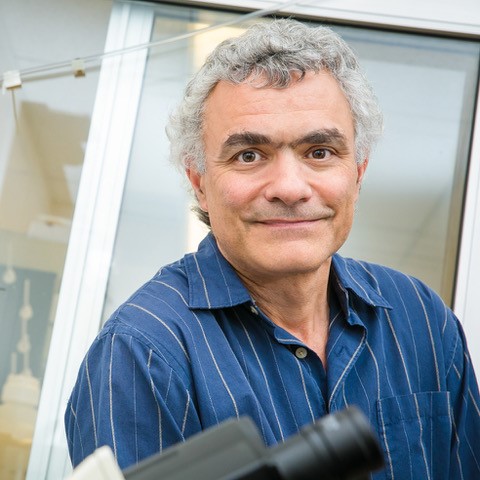
Dr. Ramsay Mcfarlane serves as Senior Lecturer in Biomedical Sciences (Medical & Molecular Genetics) at Bangor University's North Wales Medical School, where he concurrently holds positions as Research Group Leader and Deputy Head of School for Research. His work focuses on elucidating how cancer cells exploit germline and stem cell genes to manipulate cell proliferation and genome dynamics, with the ultimate goal of developing novel diagnostic tools and therapeutic interventions for cancer patients through the identification of druggable targets and biomarkers. Education: Ph.D. in Medical Genetics, Liverpool University, UK (Supervised by Prof. John Saunders) Dr. McFarlane's research program centers on cancer genetics and genome stability mechanisms, specifically investigating germ line genes, cancer testis antigens, meiosis, and telomere biology in human cancer cells, model organisms, and pluripotent stem cells. His group has demonstrated non-uniform DNA replication failure across the genome and identified conserved protein complexes governing telomere maintenance in cancer progression. This work has yielded significant discoveries in cancer-specific biomarker genes with direct applications for patient stratification, early diagnosis, and development of both conventional and immunotherapeutic drug targets. Analysis of his recent publications (2017-2022) reveals a cohesive research trajectory focused on molecular mechanisms of genome instability, with particular emphasis on Translin/Trax complexes, Brachyury signaling, and germ cell-specific gene networks like TEX19. These studies consistently bridge fundamental molecular biology with translational oncology, highlighting novel vulnerabilities in cancer cell regulation that inform therapeutic development. Scientific Awards: NIH Postdoctoral Fellowship at Fred Hutchinson Cancer Research Center, Seattle, USA Dr. McFarlane has supervised 30 research students and projects while securing major funding from the MRC, Wellcome Trust, Royal Society, BBSRC, North West Cancer Research, Cancer Research Wales, NHS, and the Saudi Arabian Government. Current initiatives include the Wales Cancer Research Centre (2020-2025) and the application of cancer-testis genes to address unmet clinical needs in oncology (2023-2027), demonstrating sustained impact in translational cancer research. He established the North West Cancer Research Institute at Bangor University in partnership with the regional cancer charity, creating a dedicated research ecosystem focused on genome dynamics in cancer. His laboratory features state-of-the-art facilities including human cancer/embryonic stem cell culture suites, confocal microscopy, fluorescence-activated cell sorting, and advanced molecular biology technologies, enabling comprehensive investigation of cancer stem cell mechanisms and therapeutic targeting.