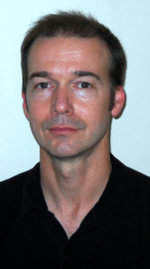
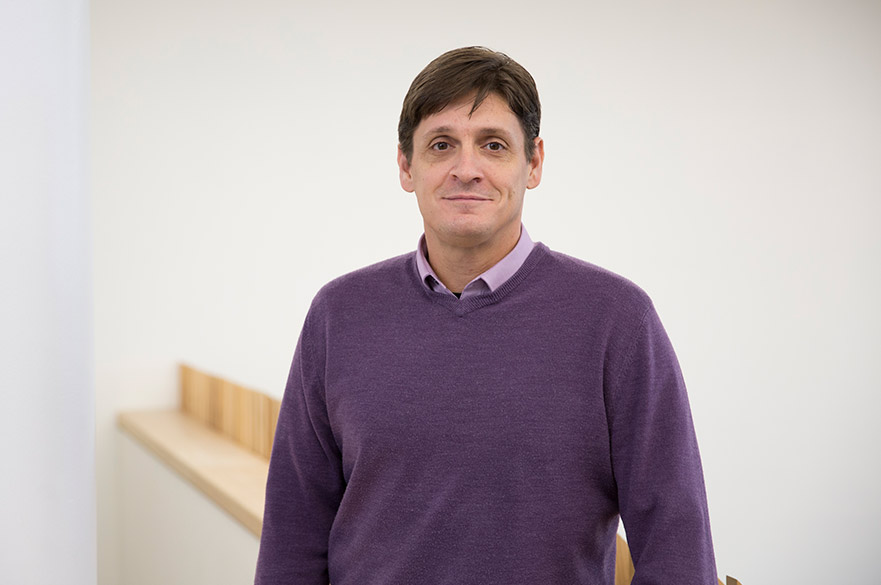
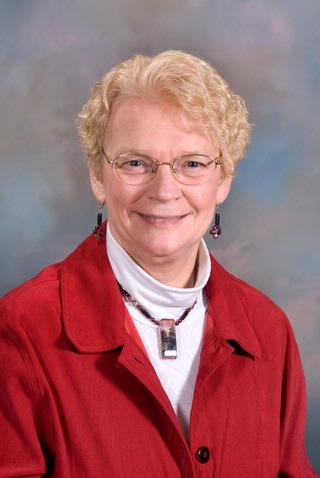
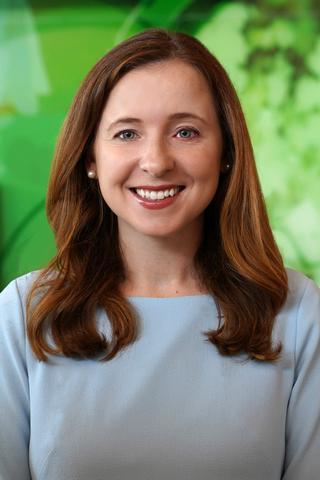
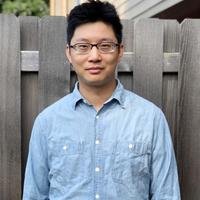
Mark D Bevan is the Rose, James, Sarah & Max Meltzer Professor of Neuroscience at Northwestern University's Feinberg School of Medicine. He earned his PhD in 1993 from the University of Manchester, England. His laboratory focuses on the basal ganglia circuits critical for voluntary movement and associative learning, with particular emphasis on Parkinson's disease, Huntington's disease, obsessive-compulsive disorder, and addiction pathophysiology. Research interests center on: Defining principles of basal ganglia operation in health and disease Developing corrective or neuroprotective therapies for movement disorders Investigating subthalamic nucleus dysfunction in Parkinson's and Huntington's Neural circuit dynamics and plasticity in motor control systems Dopaminergic regulation of basal ganglia pathways His publication pattern shows consistent focus on basal ganglia circuitry, with recent work emphasizing: Movement optimization through subthalamic nucleus activity (2024) Early dysfunction in Huntington's disease models (2022) Parkinsonian network dynamics (2020) Therapeutic modulation of neural circuits (2018-2019) Honors and Awards: Javits Neuroscience Investigator Award, NIH-NINDS (2012) He leads the Mark Bevan Lab and is core faculty at the Northwestern University Institute of Neuroscience (NUIN). The lab currently has positions for postdoctoral researchers investigating Huntington's disease mechanisms.
Gregory Verdine is the Erving Professor of Chemistry at Harvard University, with primary appointments in the Departments of Stem Cell and Regenerative Biology and Chemistry and Chemical Biology. He is a pioneering figure in chemical biology, DNA repair mechanisms, and therapeutic modality development, particularly known for inventing stapled peptides that target previously "undruggable" proteins. Verdine also serves as Chairman of the Board of Directors at WaVe Life Sciences and President/CEO of FogPharma, while maintaining advisory roles at institutions like Memorial Sloan-Kettering Research Institute and National Cancer Institute. Harvard University (Stem Cell and Regenerative Biology, Chemistry and Chemical Biology) Founder/Co-Founder of 8 biotech companies (Enanta, Gloucester, Tokai, WaVe, Eleven Biotherapeutics, Warp Drive Bio, Aileron, FogPharma) Non-Profit Leadership: Gloucester Marine Genomics Institute and Gloucester Biotechnology Academy Research focuses on chemical biology and genomic stability , with key discoveries in: Molecular mechanisms of epigenetic DNA methylation Genotoxic DNA damage surveillance pathways Design of stapled peptides for protein-protein interaction modulation Applications in oncology (β-catenin, Ras, RAB25 targeting) Advancing nucleotide excision repair systems Antisense oligonucleotide stereochemical optimization His 15 most recent publications (2013-2024) reveal trends in: Covalent enzyme inhibitors Genomic modality discovery Ubiquitin ligase reprogramming Protein structure remodelling Allele-selective genetic therapies DNA lesion recognition mechanisms Awards include the 2024 AACR Award for Excellence in Chemistry in Cancer Research and Nobel Laureate Signature Award . He has translated academic research into clinical applications through multiple FDA-approved drugs (romidepsin, paritaprevir) and currently leads FogPharma's Cell-Penetrating Miniprotein platform. Academic collaborators span Harvard, MIT, and major biomedical research institutions.
Scott D. Boyd is a Professor of Food Allergy and Immunology and Professor of Pathology at Stanford University School of Medicine . He serves as Co-Director of the Sean N. Parker Center for Allergy and Asthma Research and leads the Boyd Laboratory , which investigates human immune responses to infections, vaccines, and immunological disorders like food allergy and HIV. His research integrates high-throughput DNA sequencing , single-cell experiments , and machine learning to dissect B cell receptor repertoires and antibody functional roles. Education: B.Sc.(Hons) in Biochemistry, University of Manitoba (1992) B.A. in English Literature, University of Oxford (Rhodes Scholar, 1994) Ph.D. in Biology, MIT (2004) M.D., Harvard Medical School (2005) Research Highlights: The Boyd Lab focuses on B cell responses to SARS-CoV-2 (including variant recognition and immune imprinting), food allergy immunopathogenesis (gastrointestinal IgE+ B cell reservoirs), and vaccine-induced immunity (influenza, rabies, and HIV). His work reveals how antibody glycosylation and B cell repertoire dynamics influence disease severity, with recent projects analyzing primate model organisms and microbiome-vaccine interactions . Scientific Awards: Presidential Early Career Award for Scientists and Engineers (2019) Rhodes Scholarship (1992-1994) University Gold Medal, University of Manitoba (1992) Walter V. and Idun Berry Fellowship (2008) New Scholar Award in Aging, Ellison Medical Foundation (2011) Advising and Grants: Dr. Boyd mentors doctoral students and postdoctoral fellows in immunology and pathology. His lab receives funding from the National Institutes of Health (NIH) , philanthropic supporters, and collaborative grants for food allergy and SARS-CoV-2 research. Notable projects include multi-omics profiling of vaccine responses and machine learning frameworks for immunological diagnosis .
Mau-Chung Frank Chang is a Distinguished Professor of Electrical and Computer Engineering at the University of California, Los Angeles (UCLA), holding the Wintek Chair in Electrical Engineering. He leads the High Speed Electronics Lab and has pioneered advancements in semiconductor devices and integrated circuits for over three decades, with research spanning from RF/wireless interconnects to Terahertz systems-on-chip. His research expertise centers on high-speed and high-frequency (up to Terahertz) mixed-signal semiconductor heterojunction devices and CMOS integrated circuits. Key application areas include radio, radar, imaging systems, space science instrumentation, and Edge AI (AIoT) systems. Professor Chang's work bridges fundamental device physics with system-level design, enabling breakthroughs in wireless communication, scientific instrumentation, and low-power computing architectures. Recent publications (2021-2025) demonstrate a clear trajectory toward higher-frequency operation (sub-THz to THz), advanced modulation schemes (1024QAM), and integration of AI capabilities into RF systems. His team consistently pushes CMOS technology to new limits, developing beamforming transmitters, ultra-wideband antennas, and high-efficiency oscillators for next-generation communication and space applications. Professor Chang's exceptional contributions have been recognized with numerous prestigious awards: AASF Asian American Pioneer Medal (2024) IEEE/Royal Society of Edinburgh James Clerk Maxwell Medal (2023) IEEE-HKN Eminent Membership (2023) Member of the European Academy of Sciences and Arts (2022) IEEE Transactions on Circuits and Systems Darlington Best Paper Award (2021) IEEE Journal of Solid-State Circuits Best Paper Award (2012) IEEE International Symposium on High Performance Computer Architecture Best Paper Award (2008) As director of the High Speed Electronics Lab, Professor Chang oversees a world-class research group developing cutting-edge semiconductor technologies. His lab's innovations in heterojunction devices and CMOS integration have enabled commercial deployments in wireless communications (including 5+ billion HBT power amplifiers) and advanced scientific instrumentation for space exploration. Current research focuses on Edge AI systems, Terahertz imaging, and spaceborne spectrometer processors for planetary science missions.
Jung Hyun Park serves as a Visiting Senior Scientific Specialist and Industrial Engineer at the Illinois Sustainable Technology Center, University of Illinois Urbana-Champaign, focusing on advanced materials for sustainable energy applications. His research bridges chemical engineering and materials science to address critical challenges in catalysis and energy conversion. Dr. Park's primary research interests include Covalent Organic Frameworks (COFs), nanomaterials, electrocatalysis, hydrogen production, battery technology, and catalytic processes. His work emphasizes designing recyclable catalysts and nanostructured materials for polymer upcycling, hydrogen evolution, and solid-state battery electrolytes, with strong alignment to circular economy principles and renewable energy systems. Analysis of his 15 most recent publications (2017-2025) reveals a dominant focus on COF-based electrocatalysts (100% fingerprint match) and nanosheet materials (82% match). Key research trajectories include: (1) COF-modified platinum catalysts for hydrogen evolution, (2) tandem catalysts for hydrogen/methane production from waste feedstocks, and (3) zwitterionic COF solid electrolytes for lithium-metal batteries. His publications in high-impact journals like Advanced Materials and Nano Energy demonstrate consistent innovation in sustainable energy materials, with significant industrial relevance evidenced by patent citations.
David J. Baylink, MD is a Professor at Loma Linda University School of Medicine and School of Dentistry, holding multiple distinguished roles in Regenerative Medicine, Medicine, and Basic Sciences. As Head of the Regenerative Medicine Division, he has led groundbreaking research in bone metabolism and stem cell therapies. Doctor of Medicine, Loma Linda University (1957) Bachelor of Arts, Walla Walla University (1953) Research Interests: His work spans bone biology, focusing on osteoporosis treatment, vitamin D applications in leukemia, and immune-modulating therapies. He has pioneered stem cell and gene therapy approaches for skeletal repair and developed novel strategies for AML treatment by targeting metabolic pathways. Scientific Contributions: Recent publications highlight his team's discoveries in NFκB2 signaling, nutrient-gene therapies for AML, and vitamin D's role in intestinal stem cell regeneration. These studies appear in journals like Genome Biology and International Journal of Molecular Sciences . Patents and Projects: Baylink holds multiple patents for engineered dendritic cells and bone growth compositions. He has received grants from NIH, DoD, and private pharmaceutical companies for clinical trials on osteoporosis and AML therapies.
Professor Andreu Palou Oliver is a distinguished academic at the University of the Balearic Islands (UIB), where he has served as Professor of Biochemistry and Molecular Biology since 1988. He directs the Laboratory of Molecular Biology, Nutrition and Biotechnology (LBNB) at UIB, a position he has held since 1995, and was Principal Investigator of the Nutrigenomics, Biomarkers and Risk Assessment (NuBE) group until 2021. Throughout his career, he has held numerous leadership positions at UIB including Secretary of the Faculty of Sciences, Director of multiple departments, Dean of the Faculty of Sciences, and Vice-Rector for both Teaching Staff and Planning and Research. Professor Palou's research spans the intersecting fields of Nutrition and Molecular Biology, with particular focus on the role of leptin in breast milk as a hormone and nutrient during lactation. His groundbreaking work has demonstrated that leptin present in breast milk but not in formula substitutes protects against obesity development and associated complications. This discovery has led to significant scientific recognition, patents, and the establishment of Alimentómica SL, the first technology-based company of the UIB. Analysis of his recent publications reveals a consistent focus on nutritional biomarkers, metabolic programming, and personalized nutrition approaches. His work frequently examines the molecular mechanisms underlying obesity, with particular attention to early-life nutritional interventions and their long-term health consequences. His research methodology combines molecular biology techniques with nutritional science to identify biomarkers and understand the genetic and epigenetic factors influencing metabolic health. Professor Palou's scientific achievements have been recognized with numerous prestigious awards including the International Hippocrates Award for Medical Research on Human Nutrition (2007), the Scientific/Professional Career Award from SEEDO (2011), the VII National Award for Food and Health from the University of Navarra (2011), the XXIII DuPont Science Prize (2013), and the Danone Institute Foundation Scientific Career Award (2019). As an educator and mentor, Professor Palou has directed 39 doctoral theses and has been Principal Investigator for approximately 70 R&D projects in competitive calls from public and private entities, in addition to 58 contracts with companies. His leadership extends to European research consortia, where he coordinated the BIOCLAIMS project funded by the EU's 7th Framework Programme with 6 million euros (2010-2015), and participated in other significant projects including I.FAMILY, DIABAT, and PREVENTOMICS. Professor Palou leads the Laboratory of Molecular Biology, Nutrition and Biotechnology (LBNB), which has been instrumental in translating basic science discoveries into practical applications. His research group has made significant contributions to understanding the molecular basis of nutrition, with particular emphasis on obesity prevention mechanisms, biomarker discovery, and the development of personalized nutrition strategies that can be implemented through digital health tools and dietary interventions.
Lee Martin is an Associate Professor in Materials Chemistry at the School of Science & Technology , Nottingham Trent University . He teaches modules including Inorganic Bonding and Solid-State Materials, Advanced Inorganic Chemistry, and Professional Development. His research focuses on structure-property relationships , chirality in molecular conductors , coordination chemistry (especially with boron, d/f-block elements), and 2D quantum spin-liquid systems . Education: PhD in Materials Chemistry from the Royal Institution of Great Britain Awards: Ramsay Medal (1998), Royal Society Leverhulme Trust Senior Research Fellowship (2017-2018) Collaborations: Osaka University, Hokkaido University, Institute for Molecular Science (Japan), Chinese Academy of Sciences Grants: The Royal Society, The Leverhulme Trust, Japan Society for Promotion of Science, Daiwa Anglo-Japanese Foundation Recent work (2025-2024) explores chiral coordination complexes , 2D quantum spin-liquids , and guest molecule incorporation in BEDT-TTF salts. He has supervised PhD research on advanced chiral molecular materials (Rusbridge, 2024) and collaborates extensively with Japanese institutions. His publications (62+ items) span molecular superconductivity , spin crossover phenomena , and stereoselective crystal engineering . Current projects involve characterizing novel charge-transfer salts and exploring room-temperature insulator-metal transitions in molecular systems.
Maria João Jacinto is a researcher at Nova School of Business and Economics (Nova University Lisbon) and Executive Director of Patient Innovation. Her work focuses on healthcare innovation and entrepreneurship, aiming to create resilient and crowd-based innovation systems. She has extensive international experience through research collaborations and programs, including a Ph.D. in Bioengineering from MIT Portugal/Istituto Superior Técnico and a Master's thesis at University of Ghent. Education: Ph.D. in Bioengineering (2019), MSc in Biological Engineering (2012), and Postgraduate in Project Management (2020). Research Interests: User-driven healthcare innovation, entrepreneurship for impact, applied healthcare science, and bioengineering. Professional Experience: Former R&D lead in bionano technology at Biotrend, postdoctoral researcher at Universidade Católica Portuguesa, and program director for the Patient Innovation Bootcamp. Her interdisciplinary background bridges engineering, economics, and healthcare, enabling contributions to teaching modules across multiple institutions.
Dr. Constance D. Baldwin is a Part-Time Professor in the Department of Pediatrics at the University of Rochester Medical Center's School of Medicine and Dentistry. She serves as the Founding Director of the Academic Pediatric Association's Educational Scholars Program (ESP) , a faculty development initiative for academic pediatricians focused on educational interventions and scholarship. Since 2006, the ESP has graduated 94 scholars out of 172 enrolled, earning the APA's Teaching Program Award in 2016. PhD in English, Stanford University (1973) MA in English, Stanford University (1970) BA in English Language and Literature, Reed College (1968) Dr. Baldwin's research centers on educational scholarship , scientific communication , and curriculum development in academic medicine. She has conducted extensive evaluations of educator performance frameworks and developed tools like the AAMC Toolbox for Evaluating Educators . Her work also addresses pediatric health topics such as ADHD management , asthma care , and adolescent confidentiality in electronic health systems . Her 15 most recent publications (2017-2023) emphasize medical education reform , leadership development , and behavioral health integration in pediatric care. Notable collaborations include partnerships with the Association of American Medical Colleges and the Academic Pediatric Association . Teaching Program Award, Academic Pediatric Association (2016) Best Poster Award, "A Portfolio Toolbox for Educators and Those Who Evaluate Them" (2009) National Pediatric Faculty Development Scholar (1998-2000) Recognition for Special Contributions to Research (1990) Phi Beta Kappa (1968) Woodrow Wilson Fellow (1968) Dr. Baldwin has mentored numerous junior faculty and fellows in scientific communication and grant writing , while developing grants for the Eastman Institute for Oral Health's General Dentistry Program. She is currently converting her writing workshops into a 6-module online course on academic writing and grant proposal development.
Amy D. Burris, M.D., is a part-time Assistant Professor of Pediatrics and Medicine at the University of Rochester Medical Center’s School of Medicine and Dentistry. She is affiliated with the Department of Pediatrics, Pediatric Allergy/Immunology, and the Department of Medicine, Allergy/Immunology and Rheumatology. Graduated with honors from Cornell University (B.A.) M.D. from SUNY Upstate Medical University Completed Pediatrics residency, Chief residency, and Allergy & Immunology fellowship at the University of Rochester Dr. Burris’s clinical interests focus on food allergy and allergic disease in infants, particularly those who are breastfed. She co-directs the multidisciplinary Pediatric Eosinophilic Esophagitis Clinic, addressing complex allergic conditions in children. Her recent research explores the role of human milk in delivering food antigens to infants, aiming to understand mechanisms of sensitization versus tolerance. Key publication themes include peanut allergy treatment, oral immunotherapy for toddlers, cow’s milk allergy management, and the impact of oral habits on atopic diseases. Patient feedback highlights her thoroughness in diagnosing food allergies, with a 4.8/5-star rating across 36 reviews. Her work bridges clinical practice and translational research, emphasizing the interplay between maternal nutrition and infant immune development.
Aidan Culhane is an Adjunct Associate Professor at the University of Limerick School of Medicine , where he has been teaching since 2007. He pioneered Ireland's first Longitudinal Integrated Clerkship (LIC) in general practice and currently serves as Module Lead for the Early Patient Contact Programme. He is also a practicing general practitioner in Castleconnell, County Limerick, and a medical officer for over 200 patients with intellectual disability through the Daughters of Charity services. Education : MB (University College Cork, 1982), Dip.Sports Med. (London), Dip.Clinical Teaching (NUIG) Research Interests focus on: Quality assurance of Longitudinal Integrated Clerkships (LICs) Professional identity formation in medical students Benzodiazepine prescribing patterns for patients with intellectual disability Vitamin D levels in individuals with intellectual disability Elderly care during the COVID-19 pandemic Scientific Trends from his publications show expertise in general practice education, qualitative analysis of medical training programs, and primary care responses to public health crises like SARS-CoV-2. His work emphasizes longitudinal educational models and healthcare workforce dynamics. Awards & Honors : Fellow of the Royal College of General Practitioners (FRCGP) Fellow of the Faculty of Sports and Exercise Medicine (FFSEM) Medical Officer for the Irish Olympic Team (2004 Athens Olympics) Fellow of the Faculty of Sports Medicine, RCSI Collaborations span institutions like the Royal College of Surgeons in Ireland (RCSI), University of Western Australia, and the Royal Flying Doctor Service. He actively engages in multi-stakeholder educational research and maintains international connections in medical education.
Tsao-Hsien Chen is an Associate Professor in the School of Mathematics at the University of Minnesota, Twin Cities, with office contact at Vincent Hall (206 Church Street SE, Minneapolis). His research focuses on geometric representation theory, particularly the geometric Langlands program, D-modules, and perverse sheaves. Chen actively organizes advanced seminars including the Geometric Methods in Langlands Program series (2021-2025) covering Springer correspondence, character sheaves, and Weil representation. He co-organizes international workshops such as the Summer School on Relative Langlands Duality (2024) and Beijing-Shanghai Summer School (2025), demonstrating leadership in the global mathematics community. His publication analysis (2015-2024) reveals sustained contributions to Langlands program foundations, with emphasis on Hitchin systems in characteristic p , symmetric varieties, and depth preservation. Collaborations with leading mathematicians like David Nadler and Xinwen Zhu underscore his work's significance in bridging algebraic geometry and representation theory. No scientific awards are documented in available sources. Information regarding academic advising or grant funding is not provided in current materials, though his seminar leadership suggests active mentorship roles. Chen's community engagement extends to directing specialized workshops including D-modules applications (2024) and Modern Perspectives in Representation Theory (2025), positioning him at the forefront of current research trends.
Professor Naomi Hawkins is a faculty member at the School of Law , University of Sheffield, specializing in Intellectual Property Law with a focus on biomedical science intersections. She leads empirical research on gene patents, data sharing practices, and translational genomics. Her work bridges legal frameworks with practical implications in healthcare innovation. Education DPhil in Law, University of Oxford Bachelor of Civil Law (BCL), University of Oxford Bachelor of Science (BSc), University of Queensland LLB (Hons), University of Queensland Research Focus Hawkins investigates: Legal implications of human gene patents Conflicts between IP rights and public health Data governance in genomic research Translational outcomes in biotechnology Bioethical dimensions of genetic testing Regulatory challenges in space technology Scientific Awards ESRC Future Leaders Research Fellowship Grants & Professional Roles ESRC-funded project (2014-2020): £176,837 Collaborative Platforms in Genomics (2020): ESRC-OECD partnership Space Law and IP Research (2018-2019): £7,392 Member of Sheffield Institute for Corporate and Commercial Law (SICCL) Editorial contributor: Patenting Biotechnical Innovation (Edward Elgar Publishing, 2022) Teaching Delivers modules on: Intellectual Property and Innovation Law Patent Law Health Law and Bioethics
F. Jon Kull '88 serves as Dean of the Guarini School of Graduate and Advanced Studies at Dartmouth College and holds the prestigious Rodgers Professorship in Chemistry. As an active faculty member in the Chemistry Department, he leads a research laboratory focused on understanding protein structure and function at the molecular level using X-ray crystallography and complementary biophysical techniques. His dual leadership roles position him at the intersection of academic administration and cutting-edge scientific research. Dr. Kull earned his A.B. in Chemistry from Dartmouth College, graduating magna cum laude and as a member of Phi Beta Kappa. He completed his Ph.D. in Biochemistry at the University of California, San Francisco, where his groundbreaking work included solving the first structure of a kinesin motor domain in 1996, published in Nature. His research program spans two primary areas of investigation: structural analysis of bacterial virulence gene regulatory proteins and fine-tuning the catalytic cycle of kinesin motors. In bacterial pathogenesis research, his laboratory focuses on Vibrio cholerae, investigating the structural and functional characteristics of regulatory proteins involved in virulence gene expression. This work has significant implications for developing therapeutics against cholera and other enteric bacterial infections. In molecular motor research, his lab studies kinesin proteins to understand the detailed mechanism of force generation, with applications in developing treatments for diseases involving motor protein defects. Analysis of his recent publications (2012-2021) reveals a strong focus on bacterial virulence mechanisms, particularly in Vibrio cholerae and enterotoxigenic E. coli, with increasing emphasis on identifying and characterizing small molecule inhibitors of virulence regulators. His structural biology approach consistently combines X-ray crystallography with functional studies to provide mechanistic insights into protein function. The Rodgers Professor at Dartmouth College, Endowed Chair (2012) Dartmouth Center for the Advancement of Learning Faculty Fellow (2012) Gridley Faculty Fellow (2011) Dean of the Faculty Award for Outstanding Mentoring and Advising (2010) Linda B. and Kendrick R. Wilson III Fellow (2007) Education Fellow in the Life Sciences by the National Academies (2006) March of Dimes Basil O'Connor Starter Scholar Research Award (2003) Dr. Kull has mentored numerous graduate and undergraduate students through the Kull Laboratory, with alumni including Justin Cruite, Jessica Day, Britney Privett, and Anne Woodbrey. His current research team includes Research Assistant Professor Charles R. Midgett and graduate students Jessica D. Tolbert and Minje Kim. The laboratory's work on bacterial virulence regulation has been supported by grants investigating structural mechanisms of virulence gene expression in Vibrio cholerae, with potential applications for developing novel anti-infective strategies that target virulence rather than viability. The Kull Laboratory maintains active research programs in two main areas: structural analysis of bacterial virulence gene regulatory proteins (particularly AphA, AphB, ToxR, ToxS, ToxT, and HapR in Vibrio cholerae) and investigation of kinesin motor mechanics. The laboratory employs X-ray crystallography as its primary tool, complemented by spectroscopy, calorimetry, small angle X-ray scattering, kinetics studies, NMR, and computational methods to study macromolecular structure-function relationships.