- Flow Cytometry
- Immunology
- Cell Biology
- +۳ مورد دیگر
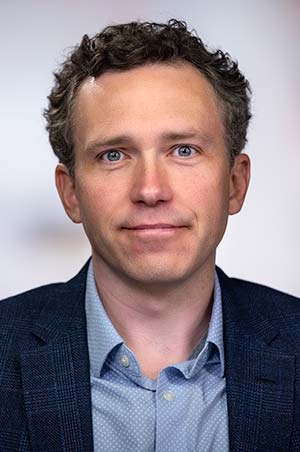
Marilyn Dietrich serves as a Lecturer in the Department of Pathobiological Sciences at Louisiana State University's School of Veterinary Medicine, where she has been a faculty member since April 1, 1991. She maintains a dual role as a key contributor to the Flow Cytometry Core Facility, driving collaborative research in flow cytometry methodology development across immunology, toxicology, and veterinary pathology disciplines. Education MS, Louisiana State University, 1980 BS, Louisiana State University, 1978 Dr. Dietrich's research centers on advancing flow cytometry applications through interdisciplinary collaboration, with significant contributions to stem cell biology (particularly adipose-derived stromal/stem cells), veterinary oncology, and metabolic disease modeling. Her work bridges veterinary and human health research, focusing on technical innovations for cell isolation, differentiation protocols, and disease mechanism analysis. The Flow Cytometry Core Facility under her expertise enables high-impact studies in regenerative medicine and veterinary diagnostics. Analysis of her 2013-2020 publications reveals consistent focus on stem cell methodology (80% of work), with dominant themes in adipose tissue biology, cryopreservation techniques, and veterinary disease modeling. Her research demonstrates strong translational value through applications in regenerative therapies and veterinary diagnostics, frequently appearing in specialized journals like Obesity , Cell Proliferation , and Frontiers in Veterinary Science . Dr. Dietrich actively engages graduate students through PBS 7413 (Techniques in Flow Cytometry) and VMED 5010 (Introduction to Flow Cytometry), providing hands-on training in cutting-edge cell analysis methods. Her mentorship extends to collaborative research projects where students contribute to stem cell and veterinary pathology studies. As an integral member of the Flow Cytometry Core Facility, she provides critical technical leadership for experimental design, data acquisition, and analysis across multiple research domains. The facility serves as a hub for interdisciplinary collaboration, supporting projects ranging from veterinary oncology to metabolic disease research through advanced cytometry applications.