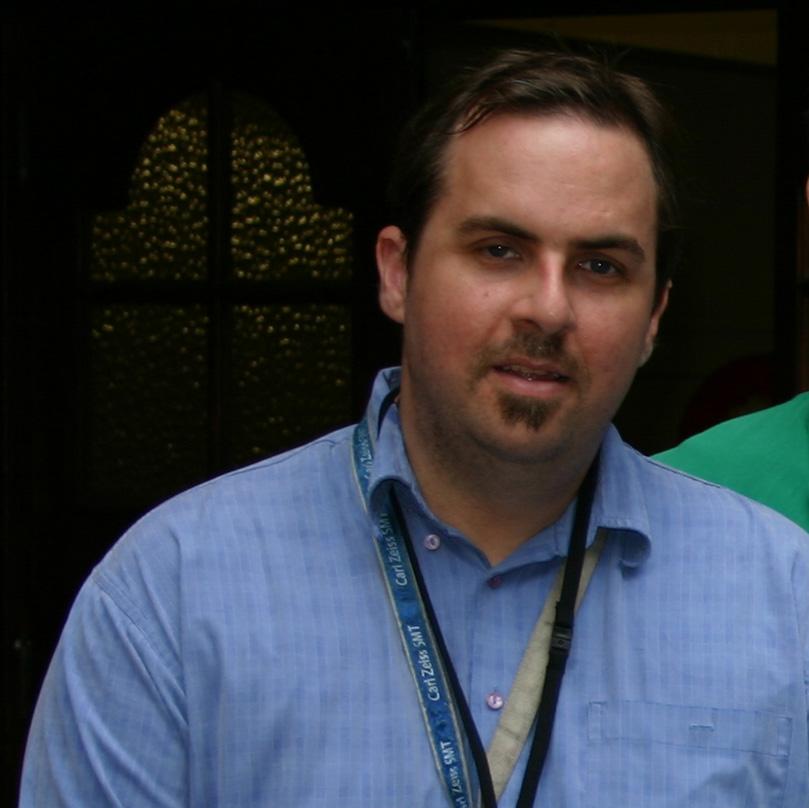
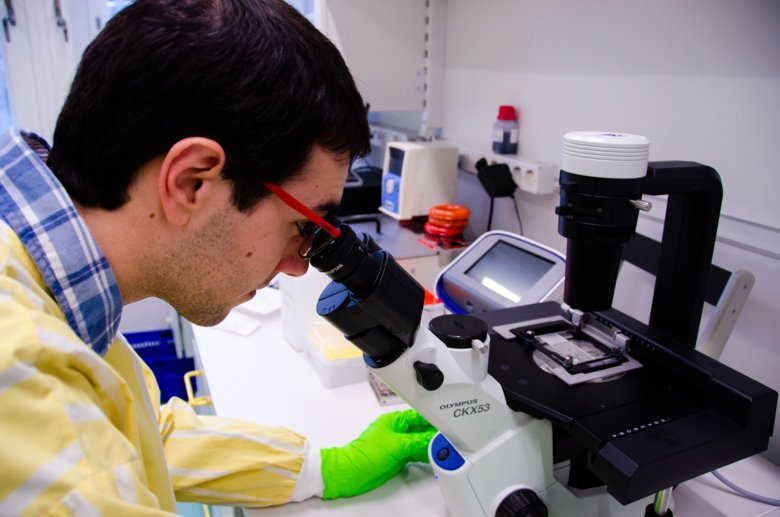
Michael Lovelace is a Senior Postdoctoral Research Scientist and Research Fellow at St. Vincent's Centre for Applied Medical Research, UNSW, working in the laboratory of Professor Bruce Brew. Manages the Live Imaging Facility specializing in flow cytometry and cellular analysis. Research focuses on neurodegenerative mechanisms, particularly the kynurenine pathway's role in multiple sclerosis and neural stem cell biology. Investigates neuroimmune interactions using molecular and cellular approaches. Recent publications examine neural precursor cell functions, cerebral malaria pathogenesis, and computational approaches for longitudinal biomedical data analysis. Contributes to understanding neuroinflammatory processes in disease contexts.
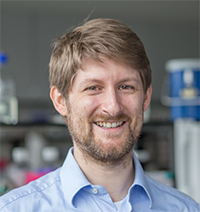
Dhananjay Bhaskar is a Research Fellow in the Department of Genetics at Yale School of Medicine, Yale University. His research integrates topological data analysis, machine learning, and mathematical modeling to address problems in biophysics and biomedical research. He holds a PhD in Biomedical Engineering and Sc.M. in Data Science from Brown University, and degrees in Computer Science and Applied Mathematics from the University of British Columbia. His work spans applications such as immune response analysis, epidermal regeneration, IVF embryo selection, and cancer cell migration. Education: PhD Brown University (2021), ScM Data Science (2021), MSc Applied Mathematics (2017, UBC), BSc Computer Science (2015, UBC). Research interests focus on leveraging interdisciplinary methods to understand complex biological systems. Key areas include topological analysis of single-cell data, machine learning for medical diagnostics, and computational modeling of cellular dynamics. His work on glial scar formation and calcium signaling in epidermis regeneration has advanced understanding of tissue repair mechanisms. Notable recognition includes the 2024 Kavli Postdoctoral Fellowship for his project on neuroenergetic principles in C. elegans neural circuitry. Collaborations include work with Smita Krishnaswamy on immune response prediction and Valentina Greco on epithelial regeneration. Publications highlight contributions across neuroscience, immunology, and cell biology, with recent focus on multimodal AI for psychiatry and geometric scattering methods for molecular analysis.
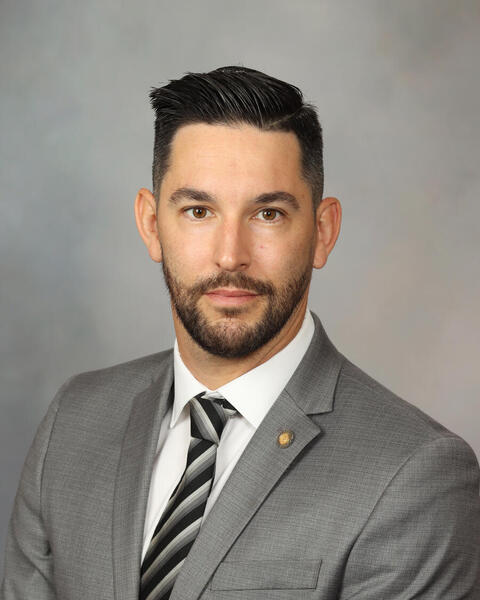
Dr. Cristiano Palego is a Senior Lecturer in Microwave Instrumentation at the School of Computer Science and Engineering, Bangor University. His research bridges microwave engineering, biosensor development, and environmental monitoring, with a focus on insect telemetry and cancer cell analysis. Key affiliations: SUMCASTEC (EU-funded), KESS II (PhD projects), and collaborations with S&A Fresh Produce Ltd and Cardiff University. Research Interests span microwave biosensors for cellular analysis, machine learning in insect behavior classification, and electromagnetic interactions with cancer stem cells. His work addresses UN Sustainable Development Goals in environmental conservation and health innovation. Scientific Contributions include advancements in: Microwave-based bee-tracking systems Glioblastoma organoid exposure studies MEMS phase shifters for biomedical applications Dielectrophoretic cell discrimination Recent Publications (2022–2024) highlight trends in integrating machine learning with microwave and radar systems for: Honeybee behavior classification Automated pollination monitoring High-frequency cancer cell analysis Awards & Recognition include contributing to Bangor University's 2023 Queen's Anniversary Prize-winning research on societal impact. Supervision : Open to advising PhD students in microwave biosensing, entomology, and biomedical device development.
Emily F. Brownlee is an Associate Professor of Biology at St. Mary's College of Maryland specializing in plankton ecology, bio-optics, and genetics. Her research investigates mixotrophic dinoflagellates, phytoplankton dynamics, and microzooplankton grazing in estuarine and marine systems, with fieldwork in Chesapeake Bay and the Arctic. She holds a BA (2010) and PhD (2017) in Environmental Biology and Biological Oceanography from Hood College and MIT-Woods Hole Oceanographic Institution. Her work employs advanced techniques like imaging flow cytometry and gene expression analysis to study trophic strategies. Research Focus: Mixoplankton ecology, phytoplankton bloom dynamics under sea ice, and developing observatory systems for estuarine phytoplankton. Recent publications emphasize integrating empirical data with models to predict climate change impacts on aquatic microbes. Contributions: Demonstrated high cryptophyte grazing rates in Chesapeake Bay, revealed under-ice Arctic blooms, and pioneered methods for plankton classification. Leads collaborative projects like PhytoChop to advance phytoplankton monitoring.
Dr. Ajit Subramaniam is a Lamont Research Professor at the Lamont-Doherty Earth Observatory (LDEO), part of Columbia University's Columbia Climate School, and an Adjunct Professor in the Department of Earth and Environmental Sciences. He also serves as Lecturer in the M.S. in Sustainability Science program at Columbia's School of Professional Studies. His roles include Co-Director of the Community-Based Co-production of Knowledge Network and former Program Director at the Gordon and Betty Moore Foundation and NSF. Education: Ph.D. in Coastal Oceanography (1995), M.S. in Marine Environmental Science (1989), B.Sc. (Special) in Physics (1984), all from Stony Brook University and The American College in India. Research Focus: Specializes in oceanography, biogeochemical cycles, and remote sensing. Key interests include phytoplankton physiology, nitrogen fixation, Amazon River plume dynamics, and cyanobacterial blooms. His work emphasizes advancing ocean observation technologies and integrating community-based co-production of knowledge in environmental research. Recent projects explore Arctic climate impacts, Gulf of Mexico oil effects, and tropical Atlantic upwelling systems. Publications & Awards: Over 55 publications, including seminal works on Trichodesmium ecology and Amazon plume impacts. Honors include ASLO Sustaining Fellow (2024), NSF Director’s Award (2010), and Fulbright Senior Specialist Award (2010). His research bridges global climate dynamics with local community engagement, particularly in Indigenous co-production frameworks. Grants & Collaborations: Led major NSF-funded projects like ECOGIG (Gulf of Mexico study) and Amazon plume Lagrangian analysis. Collaborates with NOAA, USC, and international institutions. Active in policy through initiatives like the Climate & Life Fellowship (2021–2023). Labs & Teams: Core member of LDEO's Biogeochemistry and Environmental Dynamics groups. Oversees projects at LDEO’s Palisades facility and fieldwork in Arctic, tropical Atlantic, and Gulf of Mexico regions.
Fleur van der Sijde is a Researcher at Erasmus MC in the Department of General Practice, focusing on clinical and translational oncology, particularly in pancreatic cancer. Her work integrates immunology and molecular diagnostics to improve treatment outcomes. Research Interests: Her research centers on understanding tumor progression, immune response modulation during chemotherapy, and identifying predictive biomarkers in pancreatic ductal adenocarcinoma. She investigates serum cytokine dynamics, gene expression profiles, and immune cell populations to determine early response to FOLFIRINOX therapy. The recent publications show a strong trend in immuno-oncology , emphasizing the interplay between systemic immunity and chemotherapy efficacy. Her work leverages flow cytometry, transcriptomics, and clinical cohort data to uncover mechanisms of treatment resistance and survival predictors. Scientific Contributions: Developed multigene circulating biomarkers for early prediction of chemotherapy response. Demonstrated association between cytokine levels and tumor progression/survival. Highlighted methodological impacts of data analysis techniques on clinical discoveries. Advising and Grants: While no formal advisees or grant details are mentioned, her involvement in multi-center studies and doctoral thesis suggests active participation in collaborative research projects under senior supervision. She likely contributes to study design, data analysis, and manuscript preparation in high-impact oncology research. Labs and Teams: Works within a multidisciplinary oncology research team at Erasmus MC, collaborating with experts in surgery, medical oncology, immunology, and molecular diagnostics. The team focuses on improving outcomes for pancreatic cancer patients through personalized medicine approaches.
Prof. Dr. Bernd Bodenmiller is a full Professor in Quantitative Biomedicine at the University of Zurich (UZH) and ETH Zurich. He leads the Department of Quantitative Biomedicine (DQBM) and holds a dual professorship between UZH and ETH. His research focuses on developing experimental and computational methods to study cancer biology at the single-cell level, particularly using imaging mass cytometry (IMC) to analyze tumor ecosystems. Education: Ph.D. in Systems Biology from ETH Zurich (2008) Postdoctoral training at ETH Zurich (2008-2009) and Stanford University (2009-2012) Research Interests: Bodenmiller’s lab investigates the regulatory systems governing cancer development, including tumor heterogeneity, immune interactions, and spatial organization of tumor cells. They pioneer technologies like IMC and 3D imaging to map cellular phenotypes and spatial networks in tumors. Key Contributions: The lab has developed tools such as the histoCAT software for IMC data analysis and contributed to understanding cancer-associated fibroblast heterogeneity. Their work bridges basic research with clinical applications, aiming to improve precision oncology through multi-omics approaches. Awards: Friedrich Miescher Prize (2019) ERC Consolidator Grant (2019)
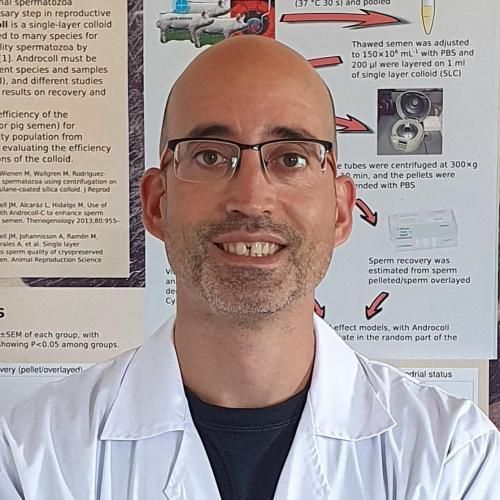
Rodrigo Muíño Otero is an Assistant Professor at the Faculty of Veterinary Medicine, University of Santiago de Compostela. He is affiliated with the Department of Animal Pathology and the Institute of Agricultural Biodiversity and Rural Development (IBADER), as well as the Strategic Grouping in Sustainable Management and Production of Bioresources (BioReDes). Education: PhD in Animal Pathology (2008) from the University of Santiago de Compostela His research focuses on animal metabolism and pathology, particularly evaluating bovine semen motility and viability using advanced technologies like CASA systems and flow cytometry. He specializes in identifying sperm subpopulations through data-driven approaches. Rodrigo is a member of the METANIMAL research group, which investigates animal metabolism and pathology, and contributes to the BioReDes strategic grouping focused on sustainable bioresource management. His work bridges reproductive biology with computational biotechnological methods.
Fabrice Lucien-Matteoni, Ph.D., is an Assistant Professor in both the Department of Immunology and the Department of Urology at Mayo Clinic, Rochester, Minnesota. His research is centered on understanding tumor-intrinsic mechanisms of immune evasion and resistance to cancer therapies, with a focus on urologic cancers and pediatric rhabdomyosarcoma. He employs multidisciplinary approaches integrating molecular biology, cancer immunology, tumor metabolism, and data science to develop novel targeted therapies and immunotherapies, as well as noninvasive liquid biopsies using extracellular vesicles. His research interests include cancer immunology, tumor metabolism, extracellular vesicles, liquid biopsy development, immune evasion mechanisms, and the cancer surfaceome. He investigates how tumor-derived extracellular vesicles contribute to immunosuppression and therapy resistance, and how intracellular pH regulators like NHE1 and NHE6 can be targeted to inhibit metastasis. His work spans fundamental discovery to clinical translation, aiming to improve early detection, prognostication, and treatment response prediction in genitourinary cancers. The recent publications highlight a strong focus on biomarker discovery, tumor microenvironment analysis, theranostics in neuroendocrine prostate cancer, and the role of immune and metabolic pathways in cancer progression. His research leverages genomic, epigenomic, and proteomic methodologies to uncover therapeutic vulnerabilities and develop precision oncology strategies. Scientific Awards: Excellence Through Teamwork Award, Mayo Clinic, 2022 Dr. Lucien-Matteoni collaborates extensively with surgeons, oncologists, pathologists, and industry partners to accelerate bench-to-bedside translation. His lab leads biobanking efforts for blood and urine samples from hundreds of urologic cancer patients and has developed advanced methods for isolating and characterizing tumor-derived extracellular vesicles. He is also actively involved in professional societies, serving on the Blood and Urine Task Forces of the International Society for Extracellular Vesicles since 2020. Laboratories and Research Teams: Dr. Lucien-Matteoni leads a research laboratory at Mayo Clinic focused on cancer biology and translational urologic oncology. His team utilizes proteomics, nanotechnology, genetically engineered models, and advanced flow cytometry to study tumor-derived extracellular vesicles and the cancer surfaceome.
Guillaume Dumenil is a Professor and Principal Investigator at the Pasteur Institute in Paris, France, where he leads the Pathogenesis of Vascular Infections Unit within the Cell biology and infection department. His research is funded by prestigious grants, including an ERC Advanced Grant (DESTOP) and a previous ERC Starting Grant. He is a leading expert on the pathogenesis of Neisseria meningitidis , the bacterium responsible for meningitis and septicemia. His research focuses on understanding how N. meningitidis colonizes human blood vessels, evades the innate immune system (particularly neutrophils), and causes vascular damage. His lab employs a highly multidisciplinary approach, integrating microbiology , cell biology , vascular biology , structural biology (using Cryo-EM and cross-linking mass spectrometry), and physics . Key to his research is the use of innovative models, such as a human skin xenograft model in mice and 3D microfluidics-based vessel-on-a-chip systems, to study infection in a physiologically relevant context. His recent publications (2021–2024) reveal detailed mechanisms of bacterial virulence, including the structural basis of type IV pili function and immune escape, the dynamics of bacterial adhesion under shear stress, and the identification of bacterial safe havens within arterioles. His work bridges fundamental science with therapeutic applications, aiming to develop new preventive and treatment strategies. His scientific achievements have been recognized with several major awards: ERC Advanced Grant (2022) Grand prix Fondation NRJ – Institut de France (2021) Pasteur Vallery Radot Prize (2019) ERC Starting Grant (2012) Professor Dumenil leads an active research group, mentoring numerous PhD students and post-doctoral fellows. His lab has secured significant grant funding, including multiple ongoing projects like DESTOP and PVMOC, and has produced influential research that is also communicated to the public through videos, media, and science festivals. The lab utilizes advanced technological platforms, including the Cytometry Platform and microfluidics, and is part of larger collaborative initiatives at the Pasteur Institute such as the Labex IBEID (Integrative Biology of Emerging Infectious Diseases).
Kalle Malmberg is a Professor at the Department of Medicine, Huddinge, Karolinska Institutet , with dual affiliation to Oslo University Hospital . His research focuses on the molecular mechanisms of Natural Killer (NK) cell differentiation , KIR receptor dynamics , and HLA-E interactions in health and disease. Key translational efforts include off-the-shelf NK cell therapy platforms and clinical trials for refractory malignancies Funding sources: Cancerfonden, EU Horizon 2020, Vetenskapsrådet Research Trends : Recent publications highlight genetic engineering of NK cells to overcome immune suppression in cancer, KIR-HLA polymorphism in transplantation outcomes, and single-cell technologies for repertoire analysis. Students : Hannah Cuthbertson Husbyn, Herman Krogstad Netskar Collaborative Networks : IMTAC, Theme Center for Regenerative Medicine
Felipe Martínez Pastor is a Professor at the Department of Molecular Biology within the School of Biological and Environmental Sciences at the University of León. With a career focused on Cell Biology and Animal Reproduction, he has led research projects on sperm biology, oxidative stress in deer sperm, and assisted reproduction technologies. He has supervised over 40 students (undergraduate, master's, and doctoral) and contributed to 120 SCI publications, including 85 in Q1 journals. Doctorate in Biological Sciences (University of León, 2004) Extraordinary End-of-Study and Degree Awards (University of León, 1999) His research spans sheep, brown bear, and deer reproduction, with international collaborations in Portugal, Sweden, South Africa, USA, and Poland. He has coordinated 9 R&D contracts and secured 2 national and 3 regional projects as principal investigator. His work integrates flow cytometry and data analysis, resulting in 4 patents and invitations to write book chapters and reviews. Positive evaluation in the I3 program (2013) ERC Consolidator Grant proposal evaluation (2014, Phase 1 - Evaluation B) Reviewer for >40 SCI journals and institutions (ANEP, NKFI, AVCR, UNMP-FCA) He has participated in teaching Cell Biology at the University of León for 10 years, contributed to three Master's programs (ULE, UCLM, University of Oviedo), and served on 5 thesis panels. His laboratory at INDEGSAL has hosted 7 doctoral students and 5 foreign researchers.
Emil Alstrup Jensen is a PhD student at the Department of Applied Mathematics and Computer Science , Technical University of Denmark. His research focuses on integrating Raman spectroscopy , machine learning , and microfluidic platforms for biomedical applications, including blood typing and flow cytometry innovations. Current projects include Raman spectroscopy and Multi-Modal Machine Learning Models (2024–2027), supervised by L. K. H. Clemmensen, A. Kristensen, and L. E. Pedersen. Collaborations span microfluidics , biomedical engineering , and applied data analysis . His publications highlight advancements in high-throughput Raman spectroscopy , label-free blood analysis , and viscoelastic fluid-based cytometry , often utilizing optical fiber coupling and particle suspension dynamics to improve diagnostic accuracy and efficiency. Project details: Raman spectroscopy and Multi-Modal Machine Learning Models (Active PhD project, 2024–2027) Supervisors: Lars Kai Hansen (Main Supervisor) Anders Kristensen Lars Erik Pedersen Research trends: Combining Raman spectroscopy with artificial intelligence for clinical diagnostics Designing microfluidic platforms for capillary flow cytometry using viscoelastic fluids Optimizing non-transparent solution analysis via flow cell engineering Contact: ealje@dtu.dk
Claudia Baldus is a Professor and Director of the Department of Internal Medicine II – Hematology and Oncology at the Medical Faculty of Christian-Albrechts-University of Kiel. She also serves as Managing Board Member, Pro-Dean of the Medical Faculty, and is a board member of the University Cancer Center Schleswig-Holstein (UCCSH), a leading interdisciplinary academic cancer center. Her clinical and research leadership spans hematology, oncology, stem cell transplantation, and cellular immunotherapy. Her research interests focus on acute leukemias , functional genomics , minimal residual disease (MRD) , antibody-based immunotherapies , and precision oncology . She leads a working group on the functional genomics of acute leukemias, utilizing high-throughput sequencing and methylation analysis to improve diagnostics and identify therapeutic targets. Her team also explores optimization of monoclonal and bispecific antibodies for enhanced immune recruitment against tumors. The articles published under her leadership reflect a strong trend in translational hematology-oncology research , combining molecular diagnostics , genomic profiling , and innovative immunotherapies such as CAR-T cells and bispecific antibodies. Research spans from basic discovery to clinical trial implementation, with a focus on improving outcomes in leukemia and lymphoma. Kiel Science Prize 2025 Prof. Baldus is actively involved in mentoring medical and life sciences students through doctoral theses and scientific projects. She participates in national and international clinical trials and leads research funded by major third-party organizations. Her work is integrated within the interdisciplinary framework of the UCCSH, involving collaboration across oncology, transfusion medicine, and cell production. She is affiliated with the Dr. Mildred Scheel House, a JACIE-accredited center for stem cell transplantation and cellular immunotherapy, where her team contributes to patient care, research, and clinical trial coordination. The institution emphasizes holistic care, incorporating psycho-oncology, social services, and rehabilitation.
Kelly Street is an Assistant Professor in the Division of Biostatistics at the Keck School of Medicine of the University of Southern California (USC), where she conducts research at the intersection of biostatistics, computational biology, and genomics. Her work focuses on developing statistical and computational methods for analyzing high-dimensional biological data, particularly from single-cell sequencing technologies. Her educational background includes a PhD in Biostatistics with a Designated Emphasis in Computational Biology (2018), an MA in Biostatistics (2014), both from the University of California, Berkeley, and a BS in Mathematics (2012) from the University of Chicago. Kelly Street's research interests center on single-cell RNA sequencing (scRNA-seq), with a strong emphasis on trajectory inference to model continuous biological processes such as cell differentiation. She develops methods for differential expression and differential progression across conditions, enabling comparisons of developmental trajectories between experimental groups. Her work extends to multi-omics integration , combining data from diverse assays including ATAC-seq, WGBS, CyTOF, and TCR-seq to gain a more comprehensive understanding of cellular states and functions. She is an active contributor to the Bioconductor project, creating and maintaining software tools that support reproducible and scalable single-cell data analysis. The analysis of her recent publications reveals a consistent focus on improving computational frameworks for single-cell genomics, particularly in modeling dynamic biological processes, enhancing data quality (e.g., CyTOF data cleaning), and enabling cross-condition comparisons in trajectory analysis. Her work bridges statistical theory with practical applications in immunology and cancer research. Invited speaker at major institutions including MD Anderson Cancer Center, Harvard T.H. Chan School of Public Health, and Northwestern University. Regular presenter at BioC and EuroBioc conferences, highlighting her active role in the Bioconductor community. Organizer and instructor for educational workshops such as the Healthcare Innovation Replicathon and Bioconductor training sessions. Kelly Street has advised and collaborated on training programs for undergraduate and graduate students through REU programs and has contributed to open-source software development. While specific grant details are not mentioned, her active research program and workshop leadership suggest ongoing funding support. She has also collaborated with researchers at Dana-Farber Cancer Institute, as indicated by her email address and seminar presentations. Her laboratory or research group appears to focus on developing statistical methods and software for single-cell analysis, likely involving a team of graduate students, postdocs, and collaborators working on trajectory inference, multi-omics integration, and immune profiling applications.