Grégory Battمشاهده پروفایل
پژوهشگر
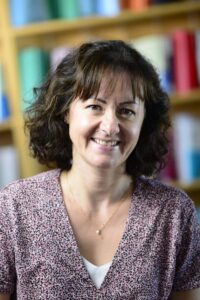
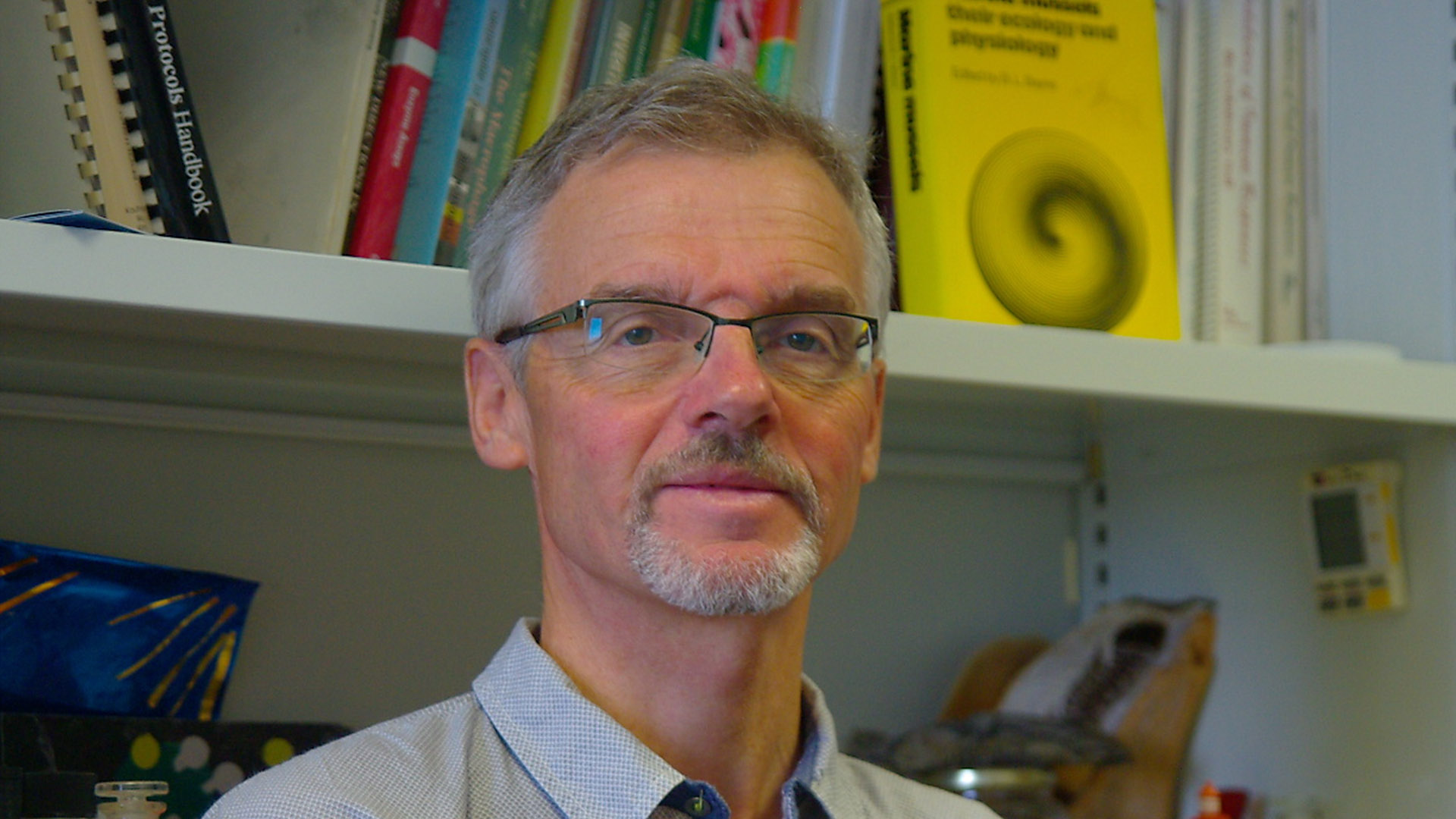
Grégory Batt is a Researcher and Head of the InBio joint research group at the Institut Pasteur and Inria Paris. The lab operates at the intersection of wet and dry biology, focusing on systems and synthetic biology with an emphasis on automation, modeling, and real-time control of cellular processes. The team is affiliated with both institutions and hosts a multidisciplinary group of researchers, engineers, and students. The research interests of Grégory Batt span systems biology, synthetic biology, quantitative modeling, lab automation, bioproduction, and single-cell analysis . His work integrates computational and experimental approaches to develop frameworks for understanding and controlling cellular behavior. Key methodologies include the use of synthetic biology, microfluidics, optogenetics, and robotics. The lab has developed innovative software tools such as ReacSight and MicroMator to enable automated and reactive experimentation. Recent publications highlight trends in real-time control of bioproduction, optimization of protein secretion, parameter inference in stochastic models, and ecological frameworks for antibiotic resistance . These works demonstrate a strong focus on integrating modeling with high-throughput experimentation to solve problems in biotechnology and medicine. Scientific contributions include: Development of ReacSight for bioreactor automation and reactive control Creation of MicroMator for reactive microscopy Application of ecological concepts to bacterial antibiotic responses Modeling stochastic kinetics coupled with auxiliary processes Batt advises several PhD students and postdoctoral researchers, including Henri Galez, Alicia Da Silva, Cecilia Capela, and Viktoriia Gross. His lab has received support from ANR, Inria, and other funding bodies. The InBio team operates a state-of-the-art laboratory equipped with bioreactors, liquid handling robots, flow cytometers, automated microscopes, and high-performance computing resources, enabling advanced research at both population and single-cell levels. The lab, located at the Yersin and Lwoff buildings of the Institut Pasteur in Paris, fosters a collaborative environment integrating molecular biology, microbiology, and computational modeling to advance quantitative understanding of cellular systems.