معرفی
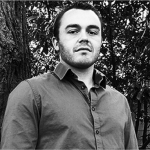
Bernd Jagla is a Bioinformatics Research Scientist at the Pasteur Institute in Paris, France, where he has been working since 2009. Currently affiliated with the Bioinformatics and Biostatistics Hub (C3BI) and the Biomarker Discovery Platform, he previously held positions at Columbia University and Memorial Sloan Kettering Cancer Center in New York City.
His educational background includes a PhD in Bioinformatics from the Free University Berlin (1999), a Chemistry Diploma from Free University Berlin & Technical University Munich (1989-1995), and Computer Science studies at Free University Berlin (1990-1991).
Jagla's research focuses on bioinformatics applications for high-throughput biological data. His expertise spans single-cell RNAseq analysis, cytometry data processing, function prediction from sequence data, image analysis, mass spectrometry data analysis, and workflow management systems. He has developed several bioinformatics tools including SCHNAPPs for single-cell RNAseq analysis, KNIME extensions for Next Generation Sequencing, and Clean-ngs for adapter removal in sequencing data. His work demonstrates a strong emphasis on data quality assurance and visualization methodologies.
His scientific achievements include:
- caBIG™ Embodying the Vision Award (2007)
- DFG Fellowship of the Graduiertenkolleg (1997-1999)
Jagla actively contributes to bioinformatics training programs at Pasteur Institute, including the Bioinformatics program for PhD students financed by the INCEPTION program. He collaborates across multiple research teams and platforms, providing critical bioinformatics support for cytometry, next-generation sequencing, and microarray data analysis. His work bridges computational methods with biological applications, particularly in immunology and infectious disease research.
As a key member of the Bioinformatics and Biostatistics Hub, he supports the Human Immunology Center and contributes to technological developments in bioinformatics infrastructure at the institute, working closely with the Transcriptome and Epigenome platform and the Biomarker Discovery Platform.