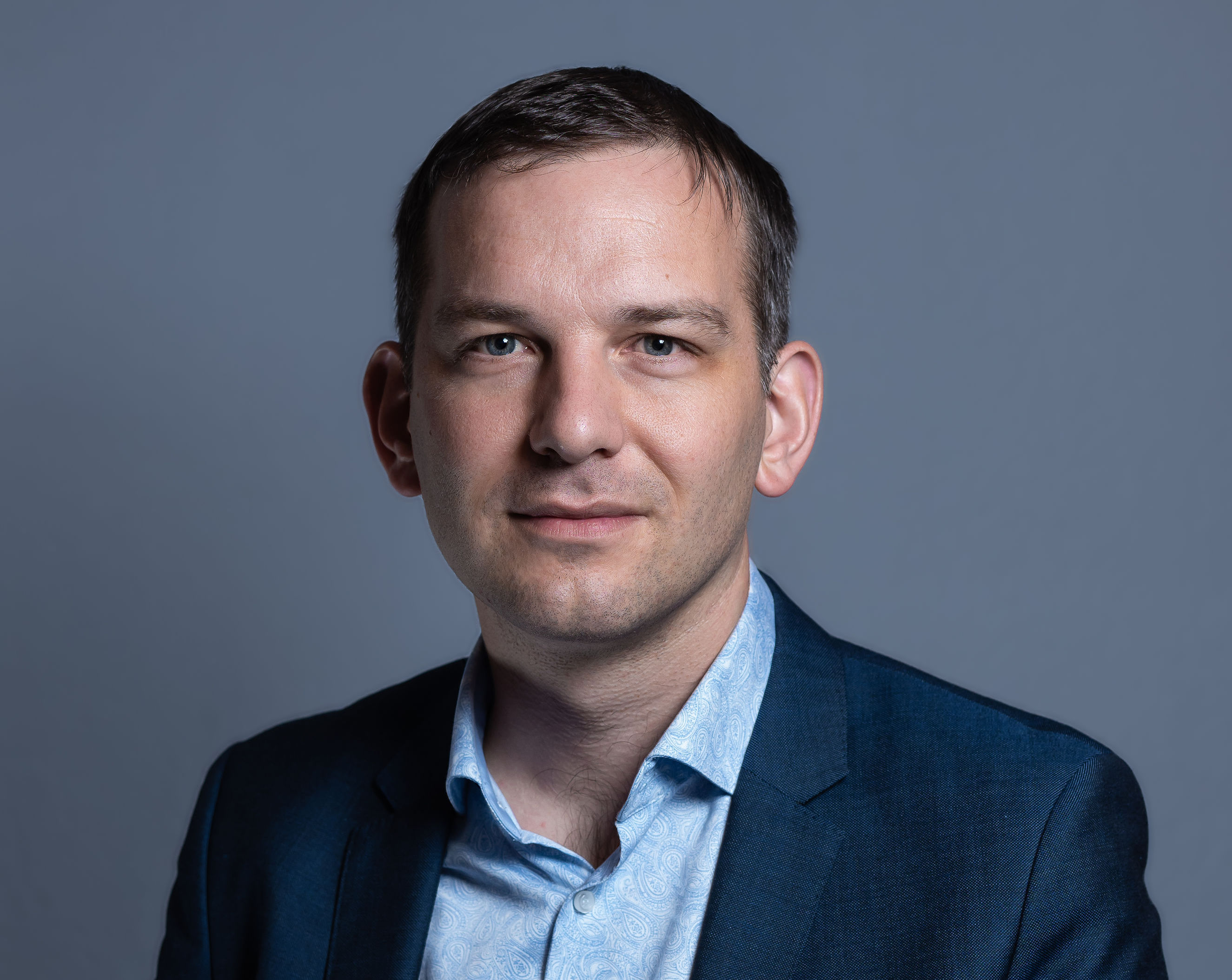
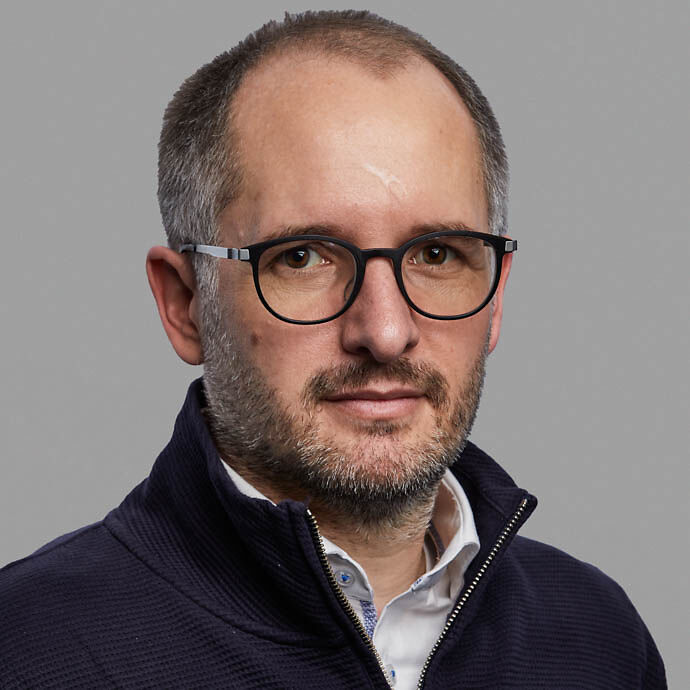
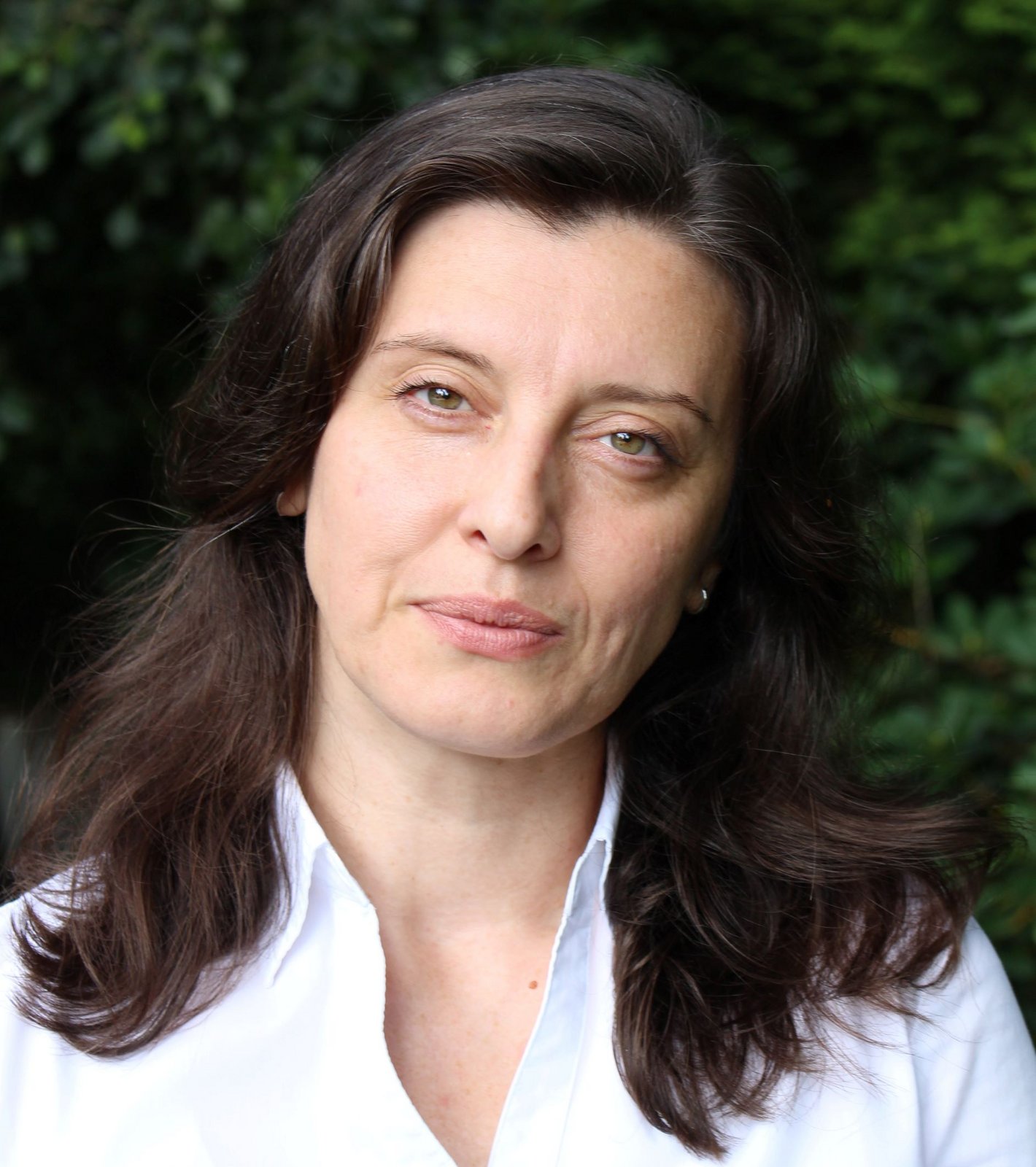
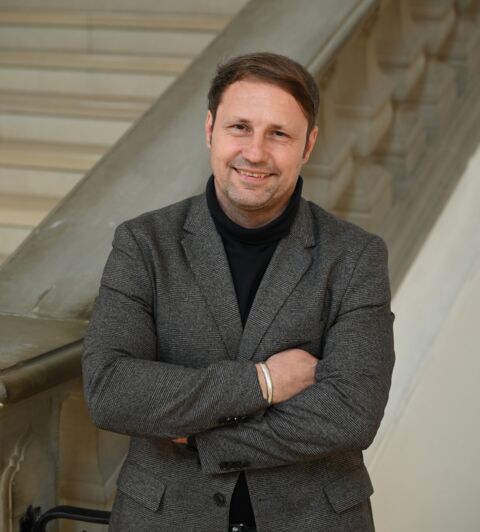
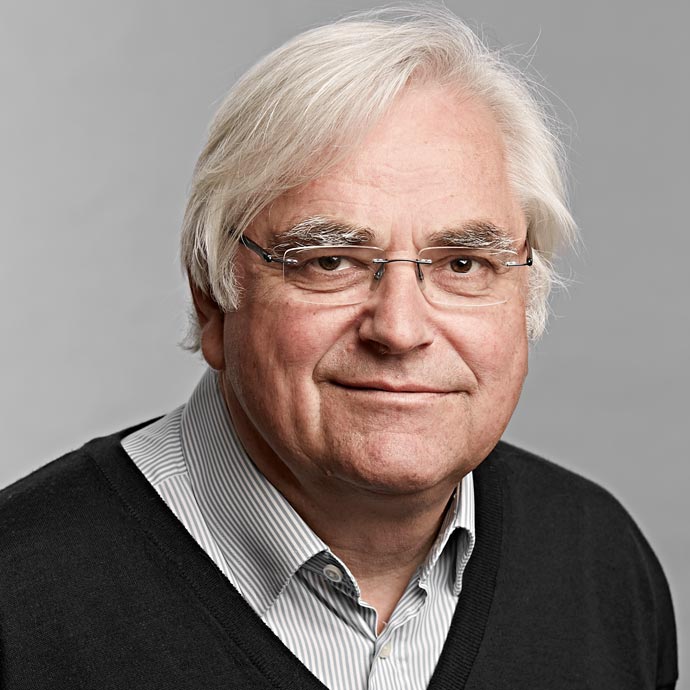
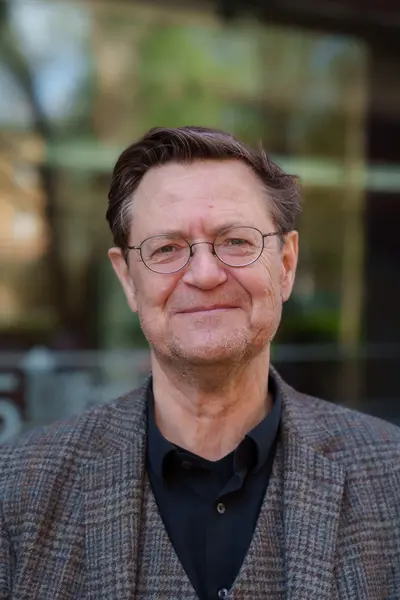
Prof. Dr. Michael Ritter ist Professor für Grundschuldidaktik Deutsch/Ästhetische Bildung an der Martin-Luther-Universität Halle/Wittenberg. Seine Arbeitsschwerpunkte umfassen Bilderbuchforschung, fachdidaktische Interaktionsstudien, politische Bildung, inklusive Deutschdidaktik und kreatives Schreiben in heterogenen Lerngruppen. Studium der Grundschulpädagogik (2001-2005) Promotion in Philosophie (2008) Juniorprofessor in Bielefeld (2012-2014) Seine Forschungsinteressen sind in der Schnittmenge von Kinder- und Jugendmedien, sprachlich-literarischem Lernen und der Entwicklung von professionellen Orientierungen von Lehrkräften. Er leitet das Archiv für Kindertexte und ist Sprecher des Netzwerks Bilderbuchforschung. Er wurde mit dem Wolgast-Preis der GEW ausgezeichnet und hat über 15 promovierte Studierende betreut, unter anderem zu Themen wie inklusivem Deutschunterricht und digitalen Lernpraxen. Seine Projekte umfassen die DFG-Graduiertenkolleg 'Fachlichkeit und Interaktionspraxis im Grundschulunterricht' und die wissenschaftliche Begleitung der Freien Schule Elbe-Havel-Land.
Prof. Dr. Pierre L. Ibisch is a Professor of Social Ecology of Forest Ecosystems at Hochschule für nachhaltige Entwicklung Eberswalde (HNEE). He serves as Founding Director of the Centre for Econics and Ecosystem Management and co-founded the Biosphere Reserves Institute. His work integrates ecological, social, and ethical dimensions of forest conservation. Current academic affiliation: HNEE (since 2024) Previous roles: Professor for Nature Conservation (2004-2024), Research Professorships (2009-2024) Research Focus: Ecosystem-based sustainable development, adaptive vulnerability management, and econics. He emphasizes transdisciplinary approaches to forest conservation and climate protection. Scientific Contributions: Recent publications analyze post-fire forest recovery, climate change impacts on forests, road infrastructure effects, and policy implementation challenges. His work demonstrates systemic understanding of forest ecosystems through empirical and conceptual studies. Notable 2025 studies: Post-fire regeneration dynamics, EU restoration policy implementation, roadless area conservation Awards & Memberships: Advisory Board Member, German Federal Ministry for the Environment (2024) Founding Program Director, B.Sc. Social-Ecological Forest Management Board member of multiple conservation organizations
Prof. Dr. Andrea C. Schmid ist Inhaberin des Lehrstuhls für Inklusive Unterrichtsforschung mit Schwerpunkt Lernen an der Faculty of Education der Universität Erfurt. Sie ist Mitglied des Universitätsrats, Forschungsfellow am Max-Weber-Kolleg für interdisziplinäre Grundlagenforschung, sowie Leiterin des Fröbel-Forschungszentrums. Ihre akademischen Tätigkeiten umfassen die Leitung des Masterstudiengangs Fö (Gesundheitsmanagement in der Sonderpädagogik) und die Mitwirkung in diversen Forschungsgruppen, Ausschüssen und als Gutachterin. Vorsitzende des Internationalen Fröbel-Gesellschaft (IFS-D) Vizepräsidentin der Internationalen Fröbel-Gesellschaft (IFS) Mitglied der Deutschen Gesellschaft für Erziehungswissenschaft (DGfE) Ihre Forschungsschwerpunkte liegen in der inklusive Schulentwicklung , Fröbelpädagogik in inklusiven Kontexten , Gesundheitsforschung in der Sonderpädagogik , individuelle Lernförderung sowie beratende Pädagogik . Die Publikationen der letzten Jahre spiegeln diese Interessen wider, mit Fokus auf Fröbel's Erbe, Resonanzpädagogik, Gesundheitsdidaktik und Peer-Beratung in der Sonderpädagogik. Ihre aktuellen Projekte umfassen die Entwicklung von Konzepten zur gesundheitsfördernden Inklusion , die Erforschung ästhetischer und rationaler Aspekte in der Sonderpädagogik, sowie die empirische Analyse von Behinderungskonzepten in der Lehrerbildung. Prof. Schmid engagiert sich auch in der internationalen Diskussion zu Sonderpädagogik-Standards im Rahmen der UN-Behindertenrechtskonvention.
Tilman Kühn is a Lecturer at the Department of Nutritional Sciences, University of Vienna. He actively engages in teaching courses such as Epidemiologische Grundlagen als Basis für die Entwicklung von Public Health Strategien (VO, 6 ECTS) and Wissenschaftliches Schreiben - Bachelorarbeit (SE, 10 ECTS), catering to both Bachelor and Master students in Nutritional Sciences. Contact: Email: tilman.kuehn@univie.ac.at | Phone: +43-1-4277-54979 His research interests focus on foundational aspects of public health nutrition, epidemiological principles, and scientific methods in nutritional science. He contributes to curriculum development and student mentorship in public health strategies and academic writing.
Carlo Schmidt serves as a Research Fellow at the Department of Pedagogy within the Institute of Educational Science at the University of Stuttgart, a position held since 2023 on a part-time (50%) basis. Concurrently, he works as a school teacher (50% since 2023) and has lectured at the University of Stuttgart and PH-Ludwigsburg since 2021. His academic credentials include a PhD (Dr. phil.) awarded in 2024 following First and Second State Examinations in 2018 and 2020. His research centers on the dynamic interplay between educational institutions and society, employing discourse analysis to examine: Logics of educational and public discourses Structural issues of justice and equality in schooling Educational policy formation and implementation Media representation and digital transformation in educational contexts Analysis of his 2021-2025 publications reveals consistent thematic focus on societal dimensions of education, particularly during the pandemic era. His work bridges theoretical frameworks like systems theory with contemporary challenges including AI integration in curricula, diversity policy implementation, and media's role in shaping educational debates, culminating in a 2024 monograph analyzing discursive formations of educational justice. Dr. Schmidt actively supervises master's theses at the University of Stuttgart, with appointments currently open for the winter semester 2026/2027 examination period.
Prof. Dr. habil. Werner Rieß is a faculty member at Pädagogische Hochschule Freiburg (PH Freiburg), holding the W3 Professorship for Biology and its Didactics. He leads the Institute of Biology and the Research Center for Climate Change Education and Education for Sustainable Development (ReCCE). His work focuses on Education for Sustainable Development (ESD), systems thinking, and teacher training, with a strong emphasis on empirical research in biology didactics, climate literacy, and evidence-based instructional methods. He collaborates extensively with interdisciplinary teams across Germany and internationally. Research Interests: ESD, systems thinking, diagnostic teaching, climate change education, and multimedia learning. Projects: ProBiKlima, TEVI, BUGEN, SysThema, and DFG-funded initiatives. Editorial Roles: Member of the editorial board of Sustainability and the scientific advisory board of the journal für Naturschutz, Pflege der Kulturlandschaft und Nachhaltige Entwicklung . Memberships: VBio, KeBU, Waldhaus Freiburg, Naturparkschule Hochschwarzwald. His recent publications highlight the effectiveness of climate change education, systems thinking in elementary schooling, and instructional design principles for teacher training. He mentors PhD candidates and has contributed to numerous empirical studies on sustainability competencies and teacher development.
Esther Merget ist Lecturer an der Pädagogischen Hochschule Schwäbisch Gmünd, mit Schwerpunkten in Educational Psychology und Quantitative Research Methods . Sie forscht zur Entwicklung des kindlichen Selbstkonzepts in Kita- und Familienkontexten und leitet Projekte wie Ich bin Ich 2.0 und Ich bin Ich 3.0 . Educational Psychology Developmental Psychology Quantitative Methods Early Childhood Education Inclusive Education Ihre Forschung kombiniert psychometrische Analysen, wie im SKF-Fragebogen , mit praktischen Interventionen zur Förderung von Selbstkonzepten. Sie verwendet SPSS und STATA für Datenanalyse und lehrt Scientific Writing sowie Quantitative Methods . Ihre Publikationen thematisieren Elternintegration , Philosophical Pedagogy , und Mindfulness Practices in Kitas. Sie promoviert seit 2018 zur Self-Concept Development .
Michael Besser is a full professor at Leuphana University of Lüneburg , holding the Professorship for Empirical Educational Research in Mathematics Didactics . His role involves leading and collaborating on major research initiatives, teaching, and supervising projects at the intersection of mathematics education, empirical research, and teacher professional development. His research focuses on mathematics didactics , empirical educational research , and teacher education , with particular emphasis on formative assessment, inclusive teaching practices, digital learning, and sustainable development education. He is actively involved in developing and evaluating large-scale teacher training programs and assessment tools. Michael Besser has received the „Nationale Auszeichnung – Bildung für nachhaltige Entwicklung“ , a national award recognizing his outstanding contributions to education for sustainable development. He has led or co-led more than 15 funded projects, including the Federal Ministry of Education and Research initiatives CODIP (Competences for Digital-Enhanced Individualized Practice), LERN-IF (Learning process diagnostics and learning supportive performance feedback in inclusive subject teaching), and ZZL Network 2.0 (Theory-Practice Interlocking in Teacher Training). His work bridges theoretical insights with practical applications, aiming to enhance the quality of mathematics teaching and teacher education in Germany and internationally.
Edita Jung is a Professor of Pedagogy with a focus on education and upbringing at the Department of Social Work and Health, Emden/Leer University of Applied Sciences. She has been a faculty member since January 2014 and previously served as the administrator of the Chair of Social Work/Social Pedagogy from April 2009 to December 2013. She holds a doctorate in Philosophy from the University of Hildesheim (2012) and leads the Bachelor’s program in Childhood Education. University: Emden/Leer University of Applied Sciences School: Department of Social Work and Health Department: Childhood Education Academic Rank: Professor Started as Professor: January 2014 Her research interests include early childhood education, inclusive pedagogy, collaboration with parents in daycare centers, transitions in childhood institutions, university didactics in training early childhood educators, and the use of open-ended materials in nursery education. She emphasizes social space orientation, networking in educational institutions, and professional development of early childhood educators. The most recent publications reflect a strong focus on university teaching workshops (FrühWerk), biographical reflection in teacher training, inclusive education, and qualitative research methods. Themes across her work include professionalization, collaboration between practice and science, and the integration of research into pedagogical training. Member, Kommission Pädagogik der frühen Kindheit, DGfE (since 2013) Speaker, nifbe-Regionalbeirat NordWest (since 2016) Curatorium member, Niedersächsisches Institut für frühkindliche Bildung und Entwicklung (nifbe) (since 2016) Co-editor, KiTa aktuell ND (since 2023) Member, Sprecher*innenrat, Studiengangstag Pädagogik der Kindheit (since 2022) Edita Jung has supervised multiple research and teaching projects, often in collaboration with students and external partners such as nifbe and the Historisch-Ökologische Bildungsstätte Emsland. Her projects are frequently funded by the State of Lower Saxony and the European Social Fund. She actively contributes to curriculum development and institutional evaluation, particularly in early childhood education programs. She is involved in the Early Childhood Education Workshop (FrühWerk), a university-based initiative that integrates practical and academic learning. She also contributes to the Pedagogical Network for Early Childhood Education in Northwest Lower Saxony and participates in national and regional advisory boards related to early childhood education policy and professional development.
Andreas Sommer is a Professor of History Education and director of the Center for Regional Research at Weingarten University of Education since 2025. He specializes in the didactic potential of historical films, macrohistory, and Anthropocene challenges in history teaching. Habilitation (2024): "Denken in großen Bildern" PhD in History Education (PH Weingarten, 2007-2010) Professor of History Education (PH Weingarten, 2025–present) Guest Professor at Universität Passau (2023) and Universität Augsburg (2023) His research spans history education , Anthropocene pedagogy , environmental history , and qualitative impact studies . He focuses on macrohistorical learning units, Holocaust education, and sustainability in curricula. The articles highlight his expertise in Anthropocene education (2025), historical film reception (2013), and global history integration (2016). Subfields include transformative learning, media literacy, and sustainability frameworks. Co-editor of "Kohlhammer Forschungsreihe Geschichtsdidaktik" (2025) Public speaker on Anthropocene (2023), Holocaust education (2025), and environmental history (2024) Antidiscrimination representative (2020–present) and coordinator of regional research projects
Prof. Dr. Gerd Michelsen is a leading academic at Leuphana University of Lüneburg , specializing in Sustainability Sciences , Education for Sustainable Development (ESD) , and Transdisciplinary Studies . With over 182 publications and 67 projects, he focuses on integrating sustainability into higher education frameworks and policy. Key Contributions: Developed interdisciplinary climate change education programs, founded the UNESCO Chair for Higher Education for Sustainable Development, and pioneered curriculum reforms like the Leuphana Bachelor program. Research Trends : His recent articles emphasize transdisciplinary methodologies, SDG implementation in universities, and leveraging digital tools for sustainability education. Themes include climate change education, institutional transformation, and global South-North collaborations. Scientific Awards : Best Fundraiser of the Year (2008, 2009, 2010) at Leuphana University Grants & Projects : Led initiatives like ConSus (Science-Society Collaboration) and CONSUS - Connecting Science-Society Collaborations for Sustainable Innovations. Notably contributed to the UN Decade of Education for Sustainable Development.
Prof. Dr. Ulrich Schulz ist Professor für Zoologie und Angewandte Tierökologie an der Hochschule für nachhaltige Entwicklung Eberswalde (HNEE) . Seine Arbeitsschwerpunkte umfassen Biodiversität, Nachhaltigkeit, Ornithologie, Bienenhaltung und Entomologie, mit einem besonderen Fokus auf Landnutzung, Naturschutz und die Beziehung zwischen Mensch/Kunst und Tier/Natur. Er leitet den Lehr- und Forschungsbienenstand der HNEE und ist Vorsitzender von "Quetzal e.V.". Lehrgebiete: Zoologie, Tierökologie, Ökologische Bienenhaltung, Wissenschaftsgeschichte Forschungsschwerpunkte: Biodiversität, Nachhaltigkeit, Ornithologie, Angewandte Tierökologie Seine Forschung umfasst Studien zur digitalen Lehre in ökologischen Wissenschaften, Biodiversitätsanalyse in tropischen und regionalen Ökosystemen sowie kulturhistorische Untersuchungen zum Quetzal als Symbol der Nachhaltigkeit. Erhielt den Brandenburgischen Lehrpreis (1999) und den Thurn und Taxis Forschungspreis (1997) . Aktiv in wissenschaftlichen Gremien wie der Bibliothekskommission der HNEE und als Gutachter für diverse Institutionen.
Matthias Barth is a full professor at Leuphana University of Lüneburg , Germany, specializing in Sustainability Education , Didactics of Elementary Social Studies and Science , and Empirical Education Research . His work bridges Sustainability Science and Educational Science , focusing on institutional transformation, curriculum design, and teacher education for sustainable development. Key Research Areas Education for Sustainable Development (ESD) Transdisciplinary Learning Sustainability Competencies Curriculum Innovation Recent Publications 2023: Co-edited Bildung für nachhaltige Entwicklung in der Hochschule , analyzing Leuphana University's sustainability initiatives. 2023: Transdisciplinary learning as a key leverage for sustainability transformations in Current Opinion in Environmental Sustainability . 2022: Systematic reviews on Teacher Education for Sustainable Development and ESD-specific professional action competence . Scientific Awards Sustainability Science Best Paper Award (2023) Leuphana Monographiepreis (2016) Projects "Sustainability and Digitalization - a European perspective" (2023) "Educating those most at risk and hardest to reach: Actionable Sustainability Education Across the Pacific" (2023) International Collaborations Coordinated faculty development programs at Universidad Técnica del Norte, Ecuador (2016) Co-edited Routledge Handbook of Higher Education for Sustainable Development (2016)
Dr. Isabelle Heinisch ist eine akademische Mitarbeiterin in der Abteilung Biologie an der Pädagogische Hochschule Schwäbisch Gmünd . Mit umfassender Erfahrung in Hochschuldidaktik und biomedizinischer Forschung verbindet sie ihre Expertise in der Entwicklung qualitativer und quantitativer Evaluationsinstrumente in der Biologiedidaktik. Sie ist seit April 2022 an der Pädagogischen Hochschule tätig und führte zuvor Projekte zur biodiversitätsbezogenen Kommunikation sowie in der Hochschuldidaktik durch. Gentechnik Humanbiologie Biologiedidaktik Hochschuldidaktik Evaluationsmethoden Allergie- und Asthmaforschung Ihre Forschungsschwerpunkte umfassen die Entwicklung von Evaluationsinstrumenten in der Biologiedidaktik, mit besonderem Fokus auf kompetenz- und outcome-orientierte Lehrmethoden. In der Biomedizin untersuchte sie die Regulation von Apoptose durch CD137-Rezeptoren sowie deren Rolle bei allergischen Erkrankungen. Aktuelle Arbeiten befassen sich mit biodiversitätsfördernden Maßnahmen im Obstbau. Die 15 wichtigsten Publikationen zeigen eine Entwicklung von grundlegenden biomedizinischen Arbeiten (2000-2002) über hochschuldidaktische Projekte (2012-2016) bis hin zu angewandten Agrarwissenschaften (2021). Die Arbeiten decken Themen von Apoptosemechanismen über Lehrmethoden bis zu nachhaltiger Landwirtschaft ab. Ihre akademische Laufbahn umfasst Tätigkeiten an renommierten Institutionen wie der University of Edinburgh und dem Schweizer Institut für Allergie- und Asthmaforschung. Sie betreute Bachelorarbeiten zu Themen wie ergotherapeutischen Schulungen älterer Menschen und der interprofessionellen Zusammenarbeit in Krankenhäusern.
Herr Henriette Hoppe ist Senior Lecturer im Fachbereich Germanistik an der Pedagogical University of Schwäbisch Gmünd. Sie ist seit 2022 in dieser Position tätig und war zuvor von 2009–2022 als abgeordnete Lehrerin an der gleichen Institution beschäftigt. Ihr akademischer Werdegang umfasst ein Germanistik- und Romanistik-Studium an der Freien Universität Berlin (1991–1997), ein Referendariat in Saarbrücken (1997–1999), sowie wissenschaftliche Tätigkeiten an der Goethe-Universität Frankfurt am Main (2000–2006) und Schuleinsätze als Gymnasiallehrerin (2004–2009). Schwerpunkte: Theorie und Praxis des Literaturunterrichts Literarisches Schreiben Einsatz digitaler Medien im Literaturunterricht Medienadaptionen in der Kinder- und Jugendliteratur Kritische Auseinandersetzung mit Identitätskonstruktionen Entwicklung multimodaler Literacy-Kompetenzen Aktuelle Projekte: Kinderkinofestival Kikife (Konzeption und Leitung der Kinderjury) Campusredaktion CrossMedia (digitale Medienpraxis) Profun.Dig (Videoproduktion im Deutschunterricht) Publikationen: Fokussieren auf narrative Strukturen in Kinder- und Jugendliteratur, medienübergreifende Lehrmaterialanalyse, digitale Diagnosemethoden und gender-spezifische Figurenkonstruktionen. Die Arbeiten decken von Schulbuchgestaltung bis audiovisuelle Lehrstrategien ein breites Spektrum der literaturdidaktischen Forschung ab.