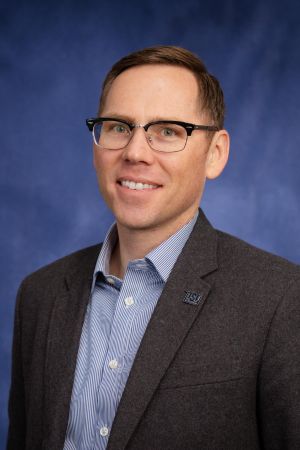
Martin Gustafsson is Professor and Chair of Philosophy at Åbo Akademi University, affiliated with the Faculty of Arts, Psychology and Theology, and the Department of Culture, History and Philosophy. He has held this position since 2010 and continues to be an active researcher, teacher, and supervisor. His research focuses on the interplay between the Philosophy of Language and the Philosophy of Action, particularly how these are embedded in human life. Influenced by Elizabeth Anscombe, Stanley Cavell, and Ludwig Wittgenstein, his work spans the history of analytic philosophy, philosophical methodology, and the philosophy of logic. He has led significant research projects funded by the Academy of Finland, the Swedish Central Bank's Tercentenary Foundation, and the Swedish Research Council. His recent publications reflect deep engagement with thinkers like Frege, Weierstrass, Kant, and Quine, exploring themes such as the paradox of analysis, aesthetic judgment, and the role of passivity in action. His research output is extensive and consistently contributes to core debates in analytic philosophy. Letterstedt Translation Award (2022), Swedish Royal Academy of Sciences He currently supervises six PhD students and organizes advanced research seminars. His teaching includes epistemology, logic, Kant, Frege, and Quine, as well as interdisciplinary courses on AI and surveillance. He also leads the BA program in Culture, History and Philosophy since 2017. Gustafsson co-translated Wittgenstein’s Philosophische Untersuchungen into Swedish, a contribution recognized internationally. His ongoing book projects continue to push boundaries in understanding analysis and human agency.
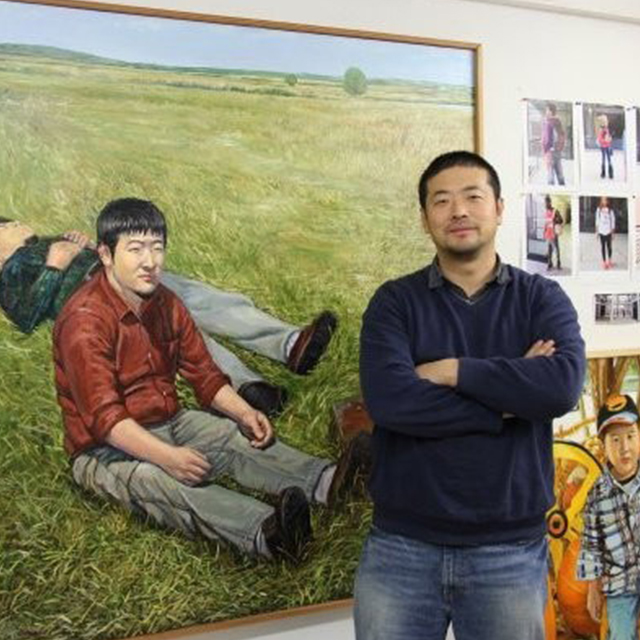
Nan Liu is a Professor at Florida A&M University (FAMU) since 2020, with prior academic ranks including Associate Professor (2014-2020), Assistant Professor (2010-2014), and Visiting Assistant Professor (2007-2010). He holds a Ph.D. and MFA from Florida State University , MA in Art Education from University of Arkansas at Little Rock and Capital Normal University , and BFA in Chinese Painting from Nan Kai University . Research Interests focus on cross-cultural art education, Chinese brush painting adaptation in the US, and figurative/landscape art pedagogy. His work bridges Eastern traditional techniques with Western contemporary practices, emphasizing natural expression and cultural synthesis. Exhibitions include 21 solo shows and 128 group exhibitions across the US and China, with awards from Sumi-e Society of America, St. Augustine Art Association, and Gadsden Arts Center. Scientific Awards include: Best of Show Calligraphy, Sumi-e Society (2023) Teacher of the Year, FAMU (2021-2022) Founder’s Award for Painting, Sumi-e Society (2022) Multiple regional competition awards Publications encompass translated textbooks and original research on US-China art education comparison. Grants include FAMU Faculty Research Awards and travel grants for academic presentations.
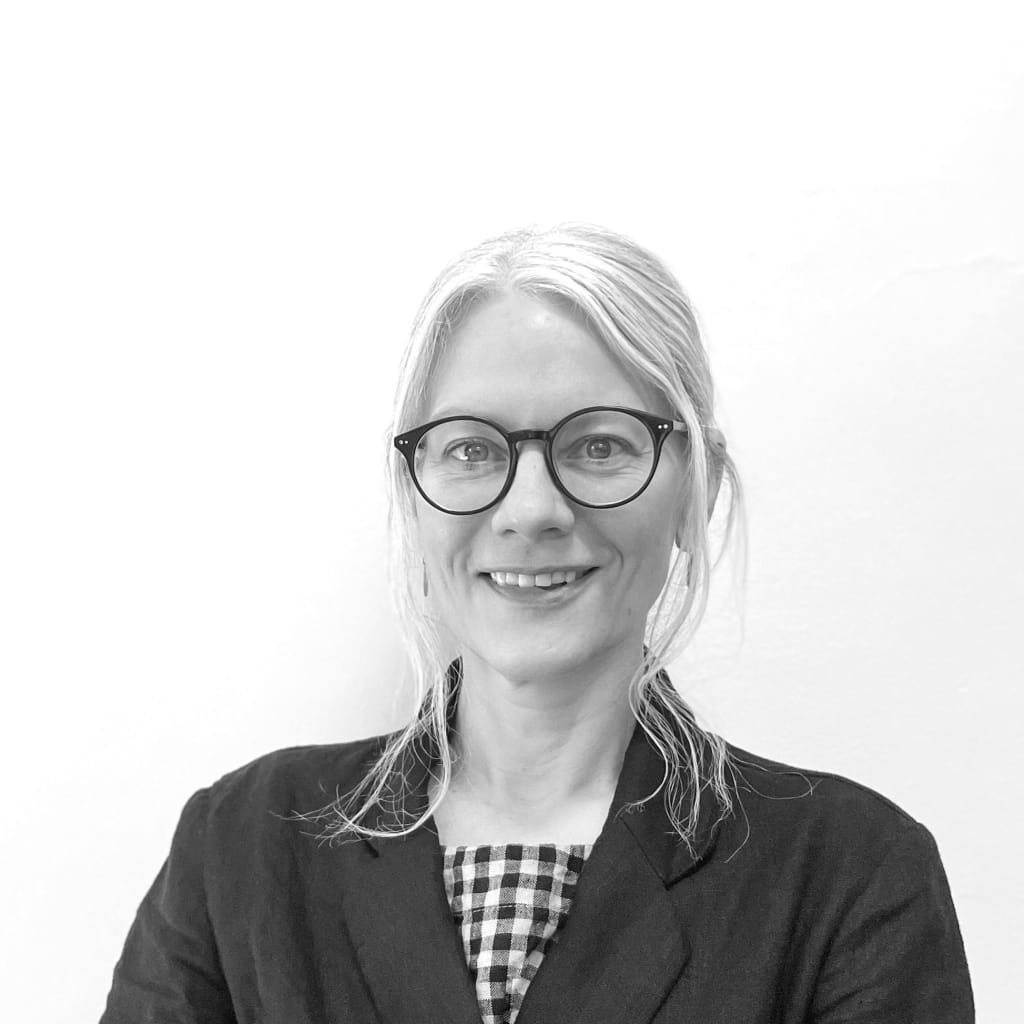
Prof. Dr. Bettina Glunde is a faculty member at the Frankfurt University of Applied Sciences , Department 4: Social Work & Health. She specializes in healthcare education, vocational pedagogy, and aging-related care innovations. Her work emphasizes interdisciplinary collaboration, qualitative research, and technology integration in nursing education. Current research focuses on interdisciplinary housing counseling (ProWoB project) and robot-assisted elder care (Pepper robot study). She leads international educational initiatives like the Erasmus Winterschool and Summerschool programs. Her publications span topics including project management in PhD research , interprofessional curricula , and media competency for migrants . She is affiliated with academic organizations such as the German Society for Nursing Science and the German Society for Pedagogy .
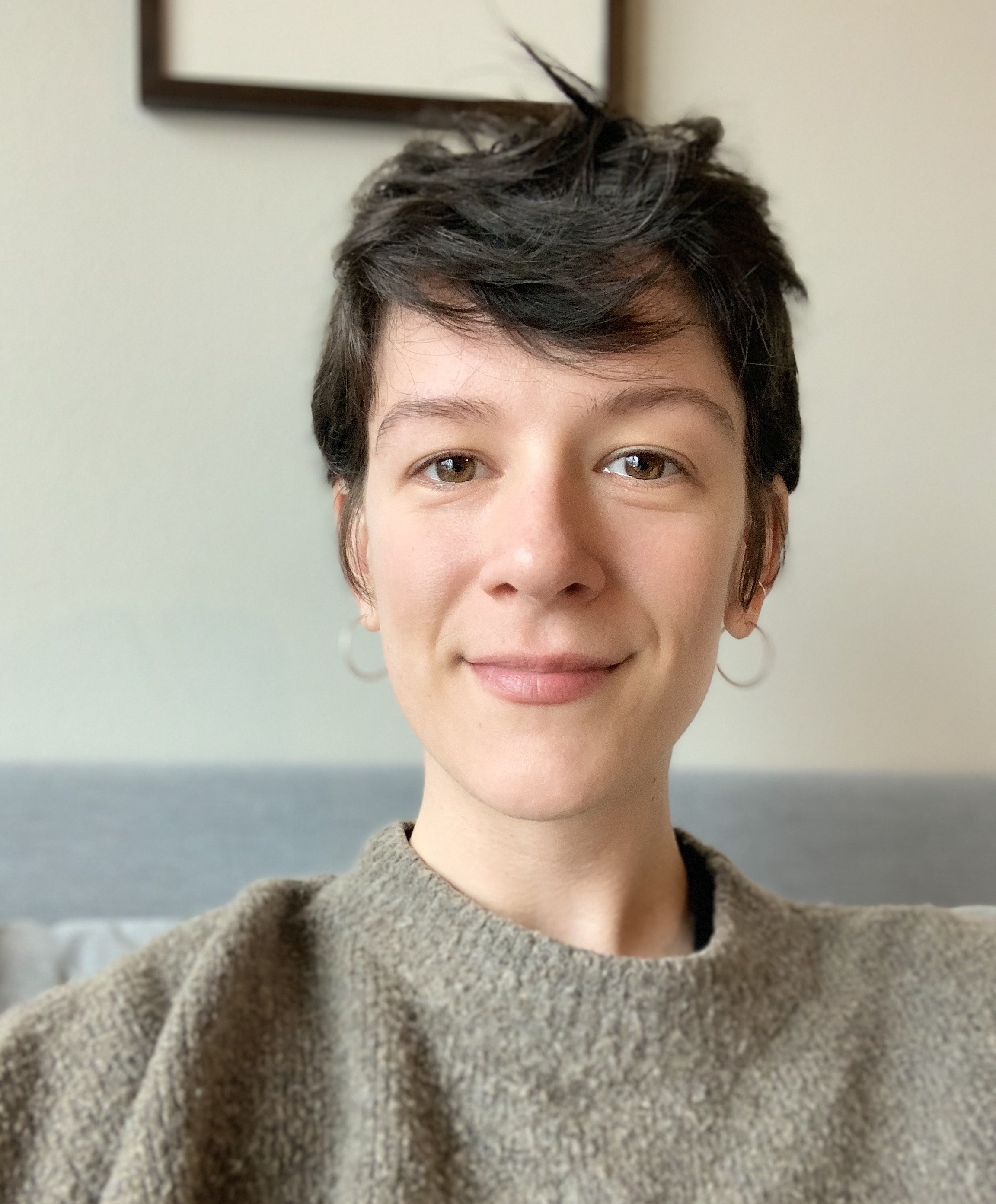
Eui-kyung Shin is a Professor in the Department of Curriculum and Instruction at Northern Illinois University’s College of Education. Her work centers on social studies education, particularly geographic thinking and the integration of geospatial technologies in K–12 classrooms. Her research interests include: Geographic thinking and spatial reasoning Integration of GIS and tablet apps in education Global perspectives in curriculum Teacher professional development Learning progressions in geography Elementary and secondary social studies instruction Dr. Shin’s recent publications and presentations highlight a strong focus on spatial skills, curriculum standards, and the role of technology in enhancing geographic education. Her work bridges cognitive development with innovative pedagogy, emphasizing the importance of geospatial literacy in modern classrooms. Notable scientific awards and recognitions include: Journal of Geography Award (2017) Dissertation Award, 1st Place, National Council for Geography Education (2004) Exceptional Contributions to Scholarly and Creative Activity Award, NIU College of Education (2008) Editorial Board, Journal of Geography (2011–present) Book Review Editor, Journal of Geography (2015–2016) Member, Road Map for Geography Education Project, National Geographic Society (2010–2012) She has advised various research initiatives and contributed to national educational projects. Dr. Shin has taught courses such as TLEE 342 (Teaching of Social Studies in Elementary School), TLCI 737 (Design of Instructional Models), and TLCI 762 (Seminar in Secondary Education). She is actively engaged in scholarly work and continues to influence geography and social studies education through research, service, and leadership.
Daniel Wojcik is a Professor in the Department of English and Folklore Program at the University of Oregon , where he teaches courses on Apocalypse Now and Then , Folklore and the Supernatural , and Visionary Experiences . Holding a PhD from UCLA , his work bridges art, religion, and cultural theory with particular focus on outsider art , apocalyptic movements , and vernacular spiritualities . Education: PhD, University of California, Los Angeles Key Research Areas: Visionary art and art brut Modern mythologies and alternative religions Apocalyptic beliefs and millenarian movements Urban ethnology and cultural theory Trauma, grief, and creativity Notable Awards: Fulbright Scholar (2023) Fellow of American Folklore Society (2023) Coleman-Guitteau Professorship (2014-2015) His publications analyze intersections of creativity and crisis , including Outsider Art: Visionary Worlds and Trauma (2016) and The End of the World As We Know It (2003). Recent projects document magico-religious re-enchantment in Central/Eastern Europe and UFO cosmologies . As advisor to the Folklore and Public Culture Program , he mentors students in ethnographic research and public folklore applications. Article Trends show consistent exploration of apocalyptic themes (2003-2025), outsider art analysis (2016-2025), and vernacular spirituality (1996-2021). His work connects trauma studies with artistic expression while mapping millenarian belief systems across religious and pop culture contexts. Teaching Legacy includes courses on Folklore theory , Religion and folklore , and Subcultures . He has directed fieldwork projects and public folklore initiatives at the Randall V. Mills Archives and Oregon Folklife Network.
Kathleen Gallagher is a Professor at the University of Toronto's Ontario Institute for Studies in Education. She directs the Centre for Drama, Theatre and Performance Studies and leads the SSHRC-funded Global Youth (Digital) Citizen-Artists project, focusing on youth-led theatre for socio-ecological justice. Her research bridges theatre, youth studies, and climate education, emphasizing ethnographic and community-engaged methodologies. She has authored monographs like Hope in a Collapsing World and co-edited collections on radical hope and climate crisis narratives. 2023 American Alliance for Theatre and Education Distinguished Book Award 2018 David E. Hunt Award for Graduate Teaching 2017 University of Toronto President’s Impact Award Recent publications explore speculative fiction, climate justice, and decolonizing performance, with keywords spanning theatre pedagogy, intergenerational dialogue, and digital-physical hybrid methods. Her work consistently prioritizes youth agency and ethical relationality in global urban contexts.
Maria Sanchez-Ortiz is a Senior Lecturer in Translation and Interpreting Studies at the School of Language, Literature, Music and Visual Culture (LLMVC), University of Aberdeen, where she has been actively contributing since 2016. She serves as Programme Director for both the on-campus and distance learning MSc in Translation Studies and co-directs the Centre for Multilingual Research. She previously directed the Centre for Translation and Interpreting Studies from 2020 to 2023 and coordinated the undergraduate programme in Modern Languages and Translation from 2017 to 2020. Her educational background is extensive and interdisciplinary: PhD in Translation Studies, University of Bradford (2006) MSc in Dubbing, Subtitling & Localization, Instituto Superior de Estudios Lingüísticos y Traducción, Spain (2019) Postgraduate Certificate in Academic Practice, University of Salford (2015) Diploma in Audiovisual Translation, Universidad de Educación a Distancia, Spain (2014) Diploma in Public Service Interpreting, CIoL (2007) MA in European Studies, University of Bradford (1994) Diploma in Spanish with Translation and Interpreting, CIoL (1992) BA in English Language and Literature, University of Granada, Spain (1989) Maria's research focuses on Translation and Interpreting Studies, with particular emphasis on literary translation, audiovisual translation, translator training, sociolinguistics, dialect translation, and the impact of AI on translation professions. She has supervised multiple PhD students to completion and actively welcomes new doctoral candidates in Spanish and Latin American Studies. Her work consistently bridges theory and practice, with a strong pedagogical orientation. Her 15 most recent publications span from 1996 to 2024, reflecting a sustained engagement with core issues in translation. The articles reveal a deep interest in the pragmatics, ethics, and cultural dimensions of translation, particularly in literary and dialectal contexts. A recurring theme is the translator's agency and the challenges of preserving stylistic and sociolinguistic nuances. More recently, her work has addressed gender, multiculturalism, and the evolving role of technology in translation. She has received numerous teaching accolades, including: Awarded 'Best Undergraduate Lecturer', University of Aberdeen (2024–2025) Awarded 'Funniest Lecturer', University of Aberdeen (2023–2024) Awarded 'Best Taught Postgraduate Lecturer', University of Aberdeen (2018–2019) Nominated for 'The Most Inspiring Lecturer' (2019–2020) and Excellence in Teaching awards Maria Sanchez-Ortiz is an active supervisor, mentor, and curriculum developer. She has served as an external examiner for MA and BA programmes at several UK universities, including Manchester, Open University, Portsmouth, Durham, and Bath. She is a Fellow of the UK Higher Education Academy (since 2015) and a member of key professional bodies such as the Institute of Translation and Interpreting (ITI) and the International Association for Translation and Intercultural Studies. She also contributes to academic journals as a member of editorial and advisory boards. She leads and co-directs major research centres at Aberdeen, fostering interdisciplinary collaboration and innovation in multilingual research. Her leadership in the European Graduate Placement Scheme and membership in the PACTE Research Group highlight her commitment to international cooperation and empirical research in translation competence.
Caleb Madden serves as a Research Student Lecturer at the University of Brighton's School of Art and Media within the Creative Sound and Music Research Excellence Group, concurrently completing a practice-based PhD. His interdisciplinary work bridges critical theory, philosophy, and contemporary art practices including performance, installation, and film. His educational background features: MA Fine Art from the University of Brighton (awarded October 2016) Madden's research centers on critical noise theory and the political agency of contemporary art, examining how sound and digital technologies interrogate control societies and temporal structures. He investigates hauntological dimensions of the virtual, sonic fictions, and ritualistic elements in digital spaces, often through collaborative artistic interventions that challenge modern subjectivity and online individualization. His methods integrate theoretical frameworks with tangible art production to expose ideological underpinnings of technological systems. Analysis of his 2019-2023 outputs reveals a cohesive trajectory exploring digital-physical interfaces, with recurring motifs of parrhesia (frank speech), inhuman agency, and spectral aesthetics. Works frequently manifest as radio broadcasts, digital artefacts, and exhibitions that dissect control mechanisms through sound-based political commentary and virtual hauntologies. As an active contributor to academic discourse, Madden has presented invited talks including 'How do we Keep It Joyous?' (April 2024) and 'A Utopia Briefly Made Real' (September 2023), alongside workshop participation in AUDINT - Unsound:Undead (January 2020). His external role as Visiting Lecturer at the Royal College of Art since 2019 extends his influence beyond Brighton. Embedded in the Creative Sound and Music Research Excellence Group, Madden collaborates on projects examining the intersection of sonic practices and socio-political critique, particularly through the group's focus on digital art's capacity to generate alternative temporalities and counter-hegemonic narratives.
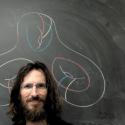
David Gay is a Professor and Director of Graduate Studies in the Department of Mathematics at the University of Georgia, where he has been a faculty member since 2011. His academic journey includes postdoctoral positions at the University of Arizona, Nankai Institute of Mathematics, and the University of Quebec, a Senior Lectureship at the University of Cape Town, and a visiting Hirzebruch Research Chair at the Max Planck Institute for Mathematics in Bonn (2019–2020). David Gay earned his PhD in Mathematics from UC Berkeley in 1999 under the supervision of Rob Kirby, following an undergraduate degree in Mathematics from Harvard College in 1991. He also gained professional experience working for the National Park Service for two years, which he considers an important part of his education. His research centers on topology and geometry, with a particular emphasis on visual and illustrative methods in mathematics. He is passionate about illustrating mathematical concepts and uses topological pictures to explore and explain complex ideas. His work intersects geometric topology and low-dimensional topology, often focusing on intuitive and visual representations. Although recent publications are not listed in the provided text, his research trajectory suggests continued engagement with geometric and topological structures, likely involving visualization techniques and interdisciplinary applications. Creative Teaching Award (2020) David Gay has advised graduate students as part of his role as Director of Graduate Studies, though specific names are not listed. He has received support for educational activities including lectures and travel, contributing to student and faculty development. His leadership in graduate education and innovation in teaching highlight his commitment to academic mentorship and pedagogical excellence. David Gay is actively involved in the academic community through seminars and research collaborations. His recent visit to the Max Planck Institute and leadership role in the graduate program indicate ongoing engagement with both research and educational initiatives.
Stefan Iversen is Associate Professor at the School of Communication and Culture, Aarhus University, where he also serves as Director of the PhD programme for Art, Literature and Cultural Studies. His academic work bridges literary studies, rhetoric, and digital media, focusing on the evolving role of narratives in contemporary society. His research centers on narrative theory, rhetorical analysis, and the cultural implications of digital media. Key areas include fictionality , metanoic reflexivity , visual and multimodal rhetoric , political discourse , and cultural memory . He investigates how narratives shape identity, public debate, and democratic processes, especially in digital environments involving memes, AI-generated content, and campaign rhetoric. The trends across his recent publications reveal a sustained engagement with narrative disruption in politics, quantified storytelling on social media, and the theoretical foundations of fictionality. His work integrates literary theory with communication studies and digital humanities, reflecting an interdisciplinary approach to modern narrative forms. Aarhus University PhD Prize for 2008 He has supervised over 80 master’s theses and currently advises three PhD students in rhetorical studies. He teaches in the Rhetoric, Scandinavian Studies, and Humanistic Conflict Studies programs, and leads the international Summer Course in Narrative Studies. He is also a member of the national examination corps for Danish and Rhetoric. Stefan Iversen is actively involved in major research projects including the Center for Fictionality Studies , Humanistiske Konfliktstudier , and Globalisering og Kulturel Identitet , which reflect his commitment to interdisciplinary humanistic inquiry into contemporary societal challenges.
Dr. Ana Marasović is an Assistant Professor at the University of Utah's Kahlert School of Computing, where she co-leads the UtahNLP group and runs the ANANAS research team. Her research focuses on developing AI systems that support human decision-making, communication, and creativity through interpretable NLP techniques and multimodal benchmarks. She holds a PhD from Heidelberg University and served as a Young Investigator at the Allen Institute for AI (2019–2022) with a courtesy appointment at the University of Washington. Her work emphasizes translating AI model capabilities into human-understandable reasoning mechanisms, particularly through faithfulness evaluation of verbalized explanations. Education: PhD in Computer Science from Heidelberg University. Professional roles include One-U Responsible AI Initiative Faculty Fellow at the University of Utah. Key areas: NLP, AI interpretability, human-centered AI Applications: Legal NLP, multimodal reasoning, ethical AI frameworks Notable awards include ACL 2023 Best Paper (co-winner), ACL 2020 Honorable Mention, and SoCal NLP 2022 Best Paper. Her research group develops benchmarks like CONDAQA and promotes explainability through methods like MiCE (Minimal Contrastive Editing).
Chandra Baerg is a Visiting Lecturer in the Department of Architecture at Massachusetts College of Art and Design (MassArt). She is a registered architect in California and a multidisciplinary artist with extensive experience in sustainable residential design and alternative construction techniques such as straw bale and rammed earth. Her professional work includes collaborations with Arkin Tilt Architects, Dufner Heighes, and co-founding Toby Long Design x Clever Homes for modular housing projects. Her research and practice converge at the intersection of aesthetics, philosophy, and architectural policy , with a strong commitment to net zero-energy buildings and social housing . She has served as a Guest Critic at California College of the Arts, New York Institute of Technology, and MassArt, and was a Limited Term Professor of Sculpture at the University of North Georgia. Baerg holds an MFA in Painting from the San Francisco Art Institute and a BFA in Architectural Design from MassArt. She was nominated for the Headlands Center for the Arts Graduate Fellowship during her graduate studies. Professional Affiliation: American Institute of Architects (AIA) She has also served as a Graduate Teaching Assistant at the San Francisco Art Institute, contributing to academic mentorship and studio education. While no grants are explicitly mentioned, her interdisciplinary work suggests engagement with creative and architectural research funding avenues. Baerg is actively involved in both artistic and architectural communities, bridging design innovation with social responsibility through teaching, practice, and collaboration.
Stavros Demetriadis is a Full Professor at the School of Informatics, Aristotle University of Thessaloniki, Greece. His research focuses on Learning Technologies, including Conversational Agents in Education, Learning Analytics, Computer-Supported Collaborative Learning (CSCL), Computational Thinking, and Massive Open Online Courses (MOOCs). He has led EU-funded projects like colMOOC and developed educational tools such as 'pytolearn' for Python instruction and 'Cubes Coding' (winner of Open Education Challenge 2014 and NUMA Competition 2014). He has supervised 5 completed PhD theses, 4 ongoing PhDs, and over 60 Master’s theses. Academic Appointments: Full Professor (2020–present), Associate Professor (2015–2020), Assistant Professor (2012–2015), Lecturer (2002–2008), Informatics Teacher (1989–2002) Education: PhD in Multimedia Technology in Education (2000), MSc in Electronic Physics (1986), BSc in Physics (1983) His work bridges AI and education, with over 161 publications and an h-index of 27. Recent research explores ChatGPT integration, ethics in Learning Analytics, and AI-driven assessment tools. He has delivered invited talks at institutions like the University of Valladolid (2024) and coordinates the 'Teachers' Fast-paced Distance Training on Tele-education' project. Awards include three international best paper awards and recognition for his 'Cubes Coding' project. Key Research Contributions: Developed frameworks for Conversational Agents in CSCL Innovated Computational Thinking pedagogy through robotics Explored ethics and culture in Learning Analytics adoption Created Python-based MOOCs for non-programmers He has taught courses like Human-Computer Interaction and Learning Analytics, and led short programs on Conversational AI. His collaborations span institutions in Spain, Denmark, and Greece. ORCID: 0000-0002-1561-6372; Google Scholar, Semantic Scholar, and Scopus profiles list his extensive output.
Dr. Paul Hill is a tenured Extension Professor at Utah State University's College of Agriculture and Applied Sciences, serving as the Washington County Director and founder of the Remote Online Initiative (ROI) established in 2018. His work focuses on connecting rural communities to remote work and e-commerce opportunities through innovative Extension programming that has expanded across all Utah counties and ten additional states. His educational background includes: PhD in Career and Technical Education (Distributed operations, leadership, diffusion of innovations) from Utah State University (2021) MBA in Leadership (Statistics, Marketing) from Southern Utah University (2011) BS in Business Administration (Leadership, Statistics, Marketing) from Utah Tech University (2009) Dr. Hill's research centers on remote work adoption as a modern workplace practice, with significant contributions to community, workforce, and economic development in rural areas. His work bridges leadership theory with practical applications for remote workforce development, creating measurable impacts on rural economic prosperity. His research demonstrates how technology adoption can transform traditional rural economies through remote work opportunities and e-commerce platforms. His publication record shows a clear progression from foundational work in STEM education and 4-H programming to increasingly sophisticated research on remote work adoption and its socioeconomic impacts. Recent publications focus on cutting-edge topics including generative AI applications in Extension, remote work satisfaction metrics, and evaluation frameworks for professional development events. His work consistently addresses practical challenges in rural community development through evidence-based approaches. Dr. Hill's scientific recognition includes: Utah Governor's Medal for Science and Technology (2015) Forty Under Forty Award from Utah Business Magazine (2021) Numerous national awards from seven different national associations totaling over 20 honors Multiple National Winners from the National Association of Community Development Extension Professionals As founder of the Rural Online Initiative, Dr. Hill has secured state and federal funding that has measurably increased incomes and improved quality of life for rural residents. His programming has received recognition for innovation, creativity, and community impact, with particular strength in developing practical solutions for rural workforce challenges. He has led numerous teams that have earned awards across multiple categories including educational technology, community development, and program innovation. Dr. Hill directs the Rural Online Initiative, which has become a model for rural workforce development across multiple states. His work integrates community asset mapping with technology adoption strategies to create sustainable economic pathways for rural communities. The initiative has evolved from local programming to a multi-state effort demonstrating significant impact on rural economic development through remote work opportunities.
Şule Alıcı is an Associate Professor in the Department of Basic Education, Faculty of Education, at Kırşehir Ahi Evran University , Turkey. Since 2022 she has held the rank of Doçent (Associate Professor) on a full-time basis, and since 2022 she also serves as Deputy Director of the University Research & Application Centre. Previously she was Assistant Professor (Dr. Öğretim Üyesi) at the same university (2022-2025) and Research Assistant at Middle East Technical University (2007-2018) and Queensland University of Technology (2017). Education PhD in Preschool Education, Middle East Technical University, Institute of Social Sciences, 2013-2018 MA in Preschool Education (Thesis), Middle East Technical University, Institute of Social Sciences, 2009-2013 BA in Mathematics & Science Education, Gazi University, Gazi Faculty of Education, 2002-2007 Research Focus Dr Alıcı’s scholarship lies at the intersection of early childhood education , education for sustainability , creative drama , and media literacy . She explores how preschool teachers can be empowered to integrate sustainability principles into daily practice, how creative drama can be harnessed to enhance children’s environmental awareness, and how critical media literacy can be used as a transformative tool in teacher professional development. Her work spans curriculum development, teacher education reform, and cross-cultural comparative analyses. Her recent publications reveal a consistent trajectory toward re-orienting early childhood teacher education for sustainability . Using mixed-methods and case-study designs, she investigates teacher candidates’ experiences during practicum, the role of forest schools and outdoor learning, and generational changes in traditional children’s play. Collectively, these studies highlight systemic challenges and innovative pathways for embedding sustainability and creativity within Turkish and international ECE contexts. Awards & Recognition TÜBİTAK Publication Incentive Award (2023) OMEP Special Achievement Commendation – Education for Sustainable Development (2017) National Publication Incentive Award (2011) Projects & Grants Dr Alıcı has led or co-investigated five funded projects, including ReNCitReScArCe (2024, UN & EU supported), Dijital Dünyada Siber Kimlik Farkındalığı (TÜBA-TÜBİTAK 2021-2022), and Müzede Yeşeren Umutlar (Ministry of Development, 2019). These initiatives engage pre-service teachers, school counsellors, rural women, and museum visitors in sustainability and digital citizenship education. Professional Service & Leadership She is Vice-Chair of the Transnational Dialogues in Research in Early Childhood Education for Sustainability network and of the EECERA Sustainability SIG , an active member of AERA, EECERA, OMEP and TEMA, and has organised several international conferences and special journal issues.