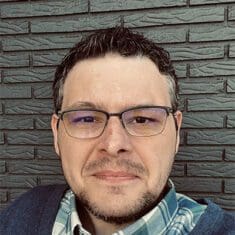
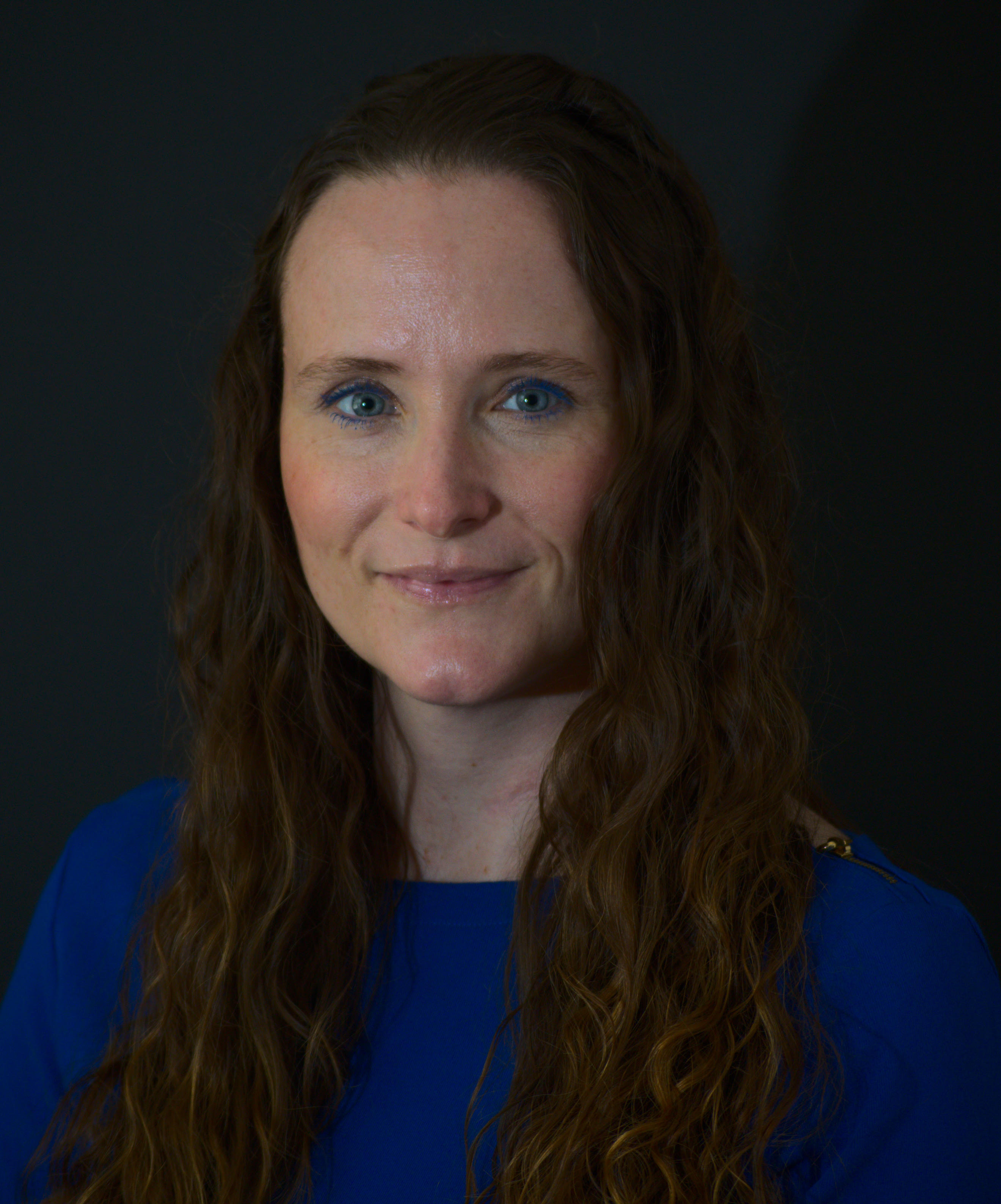
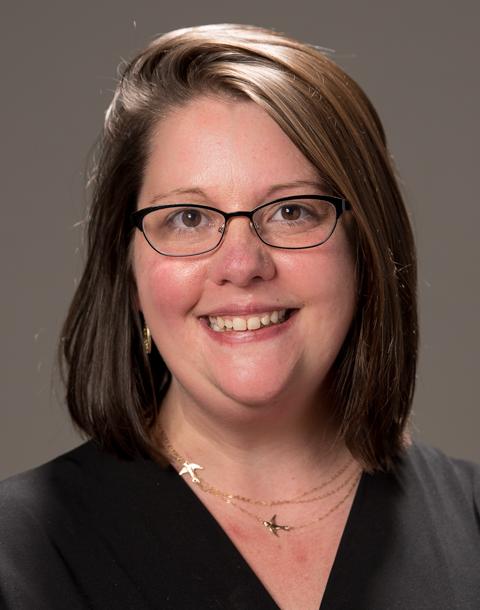
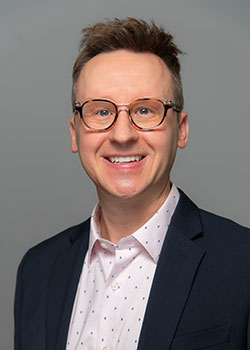
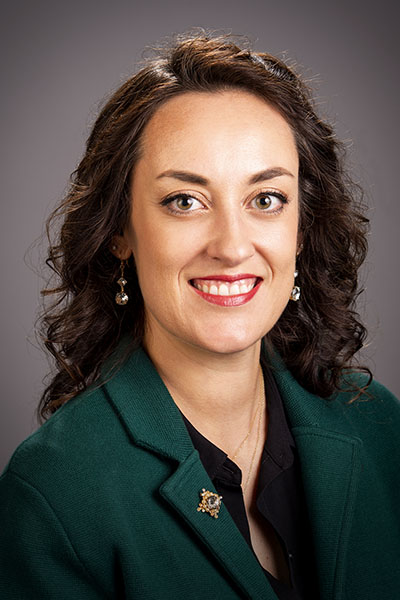
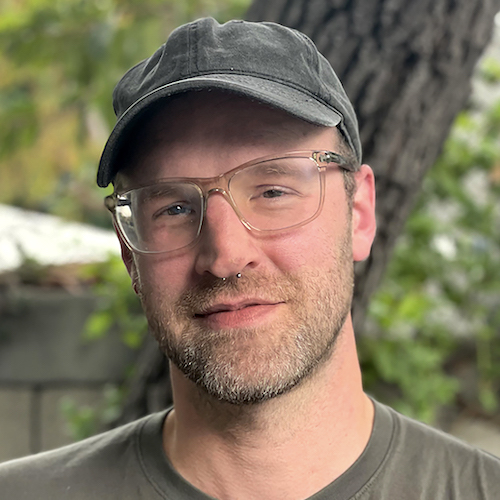
Ola Bamgbose is an Assistant Professor of Counselor Education at the University of Wisconsin-Whitewater, affiliated with the College of Education and Professional Studies. With over 20 years of experience in the helping professions, she emphasizes practical, student-centered learning. Her teaching philosophy focuses on mutual challenge and growth, positioning herself as a 'professional co-participant learner' rather than a traditional authority figure. Her research and teaching interests center on mental health counseling methodologies, particularly for children and families, and the development of effective professional practices in counseling education. She prioritizes preparing students to meet high professional standards through collaborative academic environments. Though no formal grants or awards are explicitly mentioned, her contributions to student mentorship and curriculum design reflect her commitment to academic rigor and professional readiness. No specific laboratories or research teams are noted in the provided texts.
Shameika Williams serves as an Assistant Professor of Public Health within the School of Arts and Sciences at the State University of New York at Old Westbury. She concurrently holds dual fellowships as a Social Justice Fellow at SUNY Old Westbury and a Faculty Fellow at the National Maternal Child Health Development Center, reflecting her commitment to equity-focused scholarship. Her doctoral training in Health Education was completed at Columbia University, Teachers College, supplemented by a Master of Public Health degree and professional certifications including Certified Lactation Counselor and Community Breastfeeding Educator. Dr. Williams' research critically analyzes how carceral systems disrupt maternal-child health trajectories and how structural racism manifests in breastfeeding practices and birth outcomes. Her work centers Black women's experiences through community-engaged frameworks, addressing systemic barriers in perinatal care while advancing birth equity initiatives across institutional contexts. This scholarship bridges public health theory with clinical practice to develop anti-racist interventions. Her emerging publication record reveals a concentrated focus on violence-related mental health disparities, exemplified by her 2023 systematic review examining depression and PTSD interventions for Black women experiencing intimate partner violence. This work demonstrates methodological rigor while highlighting intersectional approaches to women's health crises. Her professional recognition includes: Social Justice Fellow at State University of New York at Old Westbury Faculty Fellow at the National Maternal Child Health Development Center Dr. Williams teaches transformative courses including Black Lives Matter, Women's Health, and Mass Incarceration: A Public Health Crisis, directly connecting classroom instruction to her research on structural inequities. Her prior leadership roles at NYC Department of Health, Columbia University, and Northwell Health demonstrate sustained commitment to translating research into health equity initiatives, though specific grant funding details remain undisclosed in available materials.
Dr. Angela M. Sikorski is a Professor of Psychology at Texas A&M University-Texarkana. Her research focuses on psychology research methodologies, neuroscience applications in counseling, and the neurobiological impacts of exercise. She has authored influential books such as A quasi-experimental study: using mythbusters to understand research in psychology (2014) and A Counselor's Introduction to Neuroscience (2013), which bridge academic research and practical counseling practices. Her work integrates experimental psychology with neuroscientific principles, emphasizing hands-on educational approaches. Her research spans topics like anesthetic effects on neural pathways, aerobic exercise’s role in neural plasticity, and the intersection of neuroscience in counselor training. She has contributed to journals including International Journal of General Medicine and Brain Sciences , exploring neurovascular dynamics and behavioral adaptations. Dr. Sikorski’s early dissertation work (2003–2005) pioneered studies on exercise-induced brain vascular changes, linking physical activity to cognitive enhancement. No specific awards or grants are documented here, but her extensive publications reflect sustained academic engagement.
Nicole Brown serves as Assistant Professor of Counseling Psychology at Toccoa Falls College, integrating clinical expertise with faith-based perspectives. With an MA in Mental Health Counseling from Trinity Evangelical Divinity School and dual BA/BS degrees from Crown College, she focuses on transformative therapeutic practices. Professional affiliations include the National Board for Certified Counselors and American Counseling Association. Her teaching emphasizes Christ-centered counseling approaches and practical skill development for mental health professionals. Clinical interests center on trauma recovery and family systems within religious communities. She brings experiential insights from clinical practice to classroom instruction.
Xiaolu Hu is a Professor of Counselor Education and holds an additional role as Professor/Academic in Admin & Higher Educ-Foundation at San José State University (SJSU). She earned a Doctor of Philosophy from Kent State University in 1990. Her research focuses on career guidance systems, particularly in cross-cultural contexts like China, and educational policy related to counselor education. She leads the GEAR-UP initiative (2005–3000), a program aimed at expanding educational access and future opportunities for students. Her scholarly work includes analyzing historical and policy dimensions of career counseling. While no awards are listed, her contributions to higher education administration highlight her institutional involvement. She has not disclosed advisees or grants in the provided data. No lab affiliations are mentioned.
Amna Jaffer is Lecturer and Fieldwork Coordinator in the Department of Counselor Education at San José State University. Originally from Pakistan, she earned her MA in Education from SJSU and BA in Theater/Psychology from Agnes Scott College. Certified as Trainer, Educator and Practitioner by the National Board of Examiners in Psychodrama and Group Psychotherapy, she specializes in experiential group therapies and multicultural counseling approaches. Research Expertise: Focuses on psychodrama applications in educational settings, substance abuse counseling frameworks, and cultural adaptation processes. Her work integrates theatrical techniques with therapeutic interventions to address: Cross-cultural identity development Academic-career exploration Group dynamics in treatment settings Community support system design Publication Focus: Recent works examine immigrant resilience narratives, school counselor advocacy during crises, and psychodrama methodologies in diverse communities. Research employs qualitative methodologies including case studies and participatory action research. Teaching Portfolio: Develops and instructs courses including EDCO 004 (Personal, Academic and Career Exploration) and EDCO 293 (Practicum in Child and Substance Abuse), emphasizing field-based application of psychodrama techniques.
Christopher K. Belous is an Associate Professor and core faculty member at Purdue University Northwest (PNW). He currently serves as Director of Couple & Family Therapy Graduate Programs and Interim Coordinator of Counselor Education Programs. His roles include overseeing program administration, academic requirements, and clinical training. Belous holds a Ph.D. in Human Development and Family Studies (HDFS)/Couple and Family Therapy from Michigan State University, alongside M.A. and B.A. degrees from MSU and Central Michigan University, respectively. His research focuses on sex positivity, LGBTQ+ identities, clinical supervision, and relationship satisfaction, employing mixed-methods approaches. Notable projects include developing the Sex Positivity Scale and exploring transformative learning in sex therapy education. He collaborates with students and institutions, emphasizing feminist and social justice frameworks in teaching. Belous is a licensed Marriage and Family Therapist in multiple states, an AAMFT Approved Supervisor, and certified in Sex Therapy/Education (AASECT) and Family Life Education (NCFR). His credentials reflect expertise in clinical practice, supervision, and LGBTQIA-affirming therapy. Teaching philosophies emphasize critical thinking, experiential learning, and systemic socio-cultural analysis. He advises students in Couple & Family Therapy programs and mentors through PNW’s COAMFTE-accredited internship initiatives. His work bridges clinical practice, education, and advocacy in marginalized communities.
Craig Gilkey is a Lecturer in the Human Development Department at SUNY Oswego. A licensed mental health counselor (LMHC) and nationally certified counselor (NCC), he teaches courses in child, adolescent, and adult development. He earned both his B.A. in Human Development and M.S. in Mental Health Counseling from SUNY Oswego. Gilkey maintains a private therapy practice specializing in TEAM-CBT for adolescents and adults and has previous counseling experience in university settings.
Julia Whisenhunt is Professor of Counselor Education and Assistant Department Chair at the University of West Georgia's College of Education. Directs the Ed.D. program in Professional Counseling and Supervision, with clinical expertise in suicide prevention, self-injury intervention, and crisis response protocols. Research develops evidence-based strategies for treating self-injurious behaviors, training educators in suicide prevention, and enhancing counselor competencies. Authored the 'Crisis Intervention Ethics Casebook' and multiple studies on adolescent mental health interventions.
Dr. Devon Bowser serves as Dean of Graduate and Professional Studies, Program Director for both the Master of Arts in Counseling and Doctor of Philosophy in Counseling Education, and Associate Professor of Counseling at Waynesburg University. Her clinical expertise focuses on emotional/behavioral needs of children and families, with specialization in autism spectrum disorders and their impact on communities. Her research examines child/family counseling approaches, spirituality integration in therapy, diversity/inclusion in education, and innovative use of popular culture in counselor training. She actively consults with community organizations to develop support systems for families of children with special needs.
Matthew Beck serves as Associate Professor, Counselor Education Graduate Coordinator, and School Counseling Clinical Coordinator in the Department of Counselor Education and College Student Personnel at Western Illinois University's College of Education & Human Services. He joined WIU-Quad Cities in August 2015, teaching courses in school counseling, clinical counseling skill development, and practicum/internship. His educational background includes: Ph.D. in Counselor Education and Supervision from the University of Iowa (2017) M.S.Ed. in School Counseling from Western Illinois University - Quad Cities (2008) B.S. in Music Education from the University of Iowa (2000) Dr. Beck's research centers on school counselor professional development, with primary focus on clinical supervision training, school counselor-administrator relationships, and professional identity formation. His work extensively examines advocacy practices for LGBTQ+ students and districtwide school counseling program alignment, often employing qualitative methodologies to explore counselor experiences within educational ecosystems. Analysis of his 2019-2023 publications reveals dominant themes in LGBTQ+ student support, school counselor advocacy, and mental health interventions within multi-tiered systems. His scholarship consistently connects counselor education with practical implementation challenges in K-12 settings, demonstrating strong continuity in examining institutional partnerships and identity development. Dr. Beck has received significant recognition including: COEHS Student Advisory Board Highly Impactful Faculty Award (2022) ASCE Emerging Leaders Fellowship (2017) ALGBTIC National Graduate Student Award (2015) GLSEN National Educator of the Year (2013) As Graduate Coordinator, he oversees the MSEd programs in School Counseling and Clinical Mental Health Counseling, advising students through clinical training sequences. His pre-university experience includes 12 years as a practicing school counselor across elementary, middle, and high school levels in Illinois, which directly informs his research-practice integration. His collaborative work frequently involves district-level school counseling teams and recurring research partnerships with colleagues like Emily Lane and Heather Wikoff, focusing on translating advocacy research into school-based applications.
Dr. Elizabeth Rogers is an Assistant Professor of Counseling in the Terry B. Rogers College of Education and Social Sciences at West Texas A&M University. She holds professional credentials as a Licensed Professional Counselor and Certified School Counselor in Texas. Her educational background includes: B.A. in Communication and Secondary Teacher Certification, Angelo State University (2008) M.Ed. in Guidance and Counseling, Angelo State University (2010) Ph.D. in Counselor Education and Supervision, Texas Tech University (2019) Her research focuses on optimizing school counselor roles with specific interests in: Multicultural and international counseling approaches Supporting special student populations Crisis intervention frameworks AI applications in counselor education Her publications examine educational climate improvements through inclusive practices, particularly regarding LGBTQ+ student support systems. She has received significant recognition for her contributions: Liz and John Mozola Faculty Excellence Award (2024) John Shirly Advocacy Award (2023) Distinguished Service Award (2022) Dr. Rogers holds leadership positions as President of the Texas School Counseling Association and has served in multiple board roles for the West Texas Counseling Association. She also contributes to the International Association for Marriage and Family Counselors as an emerging leader.
Tolani Britton serves as Assistant Professor at the Graduate School of Education, University of California, Berkeley, where her research employs quasi-experimental methods to investigate policy impacts on educational transitions, access, and retention with emphasis on racial and gender equity. Her academic foundation includes: Master of Arts in Economics (Tufts University) Master of Arts in French Cultural Studies (Columbia University) Bachelor of Arts in Economics and French Literature (Tufts University) Britton's research centers on the economics of higher education, specifically examining how carceral policies perpetuate educational disparities for Black and Latinx populations. She analyzes drug sentencing laws' effects on college enrollment, ethnoracial matching in educational settings, and basic needs insecurities among university students through rigorous quantitative frameworks that bridge policy analysis and social justice imperatives. Her 15 most recent publications reveal dominant themes in carceral-education intersections, ethnoracial dynamics in schooling, and material insecurity impacts on academic achievement, with methodological strengths in quasi-experimental design and longitudinal analysis across K-12 and higher education contexts. Her distinguished recognition includes: National Academy of Education/Spencer Postdoctoral Fellowship (2021) Russell Sage Foundation Pipeline Grant (2020) National Academy of Education/Spencer Dissertation Fellowship (2016) Prior to academia, Britton worked as NYC public school math teacher and college counselor, plus OECD policy analyst in Paris. Her research has driven national discourse through features in NPR, Inside Higher Ed, and The Atlantic, influencing policy conversations on educational equity and criminal justice reform.
Lawrence Stevenson is an Assistant Professor of Clinical Occupational Therapy at the University of Southern California (USC) Division of Occupational Science and Occupational Therapy. He holds a Doctorate of Occupational Therapy (OTD) from USC, a Master’s in Occupational Therapy from Temple University, and a Bachelor’s in Elementary and Special Education from LaSalle University. His clinical expertise includes acute care, NICU, and trauma hospital settings, with specialties in medically complex patients. He has also served as a clinical lab instructor in intervention, evaluation, and neuroanatomy courses at Thomas Jefferson University. His research interests focus on healthcare equity, particularly end-of-life care for queer communities, harm reduction strategies for drug users and sex workers, and centering student voice in medical pedagogy. He is a certified HIV Testing Counselor trained in Motivational Interviewing by the San Francisco Department of Public Health. Lawrence is actively involved in curriculum development within the entry-level occupational therapy doctorate program at USC, emphasizing themes of Justice, Equity, Diversity, and Inclusion (JEDI) in teaching and assessment practices. No specific grants or awards are listed, though his work integrates interdisciplinary approaches to clinical education and inclusive healthcare practices.
Chris Jacobs is an Associate Professor in Genetic and Genomic Counselling at the University of Surrey, part of the School of Health Sciences within the Faculty of Health and Medical Sciences. He joined the university in 2023 and currently leads the Faculty’s health workforce development initiative, aiming to align education with healthcare needs. Jacobs holds a PhD from University College London (2018), an MSc from the University of London (2003), and a BSc from Anglia Ruskin University (1994). His research focuses on genetic counseling practices, hereditary cancer, and integrating genomics into palliative care. He has extensive experience as a genetic counselor, including roles at Guy’s Hospital (1996–2015) and as a Senior Lecturer at the University of Technology Sydney (2018–2022). Jacobs is affiliated with the Academy of Healthcare Science, Nursing and Midwifery Council, and the British Society for Genetic Medicine. His recent work addresses barriers to genomic integration in healthcare, patient perspectives on genetic testing, and educational innovations for genetic counselors. Key themes in his publications include ethical challenges in genomic medicine, the psychosocial impact of genetic testing, and optimizing healthcare professional training.