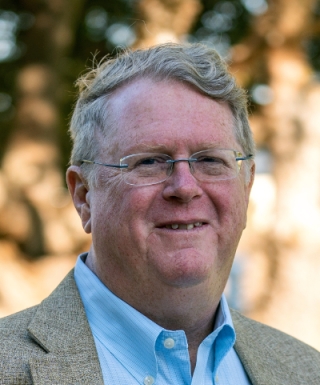
Todd C. Holmes, PhD, is a Professor in the Department of Physiology & Biophysics at the University of California, Irvine (UCI) School of Medicine. His research focuses on the structural and functional organization of neural circuits, particularly in the visual cortex and hippocampus. Dr. Holmes employs advanced techniques like laser scanning photostimulation and viral tracing to map synaptic connectivity, emphasizing the balance between excitatory and inhibitory inputs in cortical microcircuits. His work has revealed layer-specific synaptic wiring diagrams and redefined understanding of how inhibitory connections mirror excitatory pathways in the mouse visual cortex (V1). Dr. Holmes is affiliated with the UCI Center for Neural Circuit Mapping, contributing to interdisciplinary studies on Alzheimer’s disease models, optogenetic tools, and neurovascular interactions. He has secured funding from NIH grants (e.g., MH105427, R01NS095355) and collaborates on projects involving genetic engineering and high-resolution brain imaging techniques. His research extends to circadian rhythms, Drosophila neurobiology, and neuropsychiatric disorder models, leveraging transgenic approaches and behavioral analyses. Recent studies explore microglia’s role in synaptic connectivity and the application of novel viral vectors for circuit tracing.
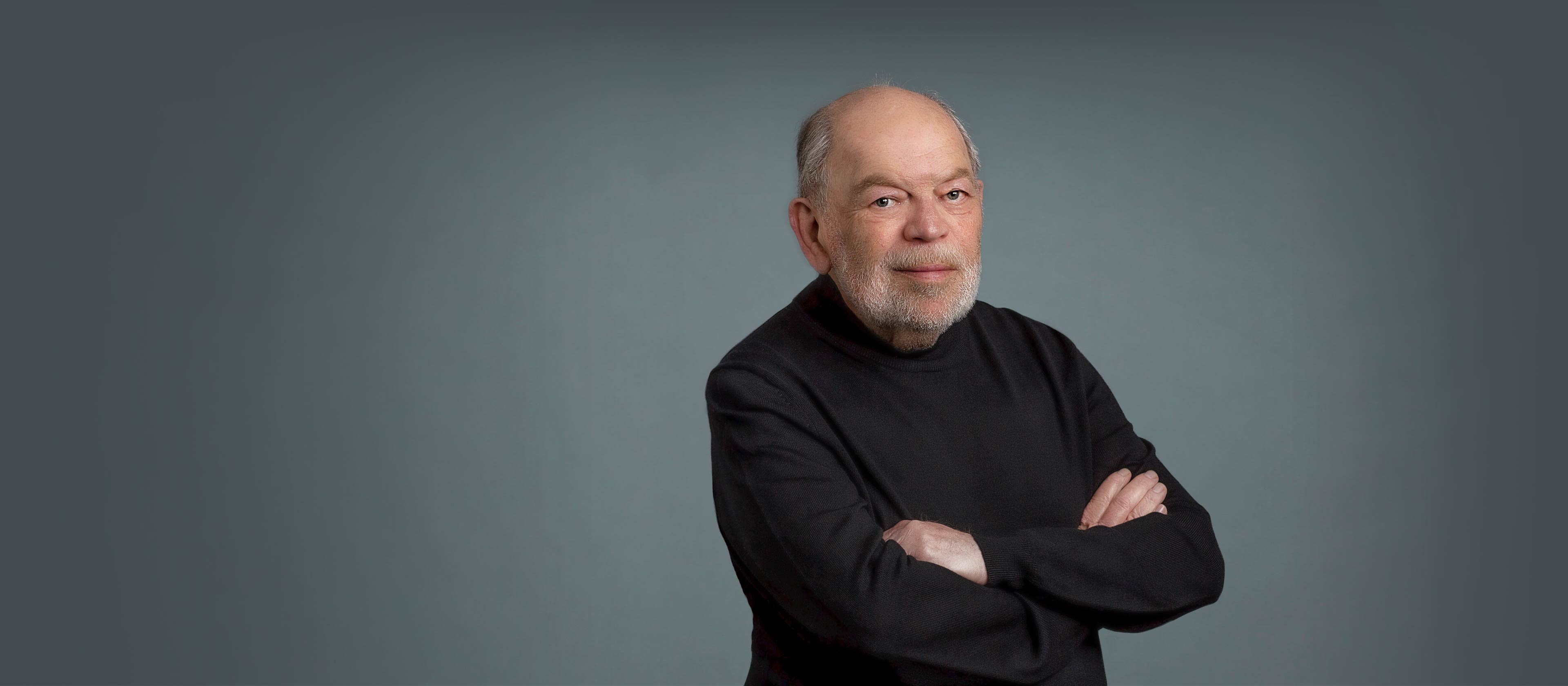
Bernardo Rudy is a Professor in the Department of Anesthesiology, Perioperative Care, and Pain Medicine, and holds the Julius Raynes Professorship of Neuroscience and Physiology in the Department of Neuroscience at NYU Grossman School of Medicine. He earned his PhD from Cambridge University and MD from the National University of Mexico. His research focuses on the organization and function of neocortical circuits, emphasizing how neuronal activity regulates behavior through cortical circuits, ion channels, and neuromodulation. Research interests include the role of GABAergic interneurons in shaping cortical information processing, mechanisms of cholinergic modulation in sensory perception and learning, and top-down/bottom-up integration in neocortical layer 1. His lab employs electrophysiology, optogenetics, imaging, and genetic techniques in vitro and in vivo. Recent work investigates layer 1 interneuron subtypes, the impact of cholinergic projections from the nucleus basalis, and the functional diversity of cortical inhibitory circuits. Collaborations with teams like Machold, Buzsáki, and Fishell highlight multidisciplinary approaches to neural circuitry. Lab: Rudy Lab . No scientific awards explicitly listed.
Professor Hong Wei Dong is a faculty member in the Department of Neurobiology at the David Geffen School of Medicine, University of California Los Angeles (UCLA). His research focuses on creating comprehensive connectome maps of the C57Bl/6 mouse brain to understand functional network organization and behavioral output mechanisms. He integrates Connectomics Genetics 3D high-resolution imaging Artificial intelligence to explore the fundamental architecture of the central nervous system. Key research directions include: Classification of mouse brain/spinal cord cell types through anatomic, molecular, and physiological properties Development of microscopy/histological technologies for human brain mapping at axonal resolution Application to neurodegenerative disease models (Alzheimer’s, Huntington’s) Recent publications highlight his work on: Visceromotor cortex networks High-resolution brain atlases Thalamic subnetworks Neuronal diversity analysis Advanced image processing tools Transsynaptic tracing methodologies Awardeeship highlights: Suzanne Eaton Memorial Prize Taylor M. Brown Memorial Award His lab develops scalable technologies like Gossamer for petabyte-scale image processing and Morphohub for multi-morphometry generation, while maintaining affiliations with UCLA Brain Research & Artificial Intelligence Nexus (B.R.A.I.N.) and NIH T32 training grants.
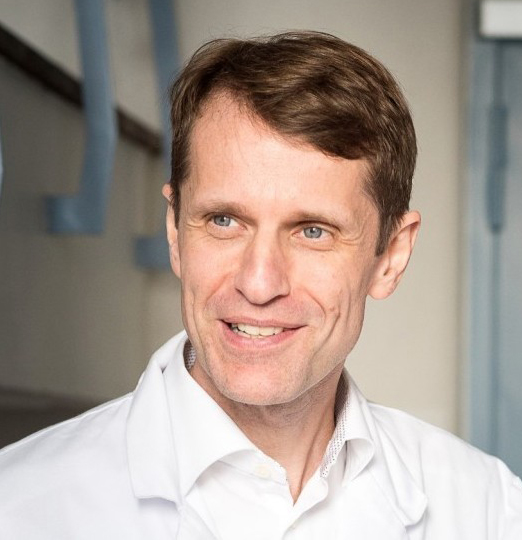
Botond Roska is a Professor at the Faculty of Science, University of Basel, Switzerland, and previously served as Professor at the Faculty of Medicine, University of Basel since 2014. He is the Founding Director of the Institute of Molecular and Clinical Ophthalmology Basel (IOB), established in 2018. His academic career includes serving as Senior Group Leader (2010-2019) and Junior Group Leader (2005-2010) at the Friedrich Miescher Institute in Basel. Born in 1969 in Hungary, Roska obtained his M.D. at the Semmelweis Medical School, a Ph.D. in neurobiology from the University of California, Berkeley, and studied genetics and virology as a Harvard Society Fellow at Harvard University and Harvard Medical School. Dr. Roska's research focuses on understanding the visual system at the level of cell types and circuits, with particular emphasis on the retina, thalamus, and cortex. His work aims to find ways to repair visual dysfunction and restore vision in blind individuals. He investigates how the organization of cell types and circuits in the nervous system, when combined with cellular engineering, can be used to design new therapies to fight blindness. Analysis of Roska's recent publications reveals a strong focus on single-cell resolution studies of the retina, development of gene therapy approaches for vision restoration, and detailed mapping of visual neural circuits. His work spans multiple disciplines including neuroscience, ophthalmology, genetics, and molecular biology, with a clear translational focus toward developing treatments for visual impairments. Dr. Roska has received numerous prestigious awards throughout his career: 1997: Fulbright Fellow 2001: Bearden Memorial Award for Biophysics 2002: Harvard Junior Fellow 2006: Marie Curie Excellence Grant 2009: EMBO Young Investigator 2010: ERC Starting Grant and VIVA Award 2011: Alcon Award and EMBO membership 2013: Alfred Vogt Award 2015: ERC Advanced Grant 2016: Cogan Award 2018: Bressler Prize and Alden W. Spencer Award 2019: Louis-Jeantet Prize, Order of Saint Stephen of Hungary, Cloëtta Prize, and Semmelweis Budapest Award 2020: ERC Advanced Grant and Körber European Science Prize 2024: Wolf Prize in Medicine (for sight-saving and vision restoration to blind people using optogenetics) As a principal investigator, Roska has secured significant research funding including multiple ERC grants (Starting Grant in 2010, Advanced Grants in 2015 and 2020), a Marie Curie Excellence Grant, and the VIVA Award. His laboratory has mentored numerous researchers who have gone on to publish impactful work in top-tier journals. The collaborative nature of his research is evident from the multi-institutional authorship of his publications. Dr. Roska founded and directs the Institute of Molecular and Clinical Ophthalmology Basel (IOB), which brings together basic scientists and clinicians to develop treatments for eye diseases. His laboratory employs advanced techniques including single-cell analysis, viral vector engineering, optogenetics, and neural circuit mapping to advance our understanding of the visual system and develop novel therapeutic approaches.
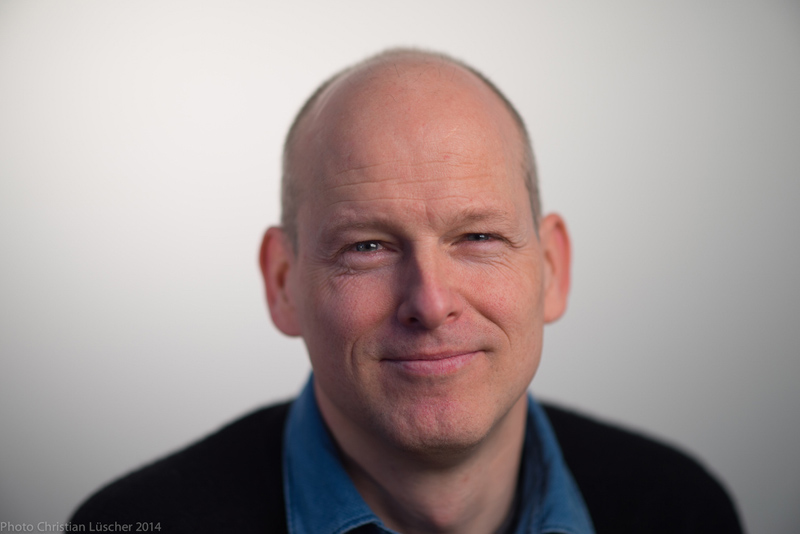
Anthony Holtmaat is a Full Professor in Neuroscience at the Department of Basic Neurosciences, Faculty of Medicine, University of Geneva, Switzerland. He has held this position since 2016 and was an Associate Professor from 2007–2015. His research focuses on synaptic and structural plasticity in cortical circuits. Full Professor (2016–present) Associate Professor (2007–2015) Chair Alan Rossier (2007–2015) His work spans molecular neuroscience , optical imaging of brain structure , and cortical-thalamic circuits . Key contributions include studies on dendritic spine dynamics and activity-dependent plasticity using in vivo imaging techniques. Recent publications highlight his expertise in synaptic potentiation mechanisms , interneuron development , and computational neuroimaging . He has received major awards including the Swiss Brain League Research Prize and funding exceeding 1.5M CHF for his Chair. Swiss Brain League Prize (2016) 1.5M CHF Chair Funding (2007) 30+ PhD Students Examined 12 Postdocs Advised
Jiyun Shin is a neuroscience researcher at the Max Planck Society, specifically affiliated with the Department of Cognitive Neuropsychology within the Department of Neuroscience. They presented significant research on memory formation mechanisms at an institutional lecture on January 14, 2020. Dr. Shin's research focuses on the cellular mechanisms of memory transfer from hippocampus to neocortex, with particular expertise in perirhinal cortex input to neocortical layer 1. Their work combines advanced techniques including cortical microstimulation, chemogenetic suppression, and optogenetic activation to study neuronal firing patterns during learning processes. Their research demonstrates that medial temporal input to neocortex controls learning through processes in layer 1 that elevate dendritic calcium and promote burst firing in layer 5 pyramidal neurons. This work has important implications for understanding the fundamental mechanisms of memory formation. Dr. Shin's research involves collaboration with multiple research groups focusing on neural circuits, consciousness, and cognition as indicated by the institutional context.
Natalia De Marco Garcia is an Associate Professor of Neuroscience at Weill Cornell Medical College's Brain and Mind Research Institute. Her research focuses on cortical interneuron development, synaptic plasticity, and their roles in neurodevelopmental disorders like autism. She has received multiple NIH grants for studies on GABAergic circuits and cocaine-associated memory mechanisms. Ph.D., Columbia University (2007) M.A. & M.Phil., Columbia University (2002) B.S., University of Buenos Aires (1999) M.S., Praxis Medica (1993) Her work explores how neuronal activity shapes interneuron integration, chemokine signaling in cortical layers, and cerebellar-extracerebellar connectivity. Recent studies analyze Homer1's role in attention and the epichaperome's impact on hippocampal dysfunction. Key trends in her 15 most recent publications include cortical network development, chemokine-guided interneuron differentiation, and circuit mechanisms in autism. Her grants from NIDA and NIMH address cocaine memory extinction and interneuron dysfunction in ASD. She leads research on cortico-cortical connectivity development and GABAergic neuron assembly, supported by NINDS and NIMH. Her lab employs calcium imaging and genetic mapping to study cortical dynamics.
Shang Mu serves as Assistant Professor of Research in Neuroscience at the Brain and Mind Research Institute, Weill Cornell Medical College since 2022. His work focuses on high-resolution neural circuit mapping using advanced connectomics techniques, particularly in mouse visual cortex and human brain disorders. His educational background includes: Ph.D. in Biomedical Engineering from University of Florida (2010) B.Eng. in Biomedical Engineering from Beijing University, China (2005) Dr. Mu's research spans connectomics, neural circuit architecture, and computational neuroscience. He investigates synaptic organization, inhibitory specificity, and wiring rules in cortical circuits using electron microscopy and machine learning. His work has significant implications for understanding neurological diseases including stroke and glioblastoma. Key methodologies involve large-scale image analysis, transcriptomic integration, and development of open-source tools for connectome annotation. Analysis of his 15 most recent publications (2024-2025) reveals a dominant focus on mouse visual cortex connectomics, with emerging work on human brain disorders. Major themes include inhibitory circuit specificity, dendritic morphology mapping, and computational tool development (CAVE, NEURD). His research demonstrates consistent high-impact output in top journals like Nature and Cell , often featuring collaborative, interdisciplinary approaches combining neuroscience, genomics, and computer science. No scientific awards are documented in the provided materials. Information regarding student advising, grant funding, or specific laboratory teams is not available in the current dataset. His research is conducted within the Brain and Mind Research Institute infrastructure at Weill Cornell Medical College.
Natalia De Marco Garcia is an Associate Professor of Neuroscience at Weill Cornell Medical College, Cornell University, where she has led research at the Brain and Mind Research Institute since 2019. Her work bridges molecular mechanisms and circuit-level dysfunction in neurodevelopmental disorders. Her academic training includes: Ph.D. in Neuroscience, Columbia University (2007) M.A. and M.Phil. in Neuroscience, Columbia University (2002) B.S. in Biology, University of Buenos Aires (1999) M.S. in Medical Sciences, Praxis Medica (1993) Dr. De Marco Garcia's research focuses on cortical circuit development , particularly how GABAergic interneurons shape neural networks during early brain maturation. Using in vivo calcium imaging and electrophysiology in mouse models, her lab investigates genetic and molecular drivers of circuit assembly—with direct implications for autism spectrum disorders and addiction. Key discoveries include the roles of Gabrb3 , Homer1 , and chemokine signaling in interneuron integration and behavioral phenotypes. Analysis of her 15 most recent publications (2018-2025) reveals a thematic progression from fundamental mechanisms of synaptic plasticity and neuronal migration toward translational studies on neurodevelopmental disorders. Dominant trends include interneuron differentiation (2024 chemokine study), autism-related circuit dysfunction (2021 network activity review), and addiction memory mechanisms (2019/2020 cocaine studies), consistently employing genetic, imaging, and behavioral approaches in rodent models. As Principal Investigator, she currently directs four major NIH-funded projects: NIDA (2024-2025) : Cav1.2 channels in cocaine memory extinction NIMH (2024-2027) : GABAergic circuit assembly mechanisms NIMH (2022-2027) : Interneuron dysfunction in autism (Co-Investigator) NINDS (2020-2025) : Cortico-cortical connectivity development Her laboratory at the Brain and Mind Research Institute trains graduate students and postdoctoral fellows in advanced neuroscience techniques, with future work targeting therapeutic strategies for circuit-based neurodevelopmental disorders.
Prof. Silvia Arber is a Full Professor at the Biozentrum, University of Basel, where she leads a research group investigating neural circuits controlling body movement. Her work combines mouse genetics, viral tracing, optogenetics, and behavioral analysis to understand motor network organization, development, and plasticity. Education: PhD (1995) and BSc (1991) from the University of Basel. Research focuses on hierarchical motor control systems spanning brainstem nuclei, spinal cord circuits, and sensory feedback pathways. Key areas include: Precision in neural connectivity for movement execution/suppression Brainstem regulation of locomotor speed and skilled motor tasks Spinal cord circuit organization for interlimb coordination Plasticity in motor networks after injury Her publications consistently explore motor circuit specialization, with recent work emphasizing brainstem-basal ganglia interactions, cortical-medullary mapping, and pathological mechanisms in movement disorders. Major scientific honors include: The Brain Prize (2022) Louis-Jeantet Prize for Medicine (2016) Two ERC Advanced Grants (2015, 2010) Otto Naegeli Prize (2014) EMBO Young Investigator Award (2000) She mentors doctoral and postdoctoral researchers in neurobiology techniques. Her laboratory employs electrophysiology, genetic tools, and quantitative behavior analysis to dissect motor control principles.
Sydney Williams is an Honorary Lecturer at the University of Glasgow's School of Psychology & Neuroscience (SPN) and an Assistant Professor at Universidad Rey Juan Carlos in Madrid, Spain. They collaborate with the Imaging Centre of Excellence (ICE) at the Queen Elizabeth University Hospital. Williams holds a PhD in Biomedical Engineering from the University of Michigan, and MSc degrees in Electrical and Biomedical Engineering from the same institution, alongside an undergraduate degree in Biomedical Engineering from Illinois Institute of Technology. Affiliations: University of Glasgow (Honorary Lecturer), Universidad Rey Juan Carlos (Assistant Professor) Research Focus: Advanced MRI techniques, RF pulse design, parallel transmission (pTx), high-field MRI (7T), neurovascular imaging, and SAR management. Research interests center on optimizing MRI technology, particularly in parallel-transmit arrays, RF coil design, and improving diffusion-weighted imaging. Their work addresses challenges in high-field MRI such as SAR management, B1+ shimming, and motion correction. Recent projects include developing novel neurovascular coils and improving multi-shot diffusion imaging repeatability. Publications span 43 works since 2013, focusing on topics like pTx array design, RF pulse optimization, and clinical MRI applications. Key grants include funding from the Medical Research Council for 'Cortical layer-specific imaging' (2025-2029) and the Biotechnology and Biological Sciences Research Council for 'Parallel Transmission on a NextGen 7T Scanner' (2022-2023). Williams advises on grants and collaborates with teams at ICE and Glasgow's SINAPSE imaging platform. Their lab focuses on advancing ultra-high field MRI technologies for clinical and research applications.
Lauri Nurminen is an Assistant Professor in the Department of Biomedical Engineering at the University of Houston's Cullen College of Engineering. His research focuses on neural mechanisms underlying visual processing, particularly in the primate and human visual systems. His work explores topics such as surround modulation, cortical circuitry, and optogenetic tools for studying neural circuits. He holds a faculty profile at the UH College of Optometry and is affiliated with the Science & Engineering Research Center (SERC). Research interests include understanding how neural circuits in the visual cortex process spatial and contextual information, leveraging techniques like neurophysiological recordings, computational modeling, and optogenetics. His studies bridge primate and human visual systems, addressing questions about neural response variability, top-down feedback modulation, and the symmetry of foveal-peripheral processing. No awards or grants are listed in the provided information. His publications emphasize laminar circuits, spatial summation, and cross-species comparisons. He currently has no listed advisees or students in the provided data.
Alfredo Fontanini is a Professor and Chair in the Department of Neurobiology & Behavior at Stony Brook University, affiliated with the Renaissance School of Medicine. He holds an MD from the University of Pavia and Brescia (Italy) and a PhD in Neuroscience from Caltech. His research focuses on neural circuits underlying taste, reward, and decision-making, particularly in the insular cortex. He employs electrophysiology, optical imaging, and computational methods to study how sensory and cognitive processes integrate during eating behaviors. Fontanini has been recognized with prestigious awards, including the Klingenstein Fellowship and Presidential Early Career Award. His lab collaborates with institutions globally and investigates synaptic plasticity, neural dynamics, and hedonic learning. Education: MD (1998, Università degli Studi di Brescia), PhD (2003, Caltech) Key Collaborators: Arianna Maffei, Giancarlo La Camera, Memming Park Labs & Teams: Fontanini Lab (website: fontaninilab.org ) Fontanini's work bridges neurobiology and behavior, emphasizing metastable neural activity and its role in sensory processing. His research on gustatory cortex plasticity and cortical dopaminergic modulation has advanced understanding of how neural circuits encode expectations and sensory stimuli.
Björn Granseth is an Associate Professor at Linköping University's Department of Biomedical and Clinical Sciences (BKV), affiliated with the Faculty of Medicine and Health Sciences. He holds the title of Docent and is part of the Division of Cell and Neurobiology. His research focuses on neural circuits, synaptic plasticity, and neurotransmitter modulation, particularly in corticothalamic communication and motivational processes. Granseth is affiliated with the Wallenberg Centre for Molecular Medicine (WCMM) and the Center for Social and Affective Neuroscience (CSAN). His work explores cholinergic and noradrenergic modulation of synaptic inputs, VGluT1's role in visual attention, and striatal melanocortin receptors' influence on motivational valence. Key techniques include genetic mouse models (Ntsr1-Cre GN220) and in vitro electrophysiological studies. Granseth collaborates on projects involving neuropharmacology (e.g., Sigma-2 receptor agonists) and developmental biology (Hedgehog signaling in Drosophila). Recent articles highlight contributions to understanding corticothalamic synapses, synaptic plasticity deficits in VGluT1-deficient mice, and the neurobiology of reward circuits. His research bridges basic neuroscience with clinical implications, particularly in neurological disorders.
Patrick Kanold, PhD is a Professor of Biomedical Engineering at Johns Hopkins University, co-director of the Biomedical Engineering PhD program, and affiliated with the Center for Hearing and Balance and Kavli Neuroscience Discovery Institute. His research focuses on understanding how sensory experience shapes cortical circuits during development and adulthood, particularly in the auditory system. Kanold employs advanced in vivo imaging, optogenetics, and electrophysiological techniques to study neuronal activity patterns and plasticity mechanisms. Education: PhD in Biomedical Engineering from Johns Hopkins (2000), Postdoctoral training in Neurobiology at Harvard Medical School (2000-2005). He holds Dipl.Ing. (MSE) in Electrical Engineering from Technische Universität Berlin. Research interests include systems neuroscience, brain development, neuroengineering, and neurophysiology. His lab investigates how early sensory experience influences cortical circuit formation, functional architecture of auditory cortex, and age-related changes in neural processing. Recent findings include studies on subplate circuits, auditory learning, and age-related hearing deficits. Publications span over 114 peer-reviewed articles in journals like Science, Nature, and Neuron, focusing on cortical circuitry, developmental neurobiology, and neurotechnological methods. His work bridges engineering and neuroscience to advance understanding of brain function and plasticity.