- Psychology of visual expression
- Projective testing
- Artificial intelligence in psychodiagnostics
- +۶ مورد دیگر
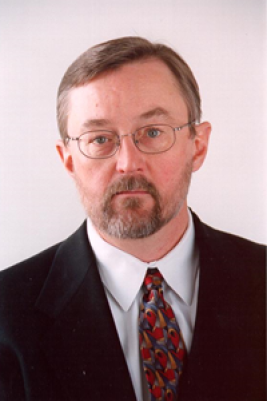
Professor Zoltán Vass is a distinguished academic at Károli Gáspár University of the Reformed Church (KRE), where he serves as head of the Department of General Psychology and Methodology. He is a founding member of both the KRE psychology department and the Institute of Psychology, and has been instrumental in establishing several specialized departments including the visual expression psychology and drawing examination consulting departments. His academic journey includes a PhD in psychology from Eötvös Loránd University (2000) and habilitation from the University of Pécs (2012), both earned summa cum laude. Dr. Vass's educational background reflects his deep commitment to psychological science. He completed his MA in psychology at Eötvös Loránd University in 1995, followed by his doctoral studies where he developed innovative methods for computer-based formal analysis of visual expression in schizophrenia. His habilitation work further expanded his expertise in visual expression psychology, with a focus on system analysis approaches to psychological expression. Beyond his formal degrees, he has obtained specialized qualifications in hypnotherapy, NLP, and relaxation therapy, demonstrating his interdisciplinary approach to psychological practice. Professor Vass is internationally recognized for his pioneering work in the psychology of visual expression, particularly in developing the Seven-Step Configuration Analysis (SSCA) method for interpreting drawings and paintings. His research bridges traditional psychological assessment with cutting-edge artificial intelligence applications, focusing on computer analysis of projective tests, system-based configuration analysis, and heuristic test development. He has led numerous research projects including the Psychogalaxy and Psychoscope research initiatives, and has been at the forefront of applying Large Language Models and Retrieval Augmented Generation techniques to psychological diagnostics. His work has established new methodologies for analyzing projective drawings, family drawings, life path drawings, and other visual expression techniques, creating a comprehensive system for psychological assessment through visual means. Dr. Vass's extensive publication record demonstrates his leadership in visual expression psychology. His research consistently explores the intersection of traditional projective techniques with computational analysis, revealing patterns in visual expression that correlate with psychological states, personality traits, and clinical conditions. He has made significant contributions to understanding aggression in visual expression, validity studies of expert system analysis, and the application of visual expression techniques in art therapy and clinical settings. His work has established standardized methods for analyzing both individual and collaborative drawings, contributing to evidence-based practice in psychological assessment. Publication Award, Hungarian Psychological Research Institute (1998) Bolyai Scholarship, Hungarian Academy of Sciences (2000) KRE Psychology Institute Diamond Letter (2009) KRE Psychology Institute Jubilee Teaching Award (2010) Moussong-Kovács Erzsébet Award, Hungarian Psychiatric Society (2013) As an academic leader, Professor Vass has mentored numerous doctoral students and has been actively involved in organizing major conferences including the Société Internationale de Psychopathologie de l'Expression (SIPE) Hungarian Colloquia. He has directed significant research projects on school health development, drug prevention, and expert systems for psychological diagnostics. His international collaborations span institutions in France, Germany, Israel, and the United States, reflecting the global impact of his work. Professor Vass leads the Psychogalaxy Research Group at KRE, which focuses on relationship dynamics and personality assessment. He has also been instrumental in establishing the KRE Artificial Intelligence Research Group, where he serves as a founding member and workshop leader. His research workshops develop innovative methods for analyzing visual expression through technological applications, creating bridges between traditional psychological assessment and modern computational approaches.