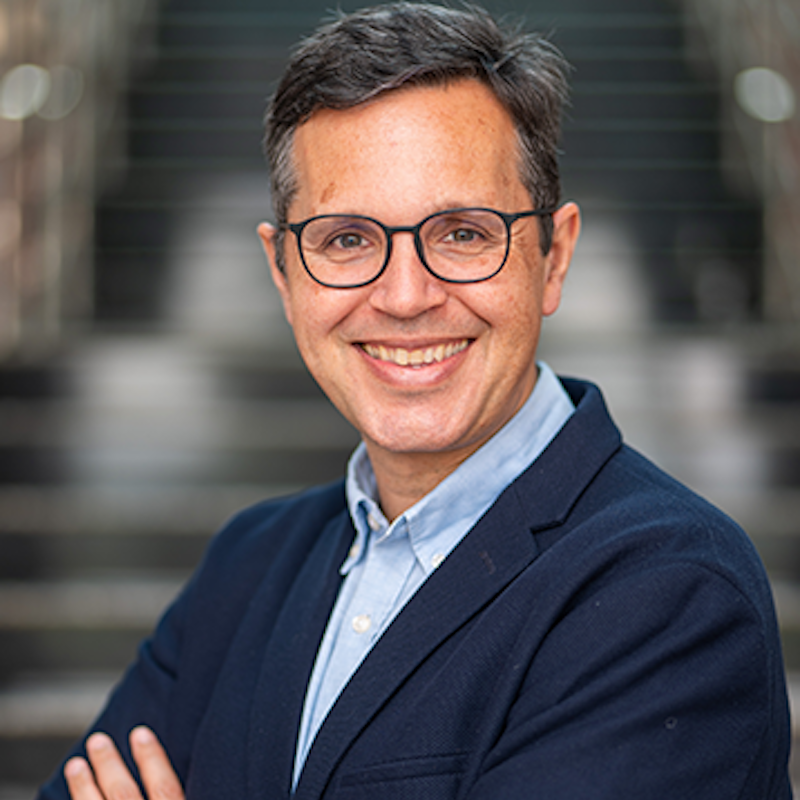
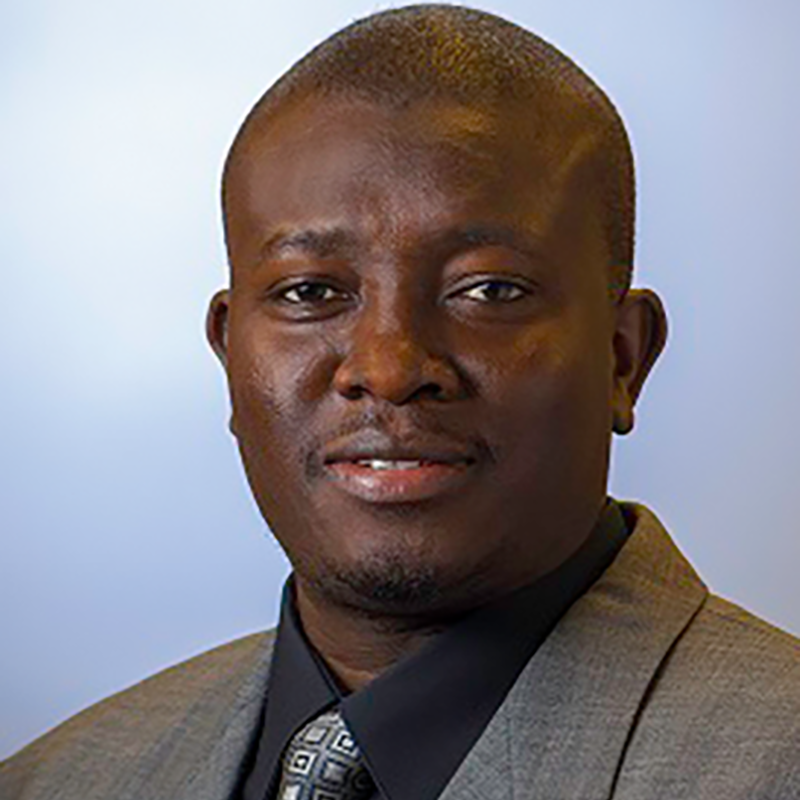
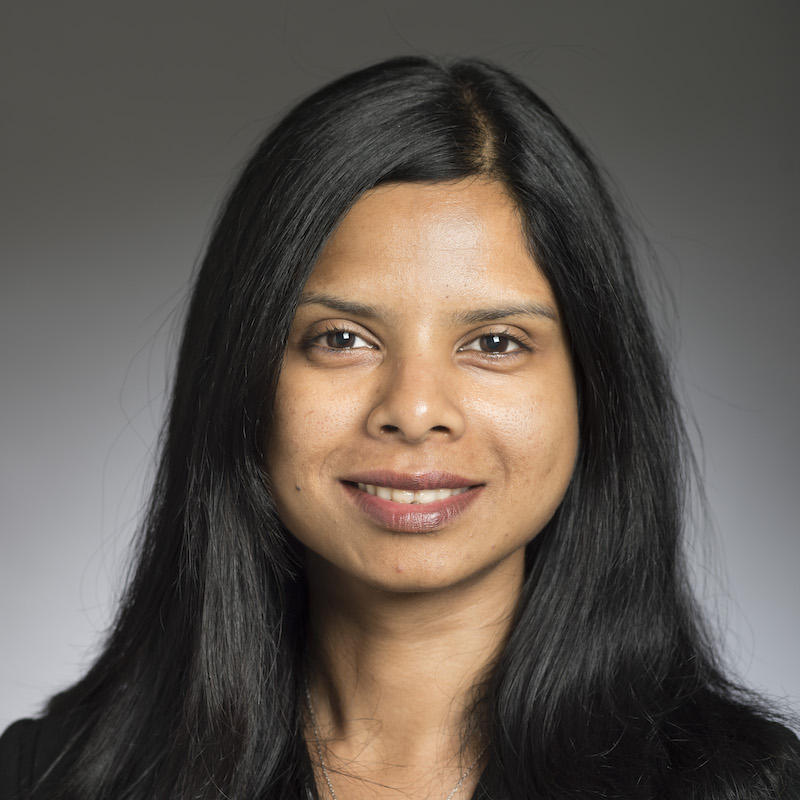
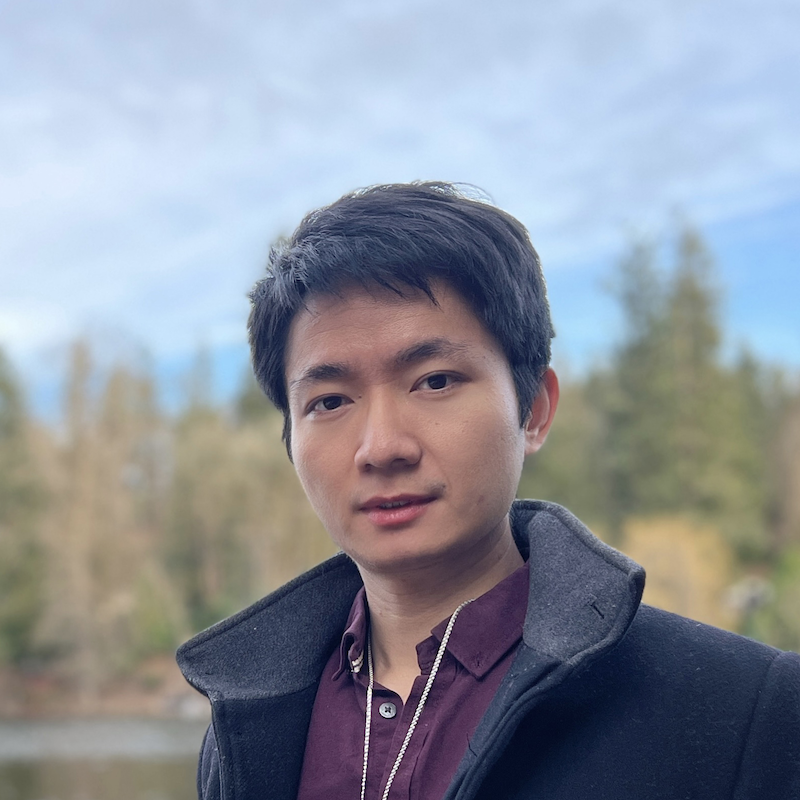
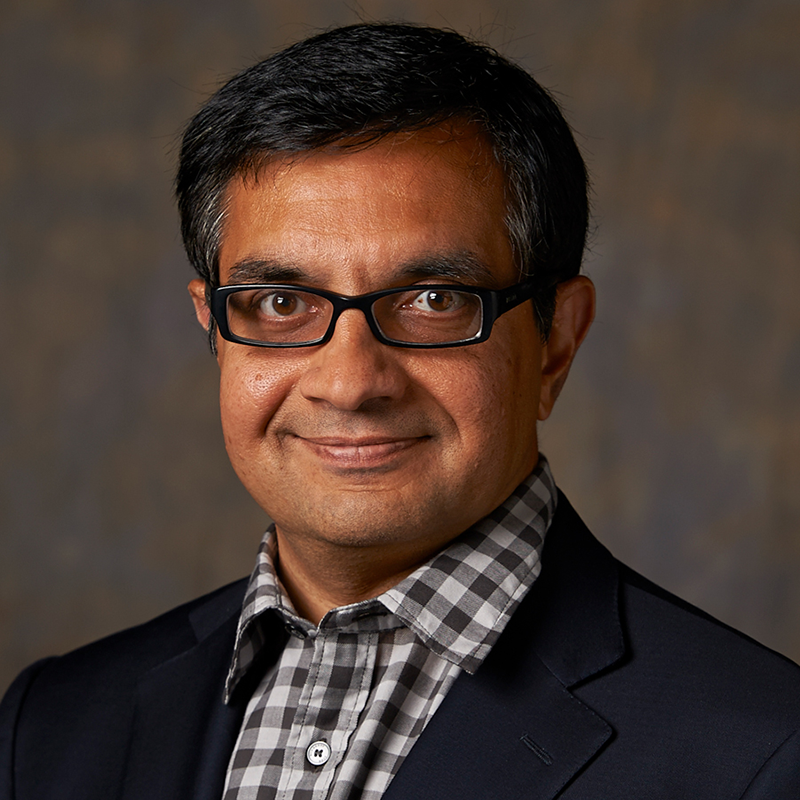
Akkarit Sangpetch is an Adjunct Professor in the Department of Electrical and Computer Engineering at King Mongkut's Institute of Technology (KMITL), and also serves as a Lecturer in the same department. He holds a Ph.D. in Electrical and Computer Engineering from Carnegie Mellon University (2013), and previously worked at VMware, Inc. during his academic training. His primary research focuses on cloud computing resource management, software-defined infrastructure, and distributed application platforms. These areas emphasize optimizing computational resources and infrastructure efficiency in dynamic environments. No scientific awards or specific grants are explicitly mentioned. He has not listed any advisee students in the provided information. His professional activities include contributions to curriculum development and academic advising within the department. Further details about his involvement in research labs or collaborative teams are not detailed in the text.
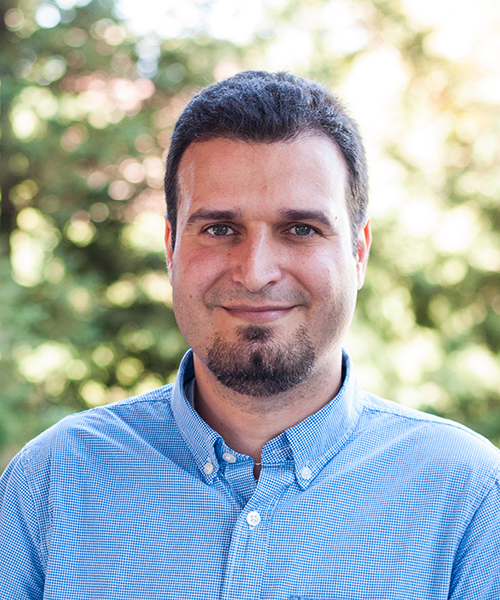
Dr. Orathai Sangpetch is an Adjunct Professor in the Department of Electrical and Computer Engineering at King Mongkut's Institute of Technology Ladkrabang (KMITL). She holds a Ph.D. in Electrical and Computer Engineering from Carnegie Mellon University (2013). Her professional background includes research collaboration with VMware, Inc., focusing on storage performance during her academic training. Education: Ph.D. in Electrical and Computer Engineering, Carnegie Mellon University, 2013 Research Interests: Dr. Sangpetch specializes in virtualization technologies, cloud computing architectures, and cybersecurity frameworks. Her work addresses challenges in data storage optimization, network security protocols, and resilient computing systems. Roles & Affiliations: Lecturer at KMITL's Computer Engineering Department Adjunct Faculty member within the College of Engineering Labs/Teams: No specific lab affiliations mentioned in the provided text.
Ed Schlesinger serves as the Benjamin T. Rome Dean of the Whiting School of Engineering at Johns Hopkins University and holds an adjunct professorship in Electrical and Computer Engineering. He leads initiatives to expand the school’s educational and research impact, including translational partnerships and programs addressing societal challenges. His academic career includes roles as a professor and department head at Carnegie Mellon University, where he directed research centers like the Data Storage Systems Center. Education: BSc in Physics, University of Toronto MS in Applied Physics, California Institute of Technology PhD in Applied Physics, California Institute of Technology Research & Leadership: Schlesinger has driven interdisciplinary efforts such as the Data Science and AI Institute, the Sustainable Energy Institute, and the Malone Center for Engineering in Healthcare. His work emphasizes translational research in energy, autonomy, and healthcare. He has authored over 250 publications and holds 13 patents. Key initiatives: Cross-disciplinary departments (e.g., Environmental Health and Engineering), Doctor of Engineering program, and industry partnerships with APL and Innovation Works. Awards & Service: 2024 Public Service Medal (Singapore) Member, National Research Foundation Singapore Fellowship Panel Former President, ECE Department Heads’ Association Grants & Labs: Pioneered research centers at Carnegie Mellon and Johns Hopkins, including the General Motors Collaborative Research Laboratory and the DARPA MISCIC Center. Current leadership roles span university-wide institutes and state-level advisory groups.
Joao Barros is a Courtesy Professor in the Department of Electrical and Computer Engineering at Rice University. With a career spanning 25 years, he has made significant contributions to wireless networks, intelligent transportation systems, and edge AI, particularly in sensor networks, physical-layer security, network coding, and vehicular networks. He has held academic leadership roles at Universidade do Porto, Portugal, and served as National Director of the $77M CMU-Portugal program (2009–2012), a partnership between the Portuguese Government and Carnegie Mellon University. Undergraduate: Universidade do Porto, Portugal and Universitaet Karlsruhe Ph.D.: Technische Universitaet Muenchen (TUM), Germany His research focuses on transforming theoretical advancements into real-world technologies, with applications in vehicular networks and edge computing. Barros co-founded two venture-backed startups, Streambolico and Veniam (acquired by Nexar Inc. in 2022), where he served as CEO for a decade and later as Chief Platform Officer. His work has earned over 180 publications, 22 international patents, and a book published by Cambridge University Press. Barros has received numerous accolades, including IEEE Fellow status, multiple IEEE and industry awards, and widespread media recognition (NPR, BBC, MIT Technology Review, etc.). He also holds a performing arts degree from the Music Conservatory of Porto, where he actively participates in music ensembles with his family.
Assane Gueye is an Assistant Teaching Professor at Carnegie Mellon University Africa (CMU Africa) in the Department of Electrical and Computer Engineering, part of the College of Engineering. He previously held a faculty position at the ICT Department of the University Alioune Diop of Bambey, Senegal, where he leads the TIC4Dev research group. He also holds a guest researcher role at the National Institute of Standards and Technology (NIST) in the USA. Gueye earned his Ph.D. in Electrical Engineering and Computer Sciences from UC Berkeley (2011) and a Master’s in Communication Systems Engineering from École Polytechnique Fédérale de Lausanne (EPFL), Switzerland (2004). His research focuses on two core areas: 1) performance evaluation and security of large-scale communication systems, and 2) ICT for Development (ICT4D), particularly in African contexts. His work includes projects on privacy-preserving mobile money systems, rural connectivity solutions, federated learning for healthcare, and software security vulnerability analysis. He has contributed to initiatives such as the MIRA project measuring internet resilience in Africa and the design of low-cost infrastructure for digital public goods. Key awards include being named a Next Einstein Forum Fellow (2016) and an inaugural EAI Fellow (2019). His articles reflect a focus on interdisciplinary solutions for underserved regions, with recent work emphasizing cybersecurity in financial systems, healthcare innovation via federated learning, and infrastructure democratization in space-based communications. He actively collaborates with global institutions to address challenges in technology access and security in developing economies. Awards: Next Einstein Forum Fellow, EAI Fellow Key Projects: HumekaFL (neonatal asphyxia detection), F4PW (fog computing for maternal health), MIRA (internet resilience in Africa)
Reeja Jayan is a Professor in Mechanical Engineering at Carnegie Mellon University (CMU), with courtesy appointments in Materials Science & Engineering, Chemical Engineering, and Electrical & Computer Engineering. She leads the Far-from-Equilibrium Materials Laboratory (J-Lab), focusing on electromagnetic field-driven material synthesis and energy-efficient manufacturing. Her research spans ceramics, polymers, and energy storage systems, with breakthroughs in low-temperature material processing and data-driven discovery. Jayan holds prestigious awards including the ARO and AFOSR Young Investigator Awards, and is a CMU Engineering Dean’s Early Career Fellow. She pioneered game-based learning using Minecraft to teach materials science. J-Lab’s work includes additive manufacturing of ceramics, field-assisted synthesis, and autonomous robotic platforms for materials engineering. Jayan advises a dynamic team of graduate and undergraduate students, with notable alumni in academia and industry. Education: M.S. in Electrical Engineering, The University of Texas at Austin Ph.D. in Materials Science and Engineering, The University of Texas at Austin Postdoctoral Associate in Chemical Engineering, MIT Research Interests: Materials synthesized under electromagnetic fields, far-from-equilibrium processing, additive manufacturing of ceramics, energy storage systems, and data-driven autonomous synthesis. J-Lab’s work merges experiments with computational models to explore novel material behaviors and sustainable manufacturing techniques. Key thrusts include low-temperature ceramic synthesis, field-induced phase transitions, and machine learning-guided robotics for materials discovery. Publications: Over 50 peer-reviewed articles in top journals like Advanced Materials and Journal of the American Ceramic Society , focusing on electromagnetic field applications, battery interfaces, and ceramic processing innovations. Grants & Awards: NSF CAREER Award (2018) CMU Scott Institute Seed Grant (2020) Air Force Research Lab (AFRL) Center of Excellence funding Labs & Teams: J-Lab collaborates with industry and national labs, including the AFRL and NIST. Projects include developing closed-loop robotic systems for materials synthesis and low-emission ceramic manufacturing processes.
David Laughlin is a Professor of Materials Science and Engineering at Carnegie Mellon University (CMU), holding a courtesy appointment in the Electrical and Computer Engineering Department. He also serves as the ALCOA Professor of Physical Metallurgy and Editor of Metallurgical and Materials Transactions . With a PhD from MIT (1973) and BS from Drexel University (1969), his research focuses on phase transformations, magnetic materials, and transmission electron microscopy (TEM) analysis of microstructures. Notable contributions include studies on FePt alloys, boron nitride interfaces, and heat-assisted magnetic recording (HAMR) media. He has authored over 400 publications and five co-edited books, with awards including the G. T. Ladd Teaching Award (1975), B. R. Teare Award (1999), and the 2003 College of Engineering Outstanding Research Award. His work bridges metallurgy, materials science, and engineering applications, emphasizing practical solutions for advanced materials systems. Education: PhD in Metallurgy & Materials Science (MIT, 1973), BS in Metallurgical Engineering (Drexel University, 1969) Research Themes: Phase transformations, magnetic thin films, FePt-based alloys, boron nitride interfaces, HAMR media, and TEM-based microstructural analysis His recent publications emphasize granular media fabrication, thermal conductivity interfaces, and plasmonic transducer designs, reflecting ongoing contributions to magnetic storage technologies and nanomaterials.
Guanya Shi is a Courtesy Professor in the Department of Electrical and Computer Engineering at Carnegie Mellon University, affiliated with the Robotics Institute. He leads the Learning and Control for Agile Robotics (LeCAR) lab, focusing on the intersection of learning and control in robotics. His research spans theoretical foundations, algorithm design, and real-world applications in agile robotics, including aerial robotics, ground vehicles, legged locomotion, multi-agent systems, and safety-critical systems. Education: B.E. from Tsinghua University (2017), Ph.D. from Caltech (2022). Before joining CMU, he was a postdoctoral scholar at the University of Washington. His work emphasizes bridging simulation and real-world physics, safety in autonomous systems, and adaptive control strategies for dynamic environments. Research interests include model-based and reinforcement learning approaches for robotic control, with applications in humanoid locomotion, aerial manipulation, and safe exploration. He has contributed to frameworks such as FALCON, RAMBO, and ASAP, advancing the capabilities of agile robotic systems. Labs/Teams: Directs the LeCAR lab, which explores cutting-edge robotics through interdisciplinary collaboration. His publications reflect a focus on theoretical rigor and practical implementation, addressing challenges in control, adaptation, and safety across diverse robotic platforms.
Sridhar Tayur is the Ford Distinguished Research Chair and Professor of Operations Management at Carnegie Mellon University’s Tepper School of Business, with a courtesy professorship in Electrical and Computer Engineering. He holds a Ph.D. from Cornell University and an undergraduate degree from IIT Madras. His research focuses on healthcare operations, quantum computing, and supply chain optimization. Notable recognitions include INFORMS Fellow, MSOM Distinguished Fellow, and membership in the National Academy of Engineering (NAE). Education: Ph.D. in Operations Research and Industrial Engineering, Cornell University Bachelor's in Mechanical Engineering, IIT Madras (Distinguished Alumnus Award) Research Interests: His work bridges operations research with cutting-edge fields like quantum computing and healthcare systems. Key areas include optimizing organ transplantation policies, applying AI to supply chains, and developing quantum algorithms for real-world problems. He emphasizes practical solutions for systemic challenges in healthcare equity and operational efficiency. Publications Trend: Recent articles highlight advancements in quantum-inspired optimization, fair liver allocation models, and AI-driven supply chain transformations. His work often intersects interdisciplinary domains such as quantum computing for healthcare logistics and sustainability-driven operational strategies. Awards: INFORMS Fellow MSOM Society Distinguished Fellow Elected to National Academy of Engineering (NAE) Advising & Grants: No explicit student advisement or grant details provided, though his research indicates active collaboration in interdisciplinary projects at CMU. Labs/Teams: Associated with CMU’s quantum computing research initiatives and healthcare operations groups, though specific lab affiliations are not detailed in the text.
Dr. Amir Barati Farimani is an Associate Professor at Carnegie Mellon University's College of Engineering, jointly appointed in Mechanical Engineering and Biomedical Engineering. His work bridges machine learning , data science , and molecular dynamics simulations to solve complex problems in bioengineering and materials science. Education : B.S. and M.S. in Mechanical Engineering from Ferdowsi University and Tehran TMU University, followed by a Ph.D. in Mechanical Science and Engineering from the University of Illinois at Urbana-Champaign (2015). Postdoctoral Training : Stanford University, where he combined machine learning with molecular dynamics to study GPCR activation mechanisms. The Barati Lab at CMU focuses on two core research areas: (1) using molecular dynamics (MD) simulations and statistical learning to analyze bio-molecule interactions with synthetic materials, and (2) applying dimensionality reduction techniques to decode high-dimensional MD data for protein conformation studies. His lab emphasizes AI-driven physical modeling and computational discovery . Recent publications highlight his lab's expertise in transformer-based models for material property prediction, protein language models (e.g., GPCR-BERT), and physics-informed neural architectures for solving differential equations. Collaborative projects span desalination membranes , peptide engineering , and additive manufacturing . Scientific Awards : Stanley I Wise Best Thesis Award (2015). Dr. Barati Farimani's work is supported by interdisciplinary collaborations and open-source tools like AugLiChem and FaultNet , reflecting his commitment to advancing AI-powered engineering and democratizing scientific workflows.
P. Sang Chalacheva is an Assistant Teaching Professor in Biomedical Engineering at Carnegie Mellon University's College of Engineering. She holds a B.S. in Electrical Engineering from Texas A&M University (2007), M.S. (2010) and Ph.D. (2014) in Biomedical Engineering from University of Southern California. Her research focuses on computational modeling of cardiovascular autonomic control in sickle cell disease and sleep-related breathing disorders. She develops models to understand autonomic dysfunction and identify biophysical markers correlated with clinical outcomes. Her awards include NSF Fellowship and IEEE Student Paper Competition Finalist.
Noelia Grande Gutiérrez is an Assistant Professor in Mechanical Engineering and Biomedical Engineering at Carnegie Mellon University's College of Engineering. She holds a courtesy appointment in Biomedical Engineering. Her research integrates computational engineering with cardiovascular medicine, developing multiphysics models to support clinical decision-making for cardiovascular diseases. Key areas include bioengineering, biomechanics, fluid dynamics, and medical device technology. Her computational frameworks simulate complex physiological processes from platelet deposition to arterial occlusion, enabling patient-specific thrombosis investigations in coronary artery disease. Recent work focuses on multiscale modeling approaches bridging molecular interactions with systemic hemodynamics. Grande Gutiérrez received the American Heart Association Fellowship (2016-2018) for her innovative cardiovascular research.
Rebecca E. Taylor is an Associate Professor in the College of Engineering at Carnegie Mellon University, holding joint appointments in Mechanical Engineering, Biomedical Engineering, and Electrical and Computer Engineering. She leads the Microsystems and Mechanobiology Lab, where her interdisciplinary research spans molecular, cellular, microscale, and macroscale systems. Her work bridges engineering principles with biological understanding to create novel nanotechnologies. Dr. Taylor's educational background includes: B.S.E. in Mechanical Engineering from Princeton University (2001) M.S. in Mechanical Engineering from Stanford University (2010) Dual Ph.D. degrees in Mechanical Engineering and Bioengineering from Stanford University (2013) Her research focuses on three primary domains: DNA nanotechnology for molecular and cellular mechanobiology Bio-inspired micro- and nanosystems Advanced manufacturing across multiple scales Dr. Taylor's work leverages structural DNA nanotechnology to create tools for measuring stress and strain in soft materials, investigating molecular and cellular mechanobiology, and developing novel approaches for drug delivery and gene therapy. Her lab has made significant contributions in creating self-assembling nanofilaments from gamma-modified peptide nucleic acid (gPNA), which form stable structures in harsh environments. She also investigates the use of DNA-based nanostructures as flexible connectors for microscale swimmer robots and as bridging materials for enhancing self-assembly processes. Her recent publications reveal a strong focus on microswimmers, DNA origami, cell encapsulation, and computational design methods for nanostructures. The research demonstrates increasing sophistication in combining top-down engineering processes with bottom-up self-assembly approaches. Dr. Taylor has received numerous prestigious awards: NSF CAREER Award (2020) AFOSR Young Investigator Program (YIP) Award (2017) Donald L. and Rhonda Struminger Faculty Fellow (2016) Dr. Taylor actively mentors a large group of students across multiple levels. Her lab currently includes multiple Ph.D. students, postdoctoral researchers, M.S. students, and undergraduates. She has successfully guided numerous students to completion of their degrees, with many alumni now working at leading institutions and companies. Her research is supported by multiple grants from agencies including NSF, NIH, and AFOSR, reflecting the interdisciplinary and high-impact nature of her work. The Microsystems and Mechanobiology Lab collaborates extensively with researchers in Chemistry, Biomedical Engineering, Physics, Developmental Biology, and Cardiovascular Medicine, highlighting the cross-disciplinary nature of Dr. Taylor's research program. Her work on workforce training tools like voice assistants for advanced manufacturing demonstrates her commitment to translating research into practical applications.
Dr. Sossena Wood is an Assistant Professor in Biomedical Engineering at Carnegie Mellon University, with courtesy appointments in Electrical and Computer Engineering and the Neuroscience Institute. She holds a B.S. in Electrical Engineering (2011) and a Ph.D. in Bioengineering (2018) from the University of Pittsburgh, followed by a Presidential Postdoctoral Fellowship at CMU under Dr. Jana Kainerstorfer. Her research focuses on multi-modal, noninvasive imaging techniques to study cerebrovascular diseases like sickle cell disease (SCD), emphasizing neural mechanisms and healthcare equity. Key research areas include hemodynamic imaging (MRI, NIRS, EEG), pain and cognitive deficits in SCD, and inclusive neurotechnology to address biases in medical devices. She leads the Wood Neuro Research Group, collaborating with the CMU-Pitt BRIDGE Center and institutions globally. Awards include the American Society of Hematology Abstract Achievement Award (2020) and recognition as a Women of Color Technology Rising Star (2021). Her lab develops cutting-edge tools like anthropomorphic phantoms and MRI coils, and addresses algorithmic bias in devices like pulse oximeters. Educational contributions include teaching "Fundamentals of MRI and Neuroimaging Analysis" and outreach programs to engage underrepresented youth in STEM. Current collaborations focus on SCD mechanisms, pain biomarkers, and imaging equity. Lab equipment includes 3T MRI systems, EEG setups, thermal stimulators, and advanced NIRS devices. She advises multiple graduate and undergraduate students, with recent alumni including Yuxuan Gu (M.S.) and Alexis Duong (B.S./M.S.).
Parag Batavia is an Adjunct Instructor at Carnegie Mellon University's Robotics Institute. He is a roboticist and entrepreneur with extensive experience spanning both academia and industry. His career includes roles as CEO and Founder of Neya Systems, Director of Projects and Operations at Applied Perception Inc. (API)/QinetiQ North America, and Commercialization Specialist at CMU's National Robotics Engineering Center. Dr. Batavia earned his PhD from Carnegie Mellon University's Robotics Institute in 1999 with a dissertation on "Driver Adaptive Lane Departure Warning Systems." His interest in robotics began during high school in the late 1980s while working with Hero Heathkit robots, setting him on a trajectory toward his current career. Dr. Batavia's research focuses on robotics, particularly off-road autonomy and manned/unmanned teaming. His work addresses the unique challenges of outdoor navigation in difficult terrains where traditional rules of the road don't apply. He has developed expertise in path planning, obstacle detection, and sensor fusion for autonomous systems operating in environments ranging from construction sites to military applications. His approach emphasizes practical solutions for real-world robotic navigation challenges across diverse outdoor conditions. Dr. Batavia's publication record spans from 1998 to 2013, showing a clear evolution from automotive safety systems to broader robotics and autonomy applications. His early work focused on lane departure warning systems, while his later research shifted toward off-road autonomy, path tracking in challenging environments, and robotic systems for military applications like the CANINE robotic mine dog. Developed extremely high accuracy path tracking systems (2-3 cm precision) for hydrostatic skid-steer platforms and automated golf course mowers Created autonomy solutions for the Family of Integrated Rapid Reconnaissance Equipment (FIRRE) program for the Army Built a full autonomy software stack at API, including low-level drivers, path planning, and perception systems Pioneered technology for manned/unmanned teaming, enabling robots to follow soldiers and participate in military formations Dr. Batavia founded Neya Systems in 2009, growing it into a successful robotics company that was acquired in 2017. His entrepreneurial journey demonstrates a successful transition from academic research to commercial application of robotics technologies. He currently shares his industry experience as an Adjunct Instructor at CMU, bridging the gap between academic theory and real-world robotics applications. Dr. Batavia is associated with the CMU Center for Autonomous Vehicle Research, where his expertise in off-road autonomy and manned/unmanned teaming continues to influence research directions. His industry experience provides valuable perspective for students interested in both the technical and business aspects of robotics innovation.