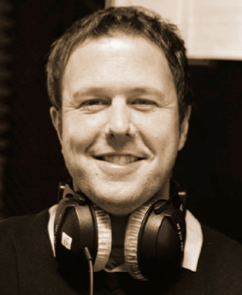
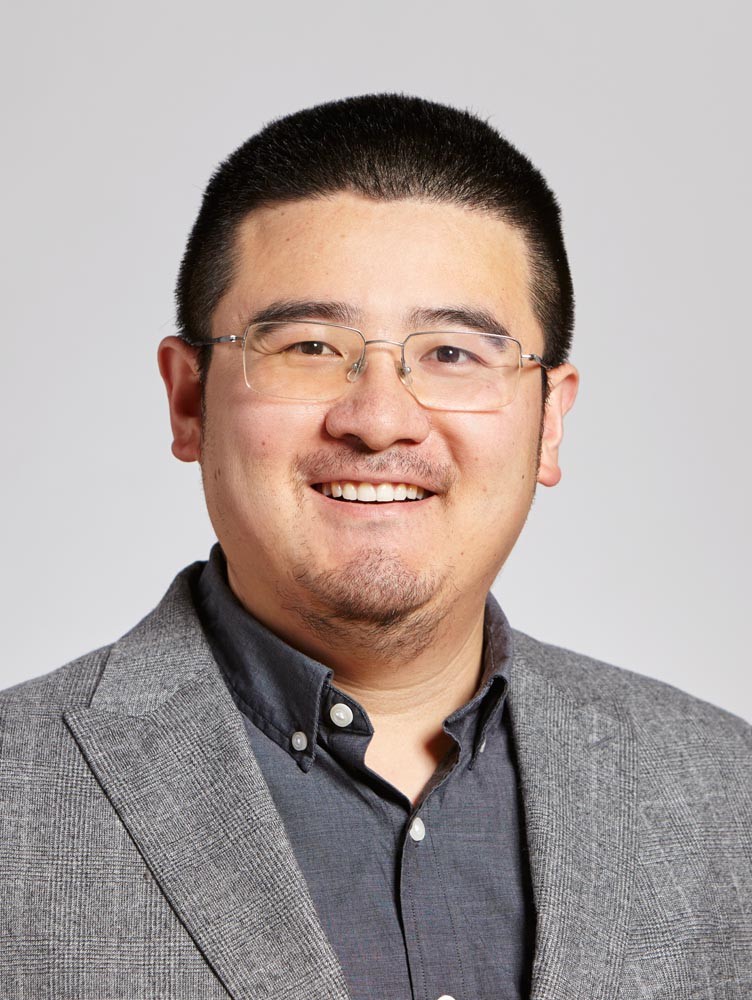
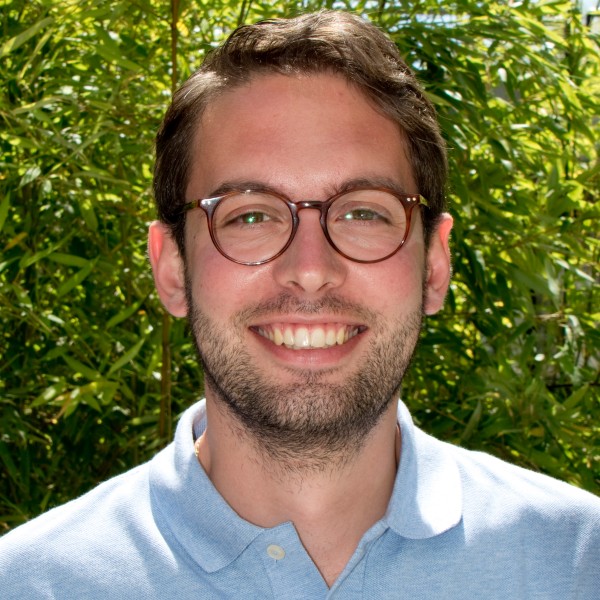
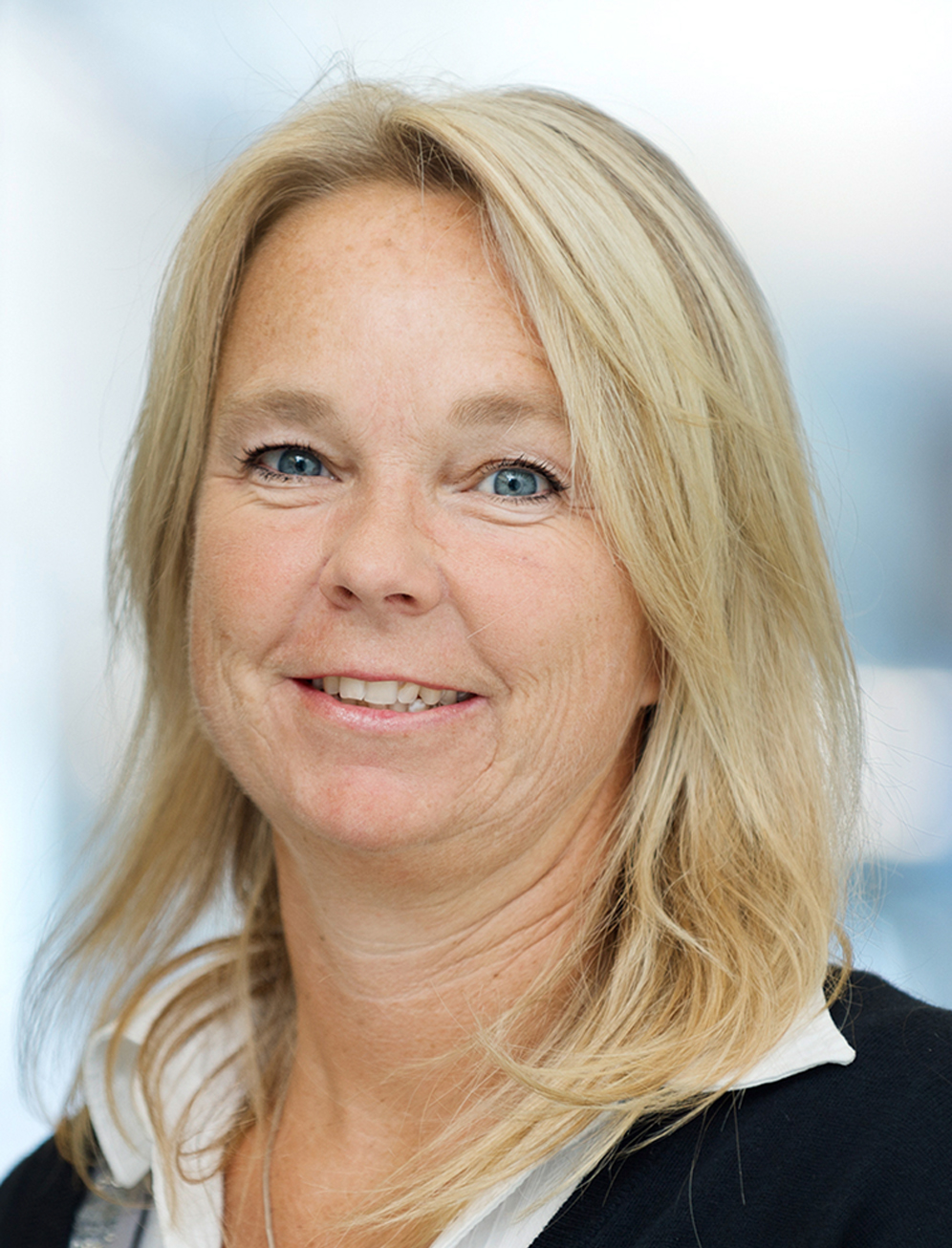
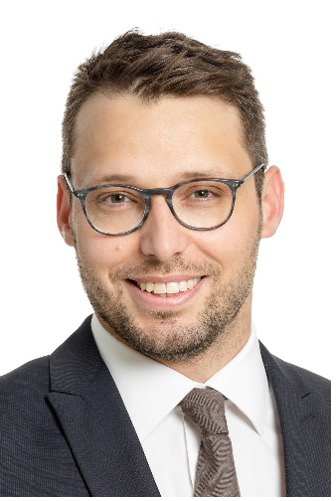
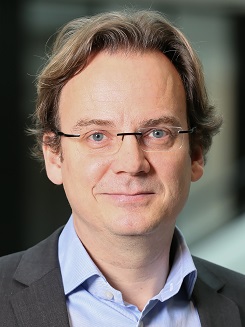
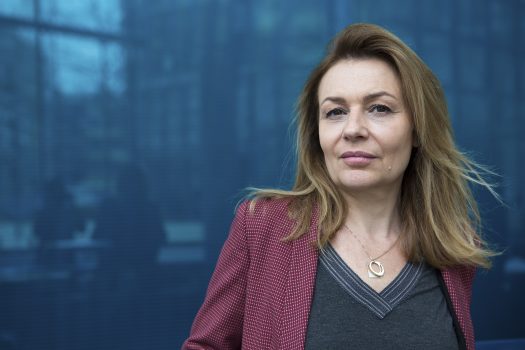
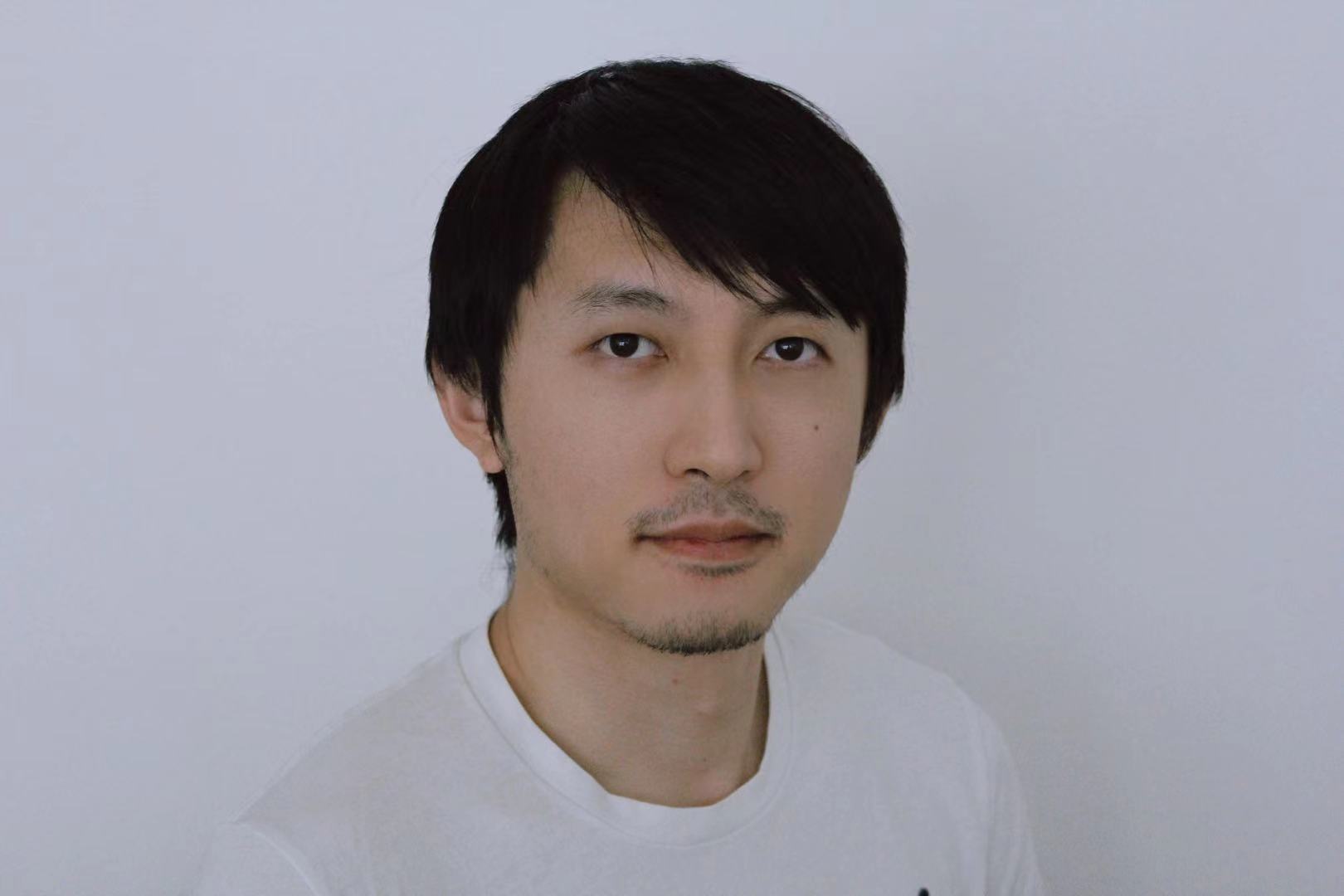
Prof. Dr. Volker Dellwo is an Associate Professor of Phonetics and head of the Department of Computational Linguistics. His research focuses on phonetics, speech recognition, computational linguistics, and dialectology, with applications in forensic analysis, voice biometrics, and multimodal emotion recognition. Academic Rank: Associate Professor Department: Computational Linguistics His work explores phonetic convergence , speaker discrimination, and the role of prosodic features in voice recognition. Recent studies analyze whispered speech processing, cross-dialect accommodation, and neural mechanisms of speaker identity encoding. Key article trends include self-supervised learning for speech recognition , multimodal emotion detection , and forensic voice analysis . Subfields span acoustic variability, temporal envelope dynamics, and voice quality metrics. Publications emphasize computational phonetics , cross-linguistic studies , and neural network applications in speaker identification. Research also addresses challenges in forensic audio analysis and synthetic speech dataset generation.
Prof. Dr. Rainer Riedl is the Head of the Competence Center for Drug Discovery and Organic & Medicinal Chemistry at the Zurich University of Applied Sciences (School of Life Sciences and Facility Management) . He leads numerous drug development projects targeting acute myeloid leukemia , Alzheimer's disease , antimicrobial resistance , and infectious diseases , with a focus on peptide therapeutics , targeted protein degradation , and structure-based drug design . His research combines medicinal chemistry and natural product-inspired design to develop antiviral agents (including against SARS-CoV-2 ), anti-inflammatory compounds , and novel antimicrobial delivery systems using extracellular vesicles . He has pioneered computational frameworks like CyBy2 for chemical data management and contributed to inhibitor development for matrix metalloproteinases and SENPs . Recent peer-reviewed publications highlight his work in drug resistance mechanisms , peptide engineering , and innovative antiviral strategies . He holds multiple international patents for CD93 inhibitors , skin cancer treatments , and antifungal compounds , reflecting translational impact of his research.
Bernhard Thomaszewski is a Lecturer at the Department of Computer Science at ETH Zürich. His research focuses on computational mechanics, robotics, and computer graphics, with an emphasis on simulation-based design and material modeling. He explores topics such as deformable contact, flexible materials, and robotic mechanisms. His work bridges theoretical foundations and practical applications, including medical imaging, garment simulation, and biomechanical systems. Notable research interests include the development of novel algorithms for real-time simulation, optimization-driven design of mechanical systems, and integration of machine learning with physical models. He has contributed to advancements in finite element modeling, differentiable simulation, and topology optimization for robotic and biomedical applications. His recent projects highlight interdisciplinary collaboration, addressing challenges in areas like orthodontic treatment prediction, automated pipeline design, and neural network-driven material characterization. While no specific grants or awards are explicitly listed, his prolific publication record underscores his impactful contributions to computational engineering and computer science.
Mutian Niu serves as an Assistant Professor at the Department of Environmental Systems Science, ETH Zurich, where he leads the Professorship for Animal Nutrition. His research addresses critical sustainability challenges in livestock production through innovative approaches to methane mitigation and precision animal nutrition. His primary research domains include Animal Nutrition , Dairy Science , and Methane Mitigation , with specific expertise in feed additives (3-nitrooxypropanol, microalgae), rumen fermentation dynamics, and physiological responses in dairy cattle. He integrates computational methods including machine learning for respiratory monitoring and video-based behavioral analysis, bridging animal science with environmental sustainability. Analysis of his recent publications reveals a strong interdisciplinary trajectory focused on practical methane reduction solutions. Key trends include methodological advancements in methane measurement validation, meta-analyses of feed additive efficacy, and emerging applications of computer vision for non-invasive health monitoring in dairy operations. His work consistently emphasizes environmental impact reduction while maintaining production efficiency in ruminant systems.
Prof. Dr. Aljosa Smolic is a Professor and Co-Head of the Immersive Realities Research Lab at Lucerne School of Computer Science and Information Technology, Lucerne University of Applied Sciences and Arts. He joined HSLU in 2022 and became Co-Head in 2023. Previously, he served as SFI Research Professor at Trinity College Dublin (2016-2021) where he led the V-SENSE group in visual computing, combining computer vision, graphics, and media technology. His career includes positions as Senior Research Scientist at Disney Research Zurich (2009-2016) and Scientific Project Manager at Fraunhofer HHI (2001-2009). He holds a PhD from RWTH Aachen University. Research focuses on immersive technologies including AR/VR, volumetric video, light-fields, and deep learning applications in visual computing. His work has resulted in over 50 Disney R&D projects, publications, patents, and technology transfers. Publications emphasize VR evaluation, volumetric video applications, 3D reconstruction, and XR in education, frequently employing deep learning and computer vision techniques. Awards and Recognition: IEEE ICME Star Innovator Award 2020 TCD Campus Company Founders Award 2020 Multiple best paper awards Co-founded Volograms (volumetric video startup) and holds editorial roles including Associate Editor for IEEE Transactions on Image Processing.
Jürgen Sauer is a Full Professor at the University of Fribourg , affiliated with the Department of Psychology under the Faculty of Letters and Human Sciences . With over 120 publications, his research focuses on Human-Machine Interaction , Usability Testing , User Experience (UX) , and Automation Design , particularly in high-stakes environments like X-ray baggage screening and spaceflight simulations . Email: juergen.sauer@unifr.ch Phone: +41 26 300 7622 Address: RM 01 bu. C-1.117, Rue PA de Faucigny 2, 1700 Fribourg Orcid: 0000-0003-2105-1694 His research projects, funded by the Swiss National Science Foundation (FNS), include: Improving work design for airport security officers (2019-2024): Developed pictorial scales for measuring psychological constructs in security environments. Social stress and support in hybrid teams (2018-2023): Investigated machine-induced social stressors and mitigation through social support. Automation in visual inspection tasks (2014-2018): Examined adaptable automation for baggage screening and system reliability effects. Usability testing effectiveness (2012-2016): Analyzed cultural background impacts and non-usability product features influencing test outcomes. Key contributions include the Luggage Inspection Simulation (LIS) environment for modeling work environments and the development of pictorial usability scales for multilingual applicability. His work bridges ergonomics , human factors , and applied psychology , with notable collaborations with researchers like Adrian Schwaninger and Andreas Sonderegger . His recent publications (2025-2014) analyze: Human-machine performance under false alarms and miscues Social stressor dynamics in hybrid teams Usability scale animation effects Phubbing behavior in professional contexts Accessible website design for non-disabled users
Dr. Stefano Buoso is a Lecturer at ETH Zürich's Department of Information Technology and Electrical Engineering, specializing in biomedical imaging and computational mechanics. His research focuses on cardiovascular modeling, fluid-structure interaction, and reduced-order modeling. He holds a position in the Professur für Biomedizinische Bildgebung (Biomedical Imaging Professorship). Key research areas include computational fluid dynamics applied to cardiovascular systems, development of machine learning tools for medical imaging (e.g., MRI and echocardiography), and creation of patient-specific numerical phantoms. His work bridges engineering and medicine, with applications in clinical diagnostics and personalized medicine. Recent articles emphasize innovations like automated 3D heart modeling from 2D echocardiography, synthetic MRI data generation, and turbulence analysis in aortic flow. He has developed open-source tools like CMRsim for cardiovascular simulations. Buoso collaborates on digital twin technologies for carotid artery disease assessment and fluid dynamics modeling of biological systems. His technical contributions include methods for rapid mesh generation, stabilized reduced-order models, and MRI-guided cardiac shape modeling. Research spans from microvascular neurovascular unit studies to bio-inspired membrane wing aerodynamics, reflecting interdisciplinary expertise.
Prof. Dr. Annette Liesegang serves as a Professor at the Institute of Animal Nutrition and Dietetics within the Vetsuisse Faculty of the University of Zurich. Her research focuses on bone and cartilage physiology, obesity, and clinical nutrition impacts across multiple animal species including ruminants, dogs, reptiles, pigs, and birds. Her primary research interests encompass bone metabolism, mineral nutrition, comparative physiology, and veterinary diagnostics. She specializes in bone marker analysis, bone mineral density measurement via quantitative peripheral computed tomography, and calcium absorption mechanisms using immunohistochemical methods. Her work investigates physiological and nutritional influences on bone resorption/formation dynamics during critical periods like gestation and lactation, with extensive species-specific expertise. Analysis of her 2024-2025 publications reveals dominant research themes in calcium metabolism (particularly in sheep/goats), urolithiasis pathogenesis across species, vitamin D optimization, and clinical dietary interventions for conditions like intestinal malabsorption. Methodological innovations include in-vitro digestion models and UVB-irradiated feed development, reflecting her translational approach from basic bone physiology to practical animal nutrition solutions. Scientific awards: No scientific awards were documented in the provided materials. Prof. Liesegang mentors thesis students and leads collaborative research projects, notably with Prof. Brigitte von Rechenberg on growth plate physiology in foals and lambs. Her work leverages institutional facilities including specialized CT equipment and laboratory infrastructure for biochemical analysis, though specific grant details remain unreported in the source text. The Institute of Animal Nutrition and Dietetics operates dedicated animal research facilities with stables for multiple species and managed sheep/goat herds under veterinary supervision. These resources enable controlled studies on bone metabolism, dietary interventions, and species-specific nutrition, supporting her extensive publication record in veterinary and comparative nutrition science.
Prof. Dr. Joel Zindel is a faculty member at ETH Zurich's Institute of Molecular Health Sciences, leading a translational research group focused on tissue repair and scarring. He previously established his lab at the University of Bern (2023) before migrating to ETH Zürich in August 2025. His work bridges clinical surgery and immunology, targeting post-surgical complications like adhesions and fibrosis. Education: Medical Degree & MD, University of Bern PhD in Immunology, University of Bern SNSF-sponsored Research Fellowship, Canada Research Focus: The Zindel Lab investigates three key areas: (i) peritoneal macrophage biology in injury detection, (ii) mesothelial-to-mesenchymal transition in scarring, and (iii) foreign body responses in body cavities. Using intravital microscopy and clinical cohort studies, the lab explores immune-mesothelial interactions and druggable pathways. Publication Trends: Recent work emphasizes macrophage roles in regeneration, EGFR signaling in fibrosis, and technological innovations in surgical skill assessment. Key methodologies include spatial transcriptomics and multiphoton imaging. Scientific Awards: Max Cloëtta Research Fellowship SNSF Starting Grant Advising & Collaborations: Leads a team including PhD students (John Li Flores Alvarez, Agnes Huber, Brooke Slade) and postdoc Tea Kocijan. Collaborates with (bio)material engineers like Prof. Inge Herrmann and Prof. Mark Tibbitt.
Auke Jan Ijspeert is a full professor at the École Polytechnique Fédérale de Lausanne (EPFL), where he serves as head of the Biorobotics Laboratory (BioRob). He holds a primary affiliation with the Institute of Bioengineering and a secondary affiliation with the Institute of Mechanical Engineering. His academic leadership and research excellence have established him as a leading figure in bio-inspired robotics and computational neuroscience. B.Sc./M.Sc. in Physics, École Polytechnique Fédérale de Lausanne (EPFL), 1995 Ph.D. in Artificial Intelligence, University of Edinburgh, 1999 Postdoctoral research at IDSIA/EPFL and University of Southern California (USC) SNF Assistant Professor at EPFL, 2002 Promoted to Associate Professor, October 2009 Promoted to Full Professor, April 2016 His research lies at the intersection of robotics, computational neuroscience, nonlinear dynamical systems, and applied machine learning. He investigates animal locomotion and movement control using numerical simulations and robotic platforms, aiming to understand biological principles and apply them to novel robot designs and controllers. His work has led to groundbreaking robots like the salamander-inspired Pleurobot and amphibious robotic systems. He also explores applications in assistive technologies such as exoskeletons and smart furniture for people with limited mobility. The recent publications reflect a strong trend in bio-inspired robotics, neuromechanical modeling, and the use of robots to understand biological locomotion. Key themes include spinal cord modeling for gait control, amphibious and aquatic locomotion, central pattern generators, and the evolutionary transition from swimming to walking. His work integrates neuroscience, biomechanics, and robotics to create physical models that serve both engineering and scientific discovery purposes. Scientific Awards and Honors: IEEE Fellow (2020) Best Paper Prize, CLAWAR 2019 Best Conference Paper Award, SAB 2018 Best Paper Award, IEEE RO-MAN 2014 Best Paper Award, IEEE Humanoids 2007 Overall Best Paper Award, IEEE ICRA 2002 Young Professorship Award, Swiss National Science Foundation Marie Curie Scholarship, European Commission Auke Ijspeert has been actively involved in academic service, serving as an associate editor for IEEE Transactions on Robotics (2009–2013) and Soft Robotics (2018–2021), and as an associate editor for IEEE Transactions on Medical Robotics and Bionics and the International Journal of Humanoid Robotics. He has secured major funding from the Swiss National Science Foundation, Human Frontier Science Program, European Commission (FP7, H2020), Human Brain Project, and other international agencies. He has organized seven major international conferences and served on over 50 program committees. His laboratory, BioRob, is a hub for interdisciplinary research, training students and researchers in biorobotics, and fostering collaboration across neuroscience, robotics, and biomechanics.
Anthony Masure is an Associate Professor at Geneva University of Art and Design (HEAD – Genève) , part of the University of Applied Sciences and Arts Western Switzerland (HES-SO) . His work bridges Artificial Intelligence , Blockchain , and Digital Humanities through critical design lenses. He explores tensions between creative automation and human agency , questioning how machine learning and smart technologies reshape authorship, value systems, and ecological practices in design. Key research areas: AI ethics , NFT implications , post-digital design , and technological accountability Projects like "Design et machine learning : l'automatisation au pouvoir?" (2021-2023) and "Post digital Graphic Design" (2019-2022) demonstrate his focus on critical technological engagements Advocates for open access and non-traditional research formats through initiatives like HEAD-Publishing His recent articles analyze generative AI in design, NFT governance , and circular design frameworks. Collaborations with researchers like Guillaume Helleu and Yves Citton emphasize socio-technical implications. Current projects include "L'organisation autonome automatisée (OAA)" (2024), exploring future enterprise models under climate constraints.
Anne-Lise Giraud is a Professor and Group Leader at the Faculty of Medicine, University of Geneva, where she directs a research laboratory focused on the neural mechanisms underlying language and vocal communication. Her work bridges experimental neurophysiology, computational neuroscience, and clinical applications for language disorders. Her research interests encompass: Neural bases of speech and language processing Audio-visual integration in communication Brain-Computer Interfaces for speech communication Neural mechanisms of language disorders (dyslexia, autism, aphasia) Computational modeling of speech processing Comparative studies of vocal communication across species Dr. Giraud's recent publications demonstrate a sophisticated integration of multiple neuroimaging techniques (EEG, fMRI, MEG) with computational approaches to understand both typical and atypical speech processing. A notable trend in her work is the emphasis on neural oscillations as fundamental mechanisms for speech perception, with applications ranging from understanding autism spectrum disorders to developing brain-computer interfaces for communication-impaired individuals. Her research increasingly explores cross-species communication mechanisms, as evidenced by her recent work on dog-human vocal interactions. Her laboratory at Campus Biotech includes multiple graduate students, postdocs, and research assistants working collaboratively on various aspects of language neuroscience.
Dr. Sandra Milena Bernal Ulloa is a Lecturer at the Department of Environmental Systems Science at ETH Zürich , Switzerland. Her research focuses on reproductive biology and embryonic diapause in wildlife species, particularly the European roe deer (Capreolus capreolus). Position: Lecturer Department: Environmental Systems Science Institution: ETH Zürich, Switzerland Her work explores the molecular mechanisms of embryonic dormancy, fetal development anomalies, and assisted reproductive technologies. She has developed novel cryopreservation protocols for pig embryos and pioneered stem cell research in roe deer. Publications span topics including: Embryonic Diapause: Follicular dynamics, cell proliferation rates, and endocrine interactions Genomics: Pangenome analysis of bovine depigmentation traits Wildlife Conservation: Reproductive anomalies and their implications for captive breeding programs Recent publications (2019-2025) demonstrate her expertise in wildlife reproductive physiology and embryology. Key collaborations include Dr. Susanne E. Ulbrich and international researchers in veterinary and computational biology. Contact: sandra.bernal@usys.ethz.ch
Jie Song is a postdoctoral researcher at ETH Zurich affiliated with the Advanced Interactive Technologies lab. Their work bridges structured information and deep learning pipelines, with applications in hand/body-pose estimation, 3D human reconstruction, and view synthesis. Research Interests: Deep Learning, Computer Vision, 3D Reconstruction, Human Pose Estimation, Motion Capture, 6D Pose Estimation Affiliation: ETH Zurich, Advanced Interactive Technologies lab Jie's recent publications (2023-2025) focus on monocular video-based 3D human modeling, Gaussian rendering, and motion synthesis. Collaborations span institutions like ETH Zurich and MPI Tuebingen, with applications in robotics, augmented reality, and sports analytics. Scientific Awards: 3DV Best Paper Award (2017), Qualcomm Innovation Fellowship Finalist (2015), Swisscom Innovation Award (2014), Birkigt Scholarship (2013), National Scholarship (2009/2010) Jie has supervised multiple student projects, including personalized neural avatars and skeleton-based motion modeling. They serve as a Teaching Assistant for courses like Visual Computing and Machine Perception at ETH Zurich.
Michele Lanza is a Full Professor at the Faculty of Informatics, Università della Svizzera italiana (USI), Lugano, where he co-founded the faculty in 2004. He is the founder and director of the Software Institute (since 2017) and leads the REVEAL research group, focusing on software visualization, evolution, and analytics. He holds a PhD from the University of Bern (2003), where he also earned his MSc (1999), and was a postdoctoral researcher at the University of Zurich. Research Interests: Software Engineering Software Visualization (notably the 'City Metaphor') Mining Software Repositories (MSR) Software Evolution and Analytics Program Comprehension Reverse Engineering and Architecture Recovery His recent publications (2023–2025) emphasize immersive software visualization in virtual reality, automated documentation, code refactoring, and empirical studies on developer behavior and documentation. There is a strong trend toward human-centric, visual, and data-driven approaches, often leveraging VR and interactive tools for deeper software understanding. Scientific Awards: Ernst Denert Award (2003) Credit Suisse Teaching Award (2007, 2009) Best Paper Awards (SANER 2024, VISSOFT 2022, ICPC 2016) Most Influential Paper Award (MSR 2010) Advising and Grants: Prof. Lanza has supervised over 13 PhD students and numerous MSc and BSc theses, fostering a vibrant research group. He leads multiple funded projects, including SNF grants (FORCE, TUML, INSTINCT, PROBE, ESSENTIALS, BIGDATA), FFL (CSRD), and industry R&D initiatives. Funding supports travel, hardware, software, and PhD positions, enabling cutting-edge research in software engineering. Labs and Teams: He leads the REVEAL research group and the Software Institute at USI, which serve as hubs for innovation in software visualization, mining, and evolution. These teams are highly collaborative, interdisciplinary, and active in top-tier conferences (ICSE, FSE, ICSME, MSR, VISSOFT).