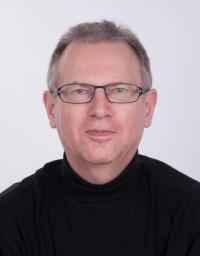
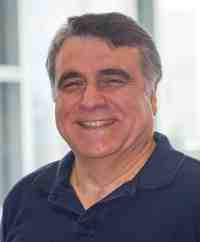
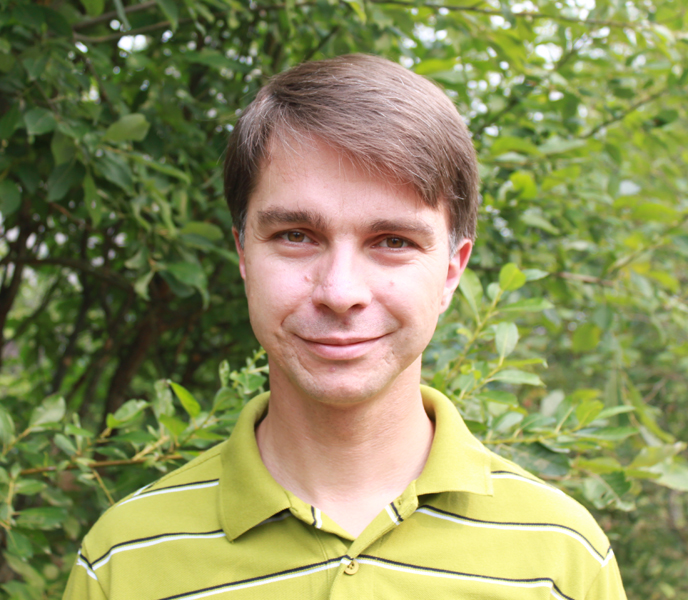
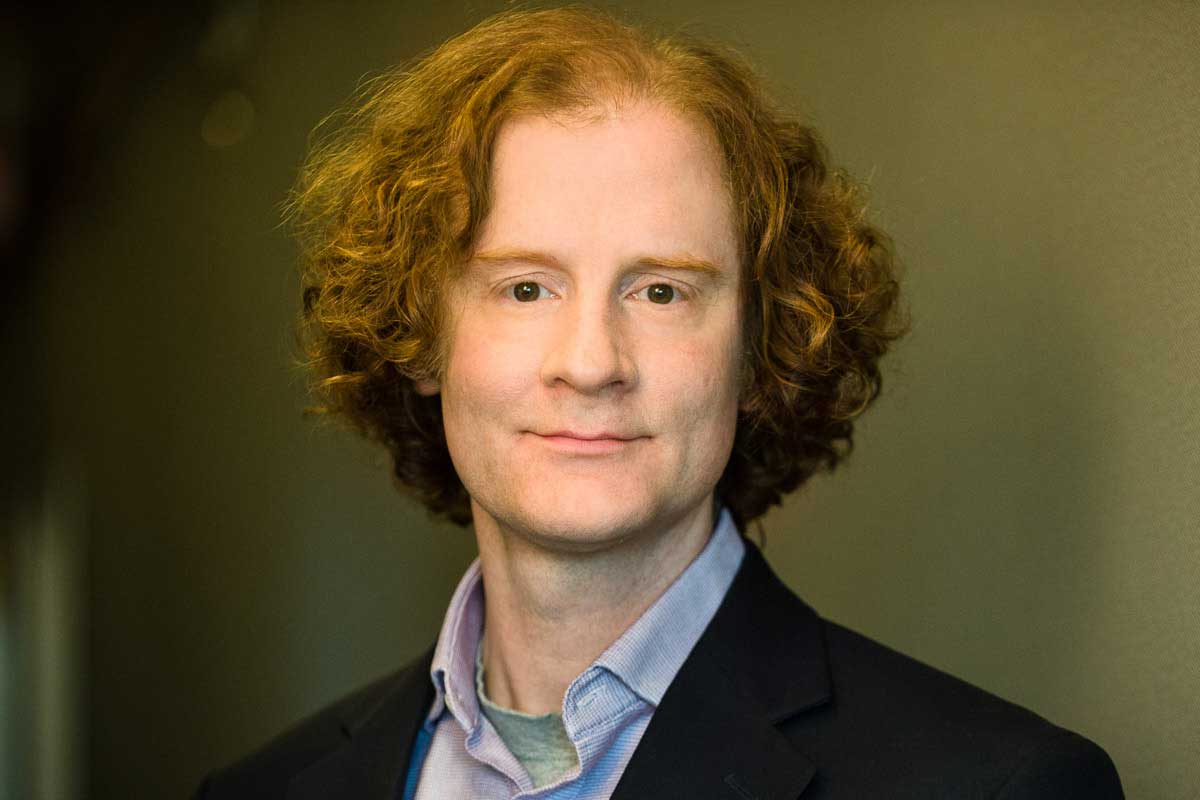
Prof. Kai S. Exner is a Professor of Theoretical Inorganic Chemistry at the University of Duisburg-Essen's Faculty of Chemistry and a member of the Zentrum für Medizinische Biotechnologie (ZMB). His research focuses on electrocatalysis , particularly optimizing electrode materials for energy applications such as batteries, electrolyzers, and fuel cells. He employs computational methods like ab initio calculations and microkinetic modeling to bridge theoretical insights with experimental and industrial applications, emphasizing sustainable catalyst design without relying on noble metals. His work integrates basic research with applied medical biotechnology through ZMB collaborations, though his primary affiliation lies in the Faculty of Chemistry. Exner has pioneered concepts like the electrochemical-step asymmetry index and free-energy span model, which are critical for screening electrocatalysts. His research group, 'Theoretical Inorganic Chemistry,' actively explores mechanisms behind oxygen and chlorine evolution reactions, emphasizing selectivity control and reaction pathway complexity. Exner received the Gottschalk-Diederich-Baedeker-Preis (2024) for advancing the energy transition through foundational electrocatalysis research. He leads Aktuelles Projekt funded by third-party grants and collaborates with facilities like the Analytics Core Facility Essen (ACE) and Imaging Center Campus Essen (ICCE). His advisory role focuses on guiding theoretical and computational approaches in electrochemistry, and he has established a reputation for interdisciplinary research connecting computational chemistry with practical energy solutions.
Peter Gingell is a Researcher at the University of Warwick's Physics Centre for Fusion, Space and Astrophysics. His work focuses on plasma dynamics in fusion and space environments, particularly ion-gyro-scale blobs in magnetically confined plasmas. He developed a 2D hybrid code for simulating plasma blob evolution, combining kinetic ion treatments with electron fluid models. His research addresses coherent plasma structures critical to understanding energy transport in fusion devices like tokamaks. Funded by the Engineering and Physical Sciences Research Council (EPSRC), his project is supervised by Prof Sandra Chapman and Prof Richard Dendy. He has published in Plasma Physics and Controlled Fusion , contributing to advancements in plasma simulation methodologies. His office is PS143, and he can be reached at p.gingell@warwick.ac.uk.
Hanjie Chen is an Assistant Professor in the Department of Computer Science at Rice University, affiliated with the Ken Kennedy Institute. She holds a Ph.D. from the University of Virginia and a Master's from the University of Science and Technology of China. Her research focuses on Natural Language Processing, Interpretable Machine Learning, and Trustworthy AI, emphasizing model explainability, alignment with human needs, and applications in healthcare, sports, and medicine. She has advised numerous students and led initiatives in AI ethics and education. Education: Ph.D. (Computer Science, UVA 2023), M.Sc. (USTC 2018), B.Sc. (Nanjing University of Aeronautics and Astronautics 2015). Awards include the Outstanding Doctoral Student Award (UVA 2023) and John A. Stankovic Research Award (UVA 2023). She has organized workshops like BlackboxNLP and served on program committees for ACL, NAACL, and EMNLP. Her recent work includes developing benchmarks like SPORTU for multimodal LLMs, evaluating medical question-answering systems, and advancing methods for robust rationale evaluation (RORA). She teaches courses on Natural Language Processing and Trustworthy NLP, emphasizing pedagogical innovation recognized by teaching awards at UVA. Research collaborations include internships at Microsoft Research, IBM, and the Allen Institute for AI. She mentors students in SURF programs and advocates for diversity in tech, serving as a mentor in UVA's CSGSG Council.
Professor Thomas Bein is affiliated with the Department of Chemistry at Ludwig-Maximilians-Universität München (LMU) , where he leads the Functional Nanosystems research group. His work focuses on synthesizing and characterizing nanostructured materials with applications in energy, catalysis, and biomedical delivery. Mesoporous nanoparticles for drug delivery Semiconductor nano-morphologies for photovoltaics Photoelectrochemical water splitting Metal-organic frameworks (MOFs) Electroactive networks His research emphasizes atomic-scale control of material architectures using self-assembly, hydrogen bonding, and covalent interactions, enabling precise tuning of electronic, optical, and catalytic properties. A review of his recent publications reveals cutting-edge investigations into covalent organic frameworks (COFs), perovskite-inspired solar materials, and functional nanoparticle systems. Key trends include optimizing energy conversion efficiency, enhancing stability in optoelectronic devices, and exploring bio-compatible nanocarriers for targeted therapies. Professor Bein’s group actively contributes to interdisciplinary projects at the intersection of chemistry, physics, and biomedical engineering, with ongoing collaborations in solar energy, sustainable materials, and nanomedicine.
Harris H. Wang is an Associate Professor in the Department of Systems Biology and Department of Pathology and Cell Biology at Columbia University's Vagelos College of Physicians and Surgeons, where he also serves as Interim Chair of Systems Biology. He is affiliated with the Center for Computational Biology and Bioinformatics (C2B2) and the Integrated Program in Cellular, Molecular and Biomedical Studies (CMBS). B.S., Physics and Mathematics, MIT Ph.D., Biophysics, Harvard University Dr. Wang's research lies at the intersection of systems and synthetic biology, focusing on developing foundational technologies for genome engineering, microbiome manipulation, and synthetic genomics. His lab pioneers methods such as MAGE, MAGIC, CAST, and CAMII to enable high-throughput genetic manipulation, in situ microbiome engineering, and AI-driven microbial culturomics. Key research themes include understanding microbial community dynamics, engineering cellular memory systems, designing biocontained genetic circuits, and applying synthetic biology to human health challenges in personalized medicine and infectious disease. His recent publications reveal a strong trend in spatial and functional metagenomics, CRISPR-based microbiome editing, and synthetic biology tools for data storage and genetic stability. The articles span high-impact journals like Nature , Science , and Nature Biotechnology , reflecting his leadership in developing scalable, programmable biological systems. Scientific Awards: NIH Director’s Early Independence Award Forbes 30 Under 30 in Science Sloan Research Fellowship NSF CAREER Award ONR Young Investigator Award Burroughs Wellcome Fund PATH Award Schaefer Scholar Blavatnik National Award Vilcek Prize PECASE Dr. Wang has advised numerous PhD and postdoctoral researchers, many of whom have gone on to independent scientific careers. His lab is supported by major grants from NIH, NSF, DARPA, DOE, and foundations including the Bill & Melinda Gates Foundation and CZ Biohub NY. He is actively involved in educational initiatives, including organizing Columbia’s iGEM team and the Cold Spring Harbor Laboratory Synthetic Biology course. The Wang Lab is based at the Columbia University Irving Medical Center and is part of national consortia such as the Engineering Biology Research Consortium (EBRC) and the Genome Project-Write (GP-Write) initiative. The lab develops and applies cutting-edge technologies in automation, machine learning, and synthetic biology to engineer microbiomes for applications in medicine, global health, and climate change.
Erik Ketzan is a Lecturer in Digital Humanities and Cultural Computation at King's College London. He holds a PhD in English/Digital Humanities from Birkbeck, University of London, and has held postdoctoral roles at the University of Cologne and Trinity College Dublin, where he coordinated the MA in Digital Humanities and Culture. His research focuses on computational literary studies, legal/ethical issues in digital research, and corpus stylistics. He has published widely on topics such as Thomas Pynchon’s computational stylistics, legal frameworks for digital humanities research, and gender bias in historical texts. His work includes developing tools like Coleto for textual variant analysis and co-authoring the book *Thomas Pynchon and the Digital Humanities* (2022). Ketzan actively engages in policy advocacy, advising on copyright and data protection in DH, and has contributed to projects like CLARIN and the Leibniz Institute for the German Language. Education: PhD in English/Digital Humanities, Birkbeck, University of London Postdoctoral Researcher, University of Cologne (EncycNet Project) Postdoctoral Research and Teaching Fellow, Trinity College Dublin Research Interests: Computational approaches to literary analysis, legal challenges in data-driven research, corpus stylistics, and gender studies in historical corpora. Teaching: Courses include Python for the humanities, computational literary studies, and legal issues in digital humanities.
Bernard Comrie is a Research Professor Emeritus in Linguistics at the University of California, Santa Barbara (UCSB), affiliated with the College of Letters and Science. He previously served as Director of the Department of Linguistics at the Max Planck Institute for Evolutionary Anthropology in Leipzig (1998–2015) and held a Distinguished Professorship at UCSB (2002–2021). His career includes teaching positions at the University of Cambridge, University of Southern California, and leadership roles in major research institutions. Comrie’s research focuses on Language universals and typology Historical linguistics Languages of the Caucasus, New Guinea, and Great Andamanese He emphasizes fieldwork-driven cross-linguistic analysis of topics like tense/aspect, transitivity, numeral systems, and prehistoric migration studies through collaborations with archaeologists and geneticists. His recent publications explore morphosyntactic variation (e.g., verb indexing in Asian languages, reflexivity in Tsez), language contact (Kanashi prehistory), and numeral system typology. Articles often bridge theoretical linguistics with empirical data from understudied languages. Notable contributions include the World Atlas of Language Structures and foundational work on Nakh-Daghestanian and Andamanese languages. He advocates for interdisciplinary approaches to reconstructing prehistoric human movements via linguistic evidence.
Romain Lopez is an Assistant Professor of Computer Science and Biology at New York University, with a joint appointment in the Courant Institute of Mathematical Sciences and the Department of Biology. He will be joining NYU in September 2025, bringing expertise at the intersection of machine learning and computational biology. Prior to joining NYU, he was a Postdoctoral Fellow at Genentech and Stanford Medicine from 2021 to 2025, working with Jonathan Pritchard and Aviv Regev. Dr. Lopez received his educational training at prestigious institutions: PhD in Computer Science (2021) from the University of California, Berkeley, advised by Mike Jordan and Nir Yosef M.S. in Applied Mathematics (2016) from École polytechnique, Palaiseau, France Dr. Lopez's research focuses on developing machine learning methods to understand biological systems at the cellular level. His work bridges computational techniques with biological applications, particularly in single-cell and spatial omics analysis. He pioneered probabilistic approaches for single-cell analysis with scVI and co-developed scvi-tools, now widely adopted tools in the field. His research spans deep generative models, causal inference, perturbation modeling, and representation learning for biological data. His publication record demonstrates a consistent trajectory of innovation in computational biology, with recent work focusing on spatial biology, disentangled representations of cellular perturbations, and causal modeling of cellular responses. He has made significant contributions to the field of single-cell analysis, developing methods that help scientists interpret complex cellular data and predict how cells respond to various perturbations. Dr. Lopez has received numerous honors and awards for his research: Best Paper Award from the ICML Workshop on AI for Science (2024) Best Paper Award Honorable Mention from the AAAI Conference on Artificial Intelligence (2021) Best Student Poster Award from the ICML Workshop on Computational Biology (2019) UC Berkeley EECS Departmental Graduate Fellowship (2016) Carnot Foundation Fellowship (2016) Monahan Foundation Fellowship (2016) French National Defence Medal, Bronze Echelon (2014) At NYU, Dr. Lopez will lead the Biological Machine Learning group, which develops probabilistic machine learning methods to uncover biological mechanisms governing cellular behavior and disease. His lab focuses on creating tools that transform complex cellular data into biological insights, with applications in understanding cancer, immune responses, and fundamental cellular processes. His work has significant implications for precision medicine and drug discovery.
Anca Dragan is an Associate Professor in the Department of Electrical Engineering and Computer Sciences at the University of California, Berkeley, where she runs the InterACT Lab focused on algorithms for human-AI and human-robot interaction. Currently on leave from Berkeley, she leads AI Safety and Alignment at Google DeepMind, overseeing safety for Gemini models and preparing for future advancements. Dragan has been a co-PI of the Center for Human-Compatible AI and served on the steering committee for the Berkeley AI Research (BAIR) Lab. B.Sc. in Computer Science from Jacobs University Bremen, Germany Ph.D. from Carnegie Mellon University Dr. Dragan's research focuses on enabling AI agents to work effectively with, around, and in support of people. Her work bridges robotics, machine learning, and game theory to create systems that better understand human preferences and coordinate with users. Key areas include AI alignment (ensuring AI does what people actually want), learning reward functions from diverse human feedback forms, and developing algorithms for human-AI collaboration across domains like autonomous vehicles, brain-machine interfaces, and recommender systems. Her research emphasizes maintaining uncertainty about human preferences and accounting for the plurality of human values. Dr. Dragan's recent publications reveal a strong focus on addressing fundamental challenges in AI safety and alignment. Her work spans theoretical foundations of reward learning, practical implementations for human-AI coordination, and critical examinations of limitations in current approaches. There's a clear trajectory toward more robust, safe, and value-aligned AI systems that can handle complex human preferences while avoiding both present-day harms and potential catastrophic risks. IEEE RAS Early Academic Career Award in Robotics and Automation (2021) McEntyre Award for Excellence in Teaching (2020) PECASE (Presidential Early Career Award for Science and Engineering) (2019) Sloan Fellowship (2018) NSF CAREER Award (2017) Okawa Foundation Award (2017) MIT Tech Review 35 Innovators Under 35 (2017) Multiple best paper awards at top robotics and AI conferences Dr. Dragan has mentored numerous successful students who have gone on to faculty positions at MIT, Stanford, CMU, and Princeton, as well as industry roles at DeepMind, Waymo, and Meta. Her advising philosophy emphasizes both technical rigor and consideration of broader societal impacts. She has secured significant research funding including NSF CAREER, ONR Young Investigator, and Okawa Foundation awards, supporting work on human-AI interaction and alignment. Dragan has also consulted for Waymo for six years, helping develop roadmaps for deploying increasingly learning-based safety-critical systems. Dr. Dragan leads the InterACT Lab at UC Berkeley, which has produced influential work on Cooperative Inverse Reinforcement Learning, Inverse Reward Design, and other foundational concepts in human-AI interaction. The lab's research has significantly shaped the field of AI alignment, with applications spanning autonomous vehicles that coordinate with human drivers, brain-machine interfaces that adapt to user needs, and language models that better understand human preferences. Current work focuses on scaling safety approaches as AI capabilities advance, ensuring alignment keeps pace with technological progress.
Douglas Stanford is an American theoretical physicist and Associate Professor of Physics at the Stanford Institute for Theoretical Physics, Stanford University. His work focuses on the intersection of quantum mechanics, gravity, and black hole physics. Dr. Stanford's educational background includes: B.S. in Physics and Mathematics from Stanford University (2009) M.S. in Mathematics from the University of Cambridge (2010), where he was a Marshall Scholar Ph.D. in Physics from Stanford University (2014), supervised by Leonard Susskind Stanford's research primarily explores the connections between quantum gravity, quantum field theory, and string theory. His groundbreaking work has focused on understanding the quantum mechanics of black holes through the lens of chaos theory, particularly examining the butterfly effect in black hole systems. He has made significant contributions to the ER=EPR conjecture, which proposes a deep connection between quantum entanglement (EPR) and wormholes (ER bridges), potentially resolving the black hole information paradox. His research often bridges theoretical physics with concepts from information theory and quantum computing. Stanford's publications reveal a strong focus on quantum chaos, black hole physics, and the connections between quantum mechanics and gravity. His work frequently examines the Sachdev-Ye-Kitaev model, traversable wormholes, and the mathematical structures underlying quantum gravity. The progression of his research shows an evolution from foundational work on black hole chaos to more complex explorations of quantum information in gravitational systems. Dr. Stanford has received several prestigious awards for his contributions to theoretical physics: Blavatnik Awards for Young Scientists (2017) for work in quantum gravity and condensed matter physics New Horizons in Physics Prize (2018) for improving understanding of quantum mechanics of black holes via chaos theory Gribov Medal (2019) for work on quantum chaos and its relation to near-horizon dynamics of black holes After completing his Ph.D. under Leonard Susskind at Stanford, Stanford conducted postdoctoral research at the Institute for Advanced Study in Princeton from 2014 to 2019. During this time, he collaborated extensively with leading physicists including Juan Maldacena and Edward Witten. He joined Stanford University as an assistant professor in 2019 and was promoted to associate professor by 2020. While specific grant information isn't detailed in the provided text, his prestigious awards suggest significant research funding support for his work in quantum gravity and black hole physics. Stanford is affiliated with the Stanford Institute for Theoretical Physics, where he continues his research on quantum gravity, black holes, and quantum information. His work is deeply connected to the broader theoretical physics community at Stanford, which has a strong tradition in string theory and quantum gravity research.
Christos Faloutsos is the Fredkin Professor of Computer Science at Carnegie Mellon University, with a courtesy appointment in Electrical and Computer Engineering. He holds a B.Sc. from the National Technical University of Athens and M.Sc./Ph.D. from the University of Toronto. His research focuses on data mining, graph analysis, fractals, and database systems. Notable contributions include foundational work on R-trees, graph mining laws (e.g., Kronecker graphs), and applications in medical imaging, network security, and fraud detection. Key projects include PEGASUS (petascale graph mining), fraud detection in online auctions (NetProbe), and tools for human trafficking analysis (TrafficVis). He has led NSF-funded projects on tensor mining, network anomaly detection, and bioinformatics. Over 300 refereed publications highlight his contributions across databases, data mining, and networks. Awards include the KDD Best Paper (2005, 2016), SIGMOD Test-of-Time Award, and recognition as a top nurturer in IT. His lab collaborations span the Parallel Data Lab (PDL), Machine Learning Department, and Computational Biology.
Andrew Stephen is the L’Oréal Professor of Marketing and Deputy Dean for Faculty and Research at Saïd Business School, University of Oxford. He leads the Marketing faculty and directs the Oxford Future of Marketing Initiative, focusing on emerging technologies like AI and data-driven strategies in marketing, media, and advertising. His research explores digital marketing, consumer behavior, and the impact of new technologies, earning him recognition as a top global marketing scholar. His academic contributions span leading journals such as the Journal of Consumer Research and Harvard Business Review. He serves as editor of the Journal of Consumer Research, co-editor of the International Journal of Research in Marketing, and actively engages with industry through councils like the Mobile Marketing Association’s Brand Safety Council. Teaching responsibilities include marketing curriculum oversight and courses across MBA, Executive MBA, and DPhil programs, focusing on digital transformation, marketing analytics, and the future of marketing. His work bridges academic rigor with industry relevance, addressing challenges in tech-enabled marketing and global brand strategies. Awards: Top marketing academic in the UK (AMA), featured in Poets & Quants’ top 40 under 40, multiple research excellence awards. Labs/Initiatives: Oxford Future of Marketing Initiative, fostering collaborations with leading companies to tackle industry challenges. Grants/Advising: Extensive industry partnerships and academic grants not explicitly detailed in the text.
Stanislav Smirnov is a Professor at the University of Geneva's Department of Mathematics since 2003 and Head of the Chebyshev Laboratory at St. Petersburg State University since 2010. He holds a Ph.D. from the California Institute of Technology (1996) and a B.Sc./M.Sc. from St. Petersburg State University (1992). His research focuses on mathematical physics, probability, complex analysis, and dynamical systems, with groundbreaking contributions to the understanding of critical phenomena in statistical physics. Key achievements include receiving the Fields Medal (2010), the highest honor in mathematics, for his work on percolation and the Ising model. He has organized major international conferences, such as the 'St. Petersburg School in Probability & Statistical Physics' (2012) and the '2D Statistical Physics Workshop' (2013). His academic career includes positions at Yale University, the Max-Planck Institute, and KTH Royal Institute of Technology. Education: Ph.D., Mathematics, California Institute of Technology (1996) B.Sc./M.Sc., Mathematics (with honors), St. Petersburg State University (1992) Awards: Fields Medal (2010) European Research Council Advanced Grants (2008, 2013) Rollo Davidson Prize (2002) Salem Prize (2001) Smirnov’s research bridges probability theory and complex analysis, with notable results on conformal invariance in two-dimensional models. His work has advanced understanding of critical exponents, percolation thresholds, and the universality of phase transitions. He advises doctoral students and collaborates internationally on projects funded by Swiss and European grants. He co-organized over 20 conferences worldwide, including plenary talks at the International Congress of Mathematicians (2006, 2010) and the World Congress in Probability and Statistics (2012). His lab fosters interdisciplinary research, linking mathematics to physics and computer science.
David A. Smith is an Associate Professor at the Khoury College of Computer Sciences, Northeastern University. His research focuses on Natural Language Processing (NLP) and computational linguistics, with applications in machine translation, information retrieval, digital humanities, and social sciences. He is a founding member of the NULab for Texts, Maps, and Networks, a research center focused on digital humanities and computational social sciences. Smith's work has been funded by grants from the Mellon Foundation, NEH, and IMLS, supporting projects such as the Viral Texts initiative analyzing 19th-century newspaper networks and the Oceanic Exchanges project tracking transnational information flows. He has contributed to advancements in OCR for historical texts, text reuse detection, and computational analysis of classical languages. He has advised numerous PhD students, including Shijia Liu, Si Wu, and Ryan Muther, and teaches courses like Natural Language Processing and Information Retrieval. His research has been featured in outlets like Wired and the Economist .
Sriram Subramaniam is a Professor in the Department of Biochemistry and Molecular Biology at the University of British Columbia (UBC) and holds the Gobind Khorana Canada Excellence Research Chair in Precision Cancer Drug Design. His research leverages cryo-electron microscopy (cryo-EM) to advance structural biology and drug design, focusing on protein dynamics and therapeutic target identification. Education: PhD in Physical Chemistry (1987) from Stanford University; MSc in Chemistry (1981) from Indian Institute of Technology, Kanpur. Subramaniam's interdisciplinary work combines cryo-EM with computational tools and molecular biology to study protein structures at atomic resolution. His lab has pioneered cryo-EM applications in precision medicine, including mapping small molecule drugs on patient-specific cancer mutants. Recent publications (2024-2022) highlight his contributions to understanding SARS-CoV-2 immune evasion, structural mechanisms of ATPases, and AI integration in structural biology. His research spans viral entry mechanisms, CRISPR systems, and neurodegenerative disease pathways. Scientific Awards: Gobind Khorana Canada Excellence Research Chair NIH Director’s Award for Scientific Excellence Fellow of the Biophysical Society Breakthrough Prize nomination Based at the Djavad Mowafaghian Center for Brain Health, Subramaniam leads the Program in Cryo-EM Guided Drug Design, contributing to over 177 peer-reviewed publications with a career h-index of 58 and citations exceeding 12,340.