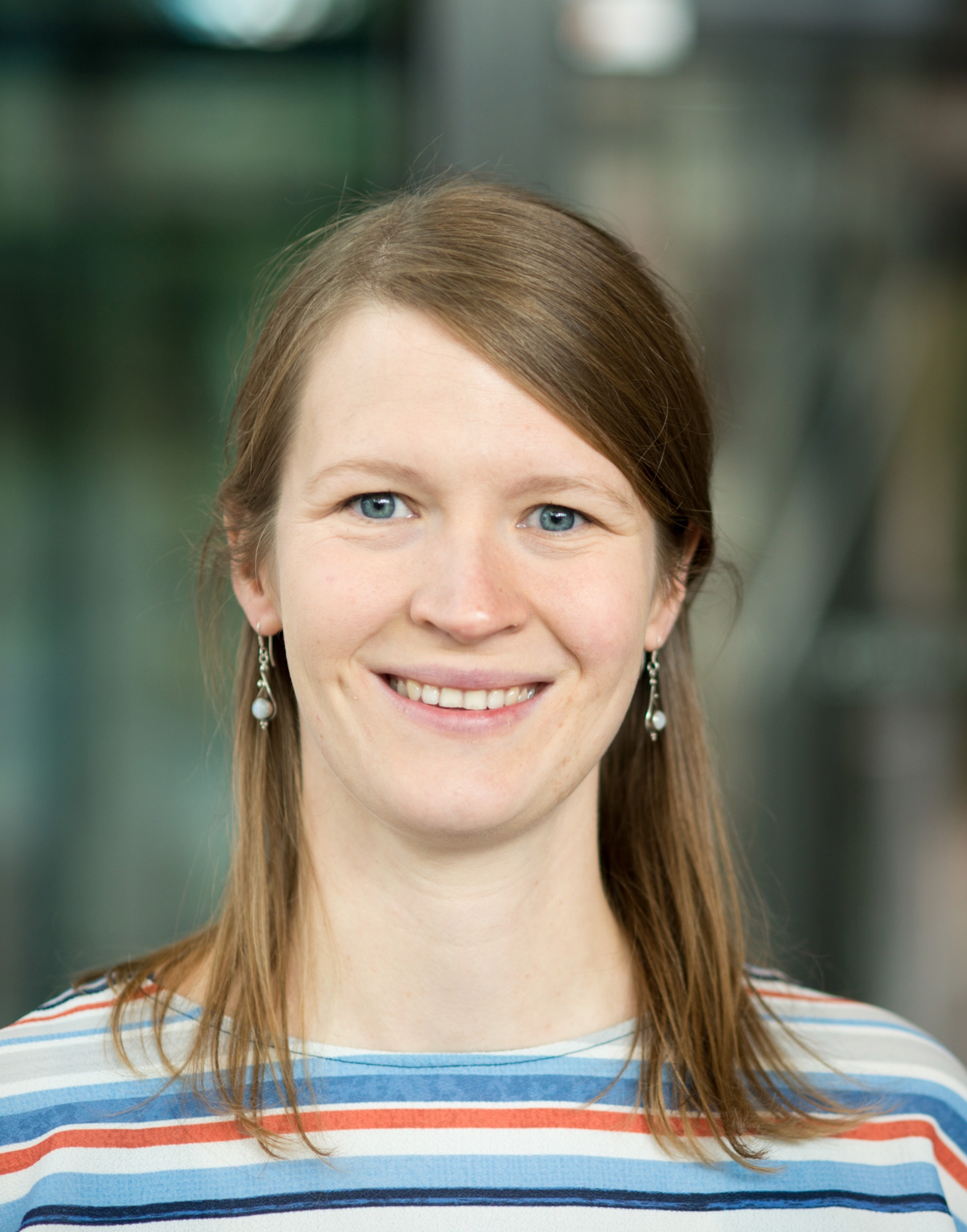
Professor Dmitry Turaev is a Professor in Dynamical Systems at Imperial College London's Department of Mathematics within the Faculty of Natural Sciences. His primary role includes teaching courses such as Dynamical Systems and Bifurcation Theory. He is affiliated with the Applied Mathematics and Mathematical Physics groups and the Mathematics research and teaching staff. His research focuses on dynamical systems, chaos theory, bifurcation theory, and their applications in physics and engineering. Education: Ph.D. in Mathematics (details inferred from academic position). Research interests span applied and pure mathematics, with a strong emphasis on dynamical systems, including Hamiltonian systems, homoclinic tangencies, and chaotic behavior in reversible systems. Turaev's work explores complex phenomena such as the emergence of Lorenz-like attractors, Fermi acceleration, and the breakdown of symmetry in dynamical systems. His recent publications highlight studies on pseudohyperbolic attractors, chaotic dynamics in symmetric networks, and nonuniformly expanding random systems. Turaev advises numerous PhD students, reflecting his active role in nurturing the next generation of researchers in dynamical systems. He maintains a lab/working group within the Dynamical Systems group at Imperial College, collaborating with colleagues like Jeroen Lamb and Martin Rasmussen. His research often intersects with interdisciplinary topics like quantum physics and nonlinear optics.
Jesse Capecelatro is an Associate Professor in the Departments of Mechanical Engineering and Aerospace Engineering at the University of Michigan. He leads the Computational Multi-phase/Multi-physics Flow Lab (CRG), focusing on numerical methods and data-driven models for complex flows in renewable energy, disease transmission, and space exploration. Ph.D., Mechanical & Aerospace Engineering, Cornell University (2014) M.S., Mechanical & Aerospace Engineering, Cornell University (2012) M.S., Mechanical Engineering, University of Colorado (2011) B.S., Mechanical Engineering, SUNY Binghamton (2009) His research spans fluid mechanics , multiphase flow , and high-performance computing , with applications in renewable energy systems , space exploration , and disease transmission modeling . Current projects include plume-surface interactions and turbulence modeling for particle-laden flows. Recent publications highlight advancements in multiphase flow instabilities and shock-particle interactions , reflecting his expertise in computational modeling of complex flows. CRG’s work often combines physics-based simulations with machine learning for predictive analysis. National Science Foundation CAREER Award Office of Naval Research Young Investigator Award ASME Pi Tau Sigma Gold Medal Capecelatro’s mentoring style emphasizes regular collaboration, with weekly meetings, annual progress reviews, and support for conference attendance (e.g., AIAA, APS DFD). His lab includes postdocs, doctoral students, and international collaborators, fostering interdisciplinary research in scientific computing and fluid dynamics . CRG develops open-source tools for multiphase flow simulation and contributes to textbook revisions like Fluid Mechanics, 7th Edition , co-authored with David Dowling. The team’s work bridges fundamental research and practical applications in energy and aerospace sectors.
Tiina Ritvala is an Associate Professor and Assistant Dean (Teaching and Education) at the Department of Management Studies, Aalto University. Her research focuses on cross-sector collaboration between multinational corporations (MNCs), cities, and nonprofits in contexts like sustainable cities, energy transition, and cultural fields. She holds a D.Sc. (Econ.) from the Helsinki School of Economics (2008) and has been a Visiting Scholar at SCANCOR/Weatherhead (Harvard), Queen's University (Canada), and WU Vienna. Her work bridges organizational theory, international business, and social purpose. **Research Interests**: Cross-sector partnerships, multinational corporations, institutional change, sustainable cities, cultural and creative fields, energy transition. These areas are explored through case studies on global-local dynamics, MNE-NGO interactions, and sustainability initiatives. Recent work emphasizes spatial analysis in international business and geopolitical influences on corporate strategies. **Awards**: Received the Best Paper Award at EIBA 2017 for research on MNEs and sustainable development, the 1997 McKinsey Award for academic excellence, and a distinguished paper honor in the EDAMBA Thesis Competition (2009). **Professional Background**: Prior to academia, she worked in business consulting for a decade and engaged in volunteer work. Her teaching and administrative roles complement her research, focusing on international business education and institutional innovations. **Key Contributions**: Leads the Sustainability in Business research group, exploring topics like energy utilities' transition to renewables, MNC spatial strategies, and transnational commons governance. Her work often highlights the interplay between global institutions and localized action in addressing societal challenges.
Stefano Leonardi is a Full Professor in the Department of Computer, Control and Management Engineering Antonio Ruberti at Sapienza Università di Roma. His research focuses on Algorithm Theory, Algorithms and Data Science, and Economics and Computation. He leads the ERC Advanced Grant project AMDROMA, exploring algorithmic mechanisms for online markets. He has held roles as Conference Chair for STOC 2021, WWW 2015, and FUN 2018, and coordinates the Sapienza School of Advanced Studies (2016-2018). His work spans approximation algorithms, online algorithms, and mechanism design. Awards include the ERC Advanced Grant and EATCS Fellowship. His research interests emphasize foundational algorithmic problems in web-based markets, leveraging rigorous design and large-scale data analysis. Recent projects include ALGADIMAR (PRIN 2019-2022) for digital market algorithms. He chairs the Highlights of Algorithms conference series and serves on program committees for top venues like EC, ICALP, and SODA. His lab focuses on web algorithmics and data mining, addressing challenges in online labor markets and fair division. Leonardi's academic contributions include over 100 publications, with recent work on fair algorithms, prophet inequalities, and mechanism design in auctions. He has pioneered methods for submodular optimization, online learning, and multi-agent systems. Grants and awards reflect his leadership in bridging theory with real-world applications, particularly in digital economies. Grants: ERC Advanced Grant (2018-2023), PRIN ALGADIMAR (2019-2022) Leadership: Chair of ACM STOC 2021, WWW 2015, and 9th FUN Conference Labs/Teams: Laboratory on Web Algorithmics and Data Mining Key Projects: AMDROMA (algorithmic mechanisms), ALGADIMAR (digital markets)
Outi Tammisola is a Professor at KTH Royal Institute of Technology, specializing in Fluid Mechanics within the Department of Mechanics. Her research focuses on non-Newtonian fluids, viscoelasticity, multiphase flows, and microfluidics. She is actively involved in teaching and course coordination for mechanics and fluid dynamics courses, including Mechanics I, Mechanics II, and Wave Motion and Hydrodynamic Stability. Her work bridges numerical methods, experimental validation, and industrial applications, with a strong emphasis on understanding complex fluid behaviors in both theoretical and applied contexts. Dr. Tammisola’s research interests span topics such as elastoviscoplastic fluids, particle migration in microchannels, and interfacial phenomena in viscoelastic systems. Her recent publications address challenges in multiphase flow dynamics, including droplet coalescence, bubble migration, and the rheology of non-Newtonian fluids. She contributes to advancements in numerical methods, such as phase-field modeling and immersed boundary techniques, to simulate complex fluid-structure interactions. Her articles highlight trends in understanding fluid behavior under extreme conditions, such as high aspect ratio microchannels and porous media. Collaborations with experimentalists and computational scientists ensure her work remains both innovative and grounded in real-world applications. While no scientific awards are explicitly mentioned, her extensive publication record reflects significant contributions to the field of fluid mechanics. Outi Tammisola is also engaged in academic leadership, overseeing degree projects and contributing to the development of educational programs at KTH. Her research group likely explores cutting-edge topics in microfluidics and viscoelastic turbulence, though specific lab or team affiliations are not detailed in the provided texts.
Dr. Arno Berger is a Professor in the Department of Mathematical and Statistical Sciences at the University of Alberta. He holds a Dipl.Ing. (ME) and Dipl.Ing. (MSc) in Mechanical Engineering and Applied Mathematics from TU Wien (Vienna University of Technology), followed by a Dr. techn (PhD) and Habilitation in Applied Mathematics from the same institution. His research focuses on dynamical systems, ergodic theory, Benford's Law, nonautonomous dynamics, bifurcation theory, applied probability, and dimensional analysis. He has held visiting positions at prestigious institutions including Georgia Tech, University of Warwick, Goethe University Frankfurt, and University of Canterbury. His recent work includes studies on Saint-Venant-Polya inequalities, planar curves with position-dependent curvature, and distributions of logarithmic functions. He co-authored the seminal book An Introduction to Benford's Law (2015), and maintains the Benford Online Bibliography. His teaching spans courses like Differential Equations and Real Variables. Dr. Berger’s research has explored Benford’s Law in diverse contexts, from stochastic processes to finite-time dynamics. His articles often bridge theoretical insights with practical applications, emphasizing the ubiquity of Benford’s Law in mathematical systems.
Nabil Imam is an Assistant Professor at the School of Computational Science and Engineering within the College of Computing at Georgia Institute of Technology. He holds a Ph.D. in electrical engineering and neuroscience from Cornell University, advised by Rajit Manohar and Barbara Finlay. Prior to academia, he conducted research at IBM and Intel Labs, focusing on neuromorphic engineering and AI. His current research integrates computational neuroscience, probability theory, and control systems to model biological computation, with an emphasis on process algebras for asynchronous circuits and systems. Education: Ph.D. in Electrical Engineering and Neuroscience, Cornell University (Advisors: Rajit Manohar, Barbara Finlay) Research interests include computational neuroscience, parallel computing, probabilistic methods, and neuromorphic systems. His work bridges biological neural mechanisms with technological applications, such as neuromorphic olfactory circuits and cortical development models. Notable contributions include neuromorphic chips featured in Science and Nature . His publications highlight interdisciplinary trends in neural coding, neuromorphic hardware, and evolutionary neuroscience. Recent work explores dual computational systems in mammalian brain evolution and self-organizing cortical structures. Earlier projects include scalable spiking-neuron integrated circuits (Science, 2014) and neurosynaptic cores with event-driven architectures (Best Paper Award, 2012). Awards: Best Paper Award at IEEE International Symposium on Asynchronous Circuits and Systems (2012) Teaching includes CSE 8803: Computational Methods for Complex Systems. His lab investigates process algebra frameworks for asynchronous systems and biological computation principles. Collaborations span industry (IBM, Intel) and academic institutions. Future directions emphasize theoretical neuroscience and neuromorphic technology applications.
Prof. Felix Brandt is a Professor of Algorithmic Game Theory at the Technical University of Munich (TUM), within the School of Computation, Information and Technology. His research focuses on algorithmic game theory, computational social choice, and their intersections with theoretical computer science, AI, and economics. Education: Diploma and PhD from TUM, postdoctoral research at Carnegie Mellon University and Stanford University. Habilitation from LMU Munich (2010). Research interests include social choice theory, mechanism design, and strategic behavior in multi-agent systems. Notable contributions include work on tournament solutions, probabilistic social choice, and Nash equilibrium characterizations. Recent articles explore Condorcet-consistent voting systems, stability in hedonic games, and axiomatic foundations of Nash equilibrium. Awards include the DFG Heisenberg Professorship (2010) and TUM Supervisory Award (2021). Advises over 10 PhD students and has supervised numerous postdocs. Active in editorial roles for journals like Games and Economic Behavior and Social Choice and Welfare .
Zoran Kalinic serves as an Assistant Professor at the Faculty of Economics, University of Kragujevac, where he teaches Electronic Business since October 2012. Previously, he worked at the Faculty of Mechanical Engineering in Kragujevac from 1996 to 2005, and joined the Faculty of Economics in February 2005 as an assistant in Information Systems, later teaching Information Technology and Electronic Business from 2009 onward. Doctorate (2012): Faculty of Engineering, University of Kragujevac, specializing in information systems development and mobile communications Postgraduate studies: Faculty of Mechanical Engineering in Kragujevac (completed with average grade of 10) Bachelor's degree: Faculty of Mechanical Engineering in Kragujevac (1996, average grade 9.43) Professor Kalinic's research focuses on digital transformation and its economic implications, with particular expertise in mobile commerce, electronic business systems, digital payment technologies, and consumer behavior in online environments. His work frequently employs advanced analytical methods including artificial neural networks, structural equation modeling, and hybrid analytical approaches to investigate technology adoption patterns and digital marketplace dynamics. He has conducted extensive research on Serbian digital markets, including studies on mobile payment systems, e-commerce development barriers, and real estate price prediction using AI techniques. His publication record demonstrates a clear progression from foundational technology acceptance research toward more complex analyses of digital ecosystems, with recent work examining influencer marketing effects on TikTok, biometric payment systems, and gig economy measurement in Serbia. The integration of artificial intelligence methodologies with traditional consumer behavior theories represents a distinctive feature of his scholarly approach. Professor Kalinic maintains active international academic engagement through short study visits to institutions including the University of Udine, Vienna University of Economics, University of Maribor, Krakow University of Economics, Coventry University, Polytechnic of Turin, and Comenius University in Bratislava. He spent six weeks at the University of Maribor in 2007 through a Tempus IMG grant and served as a visiting lecturer at the Krakow University of Economics in 2012. Author/co-author of over 60 papers in international and domestic journals and conferences Participant in multiple scientific research and professional projects Recipient of academic awards during studies from University, Faculty, Ministry of Science and Technology of Serbia, Embassy of Norway, WUS-Austria, Zastava-Yugo Automobiles, and Kragujevac City Assembly His professional development includes a month-long visit to the Faculty of Informatics at the University of the Basque Country in San Sebastian (2004) and ongoing collaboration with regional and European academic institutions. Professor Kalinic's research bridges theoretical frameworks with practical applications in the Serbian and Western Balkan digital economy context.
Deepa Kundur is the Professor & Chair of The Edward S. Rogers Sr. Department of Electrical & Computer Engineering at the University of Toronto. She earned her BASc, MASc, and PhD in Electrical and Computer Engineering from the same institution in 1993, 1995, and 1999, respectively. Current roles: IEEE Spectrum Advisory Board Conference leadership: General Chair of 2018 GlobalSIP Symposium, TPC Co-Chair for IEEE SmartGridComm 2018, among others Her research focuses on cybersecurity , signal processing , and complex dynamical networks , particularly in smart grid applications. She has authored over 200 publications and pioneered techniques for detecting false data injection attacks, enhancing grid resilience, and integrating machine learning into power systems. Her recent work spans quantum learning for grid security , LLM-based mental health prediction , and resilient control systems . She has received 14 best paper recognitions, including IEEE SmartGridComm (2015) and IEEE INFOCOM Workshop (2008). Fellowships: IEEE Fellow (2015), Canadian Academy of Engineering Fellow (2016), Massey College Senior Fellow (2019) Teaching awards: Tenneco Meritorious Teaching Award (2005), Gordon Slemon Teaching of Design Award (2002) Early career honors: NSERC Scholarships (PGS A/B), Canada Scholarship She leads the Kundur Research Group , developing models for cyber-physical systems in smart grids and autonomous vehicle networks. Her team explores reinforcement learning for grid defense , transmissibility-based fault detection , and privacy-preserving smart grid analytics .
Hans Bihs is a Professor in the Department of Civil and Environmental Engineering, Faculty of Engineering. His research focuses on computational fluid dynamics (CFD), wave hydrodynamics, and wave-structure interaction using the open-source framework REEF3D. Key Research Areas: CFD simulations, wave modeling, floating body dynamics, ocean wave energy, aquaculture hydrodynamics, sediment transport, and high-performance computing. Projects: ERC Consolidator Grant PARTRES (2023-2028), EEA Grants Portugal SurfWave (2023), NFR KPN IPIRIS (2021-2025), EEA Baltic SolidShore (2021-2024), NTNU's MAPLE (2022-2025), and DigiCoast (2021-2024). Email: hans.bihs@ntnu.no His recent publications (2025-2020) analyze fluid-structure interaction, ship-induced waves, floating offshore wind turbines, submerged vegetation, and coastal structures using advanced CFD techniques. Topics include wave hydrodynamics, turbulence, and numerical modeling for marine and aquaculture systems.
Dr. Gabriel Wainer is a Professor in the Department of Systems and Computer Engineering at Carleton University's Faculty of Engineering and Design. He leads the Advanced Real-Time Simulation Lab and specializes in modeling and simulation methodologies, particularly focusing on discrete event systems, real-time modeling, cellular automata, and DEVS formalism. Research Interests: Discrete event systems, DEVS formalism, cellular automata, real-time simulation, IoT applications, and parallel/distributed simulation Affiliation: Carleton University Recent publications highlight his work in advanced simulation frameworks, energy-efficient 5G systems using deep reinforcement learning, and pandemic modeling with cellular automata. His lab develops tools like PROMETHEUS and Devsmap for standardized DEVS model representation, while also exploring applications in wireless communication, building energy systems, and behavioral epidemiology.
Tina Eliassi-Rad is Professor and the Inaugural Joseph E. Aoun Chair at Khoury College of Computer Sciences, Northeastern University in Boston. She serves as Core Faculty at the Network Science Institute and holds External Faculty positions at both the Santa Fe Institute and Vermont Complex Systems Institute. Additionally, she maintains Affiliated Faculty status across six Northeastern University institutes including the NULab for Digital Humanities and Computational Social Science, Global Resilience Institute, Cybersecurity and Privacy Institute, Institute for Experiential AI, and Internet Democracy Initiative. Her research spans: Data Mining & Machine Learning Network Science & Complex Systems Artificial Intelligence & Society She leads two major research initiatives: Trustworthy Network Science , which addresses explainability, transparency, stability, and robustness in network science ML algorithms; and Just Machine Learning , which examines broader complex systems where ML operates to understand and mitigate risks. Her work bridges theoretical foundations with societal applications. Dr. Eliassi-Rad's publication record demonstrates consistent focus on applying network science to critical societal challenges. Her recent research examines pandemic mobility patterns and cybersecurity threats using network-based approaches that combine epidemiological modeling with network analysis techniques. She actively mentors doctoral students through her RADLAB research group, currently advising PhD candidates Wan He (Network Science) and David Liu (Computer Science), along with PhD students Zohair Shafi and Samantha Dies (Computer Science). Her research has secured funding from prestigious organizations including the National Science Foundation, Department of Defense, Defense Advanced Research Projects Agency, Army Research Lab, and others. As leader of RADLAB, she directs research at the intersection of data science, network analysis, and societal impact, with particular emphasis on ensuring that technical advances in AI and network science serve societal needs responsibly and equitably.
Jule Thober is a Scientific Manager at the Helmholtz Centre for Environmental Research - UFZ , leading Topic 5 "Landscapes of the Future" in the Helmholtz Program and managing the Integration Platform "Robust Pictures of the Future". She contributes to cross-disciplinary research in Smart Models / Monitoring and Computational Hydrosystems , focusing on agent-based models, sustainable land management, and climate risk analysis. Roles : Scientific Manager (2022–), Postdoc (2017–2021), PhD Student (2013–2016) Projects : Copernicus Contract Ulysses 2, LandYOUs Game Development Research Interests center on socio-environmental systems, integrating agent-based models with ecological economics. Her work explores decision-making under climate uncertainty, land use policy, and resilience of pastoral systems through computational methods. Publication Trends (15 most recent) span ecological complexity, environmental informatics, and computational hydrosystems. Key themes include agent-based land use models , climate risk mitigation , and participatory decision support tools . Collaborations involve UFZ departments, international institutions, and interdisciplinary teams in Germany and abroad. She contributes to Helmholtz POF IV programs and EU-funded initiatives like 4DHydro.
Professor Michael Manhart is affiliated with the Technical University of Munich (TUM) as an Extraordinary Professor in the Department of Hydromechanics . His research focuses on fluid mechanics, turbulent flow dynamics, and computational fluid dynamics (CFD) simulations, particularly in porous media and environmental fluid mechanics. Education: Not explicitly stated in the provided text. His recent publications investigate turbulent flow over random sphere packs, scalar transport at porous-turbulent interfaces, acoustic resonances in HVAC systems, and nonlinear oscillatory flow modeling. He employs advanced numerical techniques like direct numerical simulations (DNS) and large-eddy simulations (LES) to study flow structures, energy budgets, and particle transport mechanisms. Professor Manhart collaborates with researchers such as Yoshiyuki Sakai, Simon Wenczowski, and Daniel Quosdorf. His work addresses applications in environmental engineering, hydraulic modeling, and industrial fluid dynamics, with a strong emphasis on validating computational models against experimental data (e.g., PIV measurements). He leads the Professorship for Hydromechanics at TUM, conducting high-fidelity simulations and experimental studies on topics like wall shear stress estimation, sediment erosion around cylinders, and turbulence decomposition in complex flows.