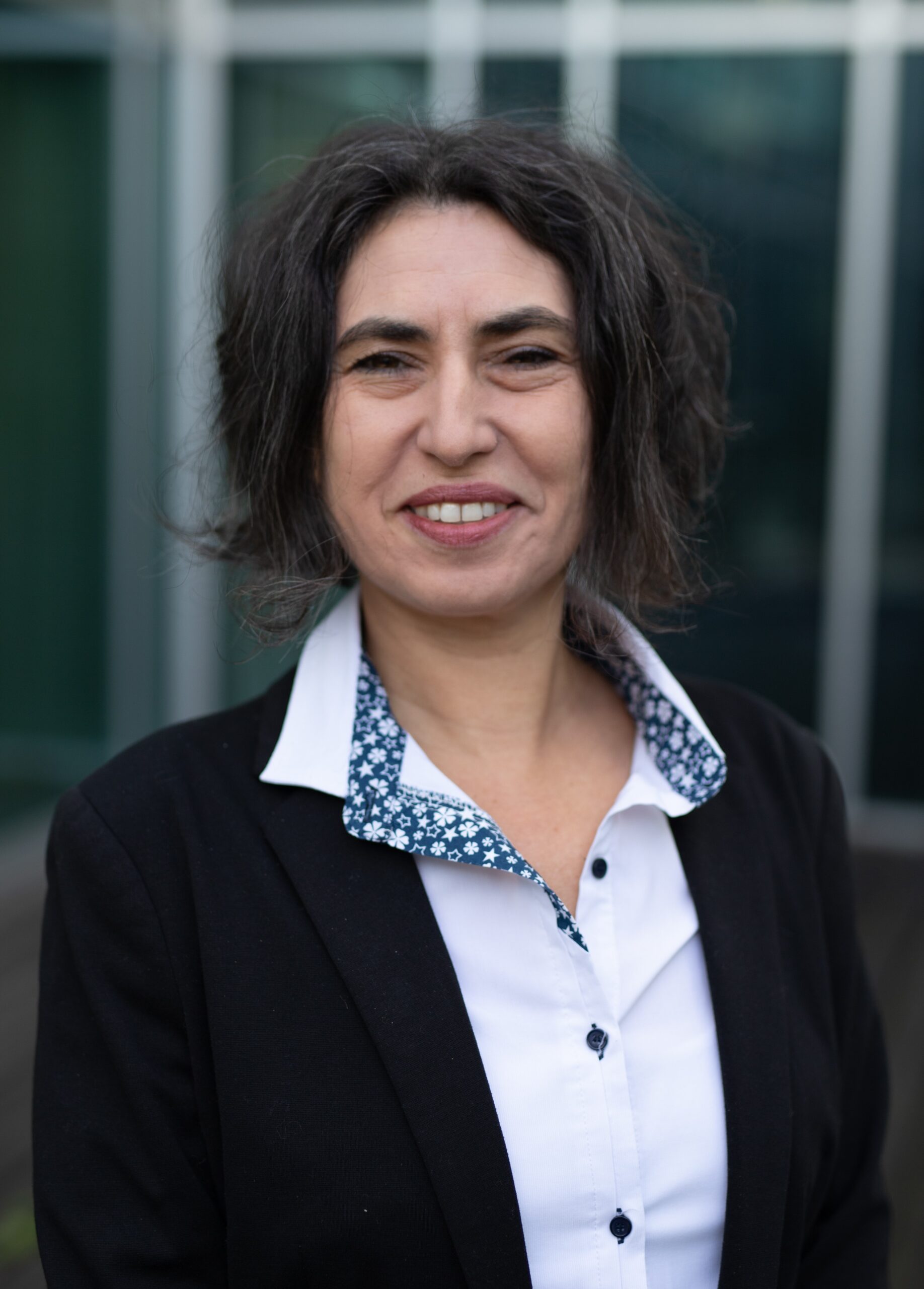
Christoph Helm serves as Professor and Head of the Department of Educational Research at Johannes Kepler University Linz within the Linz School of Education (LSEd), which operates under the Faculty of Social and Economic Sciences. His institutional affiliations include the Competence Center for University Didactics, AI-Competent University Teaching, and the Institute of Psychology. Helm leads multiple research projects funded by federal, state, and EU sources, focusing on contemporary educational challenges particularly in Austria's school system. His research spans educational standards assessment, digital transformation in education, AI integration in teaching, and pandemic-related learning loss analysis. Helm employs diverse methodologies including meta-analyses, large-scale educational barometers, and classroom observation studies. His work bridges theoretical educational research with practical policy implications, frequently addressing teacher training, classroom quality, and educational resilience. The 15 most recent publications reveal strong thematic coherence around educational measurement systems, teacher development in digital contexts, and crisis-responsive schooling. His research demonstrates consistent focus on practical applications through projects like the JKU Education Barometer and AI implementation studies in vocational schools, showing progression from pandemic impact analysis toward future-oriented educational technology integration. Helm actively contributes to academic discourse through extensive invited lectures across Europe and serves as reviewer for publications including the European Journal of Education. His leadership in major projects like the B3 cooperative doctoral program and Extended Education facilitating Key competences through co-operative learning (EKCO) demonstrates significant research management capacity. Based in Science Park 5 at JKU, Helm maintains active scholarly presence through ORCID (0000-0001-5854-4500), Google Scholar, and ResearchGate, with 148 publications and 83 supervised works reflecting substantial academic mentorship. His research profile shows consistent productivity with multiple 2025 publications indicating current active research status.