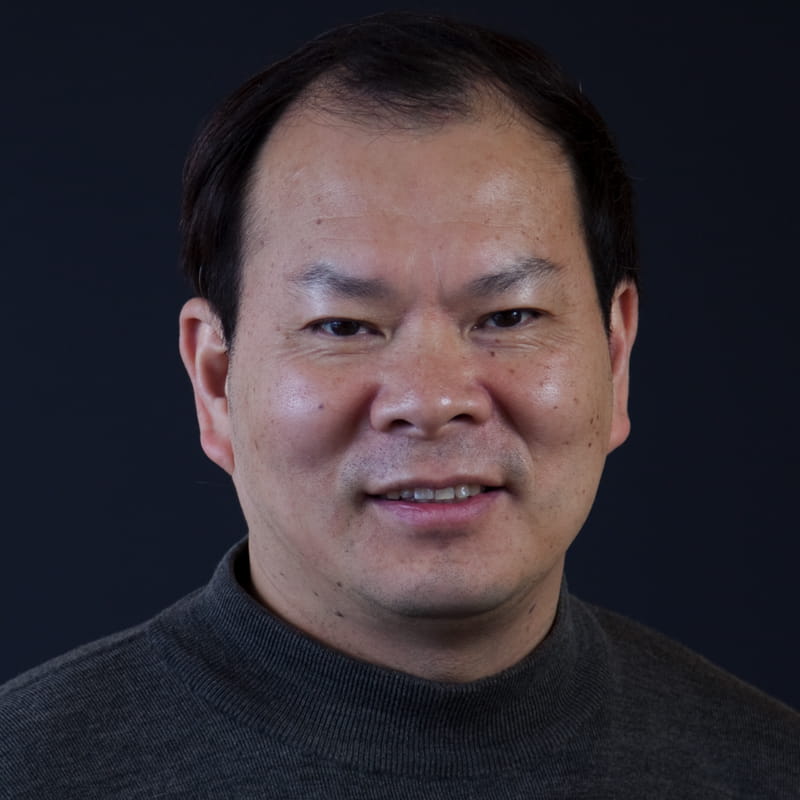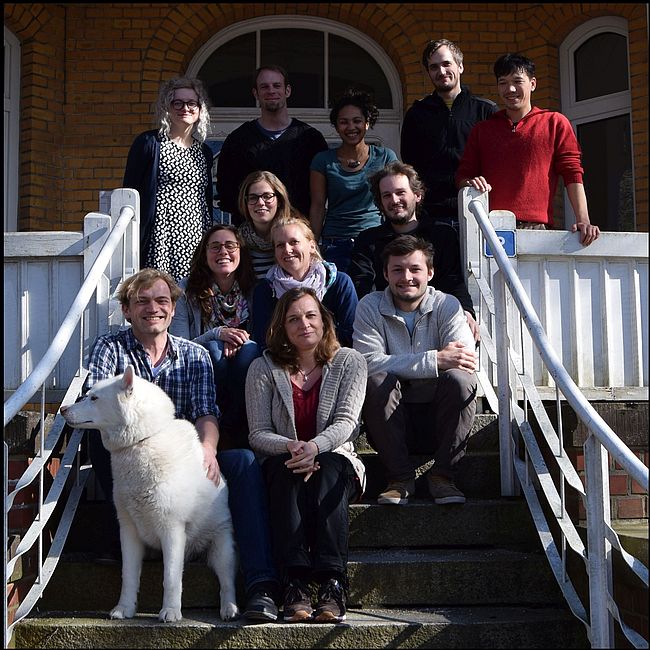
Professor Frank Melzner is a leading marine ecologist and group leader of the Ecophysiology Working Group at GEOMAR Helmholtz Centre for Ocean Research Kiel. His research focuses on understanding how marine invertebrates respond physiologically to changing environmental conditions, particularly ocean acidification, warming, and deoxygenation. He is affiliated with the Department of Marine Ecology, specifically within Department 3, Research Unit 'Experimental Ecology - Benthic Ecology' at GEOMAR. His research interests span multiple dimensions of marine physiological ecology: Marine invertebrate zoology & environmental physiology Acid-base regulation in marine organisms Biomineralization processes in calcifying organisms Physiological adaptations to changing ocean conditions Interactions between abiotic stressors and marine food webs Winter warming impacts on marine ecosystems Professor Melzner's extensive publication record demonstrates a strong focus on understanding how marine organisms, particularly bivalves and echinoderms, respond to multiple stressors in a changing ocean. His work combines laboratory experiments with field observations to assess both short-term physiological responses and potential for long-term adaptation. A significant portion of his research examines how ocean acidification affects calcification processes, with particular attention to the underlying cellular mechanisms. His recent work has increasingly focused on the interactive effects of multiple stressors, including temperature, CO 2 , and salinity, with a special emphasis on Baltic Sea ecosystems where these factors interact in unique ways. Professor Melzner leads a productive research group that includes postdocs, PhD students, and technical staff. His laboratory at GEOMAR's Kiel facility conducts innovative experiments using the Kiel Outdoor Benthocosms (KOBs) and other advanced experimental systems to simulate future ocean conditions. This outdoor mesocosm facility has enabled groundbreaking research on winter warming effects that would be difficult to conduct in traditional laboratory settings. His mentoring record shows strong commitment to student development, with numerous successful M.Sc. and Ph.D. students who have gone on to pursue academic and research careers at institutions worldwide. His collaborative approach is evident in his extensive co-authorship network spanning multiple countries and disciplines.