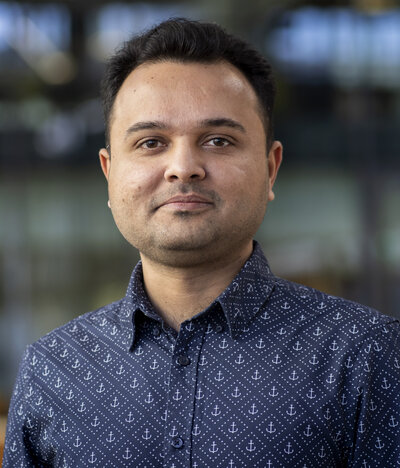
Dr. Chris Brown is a Senior Lecturer in Psychology at Bournemouth University . His research bridges cognitive psychology, neuroscience, and health psychology to investigate attentional mechanisms, emotion regulation, and mental health. Research Focus : Attention processing, interoceptive awareness, affective neuroscience, and pandemic-related stress impacts. Key Themes : Cognitive control, threat processing, ADHD, smoking cessation, and health communication. His recent work explores how interoceptive attention interacts with automatic thought processes and how goal relevance shapes visual search templates. Publications span journals like Emotion , Cortex , and Drug and Alcohol Dependence . Awards & Grants : Leverhulme Trust grant (2024) for "Mapping the distortion of visual search templates". Collaborations with neuroscientists and clinicians focus on attentional traits in interpersonal distancing and addiction neuroscience.
Aaqib Saeed is an Assistant Professor in the Department of Industrial Design at Eindhoven University of Technology. His research focuses on Human-Centric AI, Federated Learning, Self-Supervised Learning, and Audio Understanding, with applications in Personal Health. He holds a PhD (cum laude) from TU/e and an MSc (cum laude) from the University of Twente. Education: PhD in Computer Science (cum laude), TU/e (2021) MSc in Computer Science (cum laude), University of Twente (2018) Research Interests: Development of robust federated learning frameworks for decentralized data Self-supervised learning for audio and physiological signal analysis AI-driven solutions for healthcare monitoring Key Contributions: DeltaMask: Reducing communication overhead in federated fine-tuning FedNS: Mitigating noisy decentralized data in federated learning Labeling Chaos to Learning Harmony: Handling label noise in FL Professional Experience: Visiting Industrial Fellow, University of Cambridge (2023) Research Scientist, Philips Research (2019–2023) Research Internships: Google Research, TNO/EIT Digital Awards: UT Scholarship (MSc) Cum Laude awards for both PhD and MSc Labs/Teams: EAISI Health, EAISI Foundational, Computational Design Systems.
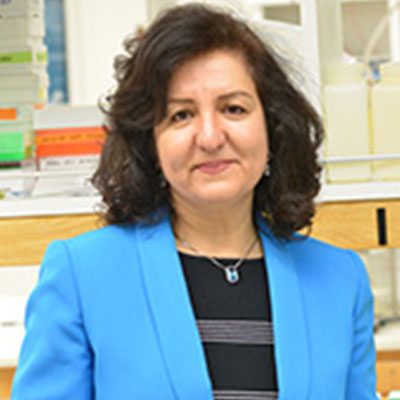
Mansoureh Eghbali, PhD, is a Professor in the Department of Anesthesiology at the David Geffen School of Medicine, University of California, Los Angeles. Her research program investigates molecular mechanisms of cardiovascular and pulmonary diseases with emphasis on sex-specific pathophysiology. She leads an active NIH-funded laboratory focused on pulmonary hypertension, myocardial ischemia-reperfusion injury, and the role of RNA-binding proteins in vascular remodeling. Her research integrates multiomics approaches to explore: Sex chromosome influences (Y-gene Uty) in pulmonary vascular protection MicroRNA regulation of cardiac fibrosis and calcification (e.g., miR-129-5p/Asporin axis) Gut-heart-lung interactions in diet-induced pulmonary hypertension Endothelial subpopulations (TM4SF1+) in disease progression Analysis of her recent publications reveals strong emphasis on: Integrative multiomics in vascular diseases Sex differences in drug responses Novel therapeutic targeting of RNA-binding proteins Cross-organ communication in cardiopulmonary pathologies She directs multiple NIH grants including: R01HL159865: Role of Chromosome Y gene, Uty (2021-2025) R01HL147586: Role of miR125 in pulmonary hypertension (2019-2023) R01HL129051: Role of miR193 in oxidized lipid-induced PH (2016-2021) R01HL131182: Epigenetic regulation by X chromosome (2016-2021)
Scott E. Crouter is a Professor in the College of Education, Health, and Human Sciences at the University of Tennessee, Knoxville. He serves as director of the Applied Physiology Laboratory and is a Fellow of the American College of Sports Medicine. His research focuses on improving physical activity and energy expenditure measurement using wearable monitors and machine learning algorithms, with applications in youth, adults, and special populations like pregnant individuals and cancer survivors. Education: Postdoctoral in Nutritional Sciences (Cornell, 2005-07), PhD in Exercise Physiology (University of Tennessee, 2005), MS in Cardiac Rehabilitation/Adult Fitness (University of Wisconsin, 2000), BS in Exercise Science (Linfield College, 1998) Dr. Crouter's work spans physical activity assessment , sedentary behavior analysis , and technology validation . He has developed machine learning models for energy expenditure estimation using ActiGraph GT9X and Cosmed K5 devices. His recent studies examine pregnancy hyperglycemia interventions, urban environment impacts on activity patterns, and robotic exercise aids. He has secured significant NIH funding for projects including digital health weight management , pediatric obesity treatment translation , and fall risk factors in the elderly . As associate editor for Medicine and Science in Sports and Exercise and Journal for the Measurement of Physical Behaviors , he contributes to methodological advancement in activity monitoring. Scientific Awards: Fellow, American College of Sports Medicine Editorial Leadership National Physical Activity Plan Alliance Participation CDC/National Collaborative on Childhood Obesity Research Contributions National Academy of Sciences Committee Member Dr. Crouter's student collaborations include works with Natalie Butte on youth compendiums, Allan Opotowsky in cardiac rehabilitation trials, Patrick Hibbing in metabolic equivalent research, and Sara LaMunion in consumer monitor validation. His lab has produced over 100 publications and 15 recent articles focusing on sensor technology and population health.
Stéphane Lair is a Full Professor at the Faculty of Veterinary Medicine , University of Montreal , leading the Department of Clinical Sciences . He serves as Director of the Québec Center for Wildlife Health (CQSAS) and regional director for the Canadian Cooperative Wildlife Health Centre. His expertise focuses on wildlife health, aquatic animal medicine, and exotic species welfare. Education: IPSAV in Avian Pathology (1989) DVM from University of Montreal (1990) Residency in General Pathology (1995) DVSc in Zoo Animal Medicine (1998, University of Guelph) ACZM Diplomate (1999) His research investigates human impacts on wildlife health, including contaminant effects on marine mammals like belugas, and disease ecology in caribou and lemur populations. He leads projects funded by agencies like Fisheries and Oceans Canada and the American Association of Zoo Veterinarians. Recent work includes studying beluga body condition via 'omics techniques, toxin exposure in cetaceans, and pharmacokinetics in exotic species. Over 20 students have been supervised in topics ranging from beluga necropsy trends to analgesia in pigeons. Collaborations include the Nunavik Trichinellosis Prevention Program and studies on Besnoitia tarandi in caribou. His lab actively addresses wildlife health challenges in changing ecosystems, emphasizing conservation and veterinary medicine intersections.
Sue-Ann MacDonald is a tenured Professor at the School of Social Work, Université de Montréal since 2011. Her research focuses on homelessness, mental health, judicialization, and social exclusion, with a recent emphasis on climate justice in social work. She holds a PhD from Université de Montréal, an MSW from the University of Toronto, and a Bachelors in Environmental Sciences and International Development Studies. Her work bridges academia and community action, emphasizing participatory research and the inclusion of marginalized voices. She teaches courses such as 'Introduction to Social Work' and 'Principles of Social Work' and supervises graduate students in various programs. Her research projects include studies on hidden homelessness, encampments, and the integration of ecological perspectives in social work. She leads and collaborates on grants addressing LGBTQIA+ health, youth mental health, and homelessness prevention, funded by organizations like the Canadian Institutes of Health Research (CIHR) and Social Sciences and Humanities Research Council (SSHRC). Key research interests include the intersection of homelessness and mental health, harm reduction strategies, and the role of social work in addressing systemic inequities. Her work advocates for policies that prioritize marginalized groups' dignity and inclusion. She has published extensively on topics such as managed alcohol programs, mental health courts, and resilience among homeless youth.
Fabio Lucidi is a Full Professor of Psychometrics at Sapienza University of Rome, serving as Pro-Rector responsible for the Fourth Mission and Student Community Relations. He leads the Department of Psychology of Developmental and Socialization Processes within the Faculty of Medicine and Psychology. Previously, he was Dean of the Faculty of Medicine and Psychology until 2022. His academic roles include Adjunct Professor at Temple University and Director of the Laboratory of Sport and Well-being. He holds leadership positions in organizations like the Italian Society of Health Psychology and the National Anti-Doping Organization. Education: PhD in Psychology (Sapienza University of Rome), Postdoctoral Research Fellowship (Sapienza University of Rome). Research Interests: Psychometrics, health psychology, sport psychology, with a focus on risk behaviors, health promotion, and cognitive neuroscience. His research explores psychological mechanisms underlying health-related behaviors, doping prevention, and cognitive processes. He has authored over 250 publications in high-impact journals and serves on editorial boards of journals like PLOS ONE and Frontiers in Psychology . Key Awards: Listed as a Top Italian Scientist, President of the Italian Society of Health Psychology, Past President of the Italian Psychological Association. Lucidi’s work integrates academic leadership with community engagement, emphasizing the Fourth Mission of universities. His research projects include EU-funded initiatives on doping prevention and aging, alongside collaborations in Australia, the U.S., and Europe.
Jitse van Dijk is an Associate Professor in the Department of Community and Occupational Medicine at the Faculty of Medical Sciences, University of Groningen. He is also affiliated with the University Medical Center Groningen (UMCG). His roles include serving on multiple national and international committees outside working hours, such as the Appeals Committee of 'Lentis' and the Complaints Committee of the Training Institute PPO. Additionally, he holds visiting academic positions at universities in the Czech Republic, including Lektor Expert at University Olomouc and Visiting Professor at Palacky University's Theological Faculty. His research focuses on public health, occupational medicine, and the psychosocial determinants of health. Key areas include adolescent behavioral health, healthcare provider perspectives, neurology-related social deficits in ADHD, and health inequalities among marginalized groups like the Roma population. He has contributed to studies on digital technology risks for youth, healthcare access for hemodialysis patients, and vaccination hesitancy in the Czech Republic. Dr. van Dijk has supervised numerous PhD dissertations on topics ranging from adolescent health behaviors to healthcare policy analysis in Eastern Europe. His work bridges clinical practice, public health policy, and interdisciplinary collaboration, addressing both individual and systemic health challenges. He is actively involved in European health research initiatives and has published extensively in peer-reviewed journals. His committee roles reflect his commitment to resolving disputes in professional education and healthcare systems.
Dr. Alison Oates is an Associate Professor at the University of Saskatchewan's College of Kinesiology, specializing in biomechanics and motor control. Her research focuses on neuromuscular adaptations, healthy aging, and managing chronic conditions through gait analysis and balance control. She holds a PhD from the University of Waterloo, with postdoctoral training at McGill University on locomotor rehabilitation post-stroke. Her academic background includes a B.Sc. in Kinesiology from Waterloo, followed by advanced studies in dynamic stability during gait termination in Parkinson's patients. She teaches advanced courses such as Motor Control of Neurological Conditions (KIN 422.3) and Sensorimotor Control of Posture & Locomotion (KIN 822.3). Dr. Oates' research explores biomechanical and neuromuscular aspects of balance and gait, particularly in neurologically impaired populations and older adults. Recent work includes studies on haptic feedback systems, sex-and-gender-based analysis in balance research, and fall prevention strategies. Her articles highlight innovative methods like IMU-based motion capture and clinical applications for spinal cord injury and stroke rehabilitation. While no formal academic awards are listed, her contributions to gait rehabilitation and biomechanical measurement techniques are widely recognized. She currently oversees research projects investigating the efficacy of haptic input on walking stability and neuromuscular adaptation mechanisms. Her work bridges clinical practice and biomechanical theory to improve rehabilitation outcomes for individuals with neurological disorders.
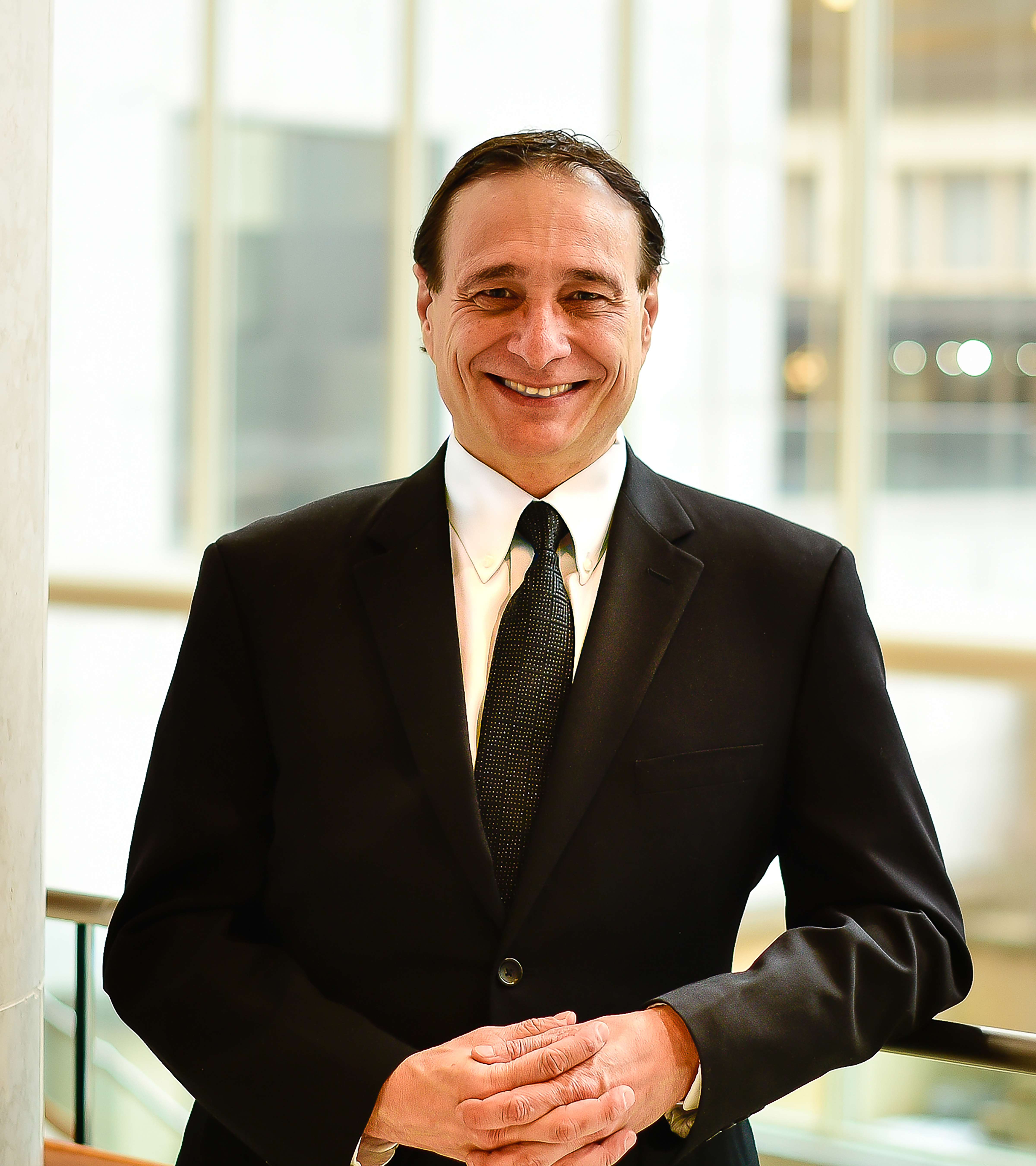
Raul A. Urrutia, MD is a Professor in the Department of Surgery & Biochemistry and the Director of the Linda T. and John A. Mellowes Center for Genomic Sciences and Precision Medicine at the Medical College of Wisconsin. He holds the Warren P. Knowles Endowed Chair of Genomics and Precision Medicine and directs the Pancreas Cancer Program. His research focuses on genomics, epigenomics, and precision medicine, particularly in pancreatic diseases such as cancer and diabetes. He has discovered key tumor suppressor genes and epigenetic pathways operational in pancreatic cancer and other diseases. His lab employs a multidisciplinary team of biochemists, geneticists, and bioinformaticians to advance precision medicine. Education: MD, University of Cordoba Postdoctoral Fellowship, National Institute on Deafness and Other Communication Disorders, NIH Research Interests: Dr. Urrutia’s work integrates genomic and epigenomic approaches to uncover mechanisms underlying pancreatic cancer, diabetes, and other diseases. His lab has made seminal contributions to understanding KLF proteins, histone-modifying enzymes (HDACs, HATs, HMTs), and histone-protein subcodes. Recent studies focus on epigenetic regulators in cancer progression and therapy resistance, mitochondrial genomic variants in transplantation outcomes, and precision medicine simulation models. Publications Trends: Recent articles emphasize targeting epigenetic regulators (e.g., CBX5, EZH2), mitochondrial genomics in hematopoietic transplantation, and systems biology approaches combining germline/somatic mutations for tumor analysis. The work spans disciplines from molecular biology to clinical translation. Awards: Warren P. Knowles Endowed Chair Member, American Society of Clinical Investigation Advising & Grants: Dr. Urrutia has mentored over 50 investigators. His lab is funded by NCI grants, the CIBMTR Data Resource (U24), and philanthropic support like the Theodore W. Batterman Family Foundation. Research units include the Precision Medicine Simulation Unit and collaborations with global institutions. Labs & Teams: Leads the Urrutia Research Laboratory and the Mellowes Center, collaborating with experts in epigenetics, computational biology, and clinical genomics. Key lab members include Angela J. Mathison, PhD (Technology Director) and Gareth Pollin, PhD (Bioinformatics).
Jose Ismael Crespo Martinez is a distinguished Professor of Political Science at the University of Murcia, Spain, where he serves as Director of the Department of Political Science and Administration within the Faculty of Law. His academic career spans over two decades with significant contributions to political science, particularly focusing on Latin American politics and electoral processes. He leads the Political Analysis Group and directs MásPoderLocal, a digital magazine dedicated to political communication and electoral behavior in Spain and Latin America. Dr. Crespo earned his PhD in Political Science from Complutense University of Madrid in 1995 with a thesis on Uruguayan political relations. His educational background established the foundation for his expertise in comparative politics and electoral systems across Latin America. He has maintained strong academic ties with institutions throughout the region, contributing to his comprehensive understanding of political dynamics in both Spanish and Latin American contexts. Crespo's research interests center on political communication, electoral behavior, and campaign strategies, with particular emphasis on Latin American political systems. His work examines how political messages are crafted and received in different cultural contexts, the evolution of campaign techniques in the digital age, and the relationship between media strategies and voter decision-making. He has pioneered research on crisis communication within public administration, especially during the pandemic period, analyzing how governments communicate effectively during emergencies. His scholarly output shows a clear trajectory from foundational studies on Latin American electoral systems toward contemporary analyses of digital political communication. The recent publications demonstrate increasing focus on crisis communication, permanent campaigning in the digital era, and the evolving relationship between citizens and political institutions. His work bridges theoretical political science with practical campaign management, making significant contributions to both academic understanding and real-world political practice. Among his notable recognitions are: Comendador of the Order of the Southern Cross Order with plate of the Civil Order of Alfonso X, the Wise Honorary Professor designations from multiple universities Special acknowledgments from Peruvian and Argentine universities Throughout his career, Crespo has secured significant research funding and directed numerous projects examining electoral processes across Latin America. He has served as a consultant for governments and institutions in Spain, Argentina, Brazil, Costa Rica, Mexico, Peru, Uruguay, and Venezuela. His leadership extends to directing the Spanish Agency for Quality Assessment and University Accreditation (2002-2004) and serving as Director General of Universities for the Spanish government (2000). As president of ALICE (Latin American Association of Electoral Campaign Researchers) since 2012, he has fostered international collaboration among political scientists. Crespo leads the Political Analysis Group at the University of Murcia and oversees the MásPoderLocal initiative, which serves as a hub for research on municipal political communication. His work connects academic research with practical political consulting, creating a dynamic environment where theory informs practice and real-world challenges drive new research directions. The integration of his academic, governmental, and consulting experiences creates a unique perspective on political processes across the Iberian and Latin American spheres.
Dr. Vivek Jain is a Professor of Medicine and Infectious Diseases at the University of California, San Francisco (UCSF), affiliated with San Francisco General Hospital. He leads the Infectious Diseases Clinic, oversees SFGH’s Infection Control and Prevention Team, and directs outpatient therapies for HIV and COVID-19. His research focuses on HIV antiretroviral therapy (ART) in resource-limited settings, implementation science, and global health. He co-directs the SEARCH Study, a large-scale HIV testing and treatment initiative in East Africa, and has contributed to landmark trials like EARLI and RAPID-VL. Education: B.A. Biochemistry, Harvard University (1998) M.D., Stanford University School of Medicine (2003) UCSF Residency/Chief Residency in Internal Medicine (2006–2007) Infectious Diseases Fellowship, UCSF (2009) M.A.S. in Clinical Research, UCSF (2010) Research Interests: Dr. Jain’s work bridges clinical practice and global health, emphasizing early ART initiation, HIV viral load monitoring, and pandemic response strategies. His studies address challenges in Sub-Saharan Africa, including streamlined care delivery and hypertension integration. He also investigates SARS-CoV-2 epidemiology and telemedicine applications for infectious diseases. Publications: His 150+ publications span HIV pathogenesis, implementation science, and pandemic preparedness. Key themes include CD4+ T-cell dynamics in HIV, population-level viral suppression, and racial disparities in vaccine uptake. Awards: Fellow of the Infectious Diseases Society of America (FIDSA) Grants & Teams: Recipient of CDC and Gilead Sciences funding for studies like RAPID-VL (optimizing HIV viral load monitoring). Collaborates with institutions in Uganda/Kenya, including Makerere University and the Infectious Diseases Research Collaboration (IDRC). Labs/Teams: Leads the SEARCH Study and RAPID-VL Trial teams, focusing on scalable HIV interventions and pandemic response strategies in low-resource settings.
Dr. Alison Mary is an FNRS Research Associate at the Université Libre de Bruxelles (ULB), Faculty of Psychological and Educational Sciences, Department of Neuropsychology, since October 2023. She is affiliated with the Neuropsychology and Functional Neuroimaging Research Unit (UR2NF), which operates within the Centre de Recherche Cerveau et Cognition (CRCN) and the ULB Neurosciences Institute (UNI). Her research focuses on memory processes and their cerebral underpinnings, particularly in the context of healthy aging and resilience following acute stress. Dr. Mary completed her PhD in January 2016 at UR2nF/CRCN under Professor Philippe Peigneux. From November 2016 to October 2019, she conducted postdoctoral research at the U1077 Unit (Neuropsychology and Imaging of Human Memory – NIMH) in Caen, France, under Dr. Pierre Gagnepain, investigating neurobiological markers of resilience in survivors of the 2015 Paris terrorist attacks. Dr. Mary's research centers on understanding brain mechanisms supporting memory processes in healthy aging using functional connectivity and resting state networks. She investigates non-pharmacological stimulation strategies, particularly transcutaneous vagal nerve stimulation, to promote neuroplasticity and memory in aging populations. Her work examines how sleep architecture, meditation, and cognitive training impact memory processes in older adults, employing advanced neuroimaging techniques including MEG and EEG. Analysis of Dr. Mary's recent publications reveals a strong focus on the intersection of memory, aging, and neuroimaging. Her research increasingly incorporates transcutaneous vagal nerve stimulation to enhance memory processes, while examining how sleep architecture relates to memory consolidation. She also investigates cognitive resilience following acute stress and trauma, exploring neural mechanisms that preserve memory function despite traumatic experiences. FNRS Research Associate Fellowship (2023-present) FNRS Postdoctoral Fellowship (2019-2023) Dr. Mary actively supervises doctoral research, including Benkirane's work on sleep fragmentation and cognition, and Hamel's research on sleep characteristics in older adults. She collaborates extensively within the UR2NF research unit and with international colleagues on memory, aging, and neuroimaging projects. Her laboratory utilizes MEG, EEG, and functional MRI to investigate brain mechanisms underlying memory processes, with future work likely focusing on personalized non-pharmacological interventions for cognitive aging.
Mimi (Paulomi) Bhatt, PhD, MPH, CNM, is an Assistant Professor at NYU Rory Meyers College of Nursing. She is a certified nurse-midwife, researcher, educator, and theorist whose work centers on birth equity, reproductive justice, and the integration of midwifery care in public health systems. She actively provides clinical care within NYC Health + Hospitals and contributes to national and global maternal health policy. PhD in Nursing Theory, NYU Meyers College of Nursing MSN, Frontier Nursing University MPH in Global Health Leadership, NYU Global Institute of Public Health BSN, NYU Steinhardt School of Education BA in Comparative Literature and English Education, NYU College of Arts & Science Dr. Bhatt’s research is grounded in critical feminist theory and qualitative methodologies. Her work investigates how midwifery models can advance health equity, particularly for Black, Indigenous, and other minoritized communities. She explores themes such as autonomy in childbirth, respectful maternity care, perinatal mental health, and systemic barriers faced by midwives of color. Her scholarship emphasizes anti-oppression frameworks and community-based participatory research. Her recent publications analyze experiential outcomes in maternity care, revealing that midwife-led care—especially in community settings—leads to higher autonomy, respect, and lower mistreatment. She has also published on the experiences of sexual and gender-diverse parents, cervical cancer screening in the Dominican Republic, and midwifery integration in India. Her work consistently highlights structural inequities and advocates for transformative change in maternal health systems. Scientific awards and honors include: NYU University-wide Dissertation Award – Allied Health & Social Services (2020) Jonas Nurse Leaders Scholar Award (multiple years) Johnson & Johnson Minority Faculty Nurse Scholar Award (multiple years) Herman Biggs Health Policy Fellow Women’s Leadership Initiative at NYU Dr. Bhatt mentors future nurse-midwives and contributes to policy through service on the NYC Maternal Mortality and Morbidity Review Committee and the International Confederation of Midwives’ Americas Regional Committee. She received postdoctoral training at the Birth Place Lab, University of British Columbia, and as a Provost Postdoctoral Fellow at NYU. Her clinical and academic work is deeply informed by her identity as a first-generation immigrant and her mother’s legacy as a nurse-midwife in India. She is affiliated with the Birth Place Lab and collaborates with multidisciplinary teams focused on respectful maternity care, midwifery practice climate, and global maternal health capacity building.
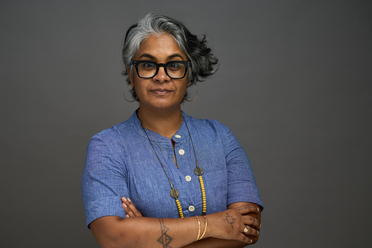
Carla Rice is a Professor in the Department of Family Relations & Applied Nutrition at the University of Guelph, and holds a Tier 1 Canada Research Chair in Feminist Studies and Social Practice. Her work bridges critical psychology, equity education, and disability studies, focusing on embodiment, social justice, and arts-based methodologies. She leads Re•Vision: The Centre for Art and Social Justice and the Revisioning Differences Media Arts Laboratory (REDLAB), leveraging digital storytelling and participatory research to challenge marginalization. Rice earned a Ph.D. in Women's Studies from York University (2004) and an M.Ed. in Applied Psychology from OISE (1993). Her research addresses topics like early puberty, body-based harassment, and the sexualization of girls, while centering intersectional and decolonial frameworks. Recent projects include Bodies in Translation (disability arts and technology) and Into the Light (countering eugenic legacies in education). Her awards include the SSHRC Tier 1 CRC, Royal Society of Canada membership, and the Lieutenant Governor’s Ontario Heritage Award. Rice’s work emphasizes community-engaged scholarship, training students in transformative methodologies and fostering inclusive policies in health care, education, and the arts. Key initiatives include Relaxed Performance (accessible theater), Re•Storying Autism (autistic narratives), and Stretching Our Stories (digital storytelling for marginalized groups). She currently supervises graduate students pursuing critical theories and arts-informed research.