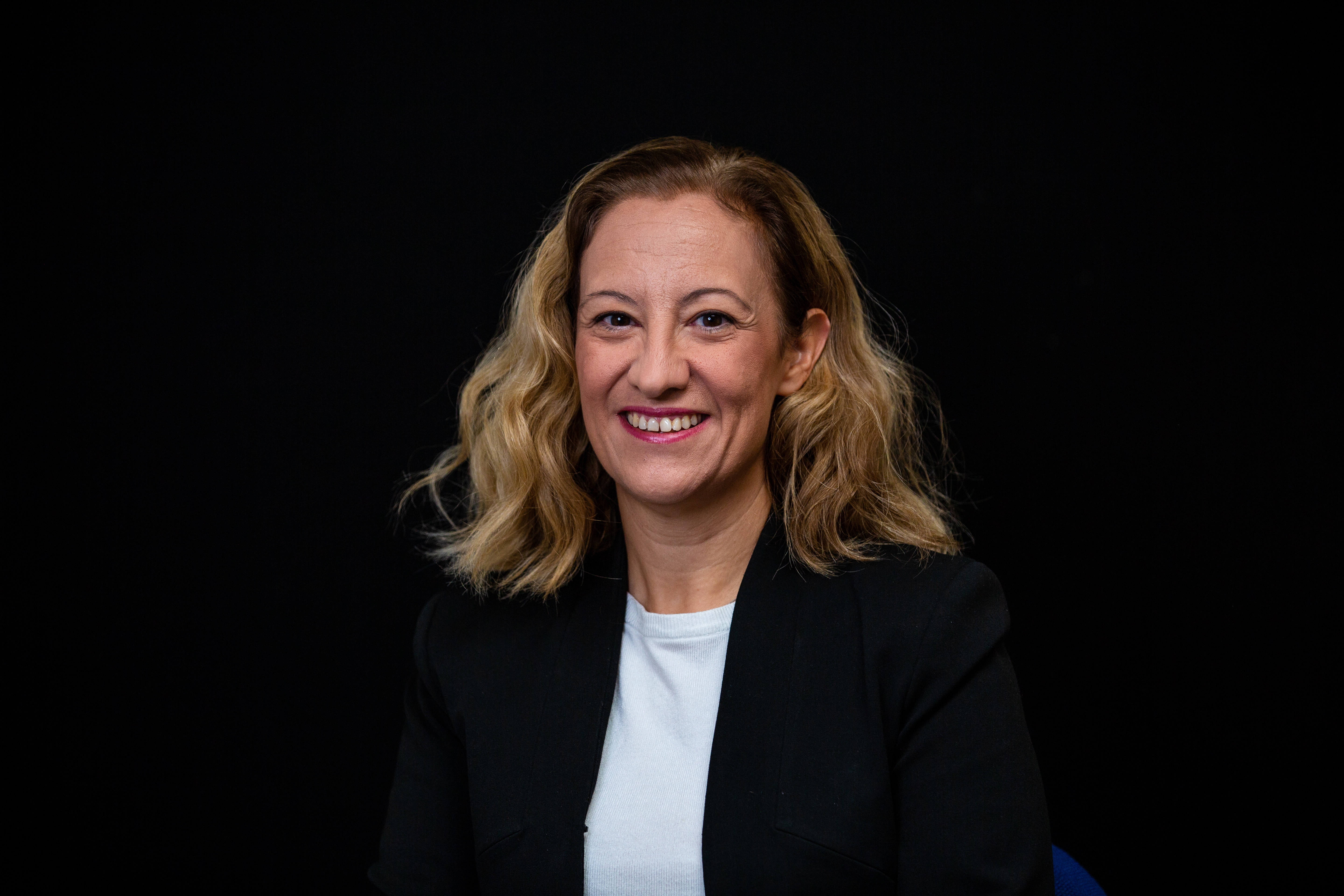
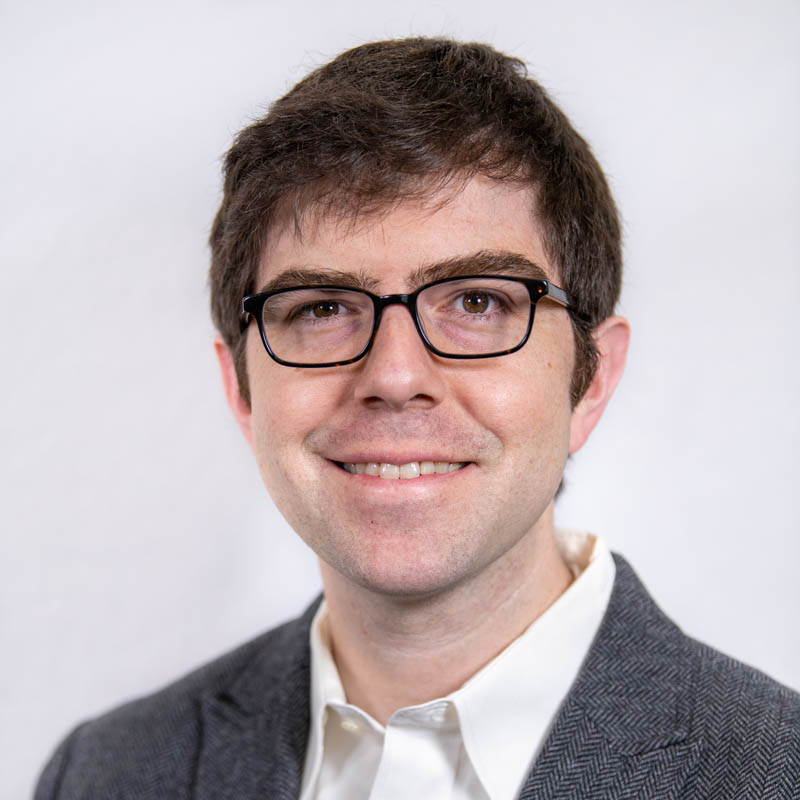
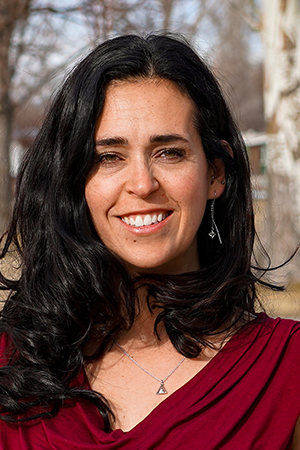
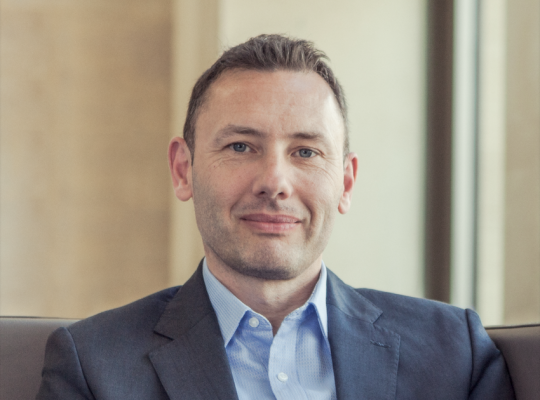
Professor Irem Dikmen is a leading academic in Construction Engineering and Management at the University of Reading, where she serves as School Director of Internationalisation in the Chancellor's Building. Her research integrates engineering, management, and information sciences to advance construction project risk management, particularly focusing on climate resilience, digital technologies, and social value in infrastructure systems. PhD, MSc, and BSc in Civil Engineering from Middle East Technical University Her work leverages systems thinking, artificial intelligence, and digital tools to develop decision-support frameworks for megaprojects and climate adaptation. Recent publications highlight innovations in NLP contract analysis, energy performance ontologies, and risk visualization techniques. She supervises students on topics spanning IoT lifecycle management, ESG risks, and NLP defect detection. Key collaborations include the Climate and Finance Research Cluster and Walker Institute , with contributions to digital construction technologies and sustainability risk assessment. Teaching modules include Construction Risk Management, Economics, and Business Organisation.
Toril Aalberg is a Professor and Head of the Department of Sociology and Political Science at the Norwegian University of Science and Technology (NTNU) in Trondheim. She was previously Head of the same department from 2017-2021 and serves as Guest Professor at Mid Sweden University in 2024-2025. Aalberg is a member of the research networks NEPOCS (Network of European Political Communication Scholars) and EVPOC (Elections, Values and Political Communication). Her research interests include comparative politics , election campaigns , media effects , public opinion , and stereotypes in political contexts. She has led major projects like the COST Action IS1308: Populist Political Communication in Europe (2014-2018). Toril Aalberg has authored or co-authored 9 books, including Populist Political Communication in Europe (2016) and Communicating Populism (2019). Her recent articles focus on misinformation during crises , media’s role in political efficacy , and cross-national disinformation studies , often analyzing data from 17-19 democracies. She has conducted extensive research on media polarization , immigrant attitudes , and news consumption patterns . Aalberg has held visiting appointments at institutions including the University of California, Berkeley , Stanford University , and University of Oslo , with current affiliations at the Centre for Advanced Studies in Oslo and Mid Sweden University . Her work spans political communication theory , media sociology , and democratic processes .
Steffi Haag is a Professor of Digital Innovation and Entrepreneurship at the Institute of Computer Science , Heinrich Heine University Düsseldorf (HHU) . She bridges the Faculty of Mathematics and Natural Sciences and Faculty of Business Administration and Economics , collaborating with the Center for Entrepreneurship Düsseldorf (CEDUS) to inspire tech startups. Her research focuses on sustainable information systems, digital experiences, and business models. Steffi Haag’s research integrates Shadow IT , Usable Cybersecurity , and Digital Idea Management . Her work emphasizes theoretical , quantitative , qualitative , and mixed-methods research , including experimental and survey methodologies. Steffi Haag’s publications (2018–2024) span Information Systems , Cybersecurity , Digital Twins , and Sustainable Design . Common themes include Shadow IT dynamics , user behavior in security , and innovation management . Hermann Gutmann Award for special scientific achievements (2023) Schöller Fellow (2020) HMD Best Paper Award (2018) Research Award in Data Protection and Data Security (2017) Dissertation Prize (2017) Steffi Haag has secured grants such as the TU Darmstadt Postdoctoral Fellowship for Female Researchers (2016–2018) and Deloitte Foundation Fellowship (2009–2011). She actively moderates conferences and serves as Associate Editor of Business & Information Systems Engineering .
Daryl Cameron is an Associate Professor of Psychology at The Pennsylvania State University and the Sherwin Early Career Professor in the Rock Ethics Institute (2023-2026). He serves as the Social Area Coordinator in the Department of Psychology and is a Senior Research Associate in the Rock Ethics Institute. His interdisciplinary work bridges psychology, philosophy, and neuroscience to investigate empathy and moral decision-making. His educational background includes: Ph.D. in Psychology, University of North Carolina at Chapel Hill, 2013 M.A. in Psychology, University of North Carolina at Chapel Hill, 2009 B.A. in Philosophy and Psychology, College of William and Mary, 2006 Cameron's research centers on the psychological mechanisms of empathy and moral judgment, investigating motivational and situational factors that shape empathic responses in contexts like mass suffering and intergroup conflict. His lab employs affective science , social cognition , and moral philosophy to study empathy regulation toward humans, animals, and artificial intelligence. Key findings reveal that people often avoid empathy due to perceived cognitive costs, and he explores creative interventions to foster compassionate responses across diverse populations including students, community adults, voters, patients, and physicians. Analysis of his 2019-2025 publications shows consistent focus on empathy regulation, moral judgment, and cognitive underpinnings of prosocial behavior, with emerging emphasis on artificial intelligence and animal ethics. His work spans social psychology , cognitive science , and applied ethics , demonstrating how cognitive load influences empathy choices, the dynamics of moral outrage in social media, and cross-species empathic decision-making. Cameron has received the following scientific awards: Sherwin Early Career Professor, Rock Ethics Institute (2023-2026) While specific grant awards and doctoral advisee lists are not detailed in source materials, Cameron's leadership of two major research initiatives—the Empathy and Moral Psychology Laboratory and the Consortium on Moral Decision-Making—demonstrates active mentorship and research funding acquisition. His laboratory explicitly recruits trainees from psychology, philosophy, neuroscience, and related disciplines, reflecting commitment to interdisciplinary training. Cameron directs the Empathy and Moral Psychology Laboratory (https://emplab.la.psu.edu/), which investigates empathy mechanisms using implicit measurement and mathematical modeling, and leads the Consortium on Moral Decision-Making (https://moralconsortium.psu.edu/), an interdisciplinary network advancing research on empathy and moral decisions across diverse contexts and populations.
Elizabeth Davis is an Extension Associate Professor at Utah State University (USU) and serves as the Kane County Director. She works in the Home and Community Department, focusing on youth development, STEM education, and family engagement activities. Education: MS in Family Consumer and Human Development (Adolescent Focus), Utah State University (2010) Research Interests: Social-emotional learning for youth Integrating STEM into family and community settings Improving college and career readiness Enhancing relationships through educational programs Publications: Her work includes peer-reviewed articles on behavioral medicine, STEM curriculum development, and technical reports on relationship-building initiatives. Key themes span youth development, educational outreach, and health interventions. Scientific Awards: 2nd Place Marketing Public Relations (2021) Excellence in 4-H STEM Programming (2021) Extension Innovator Award (2021) 1st Place Innovative Program (2021) Marketing/Public Relations Award (2020) Achievement of Service Award (2020) Innovative Program Award (TEAM) (2020) Grants & Teams: She contributes to Utah State University Extension projects, including the Hidden Gems adventure guides and 4-H STEM programming. Her work emphasizes community-based learning and health outcomes.
Professor John Powell is a Professor of Digital Health and NIHR Senior Investigator at the University of Oxford's Nuffield Department of Primary Care Health Sciences. He holds a Senior Research Fellowship at Jesus College and serves as a Consultant Public Health Physician. His roles include leading digital health research initiatives, advising national agencies like NICE and MHRA, and co-directing the MSc in Applied Digital Health. Powell has dual degrees from the University of Cambridge (Social and Political Sciences and Clinical Medicine) and advanced qualifications from the London School of Hygiene and Tropical Medicine. Research Focus: Digital health transformation, AI in healthcare, patient feedback systems, and evaluation of digital health technologies. His work explores how digital tools reshape patient-clinician interactions and improve service delivery in the NHS. Notable projects include NHS App evaluations, social media's health impact, and frameworks for medical education in digital competencies. Recent Contributions: Key publications analyze NHS App adoption patterns, social media influencers' health impact, and challenges in AI ethics. He leads the Digital Health Theme in NIHR ARC and HRC, driving translational research. Powell's work bridges academia and policy, with past roles including Clinical Director of NHS Choices and Editor-in-Chief of major health technology assessment journals. Honors & Roles: Fellowships in Public Health and Clinical Informatics, Honorary Professor at University of Bristol, and former Warwick Professor of Public Health. Active in global health policy through roles like senior clinician at NICE.
Moisés Arce is a Professor and the Scott and Marjorie Cowen Chair in Latin American Social Sciences at Tulane University's Department of Political Science, School of Liberal Arts. He holds a Ph.D. in Political Science from the University of New Mexico (2000), with prior academic roles at the University of Missouri and Louisiana State University. His research focuses on environmental politics, conflict processes, democratic governance, and comparative political economy, with a regional emphasis on Latin America. He has conducted fieldwork in Peru, Argentina, Bolivia, and South Africa. Education: Ph.D., Political Science, University of New Mexico, 2000 M.A., Political Science, University of New Mexico, 1995 B.A., Political Science, Indiana University, South Bend, 1992 Research Interests: Arce examines the interplay between resource extraction, environmental governance, and social mobilization. His work analyzes protest dynamics, democratic institutions, and the political economy of development in Latin America. Key themes include artisanal mining conflicts, legislative authoritarianism, and the socio-environmental impacts of extractive industries. Awards: He received the Shared Governance Award (2017-2018) from the University of Missouri Faculty Council and the Award for Excellence in Political Science (1992) from Indiana University. His research is funded by the National Science Foundation and the Social Science Research Council. Advising & Grants: While specific student names are not listed, Arce has advised on projects related to resource conflicts and democratic governance. His grants include NSF-funded studies on environmental politics and protest dynamics. Affiliations: Arce is affiliated with the Stone Center for Latin American Studies, the Center for Inter-American Policy and Research (CIPR), and served as a Visiting Fulbright Lecturer at Peru's Pontificia Universidad Católica and Visiting Professor at the University of Tokyo's Department of Area Studies.
Sibel Adali is a Professor in the Department of Computer Science at Rensselaer Polytechnic Institute’s School of Science. She joined RPI in 1996 after earning her PhD from the University of Maryland. Her academic roles include Associate Head and Graduate Program Director of the Computer Science Department (2015-2018) and currently serving as Associate Dean of Science for Research and Graduate Studies at RPI. She teaches foundational Computer Science courses in problem-solving and databases. Education: PhD from University of Maryland. Adali’s research focuses on trust modeling, social networks, information retrieval, and semantic analysis. She has led cross-cutting projects addressing cognitive science intersections with network theory, including roles as ARL-lead CTA Trust Coordinator and SCRNARC Associate Director. Her work explores misinformation mitigation, semantic shifts in language, and expert identification in social media ecosystems. Recent publications highlight her contributions to fake news detection, semantic change modeling, and AI-driven misinformation interventions. Her research trends emphasize interdisciplinary approaches combining machine learning, computational linguistics, and behavioral studies. Scientific Awards: Trustees' Outstanding Teacher Award (2015), Rensselaer Polytechnic Institute’s highest teaching honor. Adali actively collaborates on grants and projects through research centers including MOCA, IDEA, SCNARC, and ARL CTA partnerships. She advises students on advanced computational research and participates in military communications technology initiatives.
Bridget Rubenking is an Associate Professor in the Nicholson School of Communication and Media at the University of Central Florida. Her research focuses on the dynamic emotional and cognitive processing of mediated content from an empirical, social science perspective, with recent work analyzing physiological and cognitive responses to disgust-eliciting entertainment media and second-screen viewing behavior. Emotional Processing of Media Cognitive Processing of Media Persuasion Biological & Motivational Individual Differences Attention, Learning & Memory Entertainment Content – TV, Film, Interactive Health Messaging, Campaigns Discrete Viewing Choices & Behavioral Outcomes of Viewing Her scholarly contributions have been published in Journal of Communication , Motivation & Emotion , and Media Psychology . She was awarded the Broadcast Education Association’s New Faculty Research Grant in 2014. Dr. Rubenking teaches courses on media and society, communication theory, and quantitative research methods.
Robert S. Ross is Professor of Political Science at Boston College and holds affiliate positions at Harvard University's John King Fairbank Center for Chinese Studies and MIT's Security Studies Program. He specializes in Chinese security policy, East Asian security dynamics, and US-China relations. Ross has held visiting roles at institutions including Tsinghua University, Peking University, and Fudan University, reflecting his deep engagement with Chinese academic and policy communities. Education: B.A., Tufts University M.A. & Ph.D., Columbia University His research interests focus on the intersection of Chinese domestic politics and foreign policy, particularly in the context of power transitions and strategic competition. Key themes include Sino-American relations, regional security architecture, and the implications of China's rise for global governance. Ross has authored influential works such as Chinese Security Policy and Normalization of U.S.-China Relations , and his analyses frequently appear in journals like International Security and Foreign Affairs . Ross has advised U.S. government agencies and testified before Congress, emphasizing practical policy insights alongside academic rigor. His grants and fellowships include support from the MacArthur Foundation and the Ford Foundation. He currently serves on multiple editorial boards and academic advisory committees, including the U.S.-China Working Group of Congress and the National Committee on U.S.-China Relations. His recent work explores Europe's role in the Asia-Pacific balance of power and the evolving U.S.-China strategic rivalry, reflecting his interdisciplinary approach to contemporary geopolitical challenges.
Dr. Kamran Sedig serves as a Professor in the Department of Computer Science and the Faculty of Information and Media Studies at Western University, where he directs the Insight Lab. His research focuses on designing interactive technologies to enhance human cognitive activities involving data and information, including decision making, problem solving, and learning across domains like healthcare, finance, and scientific discovery. His academic credentials include: Ph.D. in Computer Science (Human-Computer Interaction) from The University of British Columbia under Prof. Maria Klawe, with dissertation nominated for the Governor General’s Gold Medal M.Sc. in Computer Science (Artificial Intelligence) from McGill University under Prof. Renato De Mori B.Sc. in Computer Engineering and Science from Concordia University as Valedictorian with The Most Great Distinction Sedig’s research synthesizes computer science, information science, cognition theory, and game studies to develop frameworks for interactive visual tools (IVTs). He investigates human-data interaction, visual reasoning, and interactivity design to support complex cognitive tasks like medical diagnosis, financial analysis, and scientific exploration. His human-centered approach emphasizes how computational tools and humans form coordinated cognitive systems for optimal task execution. Analysis of his recent publications reveals dominant trends in health informatics applications (drug safety analytics, electronic health records) and foundational work on human-information interaction frameworks. His visual analytics systems consistently bridge theoretical models with practical tools for ontology exploration, document triage, and explainable AI, demonstrating strong interdisciplinary collaboration across medical and computational domains. Key recognitions include: Governor General’s Gold Medal nomination for doctoral research Valedictorian honors at Concordia University As Insight Lab director, Sedig mentors graduate students through courses like Human-Computer Interaction, Information Visualization, and Design of Digital Cognitive Games. His teaching philosophy emphasizes how cognitive technologies mediate human thinking processes in professional and private contexts. While specific grant details aren’t provided, his lab’s sustained output in health analytics and visual interfaces indicates robust research funding. The Insight Lab operates as a collaborative hub for developing and evaluating IVTs, with current projects including VICTORIOUS for document scoping reviews and VISEMURE for multimorbidity analysis. Sedig’s team prioritizes empirical validation of how interaction design affects cognitive load and task efficiency in real-world data-intensive environments.
Desmond Jagmohan is an Assistant Professor of Political Science at the University of California, Berkeley, specializing in American Politics, Political Theory & Philosophy, and Race and Ethnic Politics. Born in Guyana and raised in Chicago after migrating at sixteen, he served in the U.S. military before pursuing academia. His research focuses on the politics of the oppressed, with particular attention to African American political thought under conditions of subjugation. Dr. Jagmohan's research interests span the History of American and African American Political Thought, Race and American Political Development, History of Conservatism, Property, Slavery, and Nationalism, and Caribbean Political Thought. His work examines how marginalized communities navigate oppression through strategies that often require deception and concealment, as evidenced in his forthcoming book Dark Virtues: Booker T. Washington's Tragic Realism which analyzes Washington's politics of deception under Jim Crow. His recent publications reveal a consistent focus on resistance strategies of the oppressed, with articles examining Harriet Jacobs, Marcus Garvey, Booker T. Washington, and theoretical frameworks for understanding racial oppression. His scholarship bridges historical analysis with contemporary political theory, particularly exploring how anger functions as a political emotion for oppressed communities. 2025 Social Science Distinguished Teaching Award at UC Berkeley Laurance S. Rockefeller Visiting Faculty Fellow at Princeton's University Center for Human Values (2022-23) National Fellow at the Hoover Institution at Stanford (2018) APSA Best Dissertation Award from the Race, Ethnicity, and Politics Section (2015) Before joining Berkeley, Dr. Jagmohan taught at Princeton as Assistant Professor of Politics and held the Laurance S. Rockefeller Preceptorship. He received his M.A. and Ph.D. in Government from Cornell University and his B.A. in Philosophy and History from Northeastern Illinois University. His teaching portfolio includes courses on the history of American and African American political thought, race and American political development, political culture, and a recurring seminar on resistance.
Dr. Dahlia El-Manstrly is an Associate Professor (Senior Lecturer) in Marketing and Director of Research for the Marketing and Creative & Cultural Industries (MCCI) group at the University of Sheffield Management School. She previously served as Co-Director of the Center for Service Excellence at the University of Edinburgh. Her expertise spans services marketing, with a focus on service recovery, customer loyalty, and international marketing. Education: BSc (First Class Honours) MSc (Huddersfield University) MRes PhD (Glasgow University) AHEA (Advanced HE Academy) Research Interests: Service Recovery and Complaint Management Customer Loyalty and Satisfaction International Marketing in Services Transformative Services and Well-being Tourism Services and Online Travel Communities Awards and Recognition: Highly Recommended Paper Award (AMA SERVSIG, 2014) Three Teaching Excellence Awards (University of Edinburgh) Grants and Supervision: Supervises PhD students on topics like sustainability in fashion and elderly adoption of self-service technology. Recipient of grants including the British Academy Quantitative Skills Award and ESRC Seminar Series funding. Labs/Teams: Leads the MCCI research group at the University of Sheffield Management School.
Dr. Kim Yong-Joe is an Associate Professor in the J. Mike Walker ’66 Department of Mechanical Engineering at Texas A&M University. He serves as the Director of the Acoustics and Signal Processing Laboratory (ASPL), founded in 2009. His research focuses on acoustics, applied signal processing, nonlinear acoustics, biomedical acoustics, noise and vibration control, and structural dynamics. He has received notable awards including the 2014 Department of Mechanical Engineering Graduate Teaching Award and the 2014 Pioneer Natural Resources Faculty Fellow II. His lab specializes in wave propagation analysis, ultrasonic structural health monitoring, and acoustophoresis in microfluidic systems. He has collaborated with sponsors like the National Science Foundation, Qatar National Research Fund, and Samsung Techwin. His research has led to advancements in noise reduction technologies, biomedical diagnostics, and nondestructive evaluation methods.
Behnaam Aazhang is the J.S. Abercrombie Professor of Electrical and Computer Engineering at Rice University and Director of the Rice Neuroengineering Initiative (NEI). He holds a B.S., M.S., and Ph.D. from the University of Illinois at Urbana-Champaign. His roles include leading the multi-university Rice Neuroengineering Initiative and directing the Center for Neuroengineering. He has held an Academy of Finland Distinguished Visiting Professorship (FiDiPro) at the University of Oulu (2006-2014) and received an Honorary Doctorate from the University of Oulu in 2017. Education: Ph.D. in Electrical Engineering, University of Illinois at Urbana-Champaign (1986) M.S. in Electrical Engineering, University of Illinois at Urbana-Champaign (1983) B.S. in Electrical Engineering, University of Illinois at Urbana-Champaign (1981) Research Interests: Dr. Aazhang’s work focuses on signal/data processing, information theory, and neuroengineering applications. Key areas include: Neuronal circuit connectivity and learning impacts Real-time closed-loop neuromodulation for neurological disorders (epilepsy, Parkinson’s, depression) Patient-specific cardiac pacing systems Cybersecurity in cloud computing Awards & Honors: 2022 Rice Outstanding Doctoral Thesis Advisor Award 2019 SIGMOBILE Test of Time Award 2017 Honorary Doctorate (University of Oulu) 2013 IEEE Communication Society Advances in Communication Award AAAS and IEEE Fellowships (2012 and 1999) Grants & Advising: His research is supported by multi-university collaborations and grants. He has advised numerous graduate students in electrical engineering and neuroengineering, though specific names are not listed here. Labs & Teams: Leads the Aazhang Lab and the Rice Neuroengineering Initiative, focusing on translational technologies for neurological and cardiac disorders, including non-invasive neuromodulation and cloud security systems.