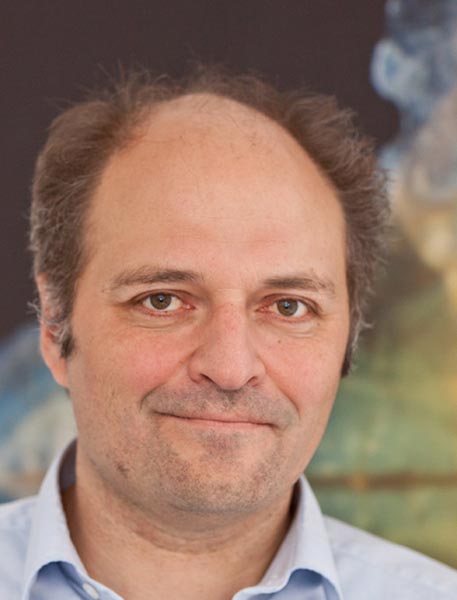
Omid Safi is a Professor in the Department of Asian and Middle Eastern Studies at Duke University, where he previously served as Director of the Duke Islamic Studies Center (2014-2019). His academic journey includes professorships at the University of North Carolina Chapel Hill and an Assistant Professor position at Colgate University (1999-2004). Safi holds a PhD and Master's in Islamic Studies from Duke University. His research centers on Islamic mysticism (Sufism), contemporary Islamic thought, and progressive Islam, with particular emphasis on liberationist spirituality, social justice, gender equality, and religious pluralism. Safi approaches Islamic scholarship as a critical engagement with tradition to address modern challenges, notably through his concept of 'Radical Love' derived from Sufi mystical traditions. His work consistently bridges historical analysis with contemporary application, especially regarding Muslim American identity formation and interfaith solidarity movements. Analysis of his publication record reveals a clear trajectory from historical studies of premodern Islam toward increasingly focused work on contemporary Muslim experiences in America and progressive theological frameworks. His most impactful works cluster around Islamic spirituality (2018's 'Radical Love'), Muslim American studies (2013 Cambridge Companion), and progressive Islamic thought (2003 'Progressive Muslims'). The recurring themes across his scholarship include ethical responsibility, critical reinterpretation of tradition, and the inseparability of spirituality from social justice. Professor Safi has demonstrated significant institutional leadership through his directorship of the Duke Islamic Studies Center and his role as co-chair of the American Academy of Religion's Study of Islam group. His public intellectual engagement includes a column for 'On Being' and active participation in interfaith initiatives like Harvard's Pluralism Project. While specific grant details aren't documented in available sources, his leadership positions and publication record indicate sustained research support for his work on Islamic spirituality and Muslim American studies. His scholarly contributions provide essential frameworks for understanding progressive Islamic thought and Muslim American experiences, establishing him as a leading voice in contemporary Islamic studies with particular influence on liberationist and mystical approaches to modern Islamic challenges.