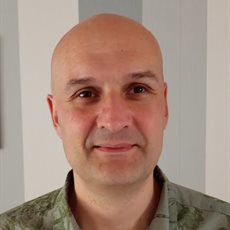
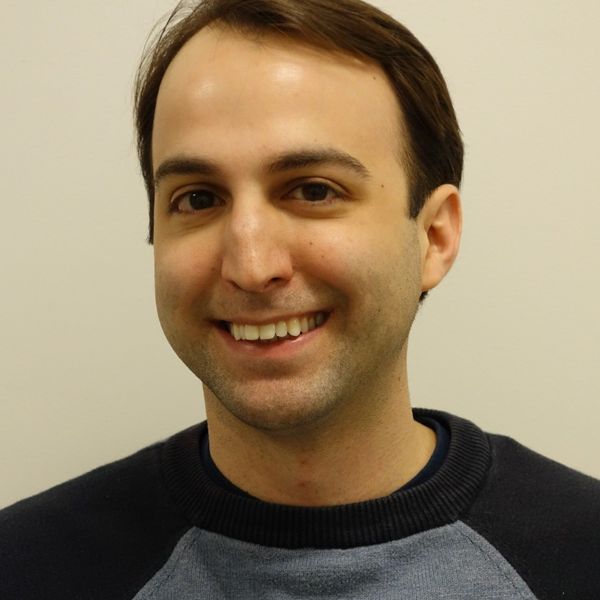
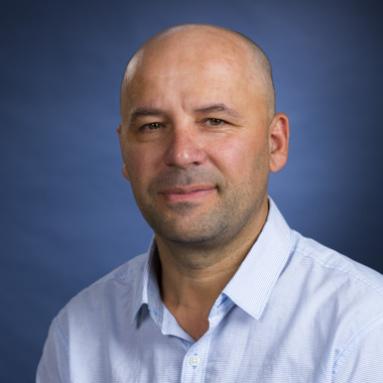
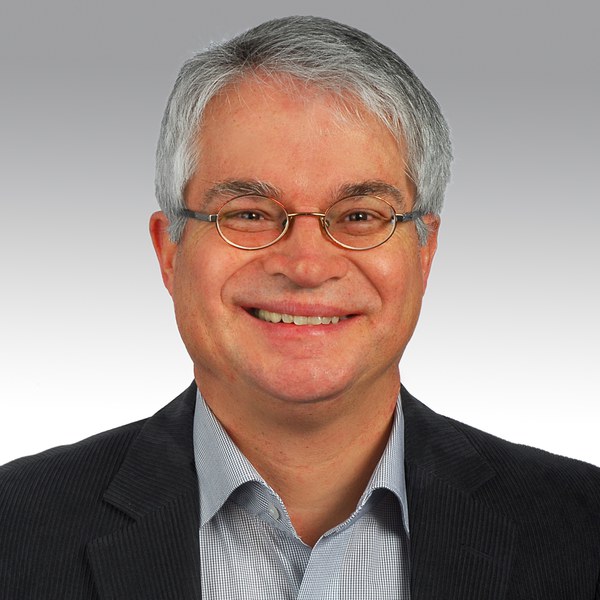
Dr. Tao Li is a Lecturer (Level B) in the School of Physics, Chemistry and Earth Sciences at the University of Adelaide. He holds a B.S. in Chemistry from Fudan University (2008), a Ph.D. from the University of Pittsburgh (2013), and completed postdoctoral research at UC Berkeley. Prior to his current role, he served as an Assistant Professor (2015–2022) and later Tenured Associate Professor (2022) at ShanghaiTech University. His research focuses on designing porous composite materials to address energy and environmental challenges. Key contributions include MOF@polymer core-shell composites, interfacial engineering in gas separation membranes, and hierarchical MOF structures (e.g., core-shell, hollow, yolk-shell). He has published over 60 articles in top journals like Nature Materials and Science Advances. Recent work emphasizes gas separation membranes (e.g., CO₂/CH₄, ethylene/ethane) and MOF-based porous liquids. His lab explores MOF-polymer interfaces, structural hierarchies, and mechanical metamaterials. He supervises Masters/PhD students in materials chemistry and nanotechnology.
Maria Antonietta Loi is a Full Professor of Photophysics and Optoelectronics at the University of Groningen, affiliated with the Faculty of Science and Engineering and the Zernike Institute for Advanced Materials. Her research focuses on hybrid semiconductors, nanomaterials, and perovskites, with applications in optoelectronic devices like solar cells and LEDs. She holds prestigious fellowships from the Dutch Academy of Science (KNAW), European Academy of Science (EURASC), and the American Physical Society. Loi has received ERC grants (Starting in 2013 and Advanced in 2022) and the 2018 Physicaprijs for her work on hybrid materials. Her academic journey includes a PhD from the University of Cagliari (2001), postdoc at the University of Linz, and roles as a Rosalind Franklin Fellow and Assistant Professor at Groningen before her current position. She co-leads the Photophysics and OptoElectronics group and serves as Deputy Editor-in-Chief of Applied Physics Letters . Research interests span photophysics of perovskites, defect passivation, hot-carrier dynamics, and neuromorphic electronics. Key contributions include improving tin-based perovskite solar cell efficiency and elucidating emission mechanisms in 2D perovskites. Her work bridges fundamental material science with applied optoelectronics, addressing sustainability and energy efficiency challenges. Notable awards include the Physicaprijs 2018 and fellowship recognitions. She actively advises and collaborates globally on grants and interdisciplinary projects, emphasizing open science and reproducibility.
Patrizio Raffa is an Associate Professor in Smart and Sustainable Polymeric Products at the University of Groningen (RUG), affiliated with the Faculty of Science and Engineering and the Engineering and Technology Institute Groningen (ENTEG). His research focuses on developing advanced polymeric materials for industrial applications, particularly in the areas of amphiphilic polymers, stimuli-responsive systems, and bio-based materials. He holds a PhD in Chemistry from Scuola Normale Superiore di Pisa (2009) and has extensive post-doctoral experience across institutions in Europe. **Education**: PhD in Chemistry (2009), Scuola Normale Superiore di Pisa MSc in Chemistry (2004), Scuola Normale Superiore di Pisa **Research Interests**: Design of smart polymers via controlled radical polymerization (ATRP/RAFT) Stimuli-responsive hydrogels and soft robotics materials Bio-based polymers from renewable resources Applications in controlled release systems, coatings, and oil recovery **Teaching**: Coordinator and lecturer for courses in Interfacial Engineering, Industrial Organic Chemistry, and Polymer Chemistry at both BSc and MSc levels. **Awards**: Recipient of the Outstanding Online Short Talk Award at MACRO2021 for his research on microrobotics and stimuli-responsive materials. **Labs & Teams**: Leads the RaffaLab, which emphasizes interdisciplinary collaboration with industry partners such as Shell, DSM, and Royal Cosun on projects like sustainable polymers for oil recovery and bio-based materials.
Dr. Marcus Bannerman is an Associate Professor in the School of Engineering at the University of Aberdeen, UK. His research focuses on computational techniques applied to engineering challenges, particularly in cement chemistry, molecular dynamics, and thermodynamics. He has supervised PhD students including W. Abdul, Craig Moir, and T. Hanein. His work includes developing software tools like DynamO for molecular dynamics simulations and Stator for collision calculations. He teaches chemical engineering and offshore process engineering, contributing to course materials and LaTeX thesis templates. His recent publications address clinker microstructure analysis, hard-sphere fluid dynamics, and methane plasma-catalysis. Bannerman collaborates on interdisciplinary projects, such as optimizing cement production processes and advancing computational methods for material science. Education: PhD in Discontinuous Potential Systems (University of Manchester, 2009) Software Contributions: DynamO, Stator, SimCem.com Teaching: Offshore Process Engineering, Heat/Mass Transfer, Separation Processes Research Interests: Computational modeling of materials, phase transitions, energy-efficient processes, and cement chemistry innovations. His work bridges fundamental physics and industrial applications, with a focus on sustainable materials and energy systems. Grants & Projects: Not explicitly stated in provided texts, but collaborations include funding from the Bavarian Ministry for endometriosis research (indirectly mentioned via FAU team context). Labs/Teams: Leads computational engineering research groups at Aberdeen, emphasizing open-source software development for scientific computing.
Prof. Christoph J. Brabec is a Full Professor and Chair of Materials for Electronics and Energy Technology at Friedrich-Alexander-Universität Erlangen-Nürnberg (FAU). He holds roles including Spokesperson of the Erlangen Research Cluster FAU Solar and Director at the Helmholtz Institute Erlangen-Nürnberg (HI-ERN). His primary affiliations include the Department of Materials Science and Engineering and the Institute of Materials for Electronics and Energy Technology (i-MEET). Brabec holds a Physics Diploma (1992) and a Dr. tech (1995) from Johannes Kepler University, Linz. He has held leadership positions such as Head of the Material Science and Engineering Department at FAU (2015–2017) and Scientific Director of ZAE Bayern (2009–2021). His research focuses on organic and hybrid semiconductors, photovoltaics, renewable energy systems, and low-cost production technologies. Key areas include solution-processed solar cells, optoelectronic devices, and advanced printing techniques. Over 900 peer-reviewed publications and 98 patents highlight his impact. Brabec has received numerous accolades, including consistent Top 1% rankings in materials research (2013–2024). He supervises over 40 doctoral students and 110+ master/bachelor theses. His grants include €80M in funding from Bavarian, German, and EU sources.
Prof. Wolfgang Heiss is a Professor and Head of the Solution-Processed-Semiconductor-Materials (SOPSEM) group at the Friedrich-Alexander-University Erlangen-Nuremberg, Department of Materials Science and Engineering. He serves as Studiendekan III, overseeing student affairs. His research focuses on colloidal nanocrystals, metal-halide perovskites, and their applications in electronic devices, photonics, and X-ray detection. Key projects include 'Smart Windows' for dynamic transmittance control and X-ray imaging using perovskite materials, leading to the 2023 startup Amperial Windows Technologies. His group operates from the Energy-Campus-Nürnberg and offers Bachelor/Master theses in these areas. Research interests span semiconductor materials, nanocrystal synthesis, perovskite-based technologies, and advanced detector systems. Recent work emphasizes solution epitaxy for perovskite micro-crystals and their use in lasers, X-ray imaging, and energy harvesting. Notable achievements include high-sensitivity X-ray detectors and self-healing perovskite wafers, published in journals like Nature Electronics and Advanced Materials . Advisees and grants: The SOPSEM group actively mentors students through thesis projects. Collaborations and grants support innovations in nanomaterials and energy technologies. The group’s facilities at Energy-Campus-Nürnberg enable cutting-edge research in materials synthesis and device fabrication.
Dr. Krassimir Velikov holds an Adjunct Associate Professor position at North Carolina State University's Department of Chemical and Biomolecular Engineering in the College of Engineering. He also maintains a part-time academic role at Utrecht University's Soft Condensed Matter & Biophysics department since 2009. Additionally, he serves as a Team Leader and Science Leader in Colloidal Dispersions and Nanoscale Structuring at Unilever R&D in Vlaardingen, the Netherlands, and leads the 'Molecular Structure of Food' program at NanoNextNL. Krassimir Velikov's educational background includes: Bachelor's in Chemistry from the University of Sofia, Bulgaria M.Sc. in Chemical Physics and Theoretical Chemistry (1994) from University of Sofia Second M.Sc. in Chemical Engineering (1997) from University of Sofia Ph.D. (2002) completed under Prof. Alfons van Blaaderen at both FOM AMOLF (Amsterdam) and Utrecht University's Soft Condensed Matter & Biophysics department, followed by a postdoctoral fellowship at Utrecht University. His research interests span soft condensed matter, colloidal dispersions, and nanoscale structuring. He investigates colloidal self-assembly and interface science in dispersions (e.g., suspensions, foams, emulsions), and applies these principles to food systems to enhance stability, texture, taste, and bioavailability of bioactives. He also studies the physical chemistry of digestion and delivery mechanisms for functional ingredients. Strategic themes in his work include Earth and Sustainability, Foundations of Complex Systems, and Life Sciences. Velikov's professional roles extend beyond academia: he leads Unilever’s R&D teams and manages international projects and intellectual property strategies. His program directorship at NanoNextNL focuses on food-related molecular structure research, fostering academic-industrial collaboration. He is affiliated with the Leonard S. Ornstein Laboratory at Utrecht University and contributes to the Soft Condensed Matter Group. His work locations include Unilever’s R&D facilities in Vlaardingen and research spaces in Utrecht and Amsterdam.
Diogo Bolster is the Frank M. Freimann Professor of Hydrology and Henry Massman Department Chair in Civil and Environmental Engineering and Earth Sciences at the University of Notre Dame. His research focuses on environmental fluid flows, contaminant transport, and porous media applications spanning groundwater systems to atmospheric flows. Education includes a Ph.D. from UC San Diego, M.S. from UC San Diego, B.S. from University College Dublin, and postdoctoral work at Polytechnic University of Cataluna. Research explores flow and transport phenomena in heterogeneous environments with applications to sustainable water management and hazard mitigation. Work integrates theoretical modeling, laboratory experiments, and field studies to address challenges in hydrology and environmental engineering. Recent publications demonstrate strong focus on pore-scale processes, coastal flooding, antibiotic resistance transport, and computational methods for environmental systems, reflecting interdisciplinary approaches to water-related challenges. Awards include the 2023 Polubarinova-Kochina Hydrologic Sciences Mid-Career Award from the American Geophysical Union for contributions to the field. Leads an active research group with multiple PhD students and postdocs, supported by NSF and other grants. Collaborations span institutions internationally and include field studies at Notre Dame's environmental facilities.
Todd D. Krauss is the Jay Last Professor in Arts, Sciences & Engineering, holding dual appointments as Professor of Chemistry and Professor of Optics at the University of Rochester. His work bridges chemistry, physics, and materials science, focusing on nanoscale materials like carbon nanotubes and semiconductor nanocrystals. He earned his PhD in Applied Physics from Cornell University in 1998. Research interests include nanomaterial synthesis, quantum optics, and applications in energy, photocatalysis, and biomedicine. Notable projects involve colloidal nanocrystals for solar fuel production, quantum dot-mediated organic synthesis, and polaritons in optical cavities. Collaborations with biomedical researchers explore nanocrystals for disease studies, including long-COVID research. His interdisciplinary research has led to advancements in nanocrystal doping, defect engineering in carbon nanotubes, and light-matter interactions. He leads the NSF-funded QuEST Center for quantum-enabled chemical transformations. Krauss’ work emphasizes both fundamental mechanisms and applied solutions in nanoscience. Grants and collaborations include partnerships with Bren, Matson, and Weix (chemistry), as well as medical researchers like Handy Gelbard. His lab uses advanced techniques like atomic force microscopy and super-resolution imaging, contributing to high-impact journals like Science and JACS .
Dr. Alessio Alexiadis is a Reader in Chemical Engineering at the University of Birmingham, specializing in mathematical modeling and physics-informed machine learning. He holds a PhD from Politecnico di Torino (2001) and has held academic positions across 11 institutions in 8 countries. His research focuses on particle methods (MD/DEM/SPH), multiphase flows, and interdisciplinary applications in materials science, biomedical engineering, and environmental modeling. Education: PhD in Chemical Engineering, Politecnico di Torino, 2001 BSc in Chemical Engineering, 1998 Research Interests: Development of Discrete Multiphysics frameworks for complex systems AI-driven simulations and physics-informed machine learning Modeling fluid-structure interactions, colloids, and biophysical systems Applications in energy storage, climate modeling, and biomedical devices Grants & Funding: EPSRC CDT in Formulation Engineering (PI, £multi-million) Leverhulme Trust (PI, 2019–2023) US Office of Naval Research (PI, 2018–2022) Awards & Editorial Roles: Marie Curie Fellowship (2008) Editorial Board member: PLOS ONE, Scientific Reports (Nature), and ChemEngineering Labs & Collaborations: Modelling Concepts and Tools (MCT) group at Birmingham International collaborations spanning 4 continents
Jason Papademetriou is a Research Faculty member in the Department of Mechanical Engineering at Boston University. He holds a B.A. in Physics and an M.S. in Biochemistry and Molecular/Cell Biology from Georgetown University, followed by a PhD in Bioengineering from the University of Maryland, College Park. His PhD research, under Dr. Silvia Muro, focused on receptor-mediated targeting strategies for nanocarriers using multiple cell surface molecules. Education: B.A. in Physics, Georgetown University M.S. in Biochemistry and Molecular/Cell Biology, Georgetown University PhD in Bioengineering, University of Maryland, College Park His research interests include phase-shift nanoemulsions for solid tumor therapy, ultrasound-responsive colloids for cardiovascular disorders, and stimuli-responsive materials. Since joining the lab in 2013 for post-doctoral training, he has explored areas such as acoustics and image-guided drug delivery. His work bridges bioengineering and nanotechnology to address challenges in targeted therapy and biomedical applications.
Hektor Kashuri is an Associate Teaching Professor in the Physics department at Worcester Polytechnic Institute (WPI). He holds a BS from the University of Tirana (1997) and a PhD from Northeastern University (2008). His research focuses on soft condensed matter physics, including liquid crystal phase transitions and electrical properties of biological tissues. Research employs techniques such as AC/relaxation calorimetry, dielectric spectroscopy, polarizing microscopy, and light scattering. He emphasizes conceptual understanding over formula memorization in teaching, maintaining consistent student engagement across different educational systems. Recent scholarly work includes studies on muscle impedance during contractions and high-frequency electrical impedance myography presented at the 2007 International Conference on Electrical Bioimpedance. His work bridges material science and biomedical applications, with a focus on experimental methods.
Prof. Dr. Gerhard Naegele is a senior researcher at the Institute for Biological Information Processes (IBI) within the Research Center Jülich GmbH . His primary role is in the Biomacromolecular Systems and Processes (IBI-4) department, focusing on theoretical and computational studies of biological soft matter. His research emphasizes colloidal systems, protein dynamics, and phase behavior in quasi-two-dimensional environments. Key research areas include: Structure and dynamics of charged colloids, microgels, and protein solutions Competitive interactions in dispersions and their impact on clustering and phase transitions Modeling ultrafiltration processes and membrane technologies Computational methods such as mode-coupling theory and multiparticle collision dynamics His work bridges theoretical physics, chemistry, and biophysics, with applications in biomaterials, drug delivery, and industrial filtration. Recent studies explore stimuli-responsive microgels and the rheological properties of soft matter systems. Notable contributions include: Development of advanced simulation frameworks for complex fluids Analysis of cross-flow filtration efficiency under varying conditions Experimental-theoretical collaborations on protein aggregation and colloidal stability His laboratory is part of the broader Helmholtz Association, emphasizing interdisciplinary research in energy, health, and materials science.
Fabio Marchesoni is a Professor of Physics at the University of Camerino, affiliated with INFN Perugia Section and Tongji University Shanghai. His research focuses on stochastic processes, nonequilibrium statistical physics, and gravitational wave physics. He has contributed to major collaborations like LIGO/Virgo, publishing over 246 articles with 148,100 citations. Research Interests: Active matter systems, artificial Brownian motors, nanoscale transport phenomena, and gravitational wave detection. His work bridges fundamental physics with applications in neuromorphic computing and materials science. Key Contributions: Pioneered stochastic resonance theory, developed models for nanoscale motor systems, and co-authored landmark papers on GW170817 (neutron star merger) and the first direct detection of gravitational waves (GW150914). Collaborations: Works with institutions worldwide including University of Augsburg, RIKEN, and Loughborough University. Active in interdisciplinary projects combining physics with engineering and biology.
Matteo Fasano is an Associate Professor at the Department of Energy (DENERG), Politecnico di Torino, where he serves as co-Director of the Multi-Scale Modeling Laboratory (SMaLL) and is a member of the CleanWaterCenter's management board. He holds a Ph.D. in Energy Engineering and Nanotechnology from the same institution, awarded in 2015, and has established a strong international research profile through collaborations with MIT, Houston Methodist, Imperial College, and the University of Minnesota. Education: Ph.D. in Energy Engineering and Nanotechnology, Politecnico di Torino (2015) His research focuses on computational and multi-scale modeling of heat and mass transfer in energy and environmental systems. Key areas include thermal energy storage, desalination, nanofluidics, and sustainable materials. He employs advanced simulation techniques such as molecular dynamics, Monte Carlo, coarse-grained modeling, and machine learning to analyze phenomena at nano- and micro-scales. His work supports UN Sustainable Development Goals 6 (Clean Water), 7 (Affordable and Clean Energy), and 9 (Industry, Innovation, and Infrastructure). The recent publication trends reflect a strong emphasis on sustainable technologies, particularly in solar-driven desalination, passive cooling materials, hydrogen co-production, and seasonal thermal storage. His modeling expertise bridges fundamental physics with practical applications in water, energy, and environmental engineering. Scientific Awards: ENI Award - Debut in Research (2017) Premi di Qualità, Politecnico di Torino (2014) Prof. Fasano actively supervises numerous Ph.D. students across Energetics, Materials, and Civil Engineering programs and leads multiple high-impact research projects funded by the EU (Horizon Europe), national PRIN grants, and private foundations. He teaches core courses such as 'Computational Heat and Mass Transfer', 'Advanced Engineering Thermodynamics', and 'Modeling of Nanoscale Phenomena' at both MSc and PhD levels. His advisory role extends to thesis supervision and research mentorship, contributing significantly to the next generation of engineers and scientists. Laboratories and Research Groups: Multi-Scale Modeling Laboratory (SMaLL), co-Director Research Group M3ES (DENERG) Member, CleanWaterCenter@PoliTo Management Board