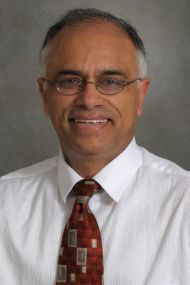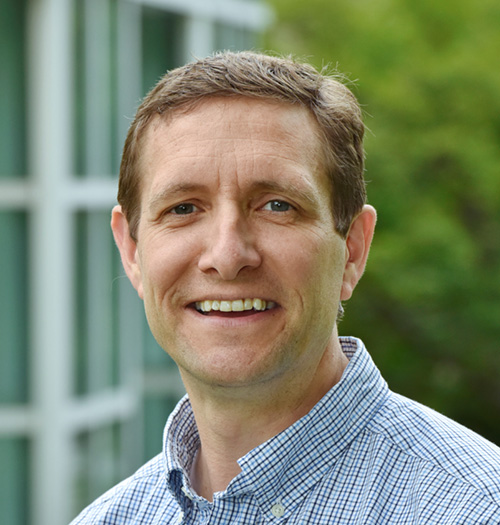
Bill Malachowski is the Barbara Ramsay 1965 and Robert Ramsay Professor of Chemistry at Bryn Mawr College, where he leads an active research program in the Department of Chemistry, Biochemistry and Molecular Biology. His laboratory is located in Park 270, and he teaches a comprehensive range of chemistry courses from introductory to advanced levels. Dr. Malachowski earned his Ph.D. from the University of Michigan and his B.A. from the College of the Holy Cross, establishing a strong foundation for his career in synthetic organic chemistry. His educational background has directly informed his research approach and teaching philosophy. Malachowski's research spans traditional synthetic organic chemistry and bioorganic chemistry, with two primary active projects: (1) Complex phenanthridinone and carbazole analog synthesis using the innovative Birch-Heck sequence, and (2) Indoleamine 2,3-dioxygenase (IDO) inhibitor design and synthesis. His laboratory focuses on developing efficient and enantioselective synthetic methods to create saturated heteropolycyclic structures with quaternary stereocenters. The ultimate goal of this work is to facilitate the development of new therapeutics with improved selectivity and reduced side effects for cancer and infectious diseases. His publication record demonstrates a consistent focus on creating synthetic tools that generate molecules with chiral centers and sp 3 carbons, which are underrepresented in current drug candidates but show promise for improved therapeutic profiles. The research addresses a critical challenge in drug development where many promising candidates fail in clinical trials due to their flat aromatic structures. National Institutes of Health (1-R15-GM087291-01A1) National Institutes of Health (National Cancer Institute, R01 CA109542-04A2) National Science Foundation American Chemical Society Petroleum Research Fund Malachowski has mentored numerous graduate and undergraduate students who have pursued diverse career paths in academia, pharmaceutical industry, medicine, and other scientific fields. His current research group includes both graduate students and undergraduates working on various aspects of the Birch-Heck sequence and IDO inhibitor projects. The laboratory maintains active collaborations with biologists at the Lankenau Institute of Medical Research for biological testing of synthesized compounds, particularly for anti-cancer activity. His teaching portfolio is extensive, covering courses such as Advanced Organic Chemistry: Synthesis, Biological Organic Chemistry, Organic Chemistry 1 & 2, Organometallic Chemistry, Medicinal Chemistry, Research Methodology, Drugs & How They Work, and General Chemistry 1. This breadth of teaching reflects his commitment to educating students at all levels of chemistry education.