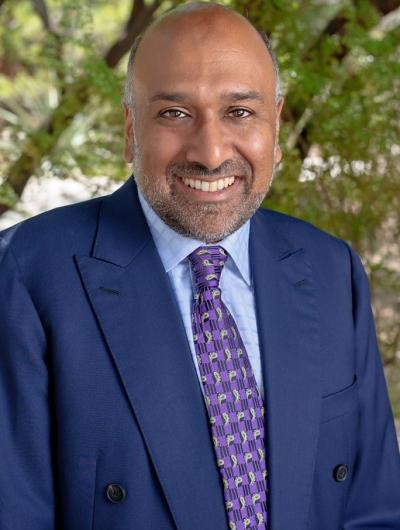
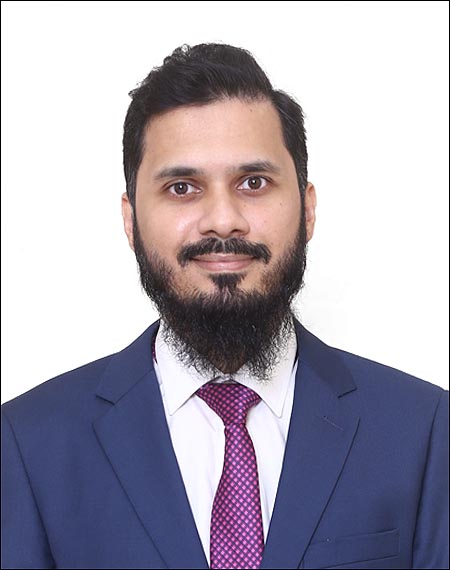
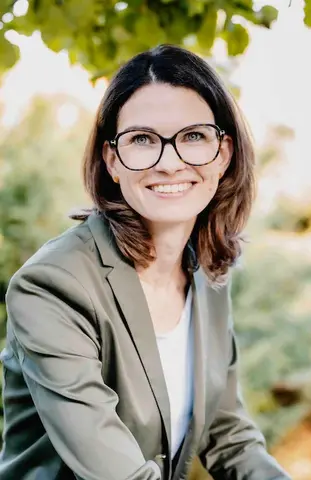
Gautam Gowrisankaran is a Professor of Economics at Columbia University , with affiliations as a Research Associate at the National Bureau of Economic Research (NBER), a Research Fellow at the Centre for Economic and Policy Research (CEPR), and a Professeur affilié at HEC Montréal. His research spans Health Economics , Industrial Organization , and Environmental Economics . Primary Affiliation : Columbia University, Department of Economics Secondary Affiliations : NBER, CEPR, HEC Montréal His work investigates dynamic market behaviors , including hospital pricing under Medicare reforms, energy transitions in regulated markets, and the impact of policy uncertainty on technology adoption. Recent publications focus on renewable energy integration , insurance market dynamics , and environmental regulation enforcement . Key trends in his research include applied microeconomic modeling , policy evaluation , and strategic interactions in markets with high stakes such as healthcare and energy. His methodological approach often combines structural estimation with empirical data analysis . Notable Grants : Doctoral Dissertation Research in Economics (Effect of Certified Nurse Midwife Scope-of-Practice Laws) Gautam actively contributes to academic discourse through collaborations with institutions like the University of Arizona and University of Chicago . His work addresses critical societal challenges, including healthcare affordability, energy sustainability, and regulatory efficiency.
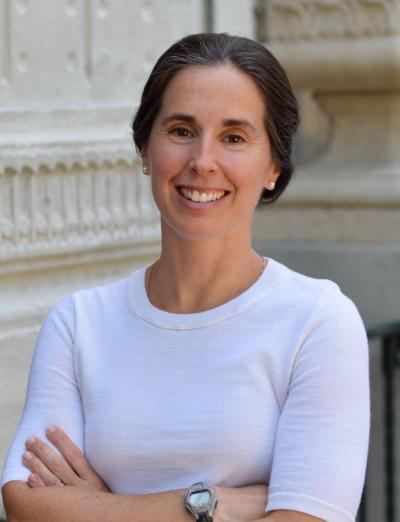
Meredith Fowlie is a Research Fellow at the University of California, Berkeley, affiliated with the Department of Agricultural & Resource Economics and the Environment and Energy Economics Program. Her work focuses on environmental economics, energy policy, and industrial regulation, with particular expertise in climate policy, emissions trading, and market-based solutions. University : University of California, Berkeley School : College of Natural Resources Department : Department of Agricultural & Resource Economics Role : Co-Director of the Environment and Energy Economics Program, Research Fellow Over the past two decades, Fowlie has led influential research on carbon pricing, insurance market adaptations to climate change, energy efficiency programs, and regulatory design. Her publications span topics like NOx trading programs , satellite-based air quality analysis , and default effects in electricity pricing . She has collaborated extensively with scholars such as Catherine Wolfram, Christopher R. Knittel, and Nicholas Muller. Her recent work (2025-2022) emphasizes catastrophe insurance equity , climate risk classification , and carbon pricing mechanisms . Earlier studies (2020-2008) addressed co-benefits in regulatory analysis, emissions leakage in incomplete markets, and optimal pollution regulation across stationary/non-stationary sources.
Ruben Portugues is a Professor of Brain Circuit Function and Dysfunction at the Institute of Neuroscience, Technical University of Munich (TUM). He is a full member of the Graduate School of Systemic Neurosciences (GSN), an associate and advisory board member of the Munich Center for Neurosciences (MCN), and leads a research group focused on understanding the neural basis of behavior. His lab uses larval zebrafish as a model organism to investigate sensorimotor control, decision-making, and motor learning through whole-brain imaging and circuit analysis. His research interests lie at the intersection of systems neuroscience and behavior. He investigates how brain circuits process sensory information, integrate it with motor output, and enable adaptive and flexible behavior. Key areas include the function of the cerebellum, heading direction networks, sensorimotor transformations, and the neural mechanisms of decision-making. His lab employs cutting-edge techniques including custom-built microscopes, behavioral assays, and computational analysis. The recent publications and preprints from his lab demonstrate a strong trend in decoding distributed neural circuits underlying navigation and decision-making in zebrafish. There is a clear focus on identifying specific brain regions (e.g., interpeduncular nucleus, cerebellum) and cell types involved in processing visual, motor, and spatial information. The work increasingly emphasizes whole-brain functional imaging and the emergence of cognitive-like representations such as allocentric heading direction. FENS-Kavli Network of Excellence (FKNE) PhD Thesis Prize (awarded to student Luigi Petrucco) Ruben Portugues actively mentors PhD students, including current advisees Luigi Petrucco, Ot Prat, and Shuhong Huang, and has successfully graduated Dr. Elena Dragomir and Dr. Vilim Štih. His lab engages in extensive collaborations, hosts visiting researchers, participates in teaching (e.g., CSHL Imaging Course, Cajal Course), and secures resources for advanced research. The lab is known for building its own microscopes and software, fostering technical innovation. The Portugues Lab operates as a dynamic, interdisciplinary team that combines experimental neuroscience with computational and engineering approaches. They regularly hold retreats, participate in scientific events, and contribute to community initiatives like the Munich Brain Day. The lab is preparing to relocate to the Department of Neurobiology and Behavior at Cornell University, marking a new phase in its research trajectory.
Olli Sotamaa is a Professor of Game Culture Studies at Tampere University's Faculty of Information Technology and Communication Sciences, Department of Communication Sciences. He leads the Tampere University Game Research Lab alongside Professor Frans Mäyrä and serves as team leader in the Centre of Excellence in Game Culture Studies. Specializes in game cultural phenomena: online communities, fandom, modding, data-driven game development Co-edited Game Production Studies (Amsterdam University Press, 2021) His research focuses on game industry practices, data analytics impact, and player production cultures. Recent work examines game data labor, industry ethics, and digital preservation challenges. Key trends in his 15 most recent articles include: Game data work and algorithmic culture (2023-2025) Game modding and user-generated content (2021-2022) Game development practices (2019-2021) Game preservation and heritage (2020) Industry sustainability and ethics (2021-2025) Scientific awards: ERC-Advanced-Grant project 'Making Sense of Games (MSG)' Labs/teams: Tampere University Game Research Lab Centre of Excellence in Game Culture Studies
Narelle Lemon is a Professor of Education and Vice Chancellor’s Professorial Research Fellow at Edith Cowan University , affiliated with the School of Education . She previously served as Associate Dean (Education) at Swinburne University of Technology. Her research areas include: Wellbeing literacy for educators and students Creative research methods (poetry, visual narratives) Digital literacy in academic contexts Pedagogy of Belonging framework Positive psychology applications Recent publications focus on: Self-care practices during pandemic Time as a wellbeing resource Academic collaboration through creative methods Teacher resilience and institutional care Notable awards: 2021 Citizenship Award (Swinburne) 2020 AUUT National Teaching Citation 2018 VC Team Award for Diversity & Inclusion Multiple early/mid-career research recognitions She supervises PhD students in topics like: Autistic student voice in education Academic staff capabilities in Communities of Practice Gender equity in decision-making Connect via email , ORCID , or @rellypops on social media. Her podcast Teachers Supporting Teachers is available on Apple Podcasts and Spotify .
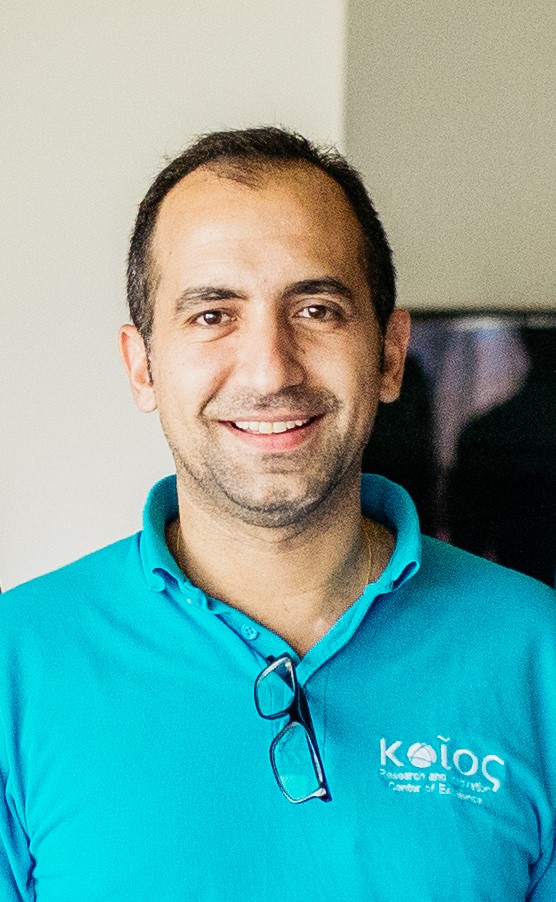
Panayiotis Kolios is an Assistant Professor at the Department of Computer Science, University of Cyprus (UCY). Previously, he served as a Research Assistant Professor at the KIOS Research and Innovation Centre of Excellence (2013–2024) and a Visiting Lecturer at UCY. He holds a BEng and PhD in Telecommunications Engineering from King’s College London (2008 and 2012, respectively). His research focuses on networked intelligent systems, emergency management using AI and UAV technologies, and cyber-physical systems. Education: BEng in Telecommunications Engineering, King’s College London, 2008 PhD in Telecommunications Engineering, King’s College London, 2012 Research Interests: His work centers on autonomous systems, intelligent transportation, and emergency management. Key areas include AI-driven disaster response, UAV-based surveillance, and algorithmic optimization for critical infrastructure. He develops solutions for real-time situational awareness and decision-support in emergencies. Recent work trends show a focus on multi-UAV coordination, disaster management platforms (like AIDERS), and AI applications in emergency response. His team’s 2023 win in the Cooperative Aerial Robots Inspection Challenge highlights advancements in UAV inspection algorithms. Scientific Awards: First Prize in Cooperative Aerial Robots Inspection Challenge (CDC 2023) Grants and Advising: He has secured over €40 million in EU and industrial grants, leading projects like PREDICATE, SWIFTERS, and AIDERS. His team advises on emergency response strategies and has trained first responders through EU-funded programs such as the Exchange of Experts training. Labs and Teams: He leads the Security and Emergency Response Group at KIOS CoE and established the Cyprus Civil Defence Aerial Observation Unit. His team collaborates with institutions like the Cyprus Police and Fire Service to operationalize UAV technologies in disaster scenarios.
Dr. Anas Iftikhar is an International Lecturer (Assistant Professor) in Logistics and Supply Chain Management at Lancaster University's Management School, United Kingdom. He is affiliated with the Centre for Productivity and Efficiency and contributes to the Supply Chain Management department with research focusing on contemporary supply chain challenges. Dr. Iftikhar completed his Ph.D. in Economics, Management, and Quantitative Methods from the University of Salento, Italy in May 2021. During his doctoral studies, he held visiting researcher positions at Ghent University (Belgium) and Cardiff Business School at Cardiff University (UK), gaining valuable international research experience. Prior to his academic career, he accumulated industry experience in inventory planning and operations management. Dr. Iftikhar's research primarily investigates how supply chain capabilities enhance resilience in disruptive and complex environments. His work explores the intersection of supply chain complexity, digital technologies, and resilience strategies. He employs methodological approaches including systematic literature reviews, meta-analysis, and structural equation modeling. His research has significant implications for organizations navigating geopolitical uncertainties, digital transformation, and supply chain disruptions. His publication portfolio demonstrates a clear evolution from foundational work on network trust and ripple effects to more sophisticated examinations of digital transformation's role in supply chain resilience. Recent publications increasingly focus on the synergistic effects of multiple capabilities (network capability, innovation ambidexterity) in addressing complex challenges like geopolitical turmoil. The research trajectory shows a progression from single-factor analyses to more complex, integrated models that better reflect real-world supply chain dynamics. Dr. Iftikhar actively participates in the academic community through presentations at major conferences including the European Operations Management Association (EUROMA) annual conference, IFAC Conference on Manufacturing Modelling, Management & Control, and Industrial Engineering Operations Management (IEOM) society events. He has also delivered invited talks such as 'Contemporary Issues in Logistics Management' at Bukhara State University. As an educator, Dr. Iftikhar is willing to supervise PhD students in supply chain resilience, disruption management, supply chain complexity, and innovative technologies in supply chain management. His industry experience enriches his teaching approach, bridging theoretical concepts with practical applications. His research outputs have been published in leading Operations and Supply Chain Management journals including International Journal of Production Research, Production Planning and Control, Annals of Operations Research, and Journal of Business Research.
Dr Shu-Ling Lu is an Associate Professor at the University of Reading , serving as Director of the MSc Project Management Programme and a Member of Senate . Her research spans Innovation Management , Quality Control , and Net Zero Transitions in construction, alongside Heritage Building Integration and Gender Dynamics in built environment sectors. Her academic journey includes a PhD , MSc in Construction Engineering , and a Diploma in Architectural Engineering , all from institutions in Taiwan and the UK, complemented by a Postgraduate Certificate in Higher Education Practice from the University of Salford. Research Interests : Innovation in construction, quality management, heritage conservation, net-zero transitions, gender equity, and system dynamics applications. Article Trends : Focus on defects analysis , heritage integration , gender dynamics , system dynamics , and net-zero strategies across 15 recent publications. Scientific Awards : Fellow of the Chartered Institute of Building (FCIOB) Fellow of Higher Education Academy (FHEA) Full member, Association for Project Management (MAPM) BSI Committee Participation (Quality Management Standards) Supervision & Grants : Mentored 7 PhD students and led/co-led projects funded by Natural Environment Research Council (NERC) , EPSRC , and COST , with total grants exceeding £500,000.
Cornelia Betsch serves as Director of the Institute for Planetary Health Behaviour (IPB) at the University of Erfurt, where she holds a professorship in Health Communication within the Faculty of Philosophy. She is responsible for the Master's program in Health Communication through the Department of Media and Communication Studies and leads the Health Communication Working Group at the Bernhard Nocht Institute for Tropical Medicine in Hamburg as an external position. Her interdisciplinary work bridges behavioral science, psychology, and public health to address critical global challenges. Habilitation (2006), University of Erfurt: 'The role of risk perception and risk communication in prevention decisions – the example of vaccination decisions' PhD (Dr. phil., summa cum laude, 2006), University of Heidelberg: 'Preference for intuition and deliberation– measurement and consequences of affect- and cognition based decision making' Diplom in Psychology (2002), University of Heidelberg Betsch's research focuses on understanding health and planetary health behaviors, particularly examining vaccination behavior, prudent antibiotic use, and climate-friendly actions. Her work extends globally, with investigations in various African countries on vaccination and antibiotic practices. She pioneered the influential COVID-19 Snapshot Monitoring (COSMO) and subsequently developed the Planetary Health Action Survey (PACE), large-scale studies that regularly track public knowledge, risk perception, protective behaviors, and trust during crises. Her research emphasizes applying behavioral and cultural insights to design effective policy frameworks and explanatory communication that promotes positive health behaviors. The 15 most recent articles showcase Betsch's research evolution toward integrating behavioral science with planetary health, climate action, and vaccine communication. Her work increasingly examines the psychological foundations of climate behavior while maintaining her established expertise in vaccine hesitancy and antimicrobial resistance. Recent publications demonstrate methodological diversity, including systematic reviews, meta-analyses, survey experiments, and large-scale monitoring datasets that bridge academic research with practical policy applications. German Psychology Prize (2021) Thuringian Research Prize (2022) Betsch has secured research funding from independent research organizations, ministries, and foundations to support her work on health communication and planetary health behavior. She serves as a scientific advisor to multiple organizations including the WHO Technical Advisory Group on Behavioral and Cultural Insights, Science Media Center Germany, and Museum für Naturkunde Berlin. At the Bernhard Nocht Institute for Tropical Medicine, she established the WHO Collaborating Center for Behavioral Research in Global Health, demonstrating her commitment to translating research into global health practice. Her engagement extends to policy advising, having served on the Corona Expert Council of the Federal Chancellery during the pandemic. As Director of the Institute for Planetary Health Behaviour, Betsch leads an interdisciplinary team applying social and behavioral science perspectives to planetary health and the climate crisis. The institute serves as a hub for research, education, and science communication at the intersection of human health and environmental sustainability. Her work through the IPB emphasizes Open Science principles and aims to understand the comprehensive factors influencing climate-friendly behavior to identify effective intervention points for policy development.
Cédric Lesage is a Professor and the Lawrence S. Bloomberg Chair in Accountancy at Concordia University. He serves as Associate Dean for Research & Impact, focusing on audit, ethics, corporate governance, and responsibility. His doctoral teaching includes ADMI 861B - Research in Auditing and ADMI 871 - Foundations of Business Research . Research Areas: Audit, Ethics, Corporate Governance, Responsibility Email: cedric.lesage@concordia.ca ORCID: 0000-0001-8460-0895 CV: Available via his profile His publications explore audit pricing, joint audit policies, media bias in corporate fraud reporting, and auditor independence in kinship economies. Collaborative work spans institutions and disciplines, emphasizing empirical and ethical dimensions of accounting research.
Professor Vinayak Dixit serves as the IAG Chair of Risk in Smart Cities and Director of the Research Centre for Integrated Transport Innovation (rCITI) at the University of New South Wales (UNSW), within the School of Civil and Environmental Engineering. With a distinguished career spanning academia and research leadership, Professor Dixit has established himself as a leading expert in transportation risk analysis and smart city infrastructure. Professor Dixit's research focuses on studying risk in transportation infrastructure systems, with particular emphasis on highway safety, travel time uncertainty, and resilience against natural and man-made disasters. His work integrates cutting-edge approaches including quantum computing applications for transportation network optimization, analysis of connected and automated vehicles, and development of models for transportation resilience. His research interests span multiple disciplines, bridging civil engineering, transportation science, risk analysis, and computational methods. Professor Dixit has secured significant research funding from prestigious organizations including the United States National Science Foundation, Federal Highway Administration, and the Strategic Highway Research Program of the Transportation Research Board. His leadership extends to directing the Research Centre for Integrated Transport Innovation (rCITI), where he oversees a comprehensive research program addressing critical transportation challenges in smart cities through multiple focus areas including Connected Mobility Services, Deep Data and Digitization, Engineering Smart Cities & Logistics, Human-Centred And Automated Systems Design, and Integrated Infrastructure Strategic Planning. Professor Dixit previously served as the Associate Director of Research for the Gulf Coast Centre for Evacuation and Transportation Resiliency at Louisiana State University, where he founded the Driving Simulator Laboratory in collaboration with other faculty members. This demonstrates his longstanding commitment to innovative research infrastructure development and interdisciplinary collaboration across engineering, economics, computer science, and urban planning to address complex transportation challenges in the 21st century.
Aafke Fraaije is a postdoctoral researcher at the Section Ethics & Philosophy of Technology , Faculty of Technology, Policy and Management , Delft University of Technology. Her work bridges art, ethics, and technology through interdisciplinary approaches to citizen engagement and responsible innovation. Institution: Delft University of Technology School: Faculty of Technology, Policy and Management Department: Section Ethics & Philosophy of Technology Academic Rank: Research Fellow Research Interests : Ethics of human-nature-technology relationships Art-based methods for public engagement with technology Participatory futuring in smart city development Inclusive approaches to technology governance Communication frameworks in clinical and engineering contexts Critical analysis of responsible research and innovation (RRI) Recent Research Trends : Her publications focus on using artistic practices (dance, theatre) to explore ethical implications of smart city technologies, developing frameworks for responsible innovation, and analyzing communication dynamics in high-stakes environments like surgery and robotics. Key themes include citizen participation in technological development, interdisciplinary methodologies, and ethical accountability across sectors.
Prof. Dr.-Ing. Christoph Stiller is a full professor at the Karlsruher Institut für Technologie (KIT) and serves as the director of the Institute of Measurement and Control Technology (Institut für Mess- und Regelungstechnik, MRT). His work focuses on autonomous driving, sensor fusion, probabilistic estimation, HD mapping, motion planning, and intelligent transportation systems. Education: Details on his academic degrees are not provided in the text, but he holds the title of Dr.-Ing. indicating a doctoral degree in engineering. Research Interests: Prof. Stiller's research spans a wide array of topics critical to the development of autonomous vehicles. His work includes: Sensor Fusion: Integrating data from LiDAR, cameras, and radar to create robust perception systems. HD Mapping & Localization: Developing high-definition maps and precise localization techniques for urban and highway environments. Motion Planning & Decision Making: Creating algorithms for safe and efficient trajectory planning under uncertainty. Machine Learning & AI: Applying deep learning and reinforcement learning to perception, prediction, and control tasks. Publication Trends: His recent publications (2023–2025) emphasize robust traffic light detection, image stitching for panoramic views, motion prediction using redundancy reduction, and safety-enhanced model predictive control. The work increasingly integrates learning-based methods with classical control and estimation theory. Scientific Awards: No specific awards are listed in the provided text. Teaching & Supervision: Prof. Stiller teaches foundational and advanced courses in measurement and control systems, probabilistic estimation, and autonomous driving. He holds regular office hours during both summer and winter semesters and is actively involved in advising students and researchers. Labs & Teams: He leads the Institute of Measurement and Control Technology (MRT) at KIT, which is engaged in cutting-edge research in autonomous systems. The institute collaborates with industry and academia on large-scale projects such as UNICARagil and various European initiatives.
Nukhba Zia is an Associate Scientist at the Johns Hopkins Bloomberg School of Public Health , affiliated with the Department of International Health . She is also associated with the Johns Hopkins International Injury Research Unit (IIRU) and collaborates with institutions in Uganda and Pakistan. Education: PhD in Public Health (Johns Hopkins, 2019), MPH in Public Health (Johns Hopkins, 2013), MBBS (Aga Khan University, 2005) Research Interests focus on health systems research , injury prevention , and rehabilitation care , particularly in low- and middle-income countries (LMICs) across Africa and Asia. She employs mixed-methods designs to evaluate trauma care systems , disability assessments , and technological solutions for service delivery gaps . Recent Publications highlight her work on burn registers (e.g., South Asian Burn Registry ), child disability in Uganda, and injury patterns in Pakistan . Her studies often address emergency care , prehospital management , and registry data to inform global health policies. Honors & Awards include the Health Systems Program Doctoral Award , Graduate Student Employee of the Year , and prestigious scholarships like the Reed Frost and Fulbright for her MPH. She has contributed to over 50 peer-reviewed articles.
Christopher Ferrie is an Associate Professor at the University of Technology Sydney (UTS), where he is affiliated with the Faculty of Engineering and Information Technology and the Centre for Quantum Software and Information (QSI). His academic career spans quantum information science, machine learning, and scientific education, with a strong emphasis on both theoretical research and public engagement through science communication. Full-time faculty member at UTS Active researcher in quantum information science Director of the Centre for Quantum Software and Information Author of numerous scientific publications and popular science books Dr. Ferrie earned his PhD in Applied Mathematics from the Institute for Quantum Computing and University of Waterloo in Canada in 2012. His doctoral work focused on quantum information and laid the foundation for his subsequent research career in quantum computing and related fields. Dr. Ferrie's research interests span several interconnected domains within quantum information science. His primary focus is on quantum estimation and control, with particular emphasis on applying machine learning techniques to solve statistical problems in quantum information science. He investigates how quantum systems can be characterized, controlled, and optimized for practical applications. His work bridges theoretical quantum physics with practical implementations, exploring how quantum phenomena can be harnessed for computational advantage. Recent research directions include quantum machine learning, quantum neural networks, and quantum optimization algorithms, with applications ranging from quantum state tomography to solving combinatorial optimization problems. Analysis of Dr. Ferrie's recent publications reveals a strong focus on practical quantum computing challenges. His work consistently addresses the intersection of quantum information theory and machine learning, with particular emphasis on making quantum algorithms more efficient, interpretable, and robust against noise. A significant portion of his recent research explores variational quantum algorithms and their optimization, reflecting the current priorities in near-term quantum computing. His publications also demonstrate growing interest in quantum machine learning applications and the development of techniques for quantum error mitigation and characterization. Dr. Ferrie has secured multiple research grants supporting his work in quantum computing and related fields. His funded projects span quantum control, quantum probability, quantum machine learning, and statistical decision theory, reflecting the breadth of his research program. While specific major awards aren't detailed in the available information, his sustained funding and publication record indicate significant recognition within the quantum information science community. Dr. Ferrie is actively involved in research supervision and teaching, with current funding supporting multiple PhD students and postdoctoral researchers. His teaching responsibilities include courses on quantum computing, where he introduces students to the fundamentals of quantum information processing. His research group at the Centre for Quantum Software and Information focuses on developing novel quantum algorithms and exploring the practical implementation challenges of quantum computing. The Centre for Quantum Software and Information at UTS serves as the primary research environment for Dr. Ferrie's work. This center brings together researchers working on various aspects of quantum computing, from hardware development to algorithm design and applications. Dr. Ferrie's team within the center focuses specifically on quantum software development, quantum algorithm design, and the application of machine learning techniques to quantum information problems. The collaborative environment enables interdisciplinary research that bridges theoretical quantum physics with practical computing applications.