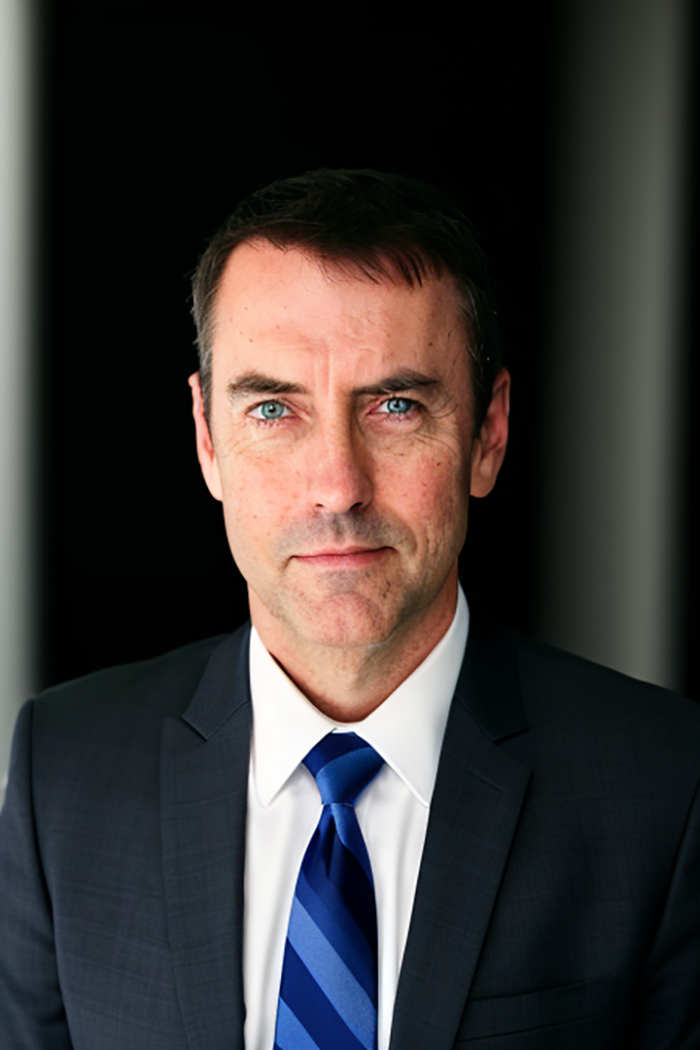
Donald J. Polzella is a Professor of Psychology at the University of Dayton’s College of Arts and Sciences. His research focuses on the intersection of prosocial behaviors, civic engagement, and arts participation. He has extensively studied how participation in arts events correlates with pro-social activities like voting, volunteering, and community involvement. His work employs statistical methodologies such as logistic regression to analyze large-scale datasets from national surveys (e.g., the NEA’s Survey of Public Participation in the Arts). Key research themes include understanding motivations behind arts attendance, the role of quality of life indicators (e.g., happiness, excitement), and how demographic factors influence arts engagement. He has also explored topics like music audience behavior, cognitive impacts of music, and cross-modal perception (e.g., color and music interactions). His work is supported by grants such as the National Endowment for the Arts (Grant No. FDR 16-3800-7015). Notable publications include studies on the Mozart effect, prosocial behaviors linked to music attendance, and the psychological dimensions of Marian art. While no specific advising or grant details are provided, his contributions span decades, reflecting a sustained commitment to empirical social science research.
Jens Gerken is a Professor of Technology for Inclusion: Mechatronics and Robotics at TU Dortmund University since July 2023, affiliated with the Research Unit for Inclusive Human-Robot Interaction. He holds a PhD (2011), Master (2006), and Bachelor (2004) in Information Engineering from the University of Konstanz. Previously, he was a Professor of Media Informatics (2015-2023), Managing Director of Immersion7 GmbH (2014-2016), and Senior Consultant at ICT AG (2011-2013). Key Research Focus: Inclusive human-robot collaboration mechanisms, transparency in AI-driven systems, mixed-reality simulation environments Expertise: Human-Computer Interaction (HCI), assistive robotics, adaptive control interfaces, accessibility design His work emphasizes trust-building through transparent interaction systems and accessible assistive technologies. Recent publications (2023-2024) focus on shared control mechanisms for robotic arms, AI-enhanced interfaces, and gamified rehabilitation tools like HoloBoard.
Adrielle Nazar Moraes is a Lecturer in the Department of Computer and Software Engineering at the Technological University of the Shannon. Her PhD research (2024) examined the impact of distractors on auditory localization in VR environments. She holds a PhD from TU Shannon (2024). Research specializes in VR-based cognitive studies, particularly: Effects of multisensory distractions on attention Gender differences in VR task performance Gaze behavior analysis during auditory tasks Her work uses physiological metrics like skin conductance and eye-tracking to assess cognitive load and performance in immersive environments. Publications appear in IEEE ISMAR and QoMEX conferences.
Simone Vossel is a Professor and Head of the Attention & Prediction Working Group at the Research Center Jülich, within the Institute of Neuroscience and Medicine (INM-3: Cognitive Neuroscience). Her research focuses on cognitive neuroscience, functional neuroimaging, neuropsychology, attention, and predictive processing. She investigates how the brain integrates expectations and sensory input to guide behavior, particularly in contexts involving spatial attention, motor control, and stroke rehabilitation. Her work combines experimental paradigms with neuroimaging (fMRI, TMS) and computational modeling to study neural mechanisms underlying attentional control and belief updating. Key areas include the role of the temporoparietal junction in probabilistic inference, the effects of stroke on spatial neglect and apraxia, and the transfer of cognitive tasks between physical and virtual reality environments. Dr. Vossel’s research group explores interdisciplinary questions at the intersection of neuroscience, psychology, and clinical applications, aiming to improve understanding of neural dysfunction and recovery processes. Her studies often involve collaborations to analyze brain connectivity and behavioral outcomes in healthy and clinical populations.
Dr. Torin Clark is an Associate Professor in the Aerospace Engineering Sciences Department and a faculty affiliate of BioServe Space Technologies at the University of Colorado Boulder. His research focuses on astronaut biomedical and cognitive challenges , particularly sensorimotor adaptation in altered gravity , human-autonomous systems interaction , and motion sickness mitigation . He leads the Bioastronautics Laboratory, contributing to space human factors research. PhD in Aeronautics and Astronautics (MIT, 2013) MS in Aeronautics and Astronautics (MIT, 2010) BS in Aerospace Engineering Sciences (University of Colorado, 2008) His work includes mathematical modeling of spatial orientation and experimental validation of vestibular adaptation . Recent research explores galvanic vestibular stimulation (GVS) for mitigating spatial disorientation and enhancing astronaut performance. His group develops human-in-the-loop simulations for lunar landing and rover operations, emphasizing trust dynamics in autonomy and real-time cognitive state estimation . The 2024-2025 publications demonstrate trends in motion sickness countermeasures , neurovestibular modeling , and human-autonomy teaming . Key methodologies include GVS applications , artificial gravity protocols , and sensorimotor assessment tasks validated through spaceflight analogs. Summer Faculty Research Fellow, ONR (2018) Outstanding Mentor Award, UROP (2018) National Academies' Forum for New Leaders (2016) Stanley Roscoe Award for Doctoral Thesis (2014) Dr. Clark mentors PhD, MS, and undergraduate researchers with backgrounds in engineering , applied mathematics , and human physiology . His lab collaborates with the Bioastronautics Research Group and participates in CU-Boulder's Autonomous Systems IRT , advancing human-in-the-loop experimentation for space exploration.
Haitao Wang is a prominent researcher affiliated with the Chinese Academy of Sciences, specifically with the Institute of Automation and State Key Laboratory of Management and Control for Complex Systems in Beijing. His research spans multiple disciplines including artificial intelligence, computer vision, engineering systems, and geospatial information processing. With extensive publications across top-tier journals and conferences, he demonstrates significant academic impact in both theoretical and applied research domains. Wang's research interests focus on the intersection of artificial intelligence and practical engineering applications. His work in machine learning includes developing novel algorithms for distance selection, corrosion prediction models for oil and gas infrastructure, and domain-specific large language models for geological applications. In computer vision, he has made contributions to building pattern recognition, image restoration techniques, and UAV-based environmental monitoring systems. His engineering research spans fault diagnosis systems, precision mechanical design, and human-robot interaction frameworks. Analysis of his recent publications reveals a strong trend toward integrating large language models with specialized domain knowledge, particularly in geological applications (GeoProspect) and robotic task reasoning (Double-Feedback). His work increasingly focuses on practical applications in high-risk industries, emergency response systems, and environmental monitoring, demonstrating a shift toward solving real-world problems with AI technologies. His scientific contributions demonstrate excellence across multiple domains, though specific awards are not documented in the provided information. The breadth of his collaborative work across different institutions and research areas highlights his interdisciplinary approach and academic leadership. Wang's research group appears to be involved in numerous projects related to AI-driven decision support systems, particularly in nuclear safety and emergency response scenarios. His recent work on human reliability analysis frameworks suggests active involvement in high-stakes application domains where human-machine collaboration is critical.
Axel Cleeremans is a Professor of Cognitive Psychology at the Université Libre de Bruxelles and a Research Director at the Fonds de la Recherche Scientifique (F.R.S.-FNRS). He leads the Consciousness, Cognition and Computation Group (CO3) and the Center for Research in Cognition & Neurosciences . His work focuses on understanding how consciousness arises from unconscious learning mechanisms, encapsulated in the Radical Plasticity Thesis . Roles: Professor, Research Director Labs: CO3, CRCN Research Interests His research explores the interplay between conscious and unconscious processes, particularly in learning, memory, perception, decision-making, and social cognition . He investigates how the brain's internal states become conscious through continuous learning and how these mechanisms apply to cognitive control and motor skill acquisition. Scientific Awards Ernest-John Solvay F.R.S.-FNRS prize (2015) for human and social sciences Publications Trends The 15 most recent articles span topics from unconscious inference limits , metacognitive architectures , and neural correlates of agency to methodological critiques in consciousness science . They emphasize temporal vision acuity , collective decision-making , and computational modeling of cognitive processes.
Sara Borgomaneri is an Associate Professor in the Department of Psychology 'Renzo Canestrari' at the University of Bologna. Her research focuses on the neural bases of cognitive and affective processes, with a particular emphasis on neuroplasticity mechanisms explored through behavioral and neurophysiological methods like TMS and EEG. She investigates how emotional stimuli influence motor and cognitive systems in healthy individuals. Education: PhD in Social and Behavioral Sciences (University of Amsterdam), Master’s in Neuropsychology (University of Bologna), and Degree in Psychological Sciences (Vita Salute San Raffaele University). Research interests span embodied cognition, fear memory modulation, and the role of sensorimotor systems in empathy. Her work has been recognized with awards such as the IOP/SIPF Early Career Prize and Brain Sciences 2024 Young Investigator Award. She has secured significant funding, including grants from the Bial Foundation and PRIN programs. Teaching includes a course on TMS applications at the University of La Laguna (Spain). She actively participates in international conferences, delivering invited talks and organizing symposia on topics like brain stimulation and fear conditioning. Labs and collaborations include the Cognitive Neuroscience Study and Research Center in Cesena, where her team explores cutting-edge techniques like paired associative stimulation and open-source neurotechnology solutions.
Dawn Marie Behne is a Professor at the Department of Psychology, Faculty of Social and Educational Sciences, Norwegian University of Science and Technology (NTNU). Her research focuses on audiovisual speech perception, phonetic adaptation, and cognitive neuroscience, often using ERP and behavioral methodologies. Her work explores: Audiovisual integration in speech and music Phonetic adaptation in human-computer interaction Age-related changes in perceptual processing Cross-linguistic speech perception Effects of musical expertise on speech processing Recent publications analyze speech style expectations, real-time conversations with AI, and gender representation in cognitive tasks. Collaborations span linguistics, psycholinguistics, and artificial language studies. Key research areas include speech perception, cognitive neuroscience, psycholinguistics, and phonetics. Her lab (SCaLa Group) investigates perception of speech, music, and infant-directed speech dynamics.
Quan Lei is an Assistant Professor of Psychology at Wichita State University's Fairmount College of Liberal Arts and Sciences, affiliated with the Human Factors Psychology Program. His research focuses on visual perception, accessibility design for individuals with visual impairments, and the application of visual science principles to real-world environments. He directs the Vision and Accessibility (VISA) Lab, which explores both basic visual processing mechanisms and applied solutions for accessible design in transportation and architecture. Dr. Lei holds a Ph.D. in Psychology from Northeastern University (2015), followed by postdoctoral training at the University of Minnesota (2015-2019) and University of California, Berkeley (2019-2020). His expertise includes visual attention, spatial perception, memory retention of visual information, and the impact of visual disorders on daily functioning. Key research themes include: Visual accessibility for low-vision populations, particularly in architectural spaces and vehicle safety features Cognitive mechanisms underlying visual illusions and numerosity perception Interdisciplinary applications of vision science to autonomous vehicle design and public safety infrastructure His work bridges basic cognitive science with practical solutions, such as improving step visibility for visually impaired individuals and optimizing vehicle safety interfaces for future autonomous systems. Dr. Lei teaches courses in Psychological Statistics and Perception, and actively seeks motivated students for lab involvement.
Michael Pitts is an Associate Professor of Psychology at Reed College, affiliated with the Division of Philosophy, Religion, Psychology, and Linguistics. He holds a Ph.D. from Colorado State University (2007) and completed postdoctoral training at UC San Diego's Institute for Neural Computation. His research focuses on the neural substrates of consciousness, employing EEG and behavioral techniques to study conscious vs. unconscious processing. Pitts co-leads the SCALP Lab with Enriqueta Canseco-Gonzalez, investigating sensation, cognition, and language processing. His teaching includes courses on cognitive neuroscience, attention, and consciousness research. Key research interests include electrophysiological correlates of awareness, attention mechanisms, and no-report paradigms. Recent grants include a Kavli Institute Innovative Research Grant (2010-2011) and postdoctoral training support from UCSD. His work has appeared in top journals like Science , Current Biology , and NeuroImage . Pitts collaborates internationally on adversarial testing of consciousness theories and maintains active participation in open science initiatives. Lab activities utilize 64-channel EEG systems to explore visual/auditory perception. Notable contributions include identifying the 'perceptual awareness negativity' ERP marker and advancing methodologies for isolating neural correlates of consciousness. Office hours are appointment-based via scheduling tools.
Alessio Toraldo is an Associate Professor of Cognitive Neuropsychology at the Department of Brain and Behavioural Sciences, University of Pavia, Italy, where he has been teaching Cognitive Neuropsychology and Statistics since 2004. He previously served as a Lecturer at the same institution from 2004 to 2015. Dr. Toraldo earned his Academic degree in Psychology from the University of Padova in 1996 with highest honors (110/110 summa cum laude). He completed his PhD in Psychology at the University of Pavia in 2000. As part of his doctoral research, he visited the Psychology Department at the University of St Andrews in 1999. Following his PhD, he was granted a post-doctoral position at the Cognitive Neuroscience Sector of the International School for Advanced Studies (SISSA-ISAS) in Trieste from 2000 to 2004. Dr. Toraldo's primary research focuses on cognitive processing involved in visual space perception, studying both normal subjects and patients with right hemisphere lesions, particularly those with neglect and/or hemianopia. His work also investigates neglect dyslexia mechanisms, encoding of stress position in Italian polysyllabic words, humor processing, and the development of statistical methods for neuropsychological diagnosis with particular attention to Information Criteria within a Bayesian approach. His research has led to the development of standardized procedures for diagnosing unilateral neglect and analyzing dissociations in neuropsychological single-case studies. Analysis of Dr. Toraldo's publication record reveals a consistent trajectory of methodological innovation in neuropsychological assessment. His early work focused on developing refined methods for analyzing the Landmark Task and Block Design test. Over time, his research has increasingly emphasized statistical approaches to neuropsychological diagnosis, culminating in his recent 2022 work on dissociations in single-case studies. A recurring theme throughout his career is the development of standardized, quantifiable methods for assessing cognitive deficits, particularly in spatial attention and perception. His work bridges theoretical cognitive neuroscience with practical clinical applications, providing clinicians with reliable tools for diagnosis and assessment. Dr. Toraldo has supervised numerous PhD students through the University of Pavia's Doctoral Programs in Psychology, Neuroscience and Data Science. His research has been supported by various grants enabling his work on neuropsychological diagnosis, humor processing, and measurement of visual space. He has collaborated extensively with researchers across Europe and maintains active research projects investigating cognitive processing in normal subjects and patients with neurological conditions. Dr. Toraldo leads research projects within the Department of Brain and Behavioural Sciences at the University of Pavia, focusing on developing and validating neuropsychological assessment tools. His team works on multiple fronts including theoretical modeling of cognitive processes, development of statistical approaches for diagnosis, and clinical validation of assessment methods. Current projects include "NEUROPSYCHOLOGICAL DIAGNOSIS," "HUMOUR," and "MEASUREMENT OF VISUAL SPACE," each investigating specific aspects of cognitive processing and their neural underpinnings.
Clodagh Reid is a Lecturer at the Department of Technology Education, Faculty of Engineering and Informatics, Athlone Institute of Technology. Her work focuses on advancing engineering education through research in spatial visualization, design creativity, cognitive load measurement, and innovative assessment methods like adaptive comparative judgment. She explores how spatial skills influence problem-solving behavior and design processes in undergraduate engineering students. Her research interests include: Engineering education methodologies Design creativity development Cognitive load and spatial ability interactions STEM education trends in Ireland Transparency in technology education research Reid’s publications analyze eye-tracking data, biometric measurements (e.g., pupil dilation), and stress responses during spatial tasks. She emphasizes holistic assessment tools and has contributed to workshops introducing adaptive comparative judgment (ACJ) for design problem evaluation. Her work bridges cognitive science and education, addressing how spatial skills impact engineering students’ success. She has organized conferences like PATT2018 and is recognized for contributions to technology education research. While specific award names are not listed, her involvement in prestigious academic events underscores her scholarly impact.
Bradley Gibson is a Professor in the Psychology Department at the University of Notre Dame, specializing in Cognition, Brain, and Behavior. He serves as Co-Chair of the Neuroscience and Behavior Major and directs the Attention, Memory, and Perception (AMP) Laboratory, established in 1994. He holds a Ph.D. in Psychology and Cognitive Science from the University of Arizona (1992) and a B.S. from Colorado State University (1982). His postdoctoral training was at Johns Hopkins University in Cognitive Neuropsychology. His research focuses on perception (internal bodily states and visual perception), attention (top-down control, voluntary shifts), memory (temporal/spatial encoding), and ADHD. He has mentored hundreds of undergraduates and dozens of graduate students. His work has been funded by the National Science Foundation (NSF) and the Institute of Education Sciences (IES). He currently serves as a Consulting Editor for top psychology journals and previously as an Associate Editor for Attention, Perception, & Psychophysics . Recent publications explore the interplay between voluntary attention control, memory dynamics, and ADHD interventions. His studies often use experimental paradigms to dissect cognitive mechanisms, with applications in clinical and educational contexts. His findings highlight variability in attentional strategies and the neurobiological underpinnings of memory systems. Notable contributions include linking locus coeruleus-norepinephrine pathways to working memory and attention, and demonstrating how recall instructions shape memory's spatial-temporal structure. He also investigates how parental stress influences ADHD management in adolescents. His grants and editorial roles reflect his leadership in advancing cognitive science methodologies and bridging laboratory findings to real-world applications.
John W Philbeck is a Professor of Cognitive Neuroscience affiliated with the Brain and Navigation Laboratory. His research focuses on psychological and neural mechanisms underlying spatial perception, particularly how vision enables navigation and orientation. He investigates factors like aging, environmental context, and cognitive load that influence distance perception and spatial memory. Dr. Philbeck earned his Ph.D. in 1997 from the University of California, Santa Barbara. His work bridges neuroscience, vision science, and cognitive psychology, emphasizing real-world applications such as medical training simulations and spatial disorientation studies. Key research themes include: Egocentric distance perception Effects of environmental features (e.g., room dimensions, object familiarity) Cognitive and neural mechanisms of spatial navigation Impact of aging on perceptual processing His recent studies explore how brief visual exposures and contextual cues affect spatial judgments, with applications in virtual reality and medical education. His publications consistently analyze perceptual processes through experimental paradigms involving simulated environments and behavioral measurements. While no specific awards are listed, his prolific output reflects significant contributions to spatial cognition research.